





25 November 2026
Taking stock of our Programme midway
Written by Laura Ligazzolo
Sometimes it is good to have things checked before the end. Some countries run mid-term elections. We did a mid-term evaluation. Between January and October 2026, external evaluators from Spatial Foresight and T33 examined how Interreg Baltic Sea Region is performing and what we can learn for the future.
The evaluation covered six areas: the relevance of our 2021–2027 objectives; the lasting effects of projects from 2014–2020; new features for projects; support for the EU Strategy for the Baltic Sea Region; Programme procedures and tools; and communication. Project analysis, case studies, surveys and interviews; all contributed to the findings.
Here are some main messages.
Staying relevant in a changing region
The evaluation confirmed that the Programme remains highly relevant and has adapted to changing regional needs in the last years. Through its projects, it has responded to growing concerns about crisis preparedness, regional self-reliance and energy security; which stemmed in particular after the start of the war of aggression against Ukraine. The evaluators also confirmed that the Programme puts its funding values into practice: supporting a greener, more resilient region, helping public authorities respond to people’s needs and strengthening organisations through learning across countries.
What makes transnational cooperation unique?
The Programme’s particular strength lies in connecting local action with regional and national policymaking, which influences macro-regional frameworks and helps institutions from different countries learn from each other and develop shared approaches and standards.
The evaluators also compared Interreg Baltic Sea Region projects focusing on social topics and circular economy with such projects funded by EU regional development and social funds on national and regional level. . The evaluators highlighted our Programme specificity: complex challenges are addressed, that require projects´ partnerships spanning across countries, sectors and levels of governance, and on top, a focus on innovation is a recurrent feature. In Interreg Baltic Sea Region, testing across different legal and cultural settings helps make solutions usable beyond the place where they were developed. This is clearly an added value of the “Interreg BSR way”.
Making results last
We hope that what projects develop will remain useful long after funding ends. The evaluation found that results are most likely to last when they become practical tools, part of an organisation’s everyday work or are embedded in policies. For example, the BASEMAPS data catalogue developed by BalticLINes project (2016-2019) still continues to operate under HELCOM governance, helping countries exchange data for planning activities at sea. Another example: in Tartu, the bicycle library concept developed through SUMBA (2017-2021) / SUMBA+ projects (2021) continued as a permanent municipal service.
The evaluators also concluded that lasting impact often grows through accumulated learning and the gradual wider use of solutions, rather than simply copying 1:1 the solution that a project developed elsewhere.
Real testing of real solutions
The stronger focus on piloting in 2021–2027 means testing projects´ solutions in real-life conditions with their intended users. The evaluation clearly highlighted pilots´ usefulness. For example, Liveability project (2023-2025) used neighbourhood testing sites to put new approaches to urban development into practice, helping city administrations see how ideas could work on the ground.
Looking ahead
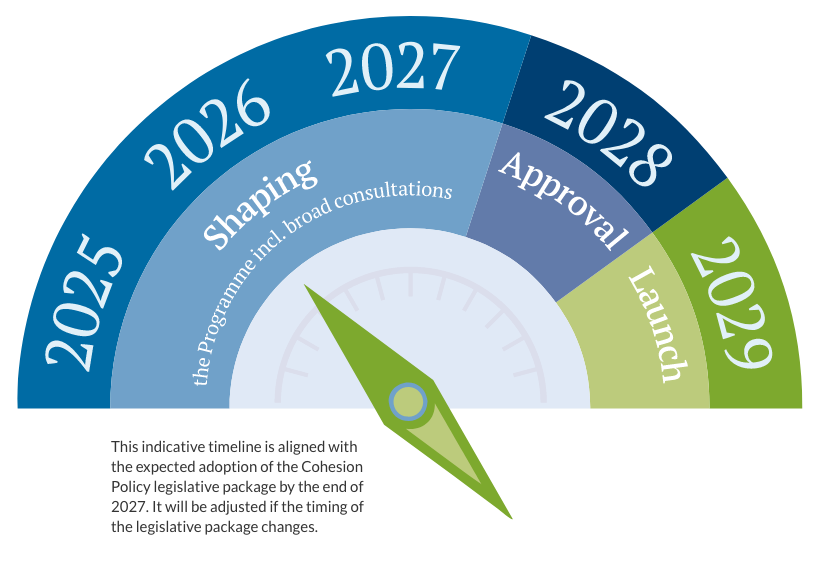
Overall, the mid-term performance evaluation confirms the strengths of our Programme’s approach and offers some useful lessons for shaping the next Programme. Considerations will be made on how to further simplify procedures, better support newcomers in joining project partnerships, make use of and acknowledge the influence of AI, and make the Programme even better known across the Programme area. There is still more to learn: as further projects finish over the next few years, their results will complete the picture of what the Programme has achieved.
Curious to explore the findings in more detail? Read the full evaluation report or the summary below.
Curious to learn more?
More recent news
Continuing the dialogue with the EUSBSR on future transnational cooperation
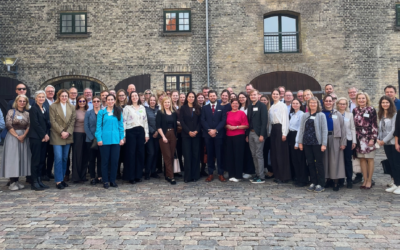
What should Interreg Baltic Sea Region, as a transnational cooperation programme, address after 2027? As work on the future Programme progresses, dialogue with regional stakeholders helps us further develop the cooperation needs identified by the Programme countries. The EUSBSR is of particular importance in this process, bringing the macro-regional strategic perspective and helping to ensure that future cooperation needs are firmly rooted in the updated EUSBSR Action Plan and its implementation. The opening of the Danish EUSBSR Presidency provided a timely opportunity to bring this perspective into the ongoing Programme development dialogue.
This September take Cooperation Further!
On 21 September, Interreg Cooperation Day brings projects across Europe out of the meeting room and into the streets. Here’s how your project can join in, and why it’s worth the effort.
Getting ready to turn ideas into action, new small projects gather in Kiel
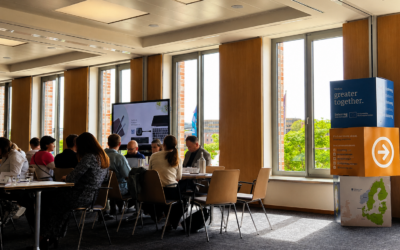
25 June 2026 Getting ready to turn ideas into action, new small projects gather in Kiel Written by Anna ZaccaroBefore new projects can create...
From achievements to ambitions: shaping the future Interreg Baltic Sea Region
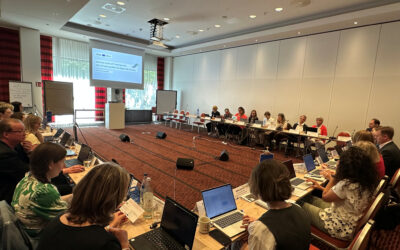
While the current Interreg Baltic Sea Region Programme is delivering results across the region, preparations for the next Programme are already gaining momentum. This dual focus was at the heart of the Monitoring Committee meeting held in Berlin on 9–10 June 2026.