




5 October 2026
Continuing the dialogue with the EUSBSR on future transnational cooperation
Written by Elena Kolosova and Ekatarina Latysheva
What should Interreg Baltic Sea Region, as a transnational cooperation programme, address after 2027? As work on the future Programme progresses, dialogue with regional stakeholders helps us further develop the cooperation needs identified by the Programme countries. The EUSBSR is of particular importance in this process, bringing the macro-regional strategic perspective and helping to ensure that future cooperation needs are firmly rooted in the updated EUSBSR Action Plan and its implementation. The opening of the Danish EUSBSR Presidency provided a timely opportunity to bring this perspective into the ongoing Programme development dialogue.
The Baltic Sea region is changing – and so are the challenges that cooperation needs to address. Security and resilience have gained urgency; climate impacts are becoming increasingly tangible; and demographic, green, and digital transitions are reshaping our territories and economies.
These developments provide an important backdrop to our work on the future Interreg Baltic Sea Region Programme. Programme countries have identified a first set of needs where cooperation across borders could bring added value. As this work progresses, we are further developing these needs in dialogue with the EUSBSR, drawing on its macro-regional strategic perspective and the expertise of those directly involved in implementing the EUSBSR Action Plan.
From current cooperation to future needs
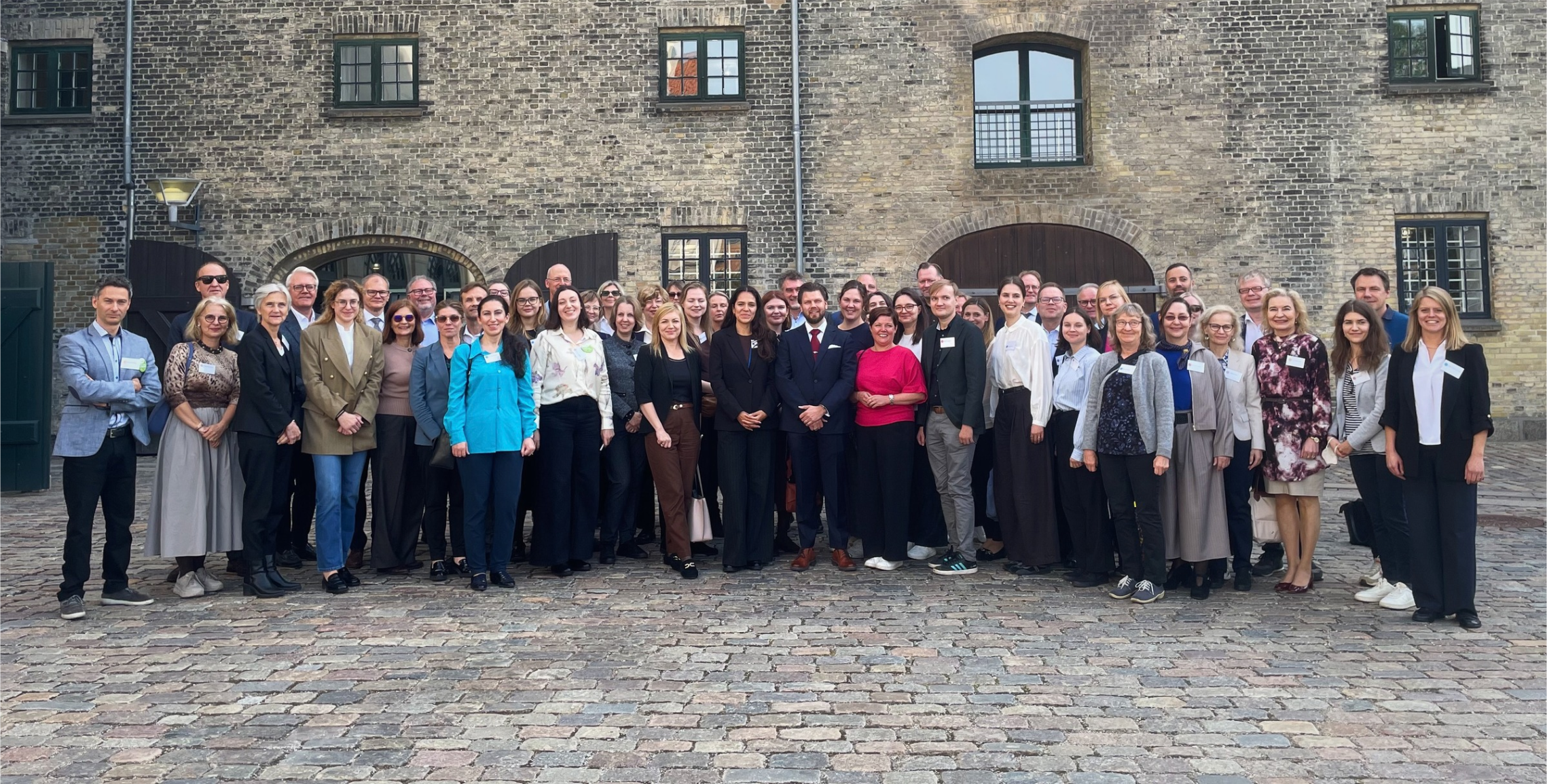
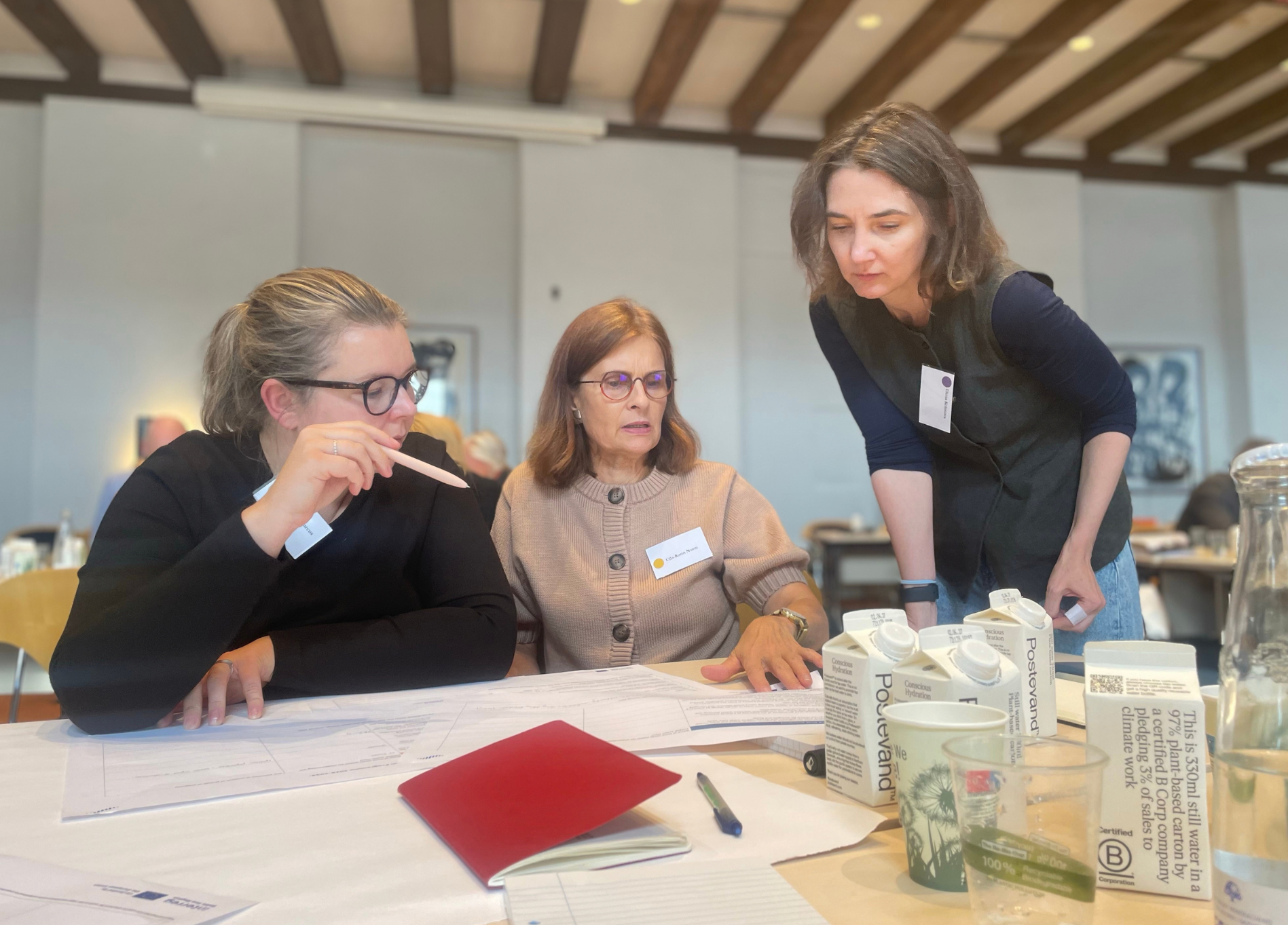
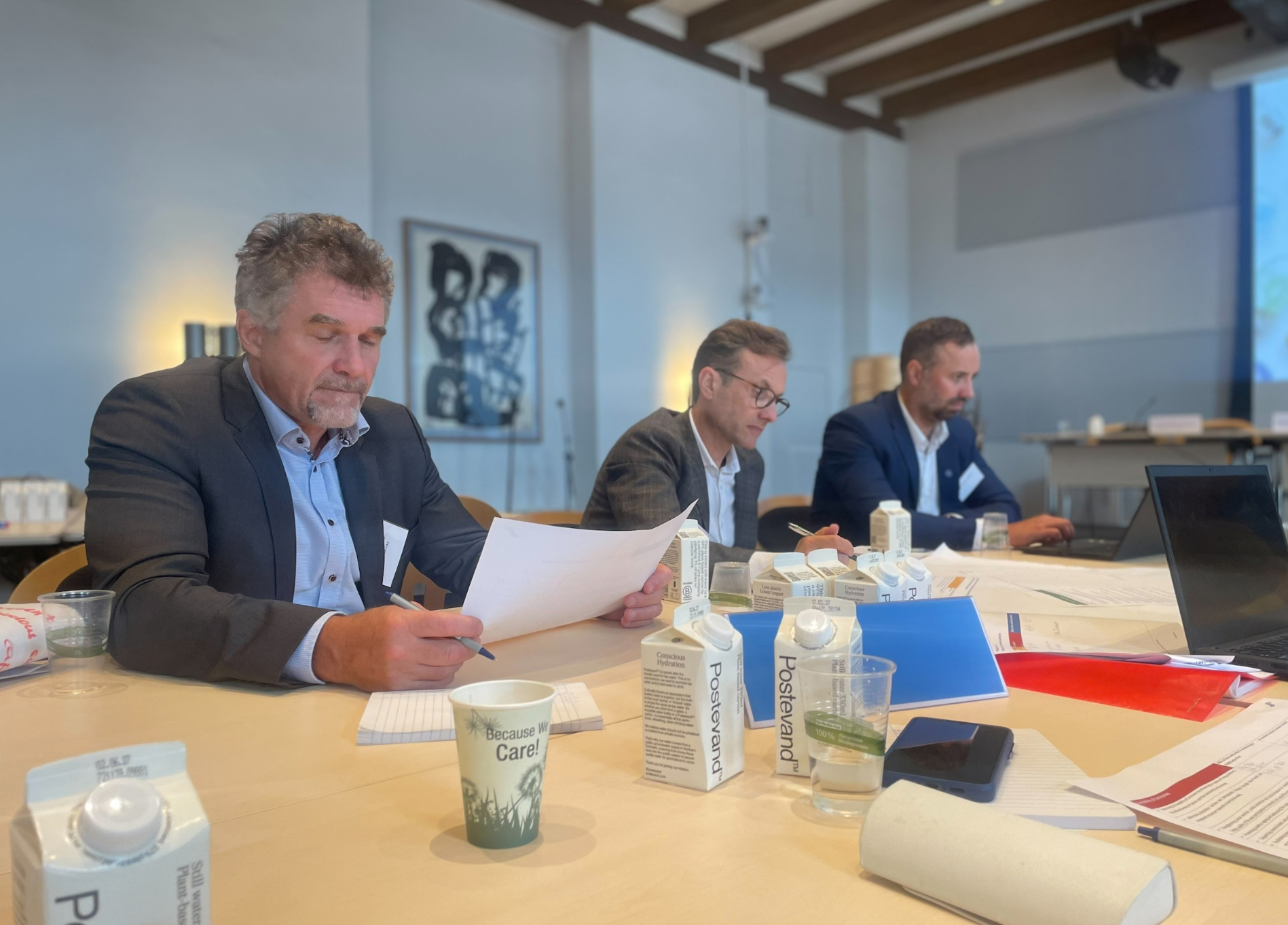
At the opening event of the Danish EUSBSR Presidency on 29 September, we invited Policy Area Coordinators, Steering Group members and National Coordinators to contribute their knowledge and experience from implementing the EUSBSR Action Plan to the discussion on future cooperation needs.
There is already a strong connection to build on. Interreg Baltic Sea Region projects in period 2021-2027 contribute around 200 times to Actions across all 14 EUSBSR Policy Areas. Looking towards the future Programme, the workshop offered an opportunity to look ahead: where exactly do the identified needs connect with the work of the EUSBSR Policy Areas? Which aspects could be better reflected? And where could transnational cooperation make a meaningful contribution?
Confirming and enriching the needs
The exchange focused on four groups of needs identified so far: resilience and security; liveability of territories; clean waters and the blue economy; and climate and resource efficiency. The discussions showed that these groups of cooperation needs already capture many of the issues important for implementing the EUSBSR Action Plan. At the same time, participants helped add further substance and identify aspects that may need stronger reflection as the needs are further developed.
Among the examples were the role of businesses, competitiveness and innovation ecosystems, the potential of digitalisation across different fields of cooperation, and stronger attention to agriculture and its links to clean waters and resilient food systems. The discussions also highlighted regenerative tourism, resilient destinations and border regions, as well as the importance of spatial and coastal resilience and stronger land-sea connections.
Several of these topics cut across the preliminary groups, underlining the importance of looking beyond individual themes as the cooperation needs are further developed.
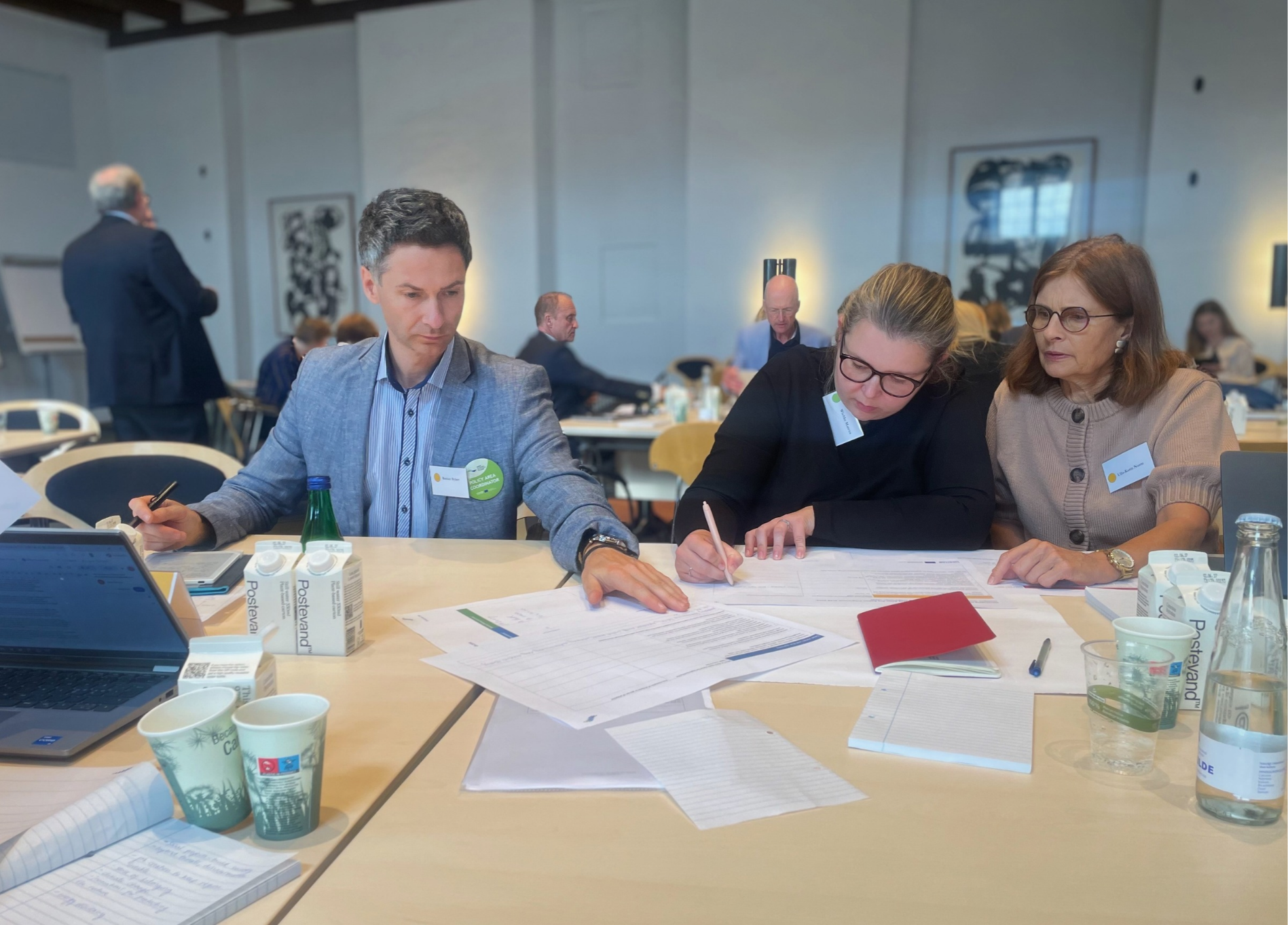
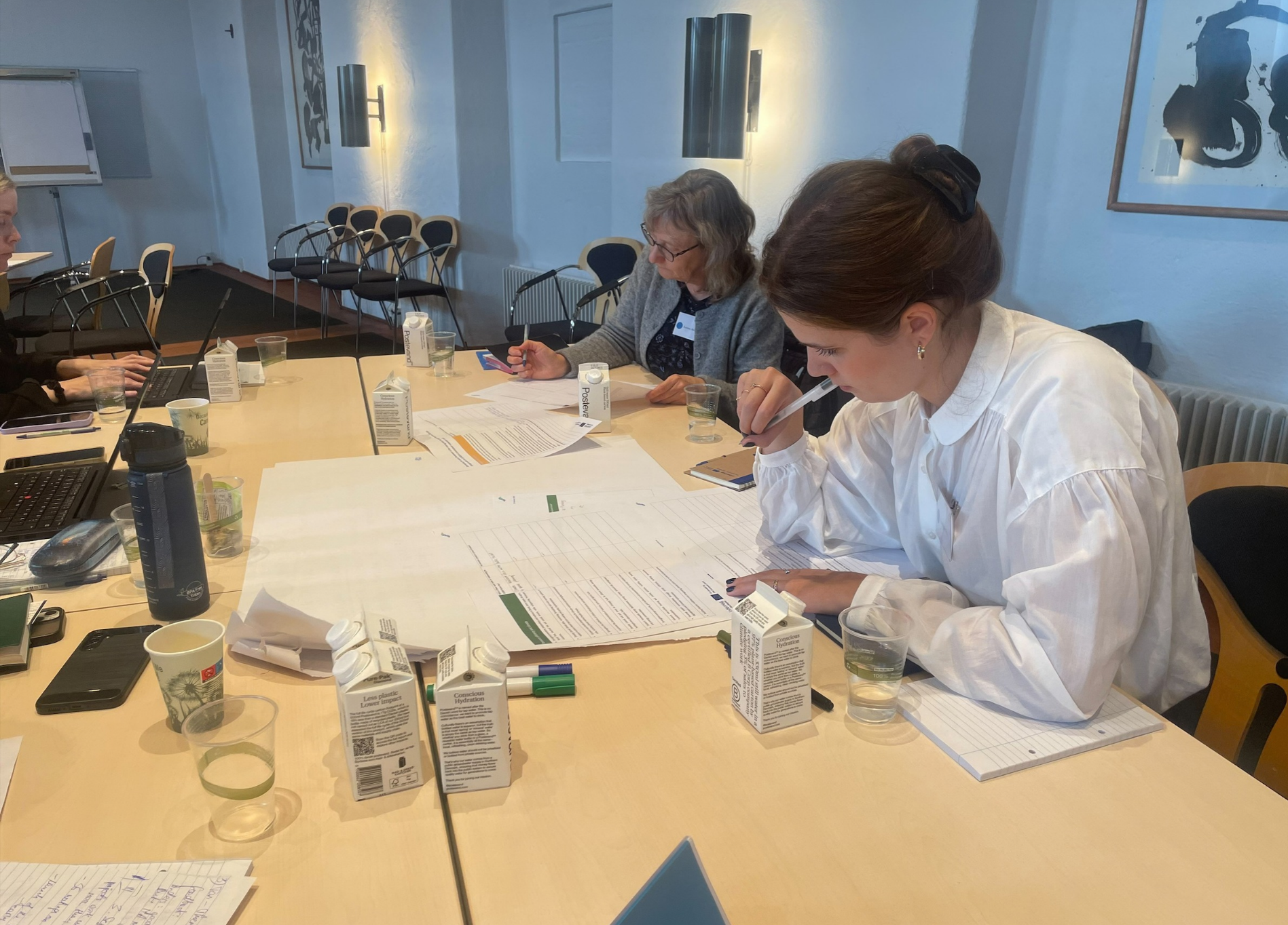
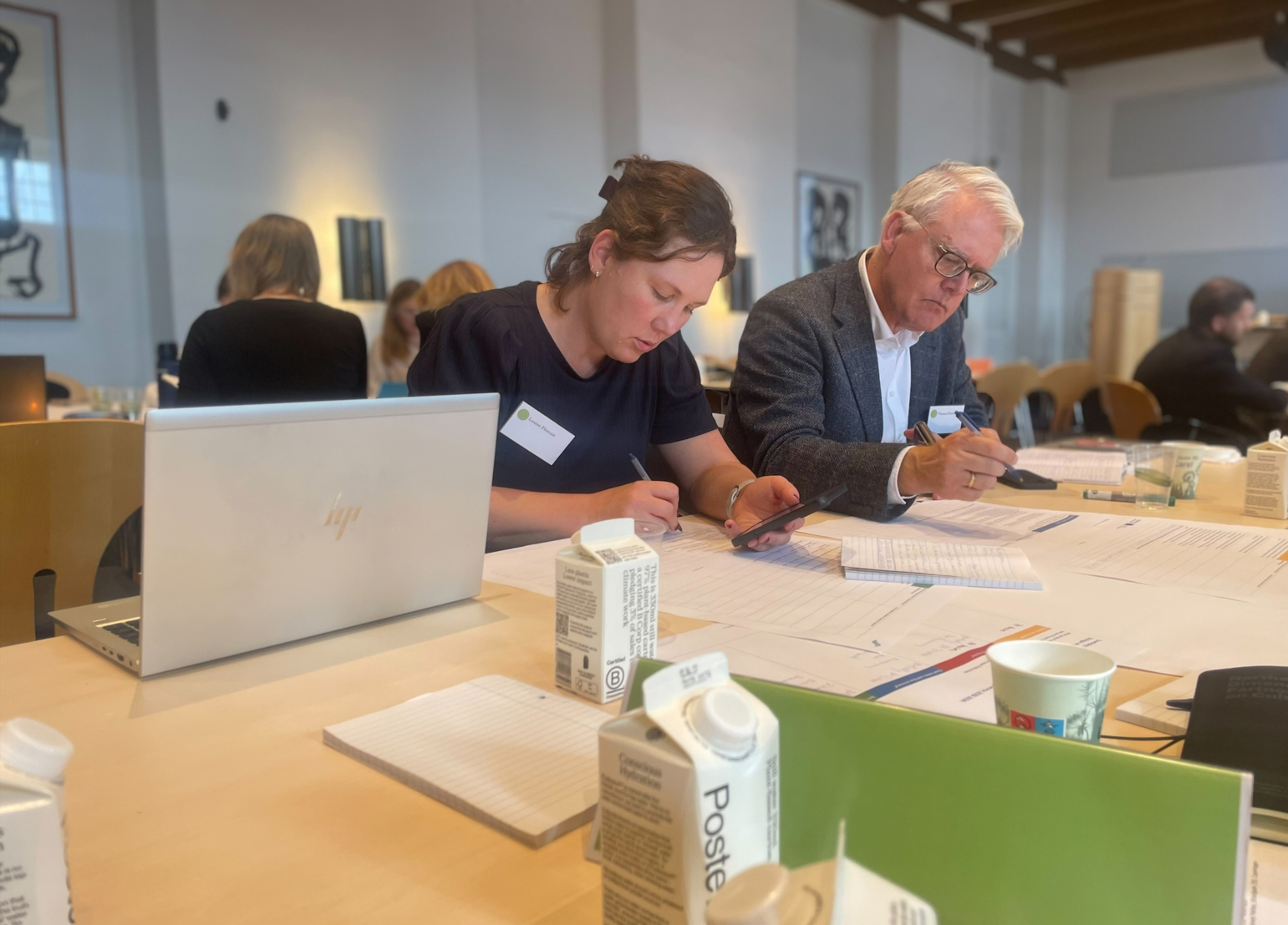
Policy Area Coordinators, Steering Group members and National Coordinators during joint exchange (click to open the photo gallery):
What comes next?
The input from the workshop will feed into the further development of the cooperation needs by the Programme countries. The dialogue with the EUSBSR will continue as this work progresses, drawing on the knowledge and experience of those involved in implementing the Action Plan.
Next year, the discussion will continue within the EUSBSR, allowing the cooperation themes to be explored in greater thematic depth and linked more closely to the work underway across the Policy Areas. This continued exchange will help keep the development of the future Programme closely connected to the implementation of the EUSBSR Action Plan – building on the strong partnership between Interreg Baltic Sea Region and the Strategy to support cooperation that responds to the region’s shared needs.
Curious to learn more?
More recent news
This September take Cooperation Further!
On 21 September, Interreg Cooperation Day brings projects across Europe out of the meeting room and into the streets. Here’s how your project can join in, and why it’s worth the effort.
Getting ready to turn ideas into action, new small projects gather in Kiel
25 June 2026 Getting ready to turn ideas into action, new small projects gather in Kiel Written by Anna ZaccaroBefore new projects can create...
From achievements to ambitions: shaping the future Interreg Baltic Sea Region
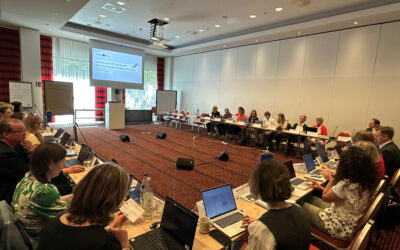
While the current Interreg Baltic Sea Region Programme is delivering results across the region, preparations for the next Programme are already gaining momentum. This dual focus was at the heart of the Monitoring Committee meeting held in Berlin on 9–10 June 2026.
High five: new project platforms onboard!
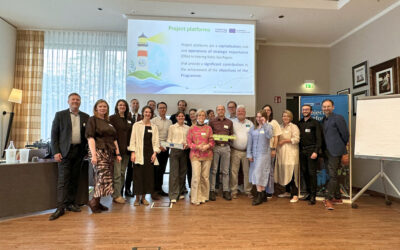
Five strong transnational partnerships, five strategic topics addressed, and endless opportunities to showcase the power of Interreg: the new project platforms, designated as Operations of Strategic Importance, met for their kick-off meeting in Berlin on 9 June.