




22 June 2026
From achievements to ambitions: shaping the future Interreg Baltic Sea Region
Written by Anna Galyga
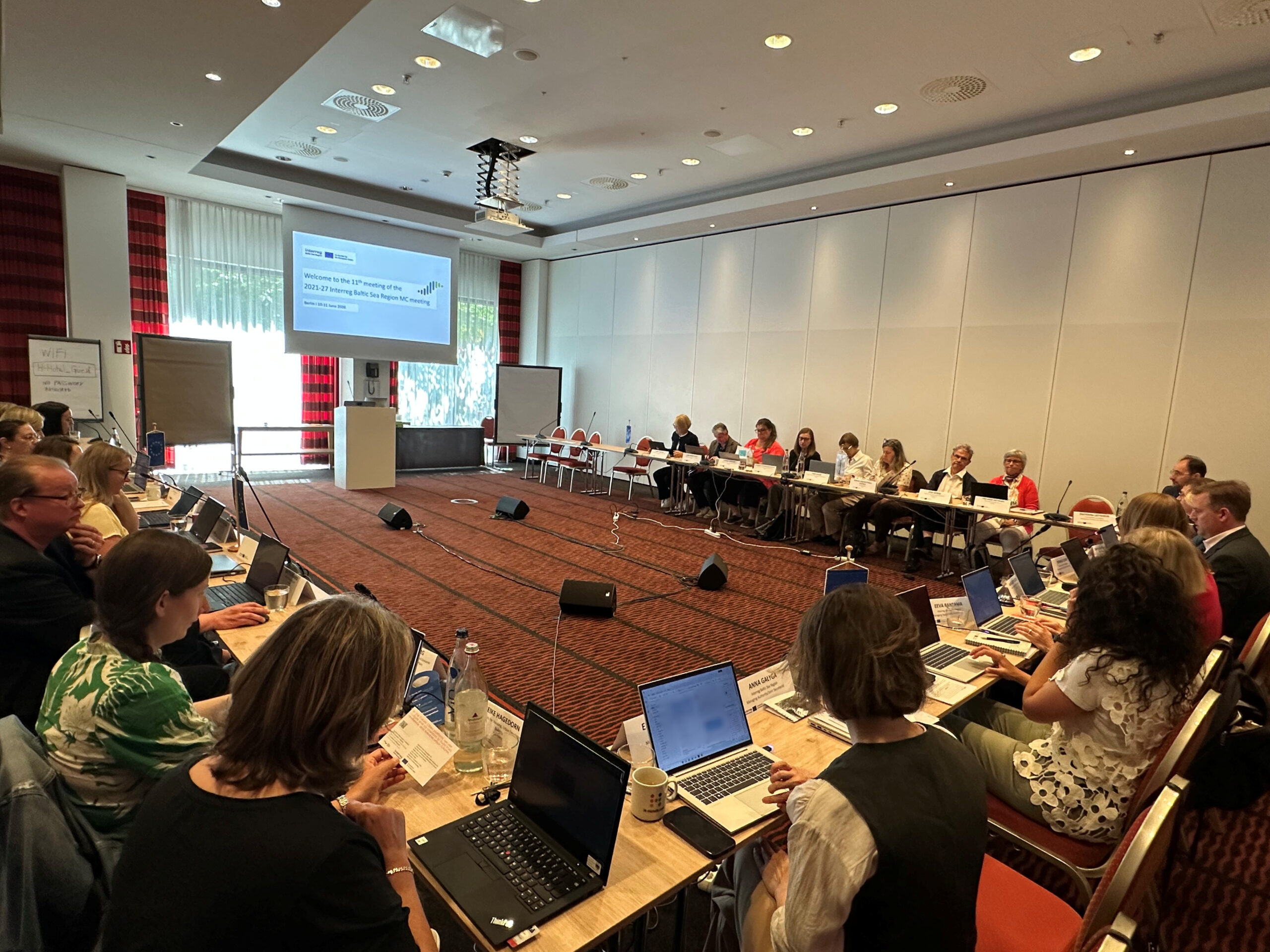
While the current Interreg Baltic Sea Region Programme is delivering results across the region, preparations for the next Programme are already gaining momentum. This dual focus was at the heart of the Monitoring Committee meeting held in Berlin on 9–10 June 2026.
Full speed ahead
The Programme is now operating at full capacity. The available funds have been allocated, and the contracting process for 28 small projects and five project platforms is entering its final stage.
Representatives of all Programme countries gathered in Berlin for the 11th Monitoring Committee meeting. The meeting was chaired by Margarita Golovko from the Estonian Ministry of Regional Affairs and Agriculture. The Committee reviewed the progress of ongoing projects and took stock of completed and soon-to-be-finalised projects. Together, these projects demonstrate how Interreg across the Baltic Sea region is building more innovative, water-smart and climate-neutral societies.
Countries also discussed preliminary inputs from the ongoing mid-term evaluation, which examines the Programme’s performance from multiple angles, including the relevance of the Programme thematic topics, durability of projects, new project features and implementation tools, Programme support to EUSBSR governance as well as the communication activities.
Into the future
While the future EU legal framework is still underway, the Committee is advancing with the preparations for the next Interreg Baltic Sea Region Programme. Karolina Jasinska-Mühleck from the European Commission joined the meeting and provided valuable input to the debate.
One of the topics discussed was the Programme’s core values statement. The Committee reaffirmed the Interreg Baltic Sea Region’s mission as a capacity-building and knowledge-sharing instrument, firmly rooted in the needs of the Baltic Sea region, and committed to delivering practical solutions and long-term impact. The statement will continue to evolve as the overall Programme design process progresses.
Among other things, the Committee also looked into the emerging blocks of needs that will help shape the future Programme. To further refine them and determine where transnational cooperation can bring the greatest added value, members considered additional input gathered through national sub-committees, ensuring that the identified needs are being examined from multiple perspectives and grounded in the realities of the region.
Testing ideas with the region
In fact, spring offered valuable opportunities to discuss these emerging needs with actors beyond the Programme.
At the BSSSC Day of Cities and Regions, representatives of cities, regions, EUSBSR actors, youth and others reflected on the identified needs from a practical perspective. Their feedback confirmed the identified directions and helped translate these broad ideas into more concrete challenges and opportunities in the region.
At the Annual Forum of the EU Strategy for the Baltic Sea Region, participants further explored the added value of Interreg transnational cooperation, providing examples particularly in areas of building community resilience, crisis preparedness, and maritime safety.
Together with previous work done by the Committee, all these discussions have validated the directions taken and four blocks of needs identified so far:
- Resilience and security
- Liveability of territories
- Clean waters and blue economy
- Resource efficiency and climate
In connection with the discussion of the region’s needs, the countries also had a first reflection on the Programme’s role in supporting the EU’s eastern border regions, which cover a major part of the Programme area. It was agreed to take up this topic in a thorough discussion in the autumn.
Further, the Committee discussed the latest developments regarding the so-called performance-based approach, which is expected to have a significant influence on Programme implementation.
Next steps
After the summer, work will continue on shaping the future Programme. An important next step will be the territorial analysis, which will combine statistical evidence, analytical studies, and strategic documents related to the Baltic Sea region. Together, these sources will provide a solid evidence base to validate and further refine the needs identified so far, and translate them into future thematic framework. Additional insights are expected from the ongoing Programme mid-term evaluation.
Another important part of the process is involving external actors in shaping the Programme. Through a dedicated engagement process, organisations and communities from across the region are invited to help ensure that the future Programme responds to real needs on the ground. Planned exchanges still this year will include, among others, actors involved in the EU Strategy for the Baltic Sea Region and the Union of the Baltic Cities – Sustainable Cities Commission.
The next milestones in developing the future Programme will bring the Monitoring Committee meeting in November. In the meantime, follow the developments and stay tuned for opportunities to contribute and co-create!
#DidYouKnow
Interesting in following and co-creating next steps in shaping the future Interreg Baltic Sea Region Programme? Explore this section of the portal to get all-you-need-to-know in one place!
More recent news
Continuing the dialogue with the EUSBSR on future transnational cooperation
What should Interreg Baltic Sea Region, as a transnational cooperation programme, address after 2027? As work on the future Programme progresses, dialogue with regional stakeholders helps us further develop the cooperation needs identified by the Programme countries. The EUSBSR is of particular importance in this process, bringing the macro-regional strategic perspective and helping to ensure that future cooperation needs are firmly rooted in the updated EUSBSR Action Plan and its implementation. The opening of the Danish EUSBSR Presidency provided a timely opportunity to bring this perspective into the ongoing Programme development dialogue.
This September take Cooperation Further!
On 21 September, Interreg Cooperation Day brings projects across Europe out of the meeting room and into the streets. Here’s how your project can join in, and why it’s worth the effort.
Getting ready to turn ideas into action, new small projects gather in Kiel
25 June 2026 Getting ready to turn ideas into action, new small projects gather in Kiel Written by Anna ZaccaroBefore new projects can create...
High five: new project platforms onboard!
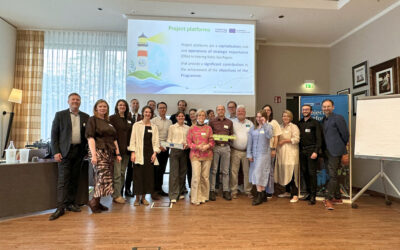
Five strong transnational partnerships, five strategic topics addressed, and endless opportunities to showcase the power of Interreg: the new project platforms, designated as Operations of Strategic Importance, met for their kick-off meeting in Berlin on 9 June.