





1 June 2026
Designing the future Programme, together with cities and regions!
Written by Anna Gałyga
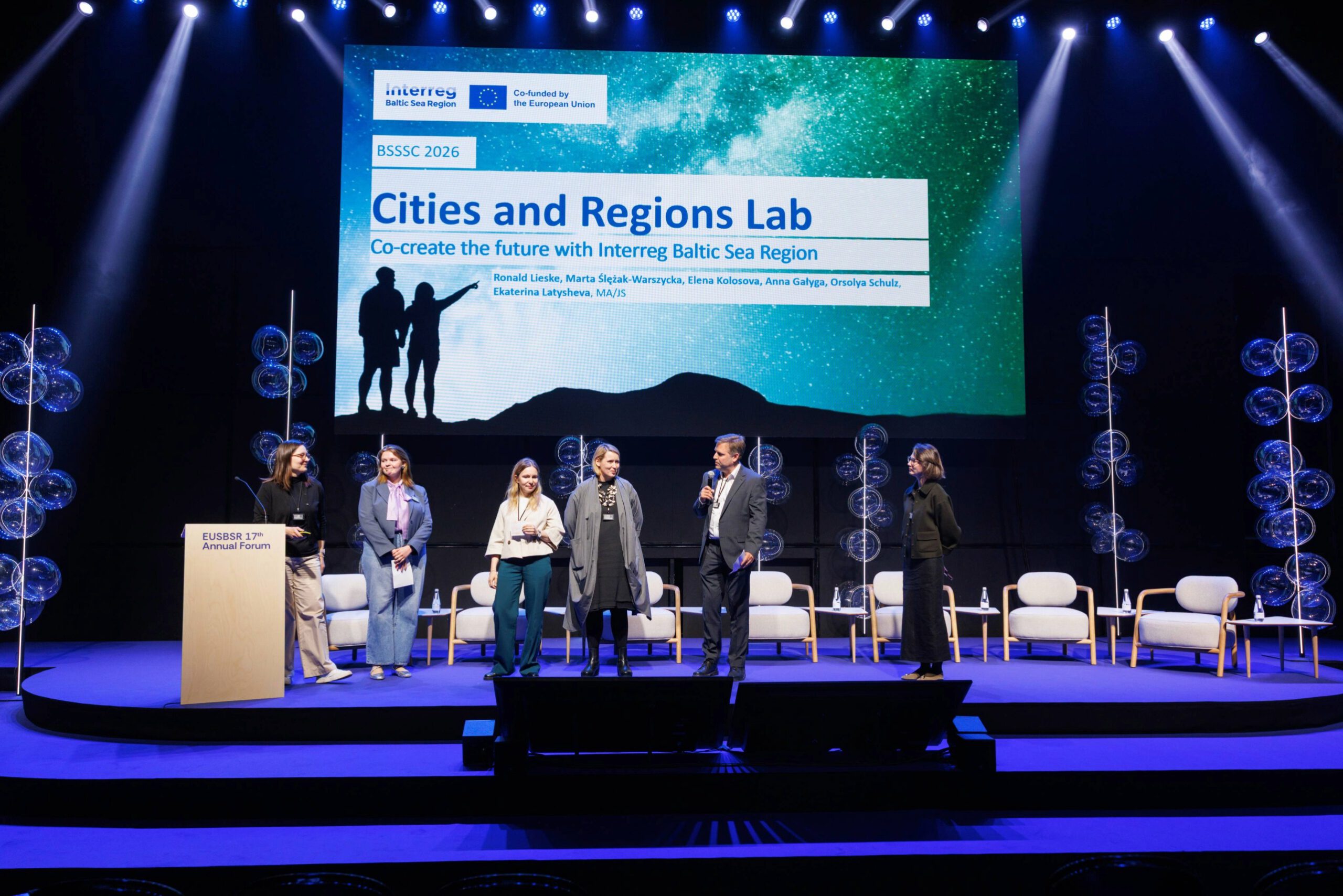
Tallinn, 11 May, may have appeared in many calendars simply as “BSSSC Day of Regions and Cities”. In reality, the day marked an important moment in shaping the future of the Interreg Baltic Sea Region Programme. What made it special? Cities and regions took centre stage!
Cities and regions in the spotlight
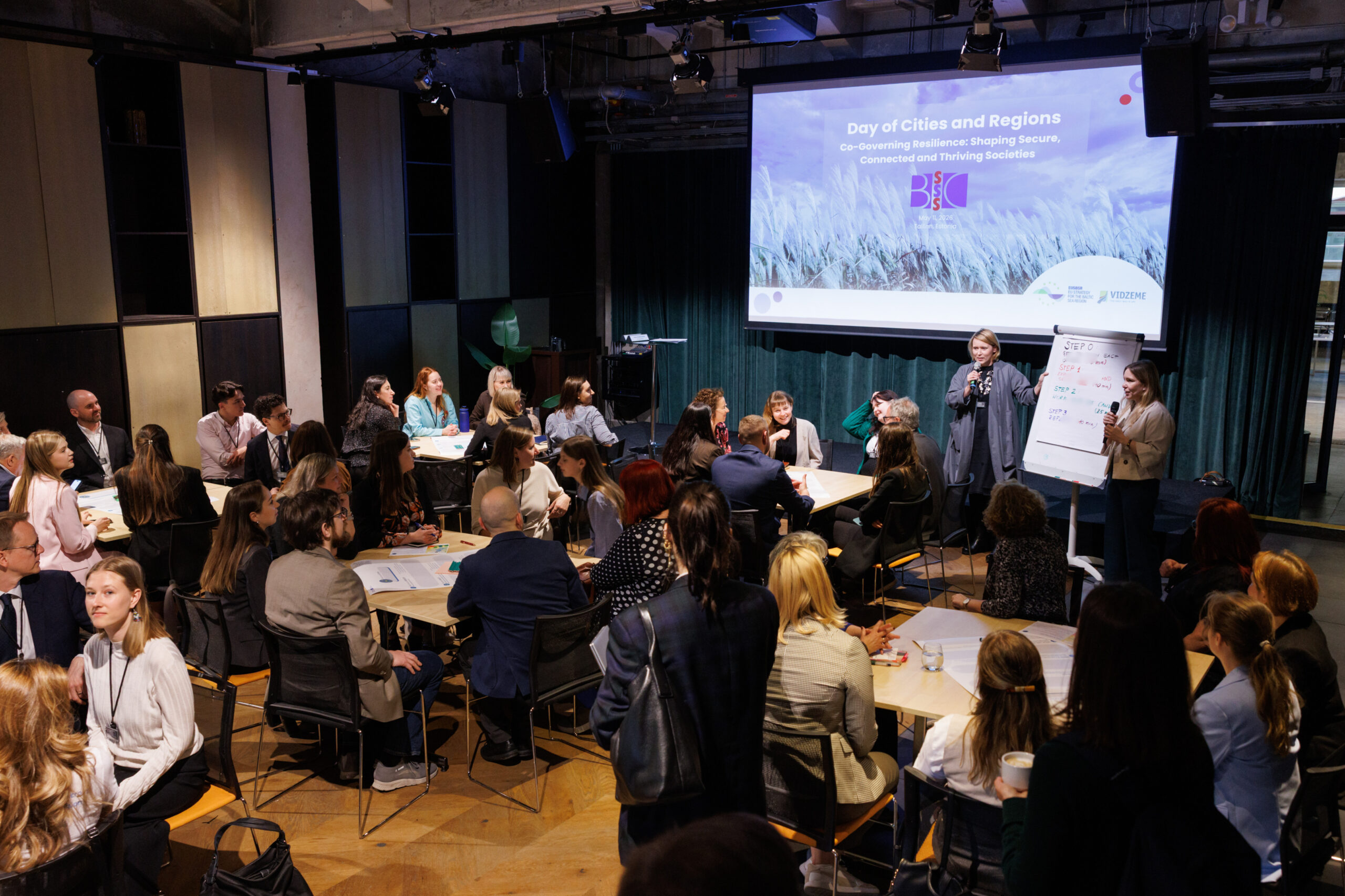
Organised by the Baltic Sea States Subregional Cooperation (BSSSC) back-to-back with the Annual Forum of the EU Strategy for the Baltic Sea Region (EUSBSR), the Day of Cities and Regions brought together regional leaders, mayors, policymakers, Interreg beneficiaries, young people and many others from across the Baltic Sea region. Together, they explored what it takes to build a secure, connected, and thriving region, and how resilience can be jointly shaped across borders.
Interreg lab in action
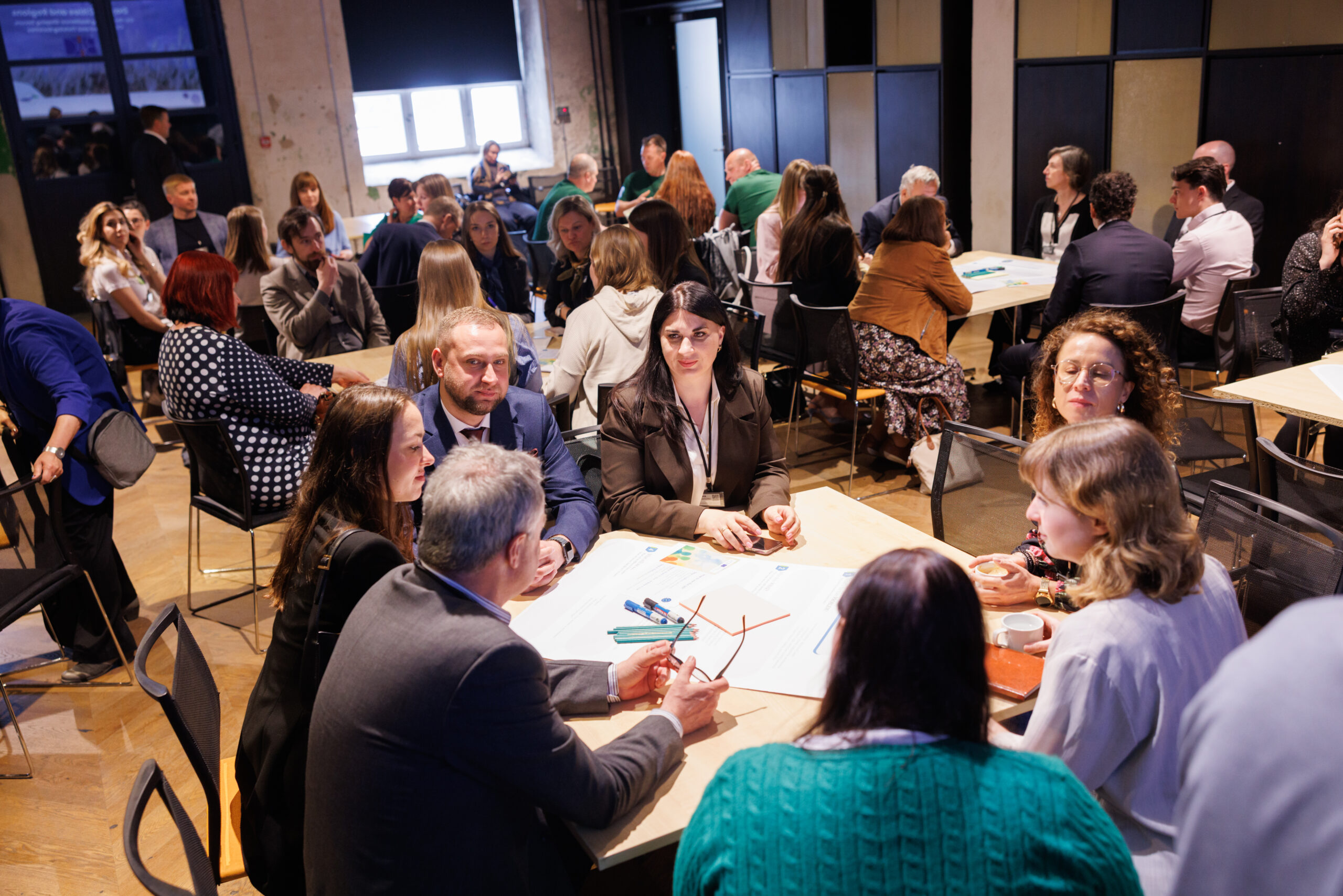
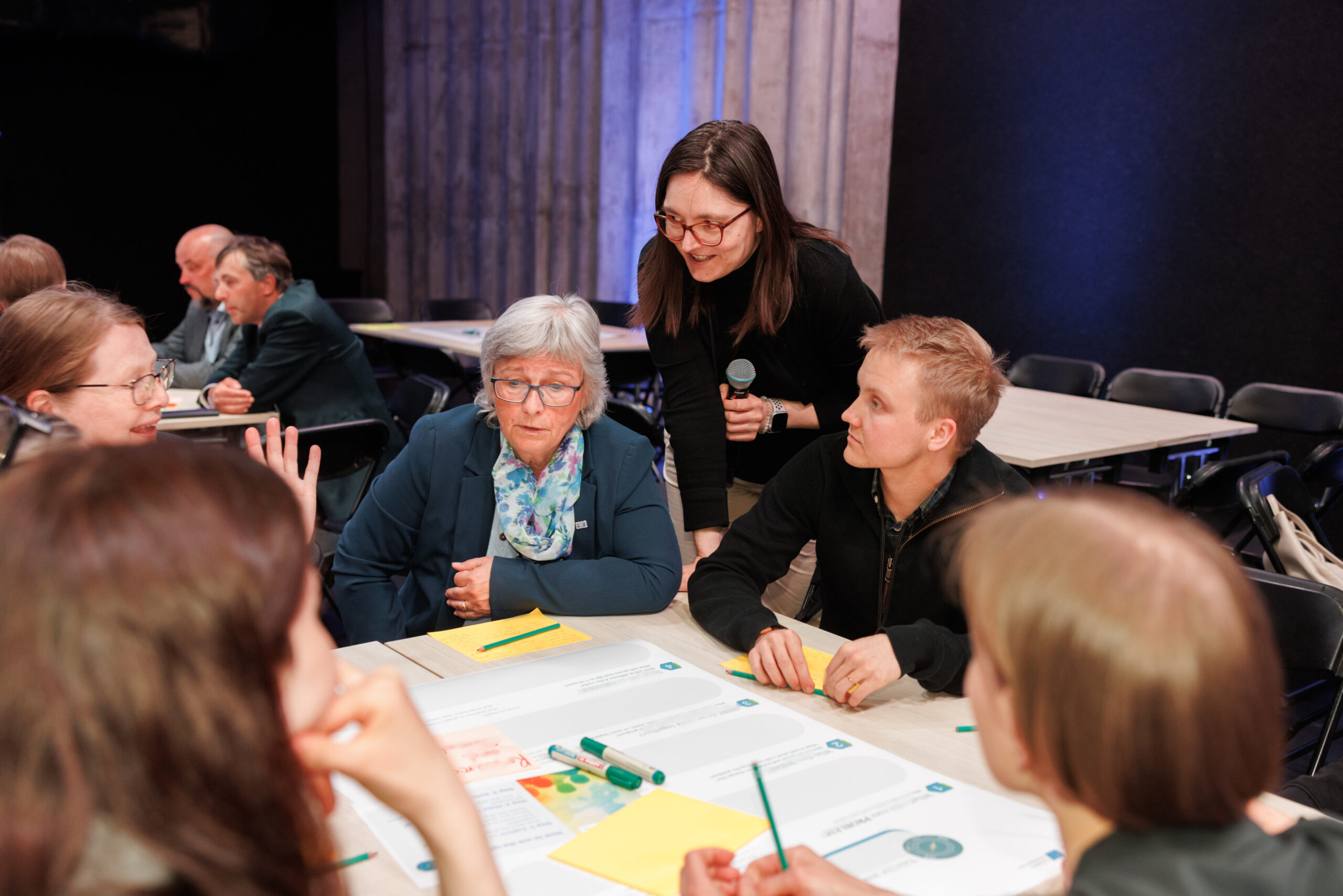
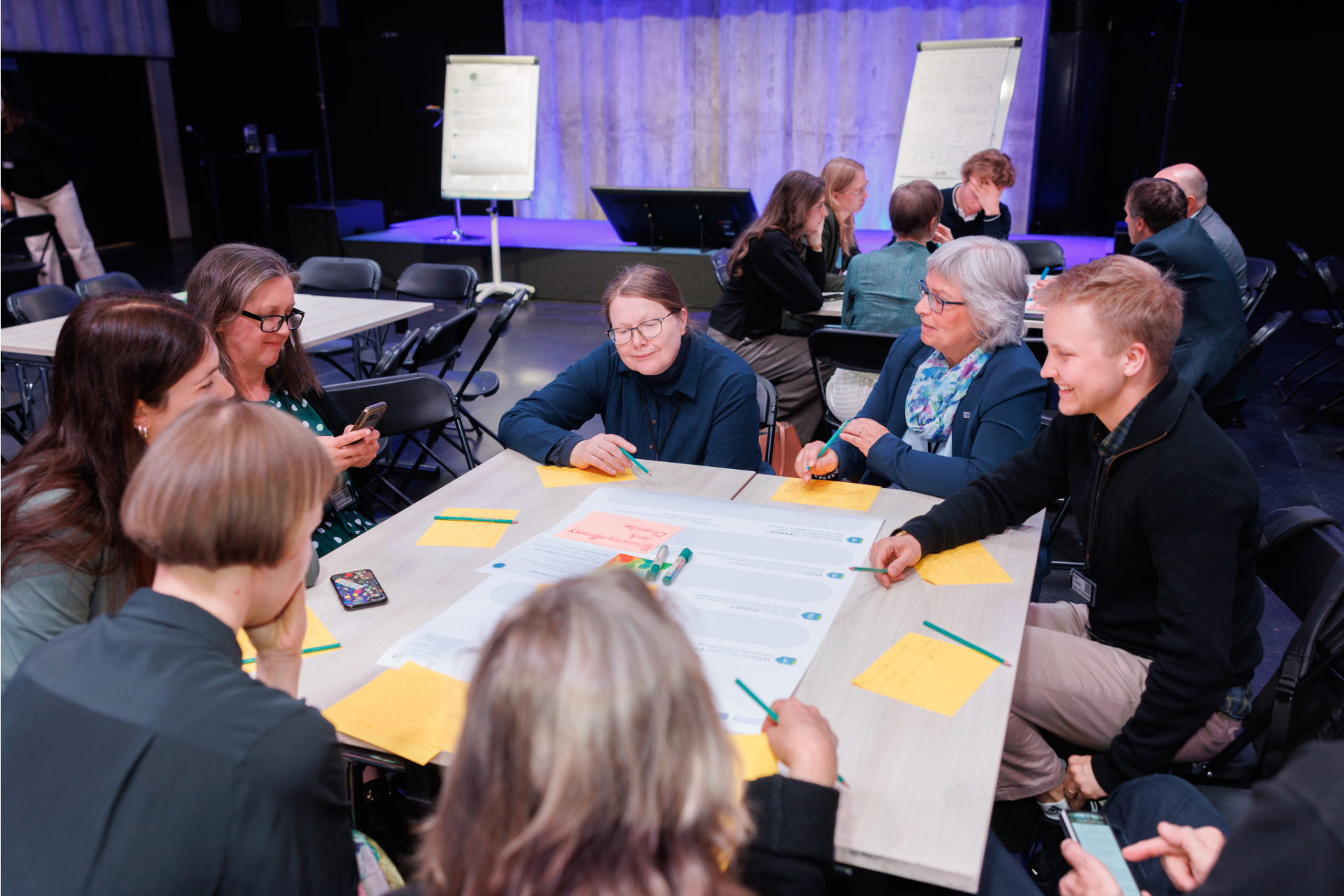
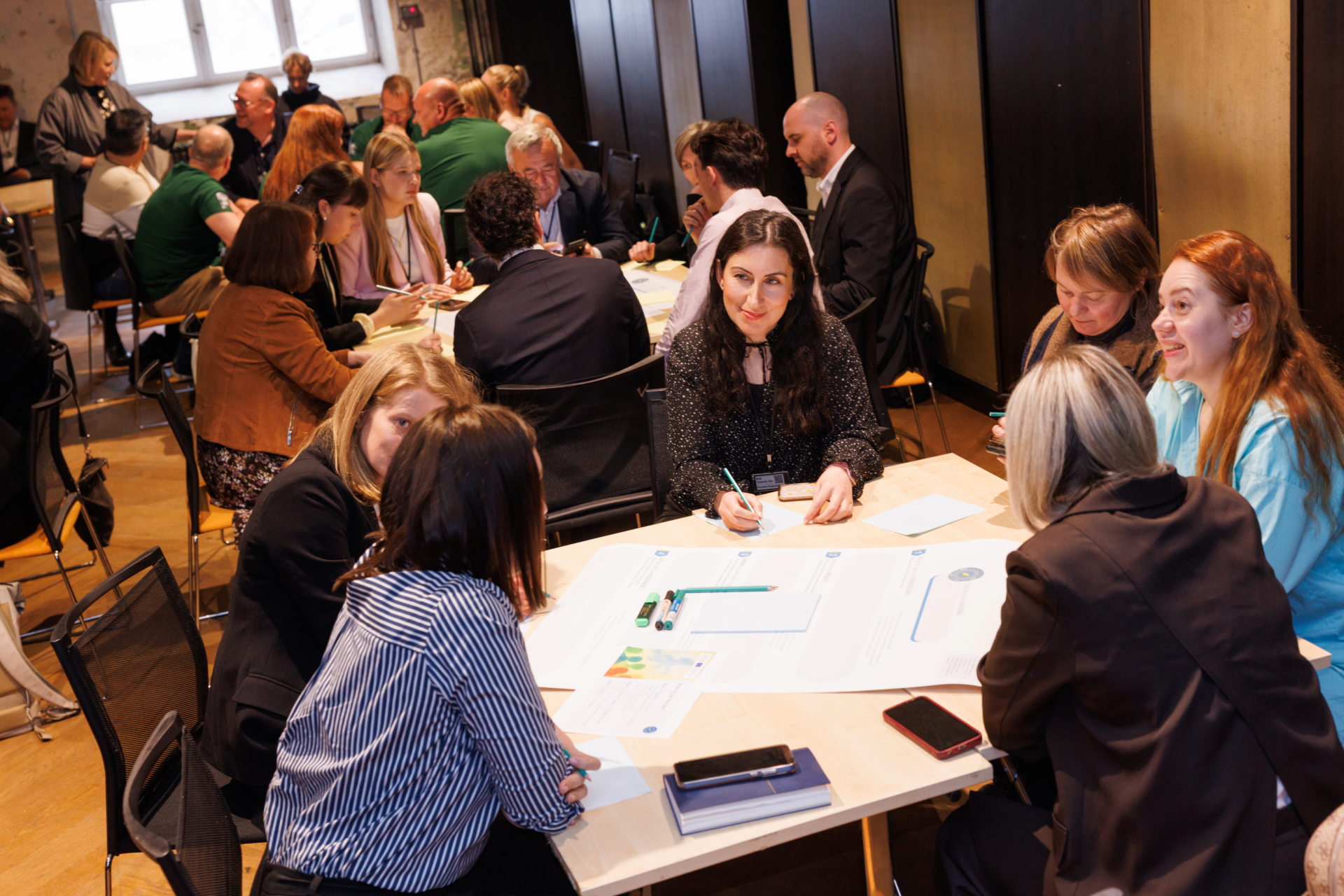
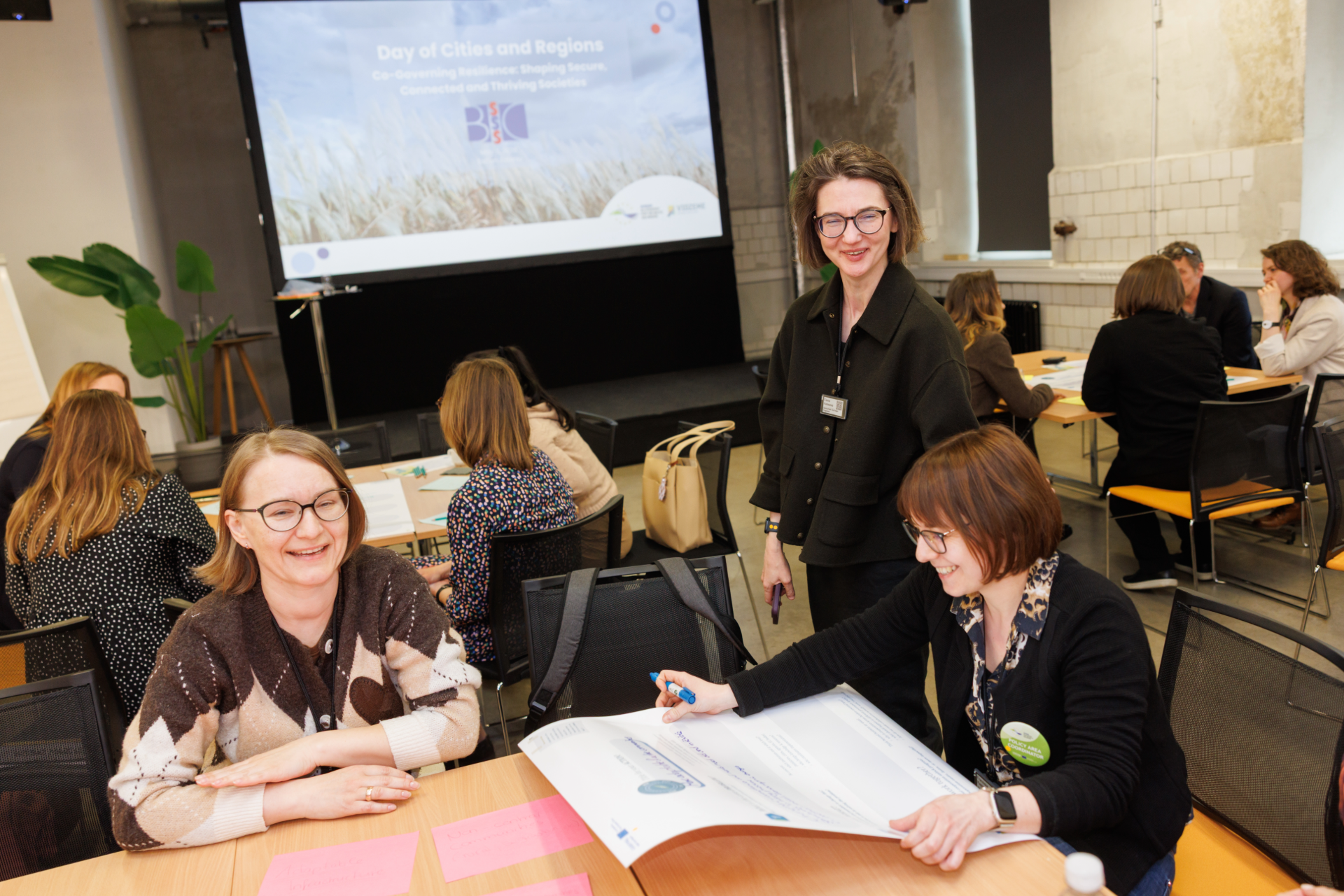
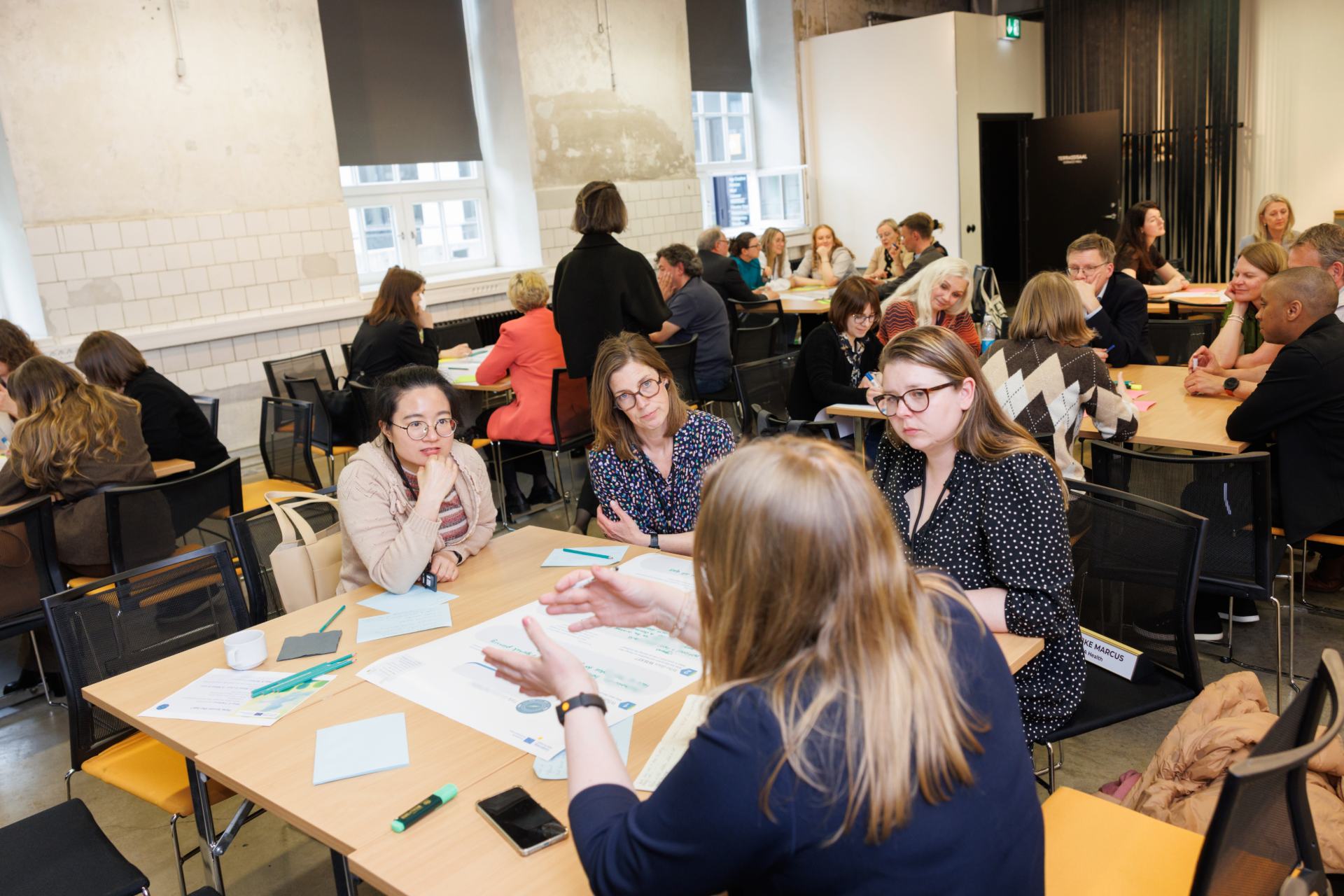
As part of the event, participants were invited to an interactive lab designed to explore the needs where Interreg transnational cooperation can make the greatest difference for cities and regions around the Baltic Sea. The atmosphere in the rooms quickly became dynamic, with lively exchanges of ideas and experiences.
The exchanges focused on four broad areas of needs: resilience and security; liveability of territories; clean waters and blue economy; and resource efficiency and climate. These areas had already been identified by the Programme’s Monitoring Committee members as important for the future Interreg Programme. Now, this overview was presented to a wider circle of people – from EUSBSR representatives and policymakers to practitioners from cities and regions, including those from Ukraine, as well as young people.
Working in groups, participants explored the needs they considered particularly important for the region’s future and reflected on how they could be addressed through transnational cooperation in more practical terms. They discussed the roles different organisations at different governance levels could play. The conversations also focused on the kind of change or outcomes such cooperation could realistically bring to the Baltic Sea region.
Overall, the discussions highlighted where Interreg transnational cooperation can add the greatest value in responding to shared regional challenges and confirmed that the emerging directions for the future Programme are closely aligned with the needs and expectations across the Baltic Sea region, providing a strong basis for further discussions.
Click on the picture to open the photo gallery
What happens next?
The session contributed to a valuable dialogue among people at all governance levels: those who run, are involved in and benefit from the Interreg transnational cooperation. This kind of exchange is one of the cornerstones of building a Programme that reflects the region’s real needs as closely as possible. The ideas and reflections captured during the session will now be brought together into a more structured input for the Programme’s Monitoring Committee members.
Importantly, this was only one step in the process. To shape a Programme that is truly rooted in the region’s needs and aspirations, the process must continue to be co-created and tested with people on the ground. More opportunities to contribute and share perspectives will follow in the months ahead.
Stay tuned and have your say in shaping the future Interreg Baltic Sea Region Programme!
Don’t miss these links
More recent news
Continuing the dialogue with the EUSBSR on future transnational cooperation
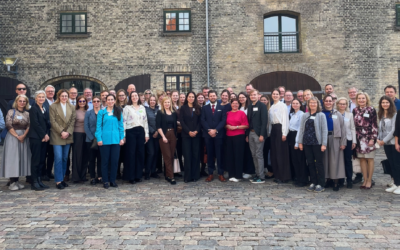
What should Interreg Baltic Sea Region, as a transnational cooperation programme, address after 2027? As work on the future Programme progresses, dialogue with regional stakeholders helps us further develop the cooperation needs identified by the Programme countries. The EUSBSR is of particular importance in this process, bringing the macro-regional strategic perspective and helping to ensure that future cooperation needs are firmly rooted in the updated EUSBSR Action Plan and its implementation. The opening of the Danish EUSBSR Presidency provided a timely opportunity to bring this perspective into the ongoing Programme development dialogue.
This September take Cooperation Further!
On 21 September, Interreg Cooperation Day brings projects across Europe out of the meeting room and into the streets. Here’s how your project can join in, and why it’s worth the effort.
Getting ready to turn ideas into action, new small projects gather in Kiel
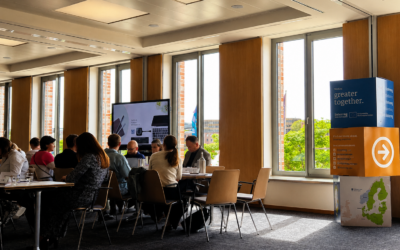
25 June 2026 Getting ready to turn ideas into action, new small projects gather in Kiel Written by Anna ZaccaroBefore new projects can create...
From achievements to ambitions: shaping the future Interreg Baltic Sea Region
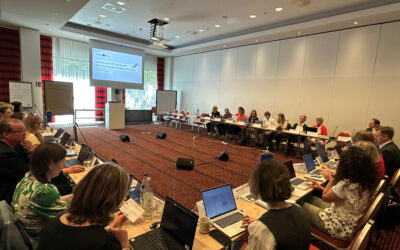
While the current Interreg Baltic Sea Region Programme is delivering results across the region, preparations for the next Programme are already gaining momentum. This dual focus was at the heart of the Monitoring Committee meeting held in Berlin on 9–10 June 2026.