




25 June 2026
Getting ready to turn ideas into action, new small projects gather in Kiel
Written by Anna Zaccaro
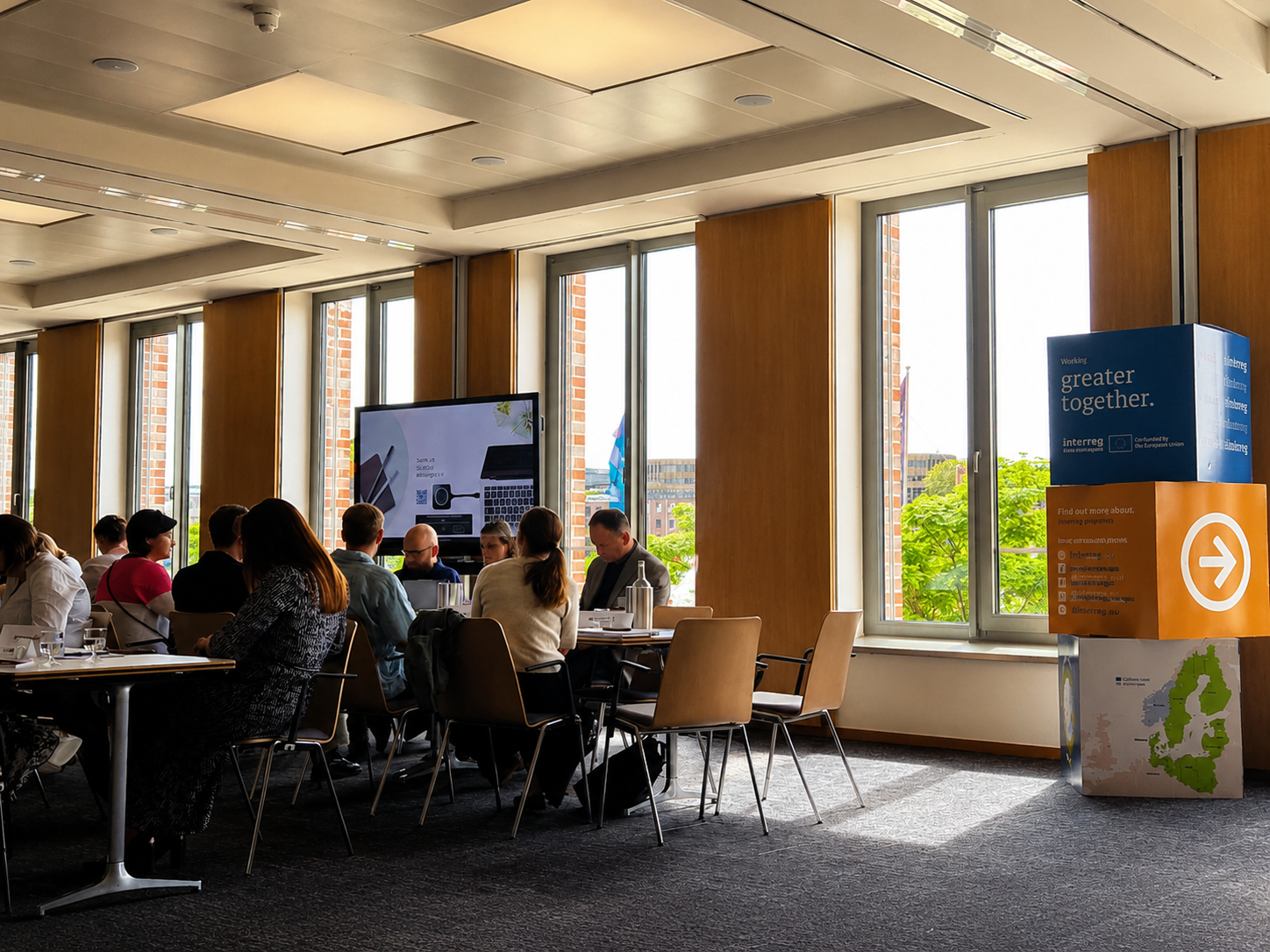
Before new projects can create change, they need a strong foundation. At the Lead Partner Seminar in Kiel, the newest Interreg Baltic Sea Region projects came together to gain practical guidance, connect with peers and prepare for the work ahead.
Every project starts with an idea. Turning that idea into concrete results, however, requires much more than enthusiasm alone.
This was the starting point of the Lead Partner Seminar in Kiel, where representatives of the newly approved projects from Interreg Baltic Sea Region’s third call for small projects came together for the first time. As the final projects to join the Programme in the 2021–2027 period, they are now beginning their journey from approved applications to practical across-border cooperation.
The seminar was designed to give project teams the knowledge and confidence needed for that first step. While European funding opens up valuable opportunities for organisations to work together on shared challenges, project implementation also comes with responsibilities. Reporting, financial management, communication requirements, and cross-country cooperation all require careful planning from the very beginning.
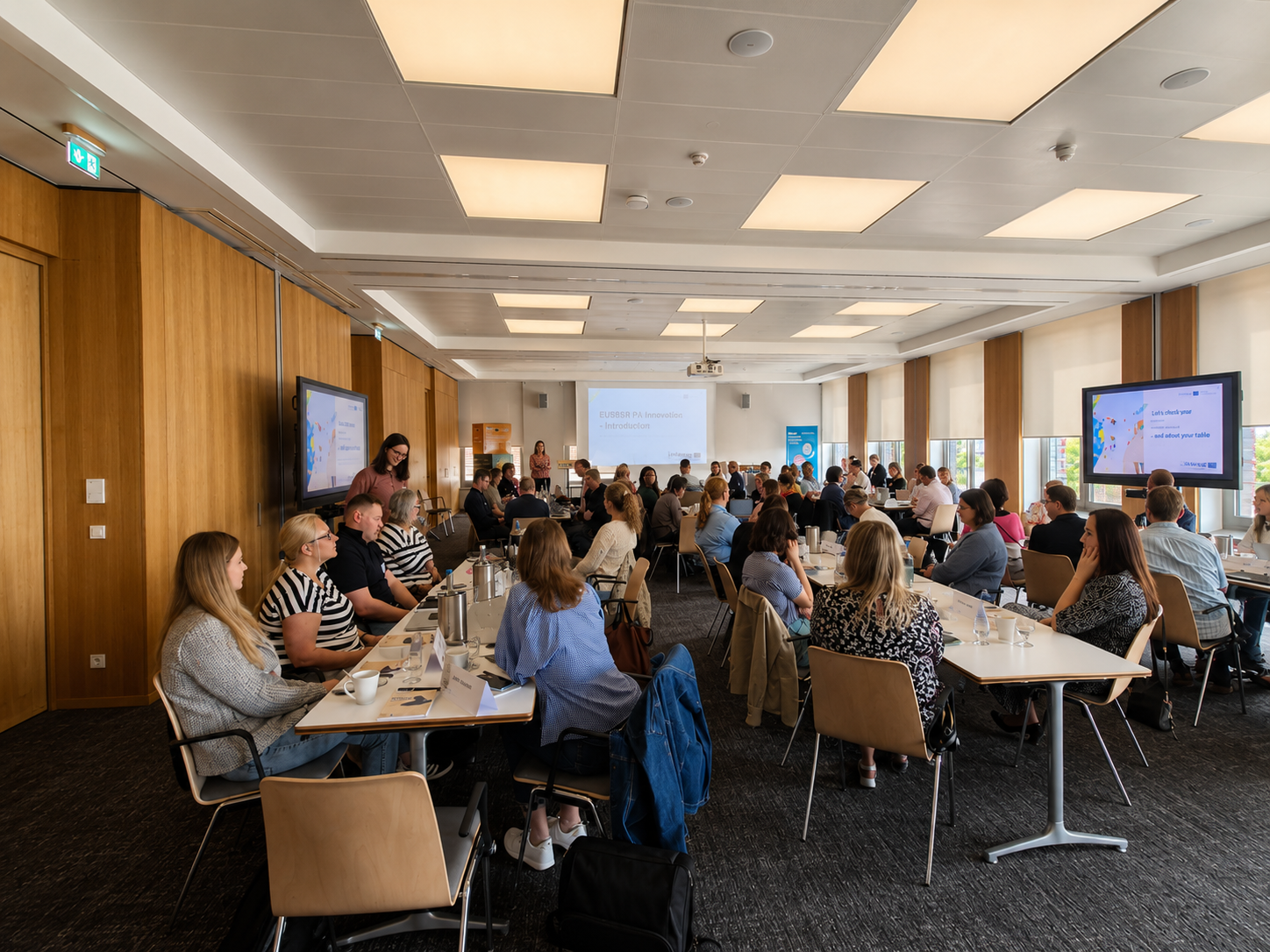
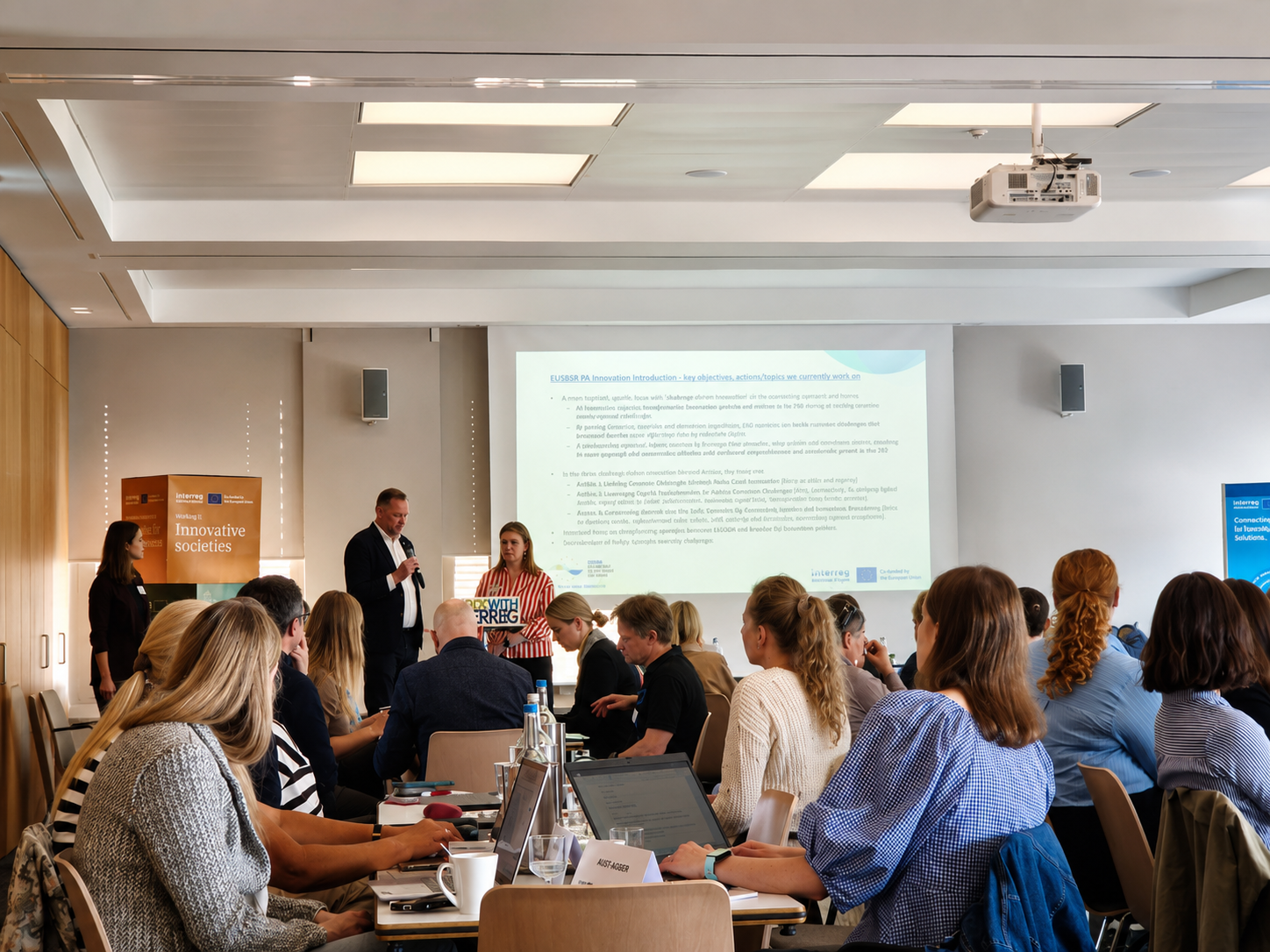
During the seminar, lead partners and project representatives worked through the practical aspects of implementation together, discussed common questions and exchanged experiences with fellow projects. The aim was simple: help projects start on solid ground and focus their energy on delivering results rather than navigating uncertainties later on.
Click to open the photo gallery
Addressing today’s challenges across the Baltic Sea Region
The projects arriving in Kiel showed just how diverse the challenges facing the Baltic Sea Region are today.
Several projects will focus on strengthening resilience in communities and public services. They will address topics such as protecting cultural heritage from climate-related risks, improving preparedness for environmental threats, strengthening democratic participation among young people and exploring new approaches to healthcare in rural areas.
Others will work on making everyday life more inclusive and accessible. Their activities range from improving school food environments and reducing food waste to creating more welcoming public services for neurodiverse people and developing transport solutions that better meet the needs of vulnerable groups. Rural development is another strong theme among the new projects. Across the region, project partners will explore how local traditions, tourism, mobility and community spaces can create new opportunities for residents and help smaller communities remain vibrant places to live and work.
Taken together, the projects reflect many of the issues currently shaping discussions across Europe: resilience, competitiveness, inclusion, preparedness and sustainable growth. While the topics differ, they all share a common approach: finding practical solutions through cooperation among organisations facing similar challenges across the Baltic Sea Region.
They arrived in Kiel with approved applications and detailed work plans, and they left with a clearer understanding of how to put those plans into practice, supported by a network of fellow projects facing similar challenges across the region.
Don’t miss these links
More recent news
Continuing the dialogue with the EUSBSR on future transnational cooperation
What should Interreg Baltic Sea Region, as a transnational cooperation programme, address after 2027? As work on the future Programme progresses, dialogue with regional stakeholders helps us further develop the cooperation needs identified by the Programme countries. The EUSBSR is of particular importance in this process, bringing the macro-regional strategic perspective and helping to ensure that future cooperation needs are firmly rooted in the updated EUSBSR Action Plan and its implementation. The opening of the Danish EUSBSR Presidency provided a timely opportunity to bring this perspective into the ongoing Programme development dialogue.
This September take Cooperation Further!
On 21 September, Interreg Cooperation Day brings projects across Europe out of the meeting room and into the streets. Here’s how your project can join in, and why it’s worth the effort.
From achievements to ambitions: shaping the future Interreg Baltic Sea Region
While the current Interreg Baltic Sea Region Programme is delivering results across the region, preparations for the next Programme are already gaining momentum. This dual focus was at the heart of the Monitoring Committee meeting held in Berlin on 9–10 June 2026.
High five: new project platforms onboard!
Five strong transnational partnerships, five strategic topics addressed, and endless opportunities to showcase the power of Interreg: the new project platforms, designated as Operations of Strategic Importance, met for their kick-off meeting in Berlin on 9 June.