




10 December 2024
23 ideas on how to build synergies: project platforms in the making!
Written by Anna Gałyga
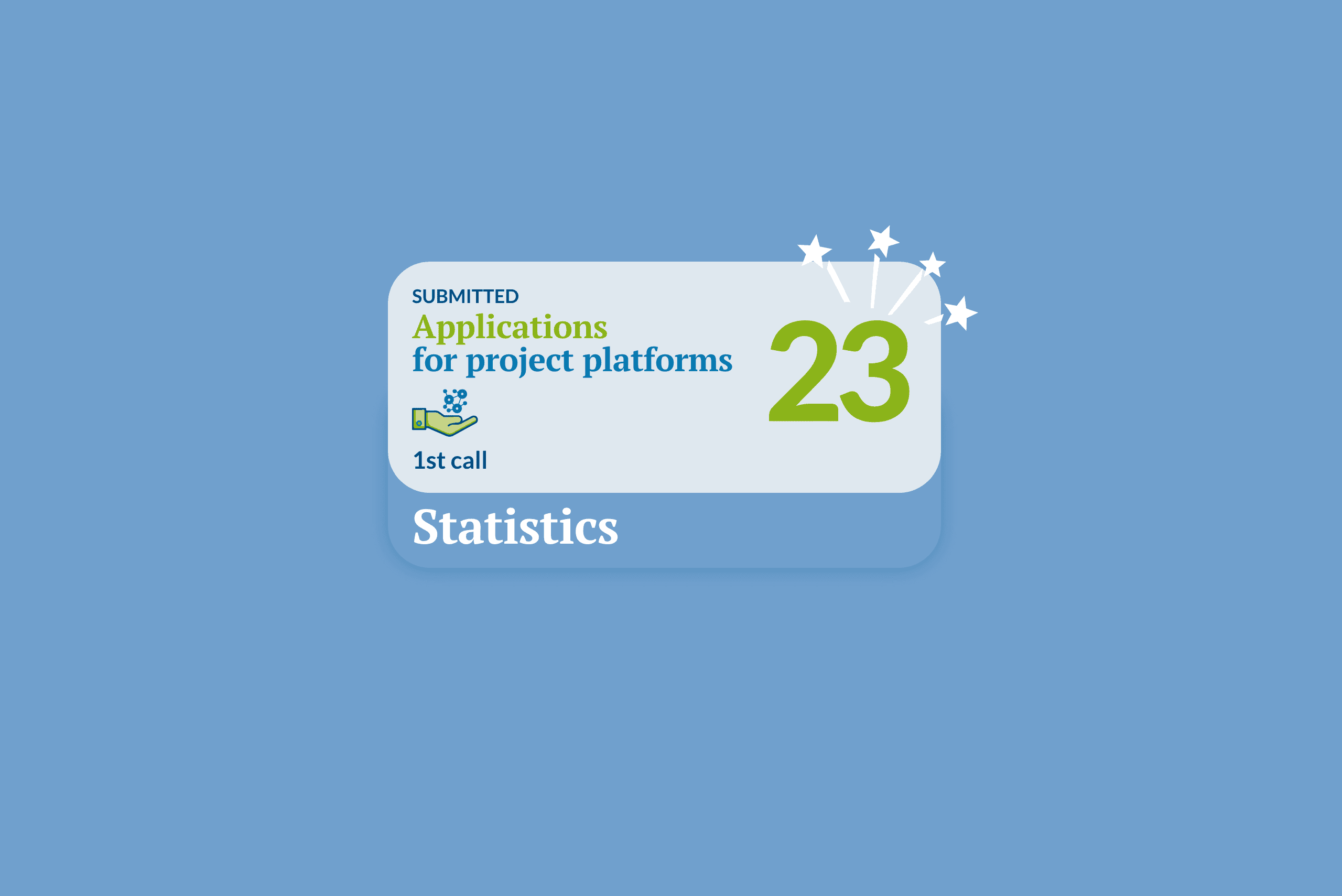
From singular projects to elevated and strategic project platforms: Interreg Baltic Sea Region started its strong capitalisation chapter and welcomed the first 23 applications for project platforms!
Capitalisation at its best!
The first call for project platform applications attracted high interest among the applicants, proving that project partners are dedicated to building on project results and bringing them to a higher level. In fact, project platforms are the Programme’s main capitalisation tool that will consolidate project results from Interreg Baltic Sea Region and other funds, shape policies and boost knowledge transfer. Labelled as Operations of Strategic Importance (OSI), they will demonstrate how synergies can lead to a higher impact!
Looking at the applications, the project platforms bring together results from over 250 projects from the EU and other funding programmes. Close to 90 projects are part of Interreg Baltic Sea Region family. The next biggest group are projects from the Horizon Europe Programme. Our Interreg neighbours in the Baltic Sea region also bring in many projects, especially from Interreg South Baltic and Interreg Central Baltic.
Strategic topics tackled by applicants
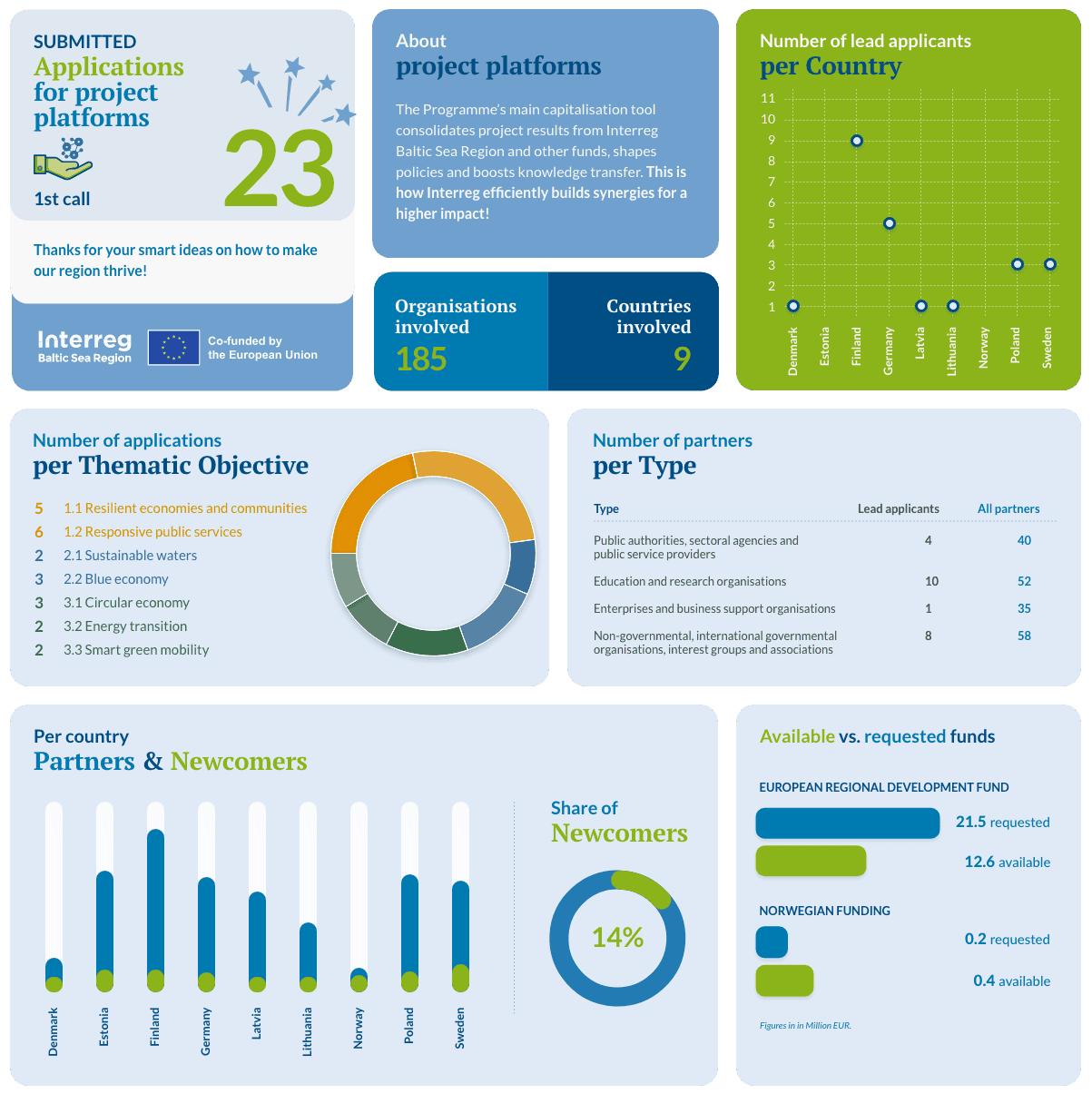
Project platform applications contribute to all Programme objectives, with Resilient economies and communities (5) and Responsive public services (6) attracting the highest interest. The coverage of all the remaining programme objectives is very much balanced.
Most project platforms plan to capitalise on the projects’ results and integrate them into policy development. The partners of the project platforms plan to work closely with the coordinators of the EU Strategy for the Baltic Sea Region, especially in policy areas Innovation, Nutri, Hazards, Bioeconomy, Energy, Ship, Transport, Culture, Tourism, Health and Spatial Planning.
The profile of applicants
185 applicants come from all nine Programme area countries. The majority of applicants represent research and educational organisations, as well as an array of non-governmental, international, and other associations. A strong representation of public authorities complements this picture. 14% of applicants indicated their journey with Interreg is new.
The characteristics of lead partner organisations follow a very similar scheme regarding the types of organisations they represent. The highest number of lead partner organisations originate from Finland and Germany. Several lead applicant organisations come from Poland and Sweden. We also welcomed lead applicants from Denmark, Latvia, and Lithuania.
Next steps
The applicants requested EUR 21.5 million from the European Regional Development Fund out of EUR 12.6 million available. Now, the admissibility check and thorough assessment process will follow. The best project platform ideas will be selected in March 2025, when the next meeting of the Monitoring Committee takes place.
We keep our fingers crossed for the best applications to win! At the same time, we appreciate all the efforts the applicants invested in building synergies across projects and funds.
More recent news
Continuing the dialogue with the EUSBSR on future transnational cooperation
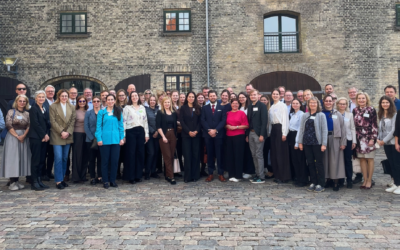
What should Interreg Baltic Sea Region, as a transnational cooperation programme, address after 2027? As work on the future Programme progresses, dialogue with regional stakeholders helps us further develop the cooperation needs identified by the Programme countries. The EUSBSR is of particular importance in this process, bringing the macro-regional strategic perspective and helping to ensure that future cooperation needs are firmly rooted in the updated EUSBSR Action Plan and its implementation. The opening of the Danish EUSBSR Presidency provided a timely opportunity to bring this perspective into the ongoing Programme development dialogue.
This September take Cooperation Further!
On 21 September, Interreg Cooperation Day brings projects across Europe out of the meeting room and into the streets. Here’s how your project can join in, and why it’s worth the effort.
Getting ready to turn ideas into action, new small projects gather in Kiel
25 June 2026 Getting ready to turn ideas into action, new small projects gather in Kiel Written by Anna ZaccaroBefore new projects can create...
From achievements to ambitions: shaping the future Interreg Baltic Sea Region
While the current Interreg Baltic Sea Region Programme is delivering results across the region, preparations for the next Programme are already gaining momentum. This dual focus was at the heart of the Monitoring Committee meeting held in Berlin on 9–10 June 2026.