




From plans to decisions: Baltic cities learn to test, measure and make the changes
13 October 2026
For a city planner, adopting a Sustainable Urban Mobility Plan (SUMP) is just the beginning. The harder questions come next: What is changing? Is a measure working? What can the city realistically measure, and how will the results shape its next decision?
These questions are especially difficult for smaller municipalities with limited staff and fragmented data. Co-funded by Interreg Baltic Sea Region, SUMPs for BSR brought together eight partners from seven countries to connect urban mobility planning with practical testing, monitoring and peer learning.
In Panevėžys, Lithuania, the city worked with ten schools, installing bicycle and scooter racks, running student campaigns and monitoring travel patterns. The activities helped staff understand infrastructure use and identify gaps in existing mobility data. “By monitoring, we gather data that informs our decision-making process”, explains Indrė Juodikė, chief project specialist in Panevėžys.
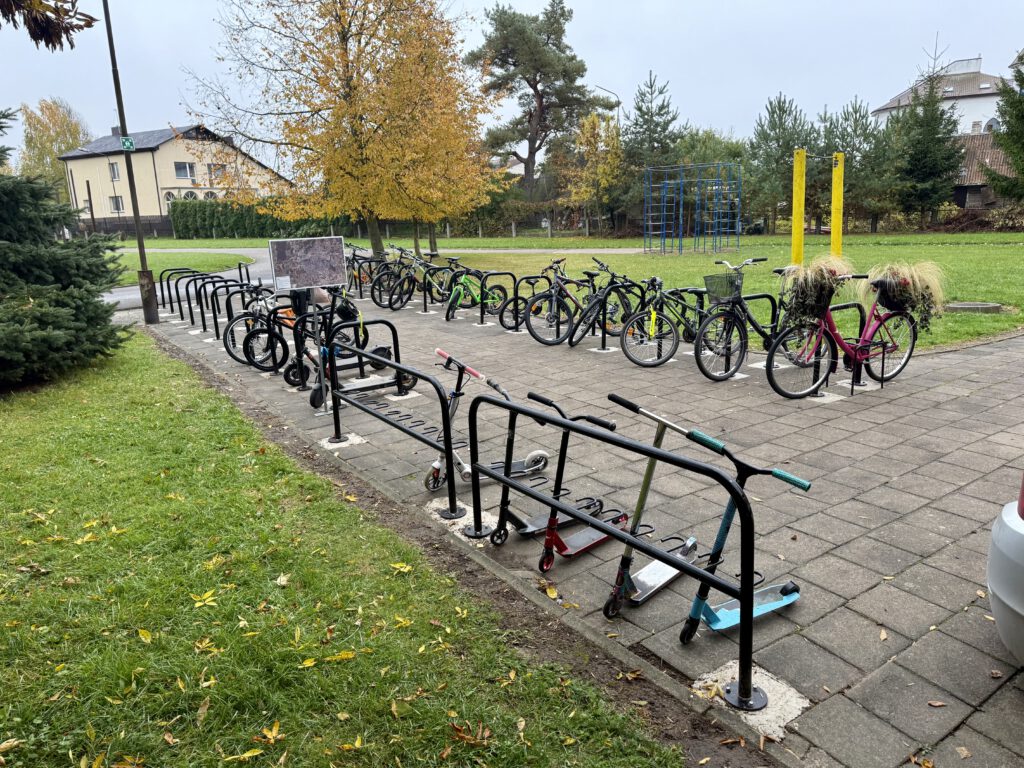
Installed bicycle and scooter racks at pilot schools. Photo: Panevėžys city municipality administration.
In Gävle, Sweden, a digital campaign encouraged employees to replace short car trips with walking and cycling. Its effect on travel behaviour was modest, but the experiment revealed the limits of using an app on its own. The city learned that incentives and employer engagement matter, too. Not every experiment has to produce a large behavioural change to offer useful lessons.
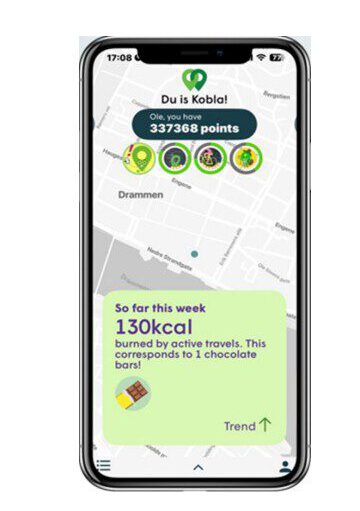
A digital application to track daily commuting. Photo: City of Gävle.
Cēsis, Latvia, tested temporary cycle lanes and installed roofed bicycle sheds, involving residents in the process. Separately, six AI-supported cameras collected the town’s first consistent dataset on active mobility, giving planners a clearer picture of how people move through different neighbourhoods. These experiences showed how small-scale tests and better data can complement each other.
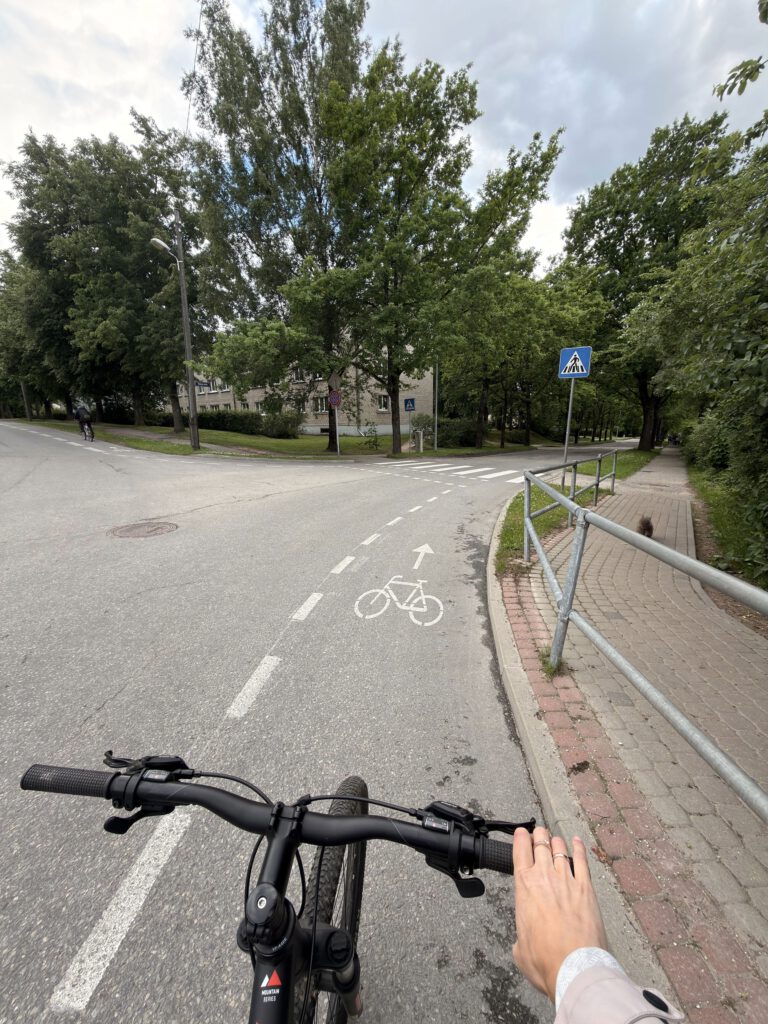
Temporary bicycle lane on Raiņa/Zvirbuļa street. Photo: Cēsis municipality.
Partners used lessons from their local work to co-develop shared resources other cities can use: a Monitoring and Evaluation Framework with a M&E Plan Template and Indicator Selector Tool, a model for small-scale mobility experiments and guidance from six active-mode data-collection pilots. A five-module online training programme and the SUMP Clinic, offering tailored support to five cities helped make this knowledge accessible beyond the partnership.
The results of the project now have a common home in the Baltic Sea Region SUMP Competence Centre. Martin Gunnarsson, an urban planner in Gävle, describes how his team is using its resources: “As SUMP coordinator in Gävle, I’ve been using its SUMP training programme with our team to strengthen our knowledge and prepare for our SUMP update.” The Centre is being further developed through the BSR Urban Mobility project.
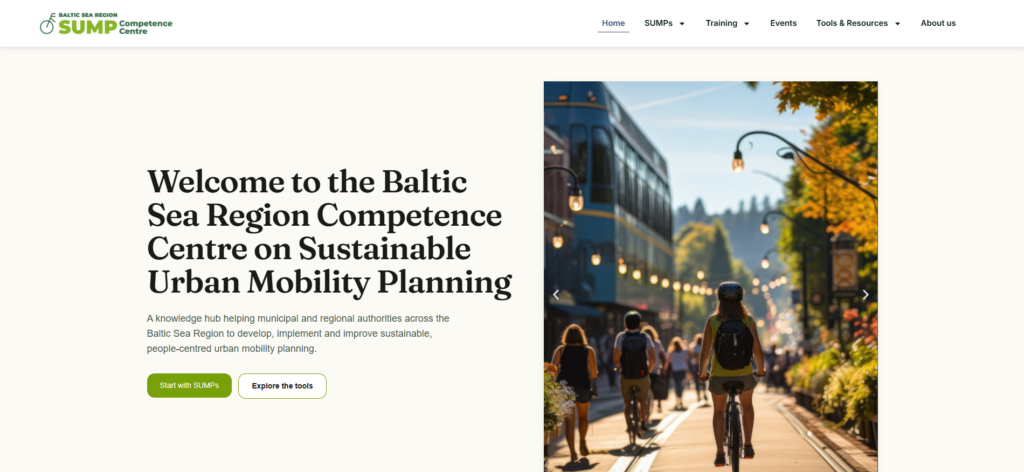
The Baltic Sea Region Sustainable Urban Mobility Competence Centre
At the Baltic Active Mobility 2026 conference in Gdynia, participants returned to a central challenge: data must inform decisions, while implementation also needs resources, political support and clear ownership. Transnational cooperation allowed cities to share not only successes but difficulties, and to consider how methods developed elsewhere might work locally.
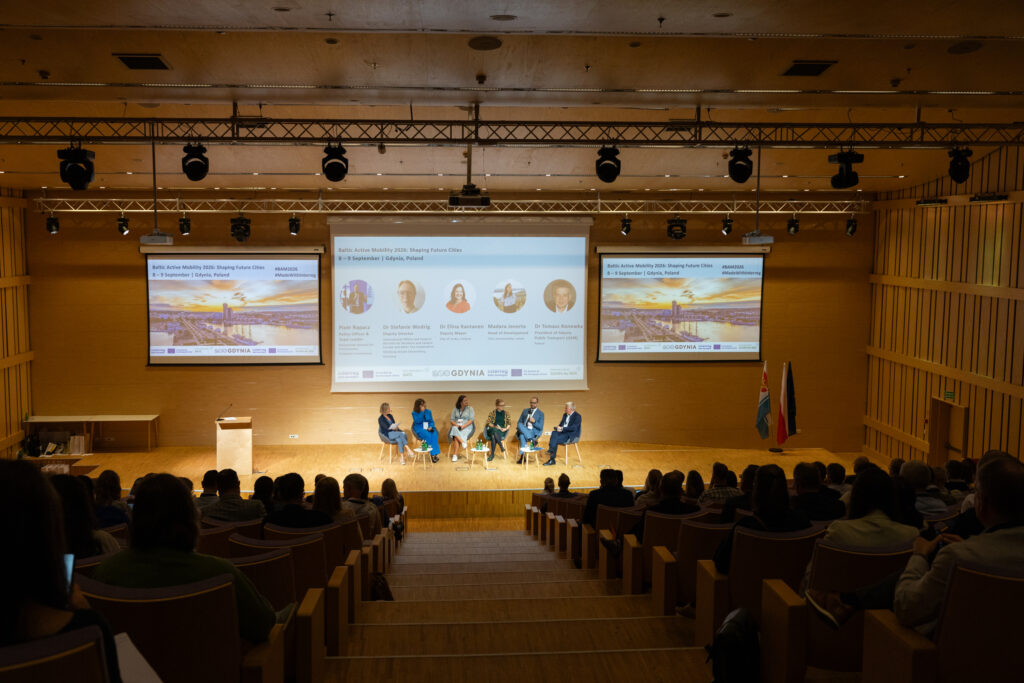
Panel discussion: The role of sustainable mobility in reaching the climate and environmental goals and improving the quality of life
SUMPs for BSR leaves cities with a practical approach: test on a manageable scale, learn from the evidence and use the findings to guide the next decision.

Additional links
details
-
Homepage
-
Project typeCore Project

-
ImplementationNovember 2023 - October 2026
-
StatusOngoing
-
Contribution to EUSBSRPolicy Area Spatial Planning

-
Target groups
- Local public authority
- National public authority
-
Social media
-
Additional links
-
Tags