





Meet the First Four Projects Driving Regenerative Tourism in the Baltic Sea Region
12 March 2026
That is the premise behind RegenT, a platform that consolidates the knowledge and outcomes of seven Interreg Baltic Sea Region projects to drive a fundamental shift in how we think about, plan, and experience tourism across the region. Rather than simply managing tourism’s impact, RegenT promotes destinations that restore natural and cultural assets, strengthen local communities, and build long-term resilience. Meet the first four of those seven projects: Light in the Dark, BEACH-SOS, BASCIL, and Baltic Sea Food, each tackling a different piece of the regenerative puzzle.
Rethinking When We Visit and Why
One of the most visible symptoms of unsustainable tourism is seasonality: the crowding of visitors into brief summer windows, leaving rural and coastal communities to struggle through the rest of the year. Light in the Dark tackles this directly. Working with destinations and small tourism businesses across five Baltic Sea countries, the project has co-created compelling off-season experiences in the segments nourished by nature, local lifestyle, and active adventure, all designed to draw visitors during the darker months of the year. By spreading tourism flows more evenly across the calendar, Light in the Dark not only supports local businesses but reduces pressure on fragile coastal and archipelago environments at their most vulnerable times, strongly connecting place, nature and people.
Building Resilience Into the Coastline
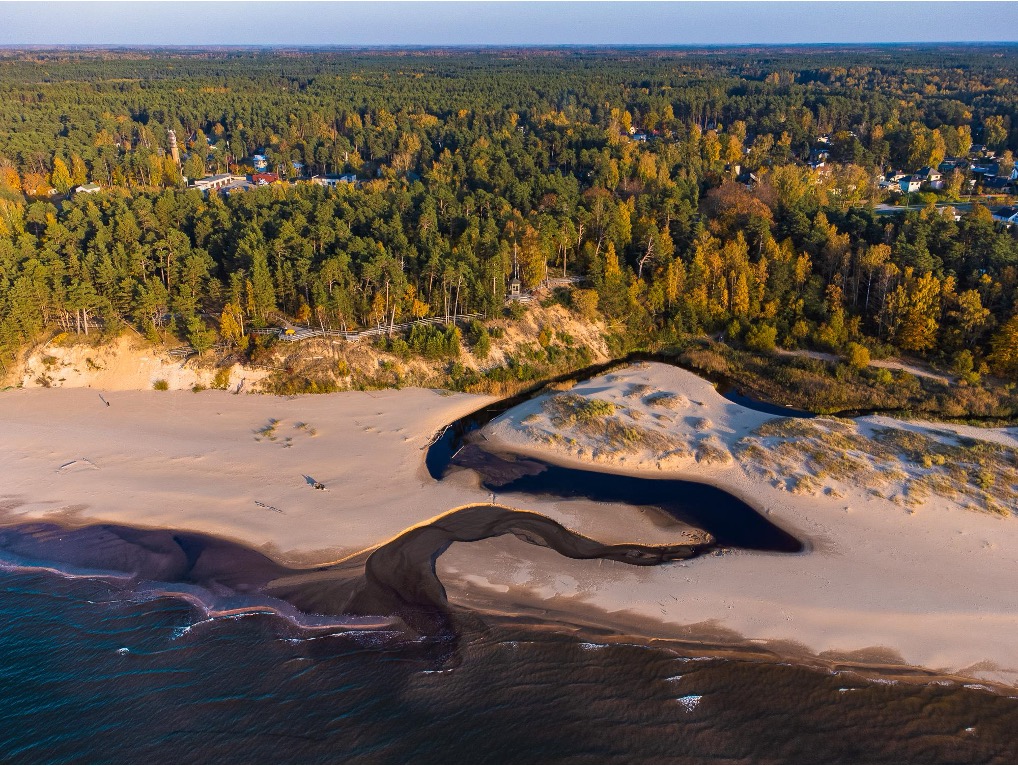
The Baltic Sea’s beaches and coastal communities face an accelerating challenge: climate change. Rising sea levels, more powerful storms, and shifting weather patterns are reshaping the very destinations that tourists, local communities and businesses depend upon. BEACH-SOS responded by placing climate resilience at the heart of coastal tourism planning. Working in Latvia, Denmark, and Germany, the project brought together local governments, businesses, and communities to become genuinely climate-smart – co-developing indicators, establishing community action plans, and creating adaptation guidelines that protect both people and the natural environments that sustain them. In doing so, BEACH-SOS reframed climate adaptation not as a burden, but as a foundation for more nature-positive, durable destinations reflecting tourism’s duty of care.
Rooting Tourism in the Land and What It Produces
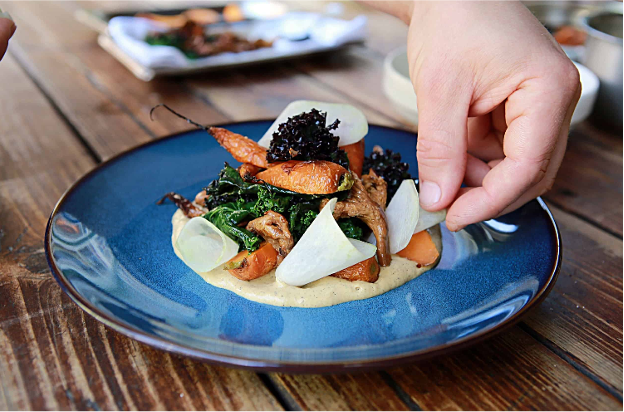
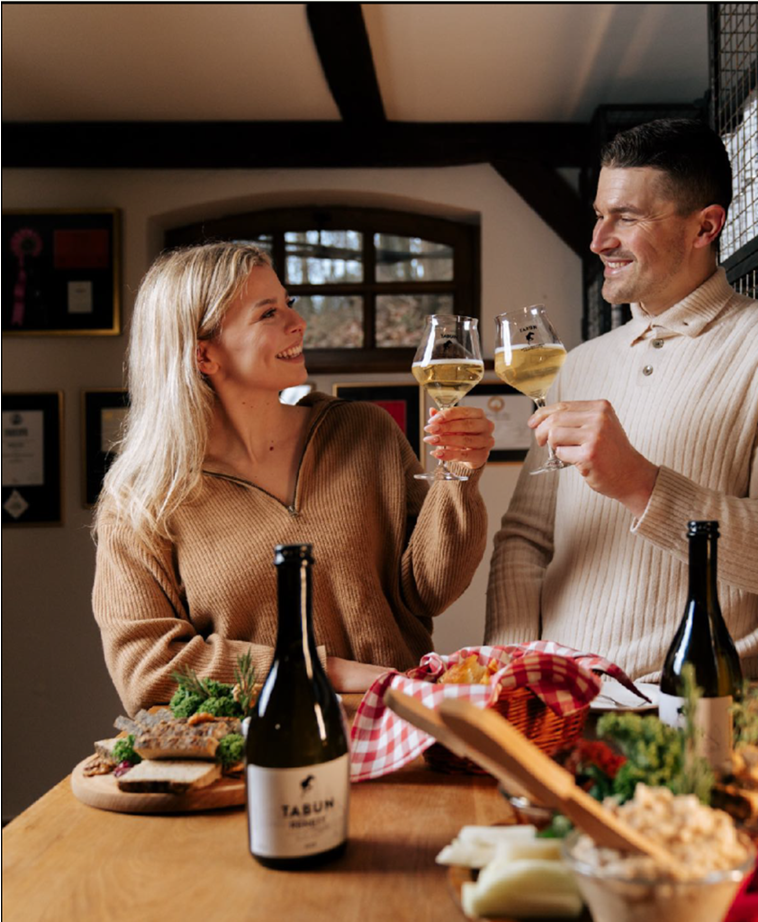
Regenerative tourism does not only happen on beaches or forest trails, it happens at the farm gate, the kitchen table, and the local market. BASCIL and Baltic Sea Food together demonstrate how deeply food and tourism are intertwined with the health of rural economies and cultural identity. BASCIL supported rural food producers in diversifying into culinary tourism experiences, from farm tours and cooking workshops to regional gastro routes, enabling them to reach new visitors while preserving local heritage. Meanwhile, Baltic Sea Food tackled the distribution challenge, developing a transferable B2B model to connect small producers with restaurants, hotels, and regional buyers through efficient short supply chains. Together, these two projects equipped rural food communities with practical tools and a stronger market position, while anchoring visitors in the authentic character of the places they visit. Thus, showing that visitor number growth is not the key to value creation.
RegenT Is Connecting the Dots
What connects these projects is more than geography. Each one, in its own way, works toward the same regenerative principle: that tourism, done well, should leave a place better than it found it. Longer seasons that support year-round livelihoods. Coastlines made more resilient by the communities that love them. Food cultures kept alive by the visitors who seek them out.
RegenT exists to connect these dots, to turn project-level innovation into regional transformation, and to equip public authorities, destination managers, and businesses with the knowledge and tools to make regenerative tourism a guiding strategy across the Baltic Sea Region.
The remaining three projects will be presented in the coming weeks on LinkedIn.


Additional links
details
-
Homepage
-
Project typeProject Platform

-
ImplementationJuly 2025 - June 2028
-
StatusOngoing
-
Contribution to EUSBSRPolicy Area Tourism

-
Target groups
- Interest group
- International governmental organisation
- Local public authority
- Regional public authority
- Sectoral agency
-
Social media
-
Additional links
-
Tags