

This wrap-up has been compiled by the Programme
PROGRAMME 2021-2027
Priority 3 Climate-neutral societies
Objective 3.1 Circular economy
Circular FoodShift:
Wrap-up of project achievements
What if school lunches could help reshape the food system? Across Estonia, Finland, Latvia and Lithuania, rural and peri-urban municipalities often lacked practical ways to reduce food waste and source more food from local producers. The Interreg project Circular FoodShift helped municipalities, schools, chefs and farmers change this through food education, smarter public procurement and practical approaches that connect schools more closely with local food producers.
Solutions
Circular FoodShift
Highlights
Circular FoodShift
Circular FoodShirt developed tools, training and practical examples that help municipalities improve school meals, reduce food waste and buy more food locally – making local food systems more circular and sustainable.
- Framework “Setting the Table for a Circular FoodShift”
- Circular FoodShift Talks, a podcast series on circular food systems
- Capacity building guide “Engaging all stakeholders in circular food changes at municipal level”
- Dynamic Food Procurement activities and key takeaways for public food procurement
Framework for circular food systems
Framework for circular food systems
The project developed the framework “Setting the Table for a Circular FoodShift” and a capacity-building guide for municipalities, schools, vocational institutions, food businesses, farmers and interest groups to understand circular food systems and plan first practical steps, e.g., on food-waste prevention, local sourcing, circular cooking and public procurement.
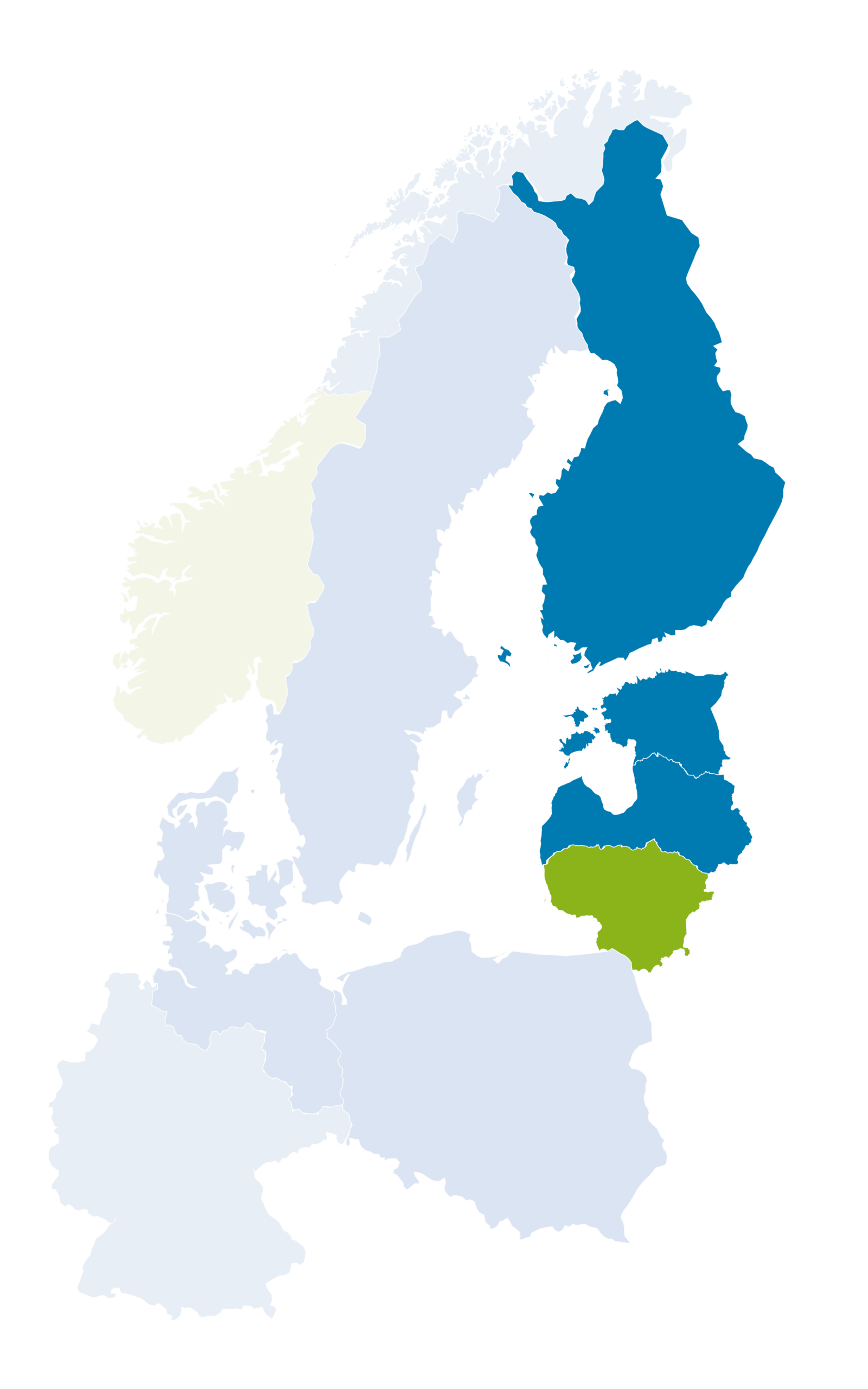
The project worked on this approach in Tartu County (EE), Latgale (LV) and the Vilnius region (LT). Public authorities, schools, chefs, vocational education actors, procurement specialists, food producers and NGOs were involved through workshops, pilots, webinars, forums and peer learning. The transnational work helped partners compare different local food systems and turn these experiences into shared guidance.
Schools and kitchens as places for circular food learning
The project worked with schools and kitchens to test how circular food ideas can be used in daily practice. For example, “Making the School Community Food-Wise” programme in Tartu County in Estonia involved 10 schools in food education, food-waste measurement and school food action plans. In Latvia, the School Chefs’ Masterclasses trained 43 chefs and catering professionals in low-waste cooking and sustainable menu ideas.
All in all, around 40 vocational educators from Estonia, Latvia, Lithuania and Finland joined international webinars on integrating circular food principles into culinary and hospitality education. These activities helped bring circular food topics closer to schools, kitchens and training institutions.
Discover more
Dynamic Food Procurement and local food cooperation
Dynamic Food Procurement and local food cooperation
To support shorter and more sustainable public food supply chains, Circular FoodShift developed the Dynamic Food Procurement and introduced procurement specialists, municipalities, farmers and food businesses to this approach through workshops, webinars and peer learning.
In the Vilnius region, a district municipality integrated dynamic food procurement into school food procurement and established a short supply-chain agreement with an organic cooperative. This example shows how public buyers can work more closely with local producers, taking procurement rules into account, too.
Get inspired
Interreg pays off
Transnational learning
Interreg pays off: Transnational learning
Thanks to Interreg funding and transnational cooperation, the project Circular FoodShift helped municipalities, schools, chefs, farmers and food businesses in the Baltic Sea region test practical approaches for more circular food systems.
The project helped partners and target groups exchange practical experience across borders. Cooperation with other projects, including KISMET and FoodLoops, supported knowledge exchange on school food, procurement, food-waste reduction and circular food systems.
Circular FoodShift also shared its experience through the Circular FoodShift Talks podcast series and events, such as the Daugavpils School Food Forum. These formats made the project’s lessons available to a wider audience and can support further use of the project tools after the project end.
In numbers
10 organisations cooperating across borders
36 organisations directly benefitting from project solutions
In focus
Small stories, big gains
In focus: Small stories, big gains
Hacking School Lunches
Who knew paperwork could taste this good?
Forget celebrity chefs and new recipes. The biggest change to school lunches starts long before anyone enters the kitchen. Lithuania‘s Vilnius District Municipality used dynamic food procurement to directly connect local organic cooperatives with kindergartens and primary schools, bringing fresh local produce straight to children’s plates.
Through the Interreg Baltic Sea Region project Circular FoodShift, partners from Estonia, Finland, Latvia and Lithuania worked together to rethink school food systems and find ways to make it more sustainable: from modernising public procurement and training chefs to embedding circular food principles into culinary education. The result in Lithuania shows how learning across borders can easily turn a procurement decision into healthier lunches and new opportunities for local producers.
Project
Details
Project type
Small project
Project duration
August 2023 – July 2025
Contribution to the EUSBSR
PA Bioeconomy
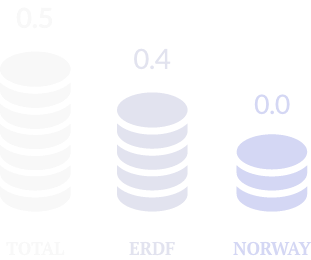
Budget in million
EURO
Involved
Countries
Lead partner

Project partners