




Kääpa (EE)
19 August 2026
Building an energy community around several needs at once.
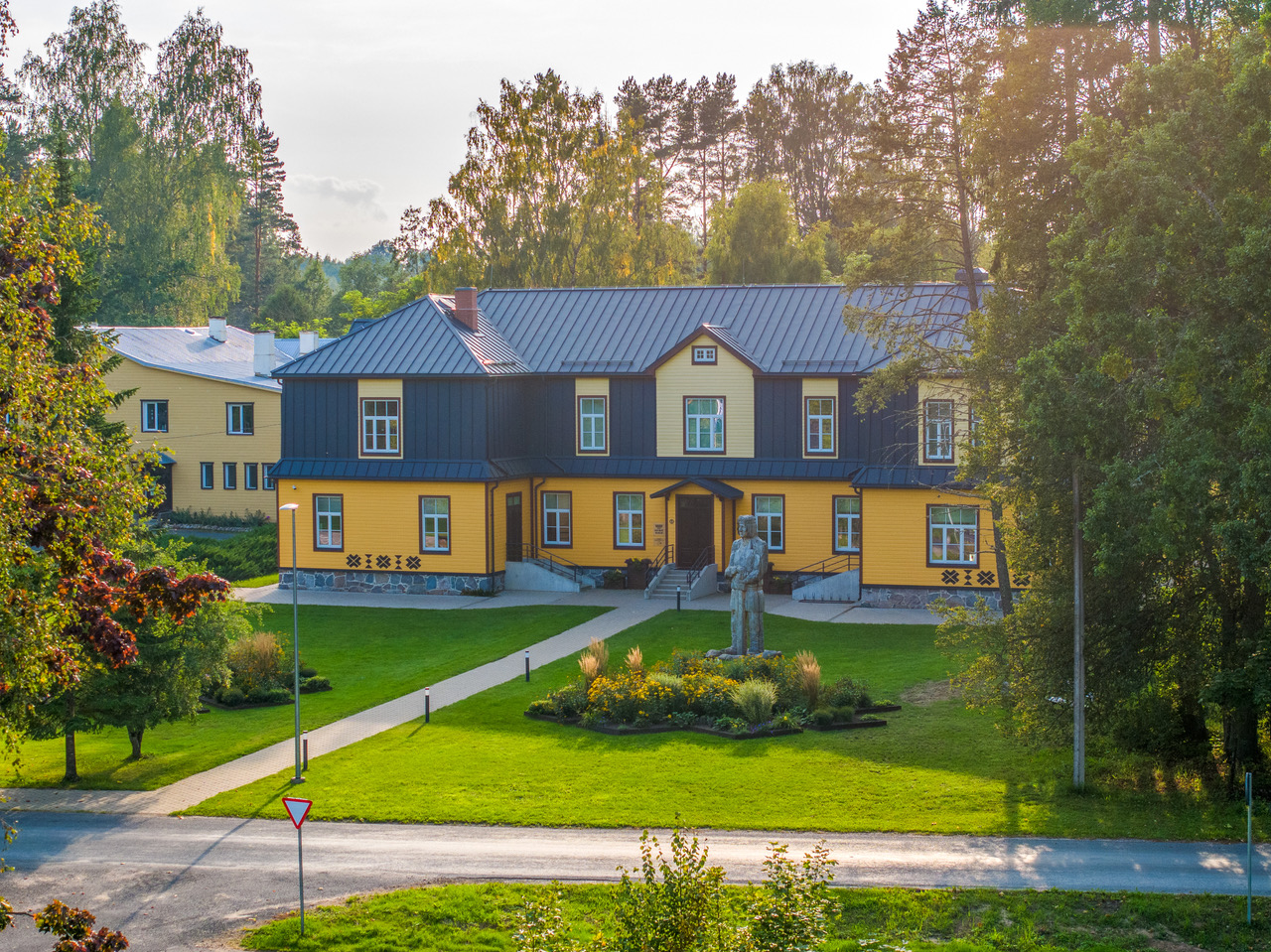
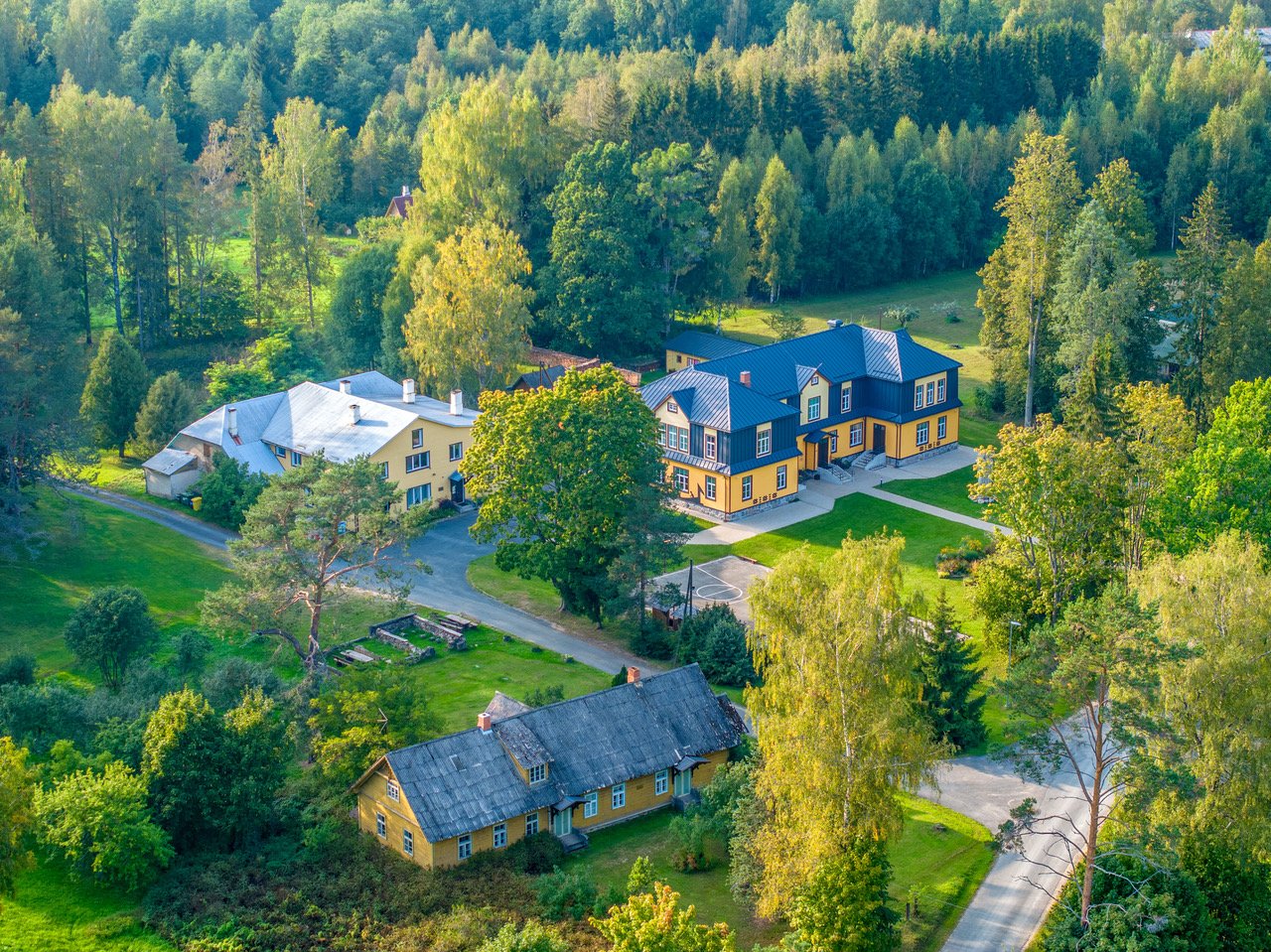
Kääpa küla is a small village of around 170 inhabitants in Mustvee vald, Estonia. Its energy community, structured as a municipal foundation, plans for six members, with electricity consumed across three buildings: the community house, the Kalevipoeg Museum, and a nearby youth café.
The operational model & energy flow
The plan is for two solar parks – 25 kW and 15 kW – installed on the roofs of the museum and the culture house. Consumers would be the museum, the culture house, and the youth café next door. Batteries are also planned as part of the setup, though installation of the solar parks themselves is still ahead.
Numbers at a glance
- 25 kW + 15 kW planned solar capacity (40 kW combined), with batteries also planned.
- Estimated annual production of around 27 000 kWh/year (14 000 + 13 000).
- Estimated annual savings of €2 871/year (€855 + €2 016).
- Around 20 t CO₂ avoided per year.
- Total establishment cost of €54 000 (€28 000 + €26 000).
The journey of the Kääpa Pilot Site
The idea grew out of the Smart Villages development programme, where local people, the municipality and energy experts discussed the village’s future needs. At the time, Kääpa was already searching for new energy solutions on several fronts: its boiler house was in poor condition, the municipality was working on district heating, and apartment buildings needed renovation – so the energy community idea became tied to heating and renovation, not just electricity.
The original plan looked different from where things landed. It first aimed to involve local businesses tied to essential village services – heating, the local shop, water – but obstacles forced a change of direction. The buildings now directly connected to the initiative are the community house and the Kalevipoeg Museum, managed through the Kalevipoja Koda Foundation, which will remain a project partner for five years before continuing on as a regular member.
Interest had to be built gradually. Entrepreneurs were generally more open than residents, many of whom worried about costs without a clear sense of what they’d receive in return – not helped by the lack of any well-established Estonian energy community to point to as an example. Deciding with whom to build the community proved to be one of the hardest early questions: involving private households turned out to be difficult, and installing panels on apartment building roofs wasn’t practical at this stage, so the focus shifted toward businesses and public buildings instead. Technical limits played a role too – the local grid lacked the capacity to sell electricity outward, and adding that capacity would have cost around €30,000 – as did the lack of a project manager with enough time to lead the process properly.
Throughout, trust was treated as a precondition rather than a bonus: the guiding view was that it’s better to move slowly and keep people’s confidence than rush and risk losing it.
A journey still in progress
Kääpa hasn’t had a ready-made model to copy – the approach had to be shaped around local needs and constraints from scratch. A cooperative has been established with an active, forward-looking membership, and the next major step is completing the solar parks, expected to directly benefit the two buildings at the center of the initiative. Looking further ahead, the community is also discussing apartment building renovation, hydropower at Koseveski, and dryers for garden and forest products – signs that the energy community’s scope may keep growing alongside the village’s other needs.

Interactive map showing pilot locations. Use the arrow keys to move the map view and the zoom controls to zoom in or out. Press the Tab key to navigate between markers. Press Enter or click a marker to view pilot project details.
details
-
Homepage
-
Project typeCore Project

-
ImplementationNovember 2023 - October 2026
-
StatusOngoing
-
Contribution to EUSBSRPolicy Area Energy

-
Target groups
- Interest group
- Local public authority
- National public authority
- Small and medium enterprise
-
Social media
-
Additional links
-
Tags