



The Story of the We Make Transition!
13 March 2026
Sustainability challenges are complex and intertwined with environmental, social, economic, cultural and historical factors. There is a need to enhance holistic understanding. All levels of society should be engaged to prioritise actions and develop new cooperation. However, the voice and ideas of small local actors are often not heard in decision-making.
We make transition! organised 12 local transition arenas
“The idea of local arenas for change will become a permanent part of our association’s activities as a tool for cooperation with the local community.”
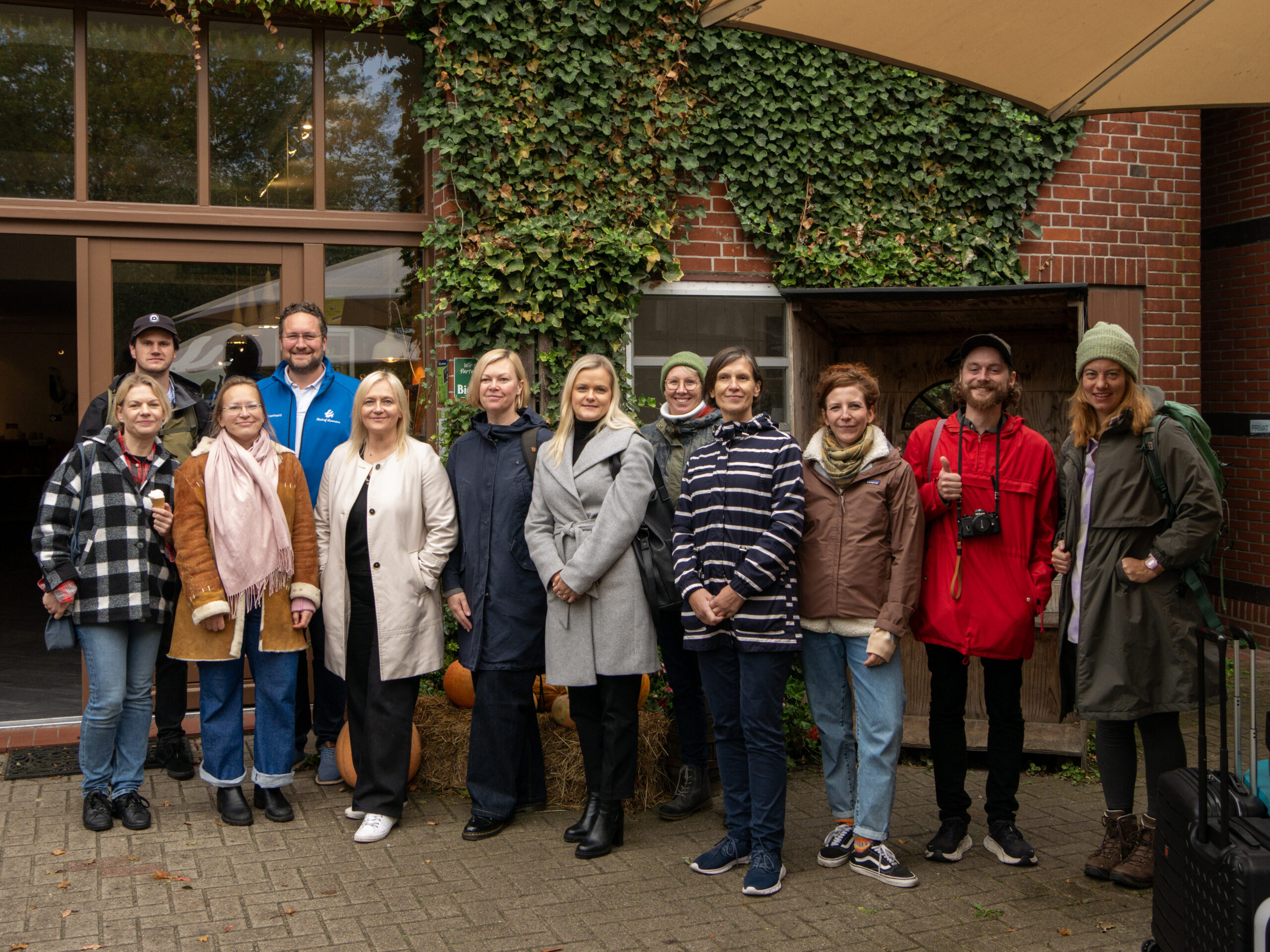
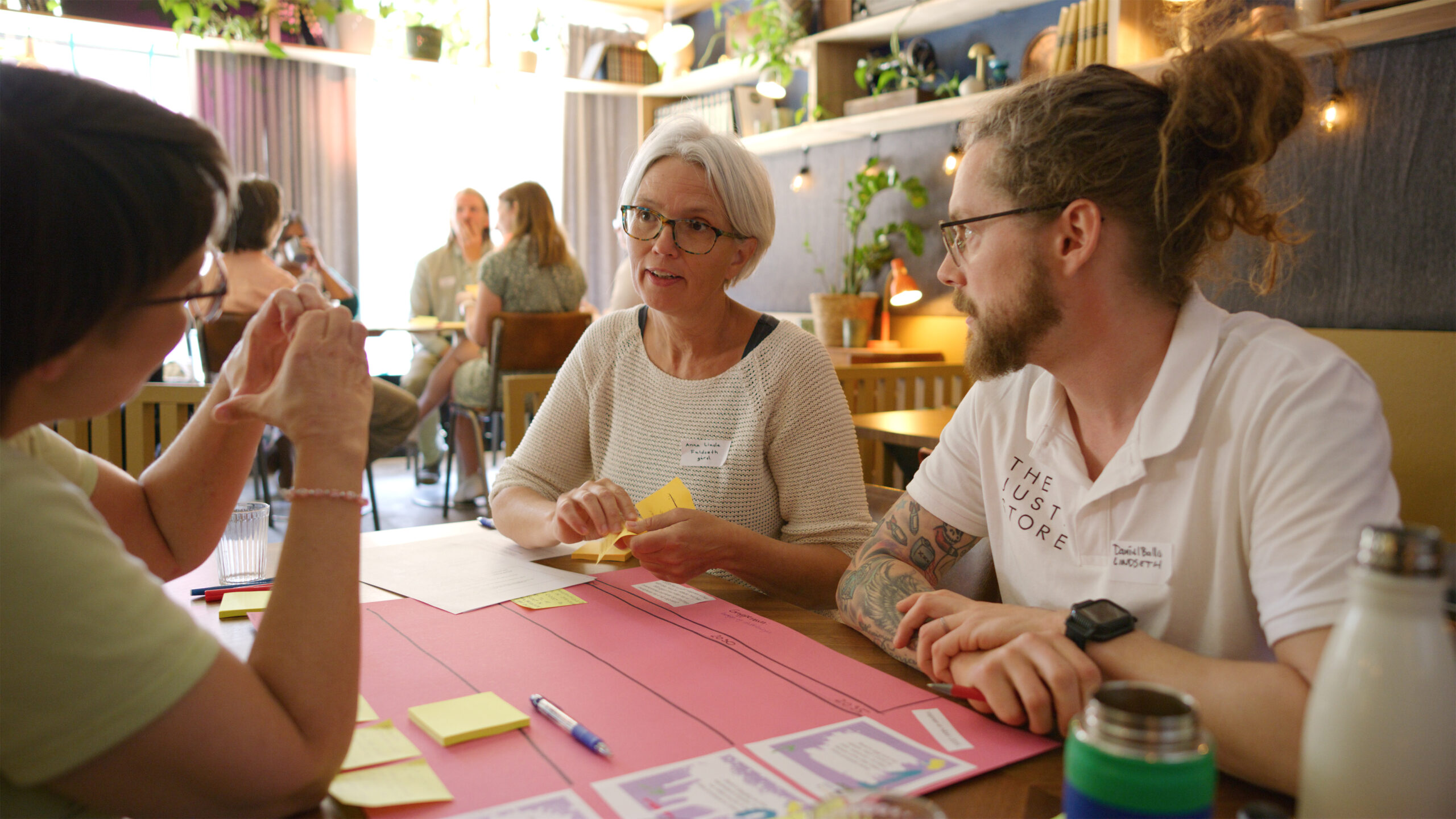
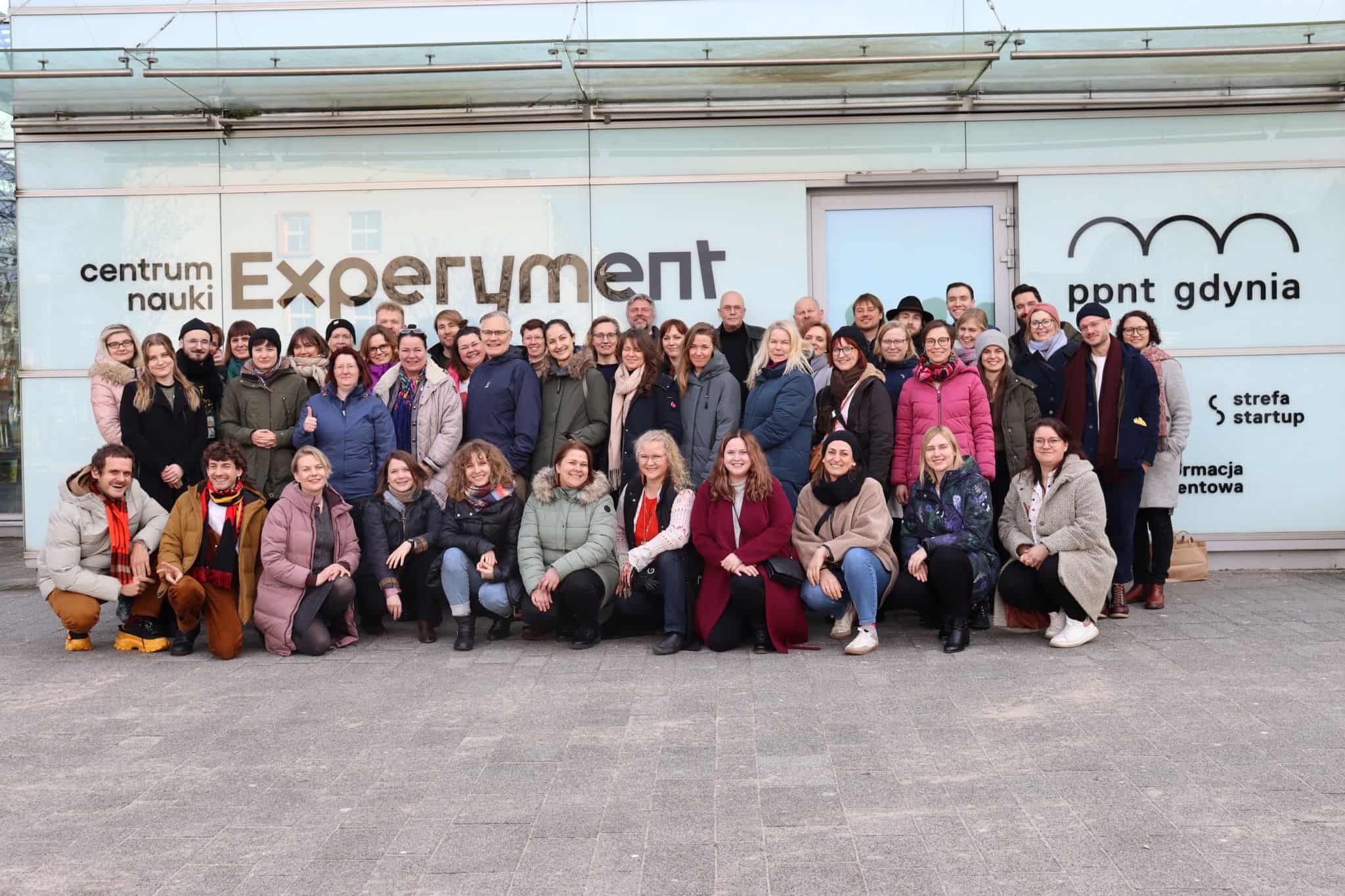
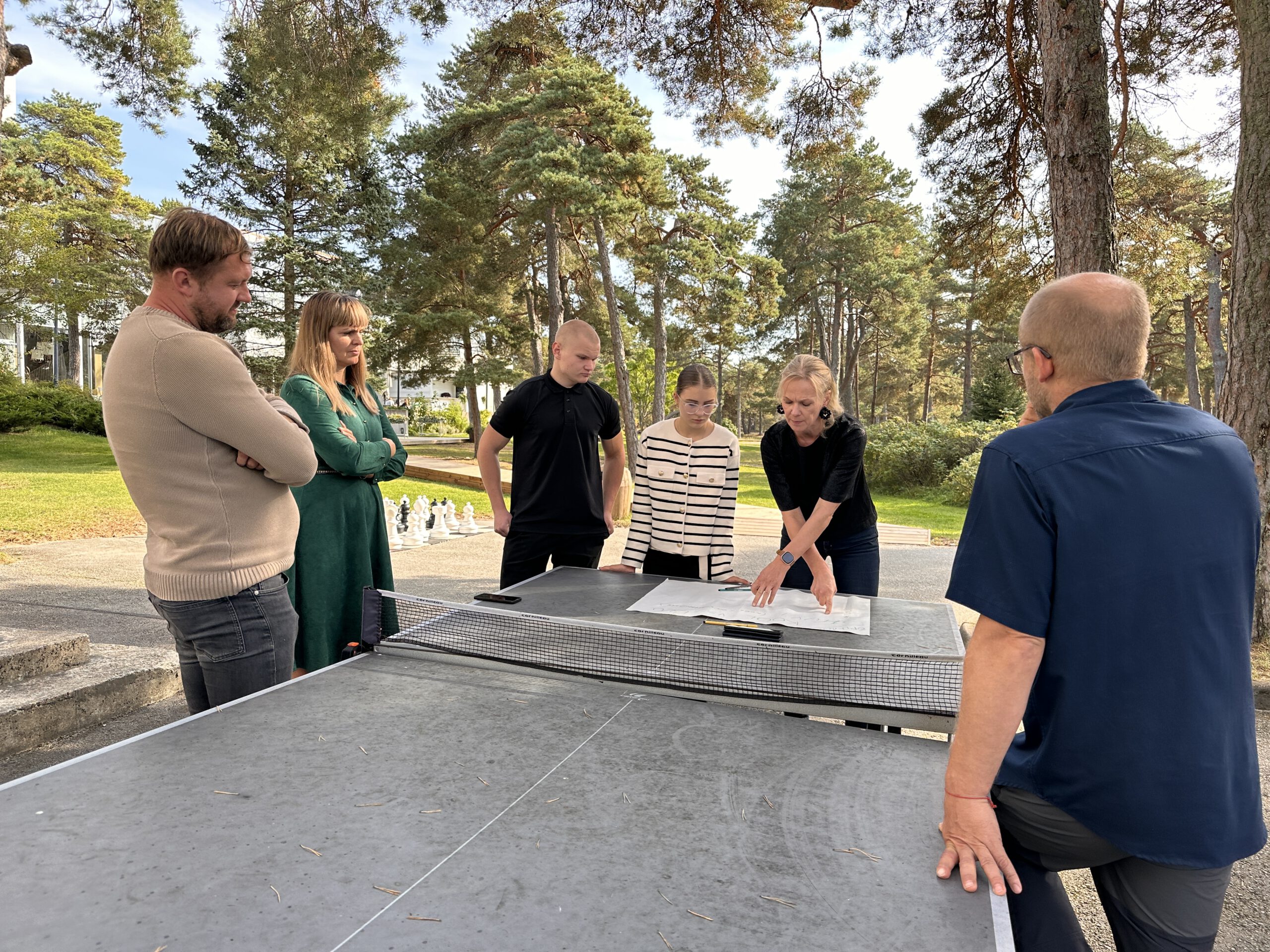
We make transition! project (2023-2025) engaged a great number of regional and local authorities, associations, social entrepreneurs, communities and individuals from the Baltic Sea Region. Project partners from Finland, Estonia, Latvia, Poland, Germany and Norway cooperated with 12 cities and municipalities in implementing ‘local transition arena workshop processes’. Transition arena is a series of workshops that includes co-creating a joint vision, developing pathways towards the vision and identifying and launching concrete actions and initiatives. WMT! arena topics were related to food, nature & biodiversity, social sustainability and circular economy. Each location defined their transition arena topic bottom-up based on the local cooperation needs.
The following transition arenas were organised: 1) Hämeenkyrö Agriculture Arena, 2) Helsinki-Uusimaa Circular Transition, 3) Sustainable Future in Kimitoön, 4) Uusikaupunki – Nature in my Neighbourhood, 5) Tartu Circular Economy Transition, 6) Organic Food Transition in Bremen Schools, 7) Organic Food Transition in Vidzeme region, 8) Trondheim Local Sustainable Food System, 9) Tampere Future Arena of Sustainable Life, 10) Sustainability Transition in Education, Lääne-Harju, 11) Gdynia Cross-sectoral Sustainability, 12) Namsos Circular Initiatives.
Transition arena processes strengthen the local sense of community, empower local actors, and initiate jointly developed and agreed actions towards the desired future. Transition arena results provided new perspectives and were integrated into regional/local strategies. The learnings from participatory approach and listening to the views of different actors were taken into use.
Some examples of the transition arena results:
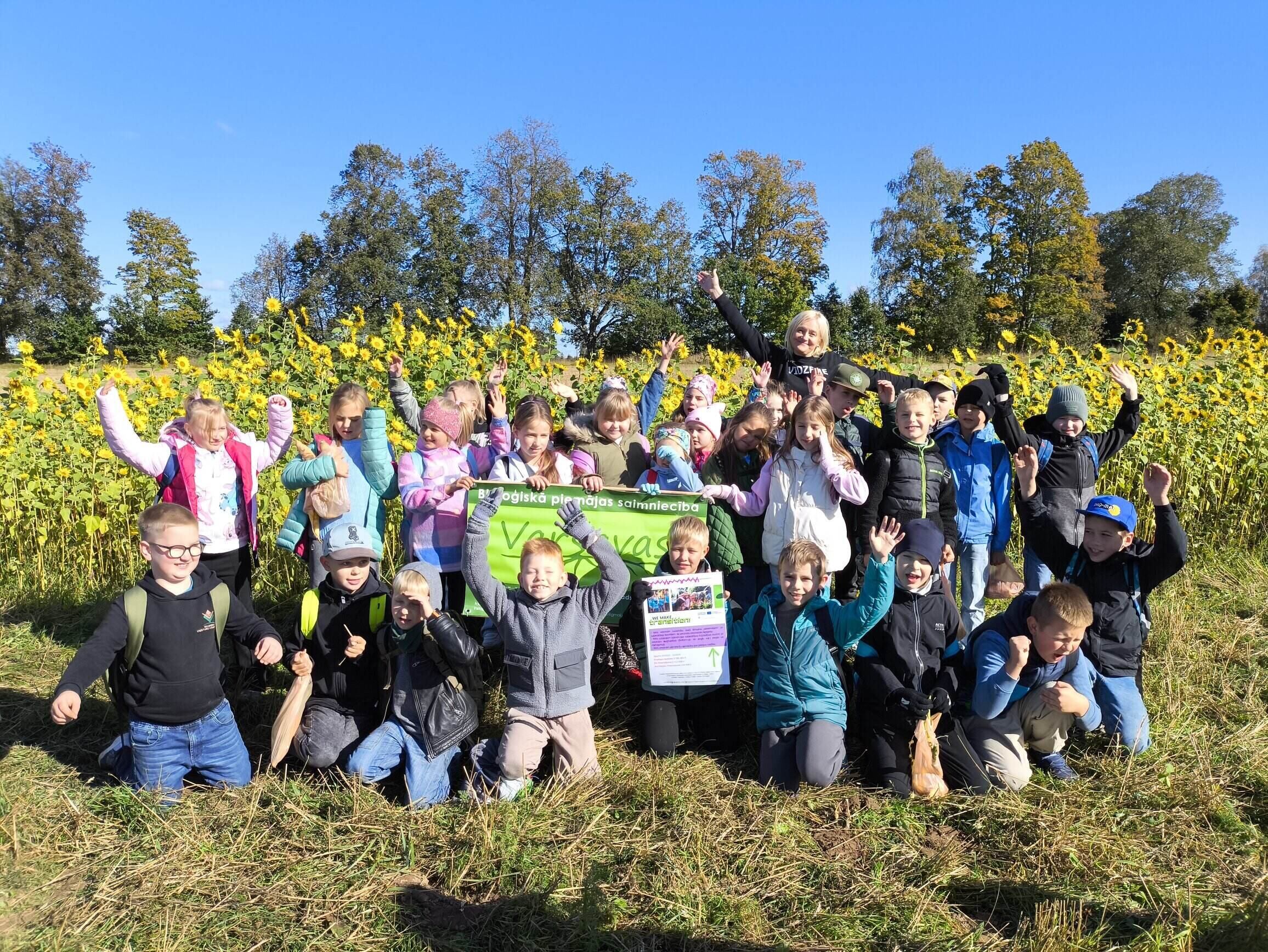
- Trondheim municipality, federal state of Bremen, Vidzeme region and Hämeenkyrö municipality had the focus on promoting local food (Bremen and Vidzeme especially organic food). Vidzeme region empowered local actors to co-create Bioregion with actions for promoting organic local food in schools, organising farm visits for children and improving cooking skills. An annual Bioregion Forum was started and the region achieved international visibility with the co-created Bioregion brand that engages local actors. In all locations the idea of involving various food stakeholders to enhance sustainable local food system was adapted at strategic level (e.g. Vidzeme regional food strategy, Bremen food strategy, Hämeenkyrö climate plan).
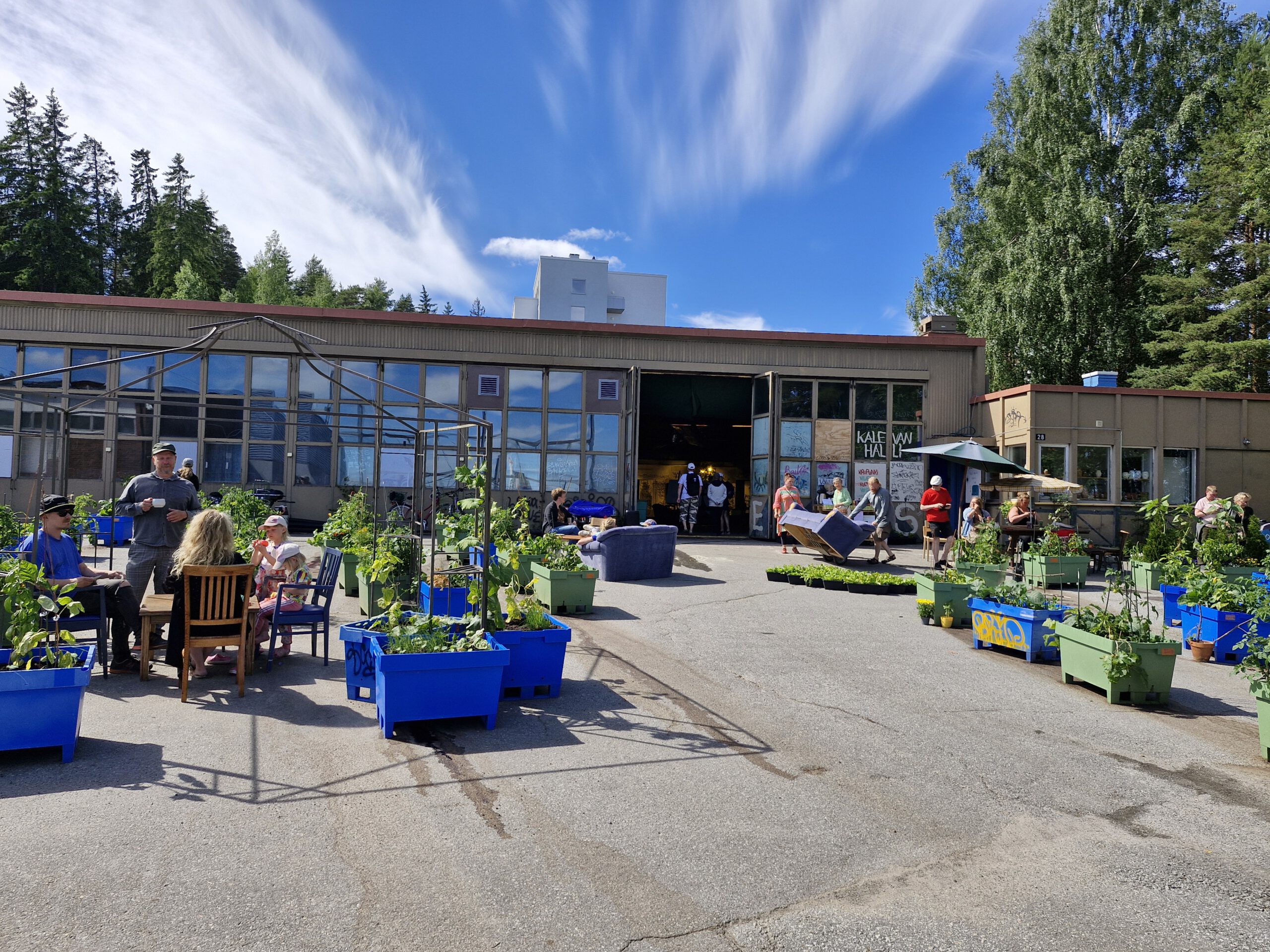
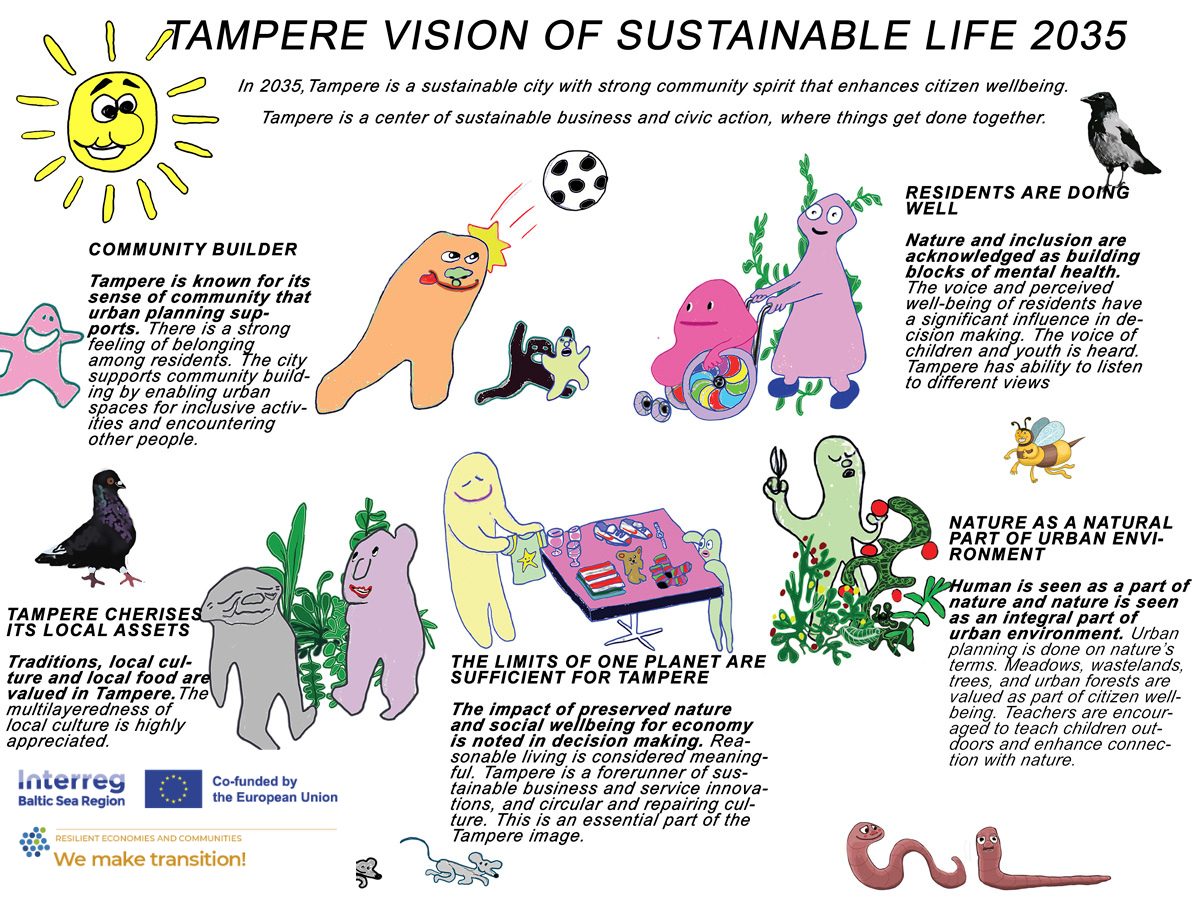
- In Tampere the Culture Center of Sustainable Life -pilot was co-created by the city and various local actors in a vacant urban space. The pilot received plenty of good feedback and the Center will get financial support from the city also after the project. It provides an excellent model of a community building open space with urban farming, art exhibitions and workshops that welcome all citizens of different ages and backgrounds. The idea is that anyone can feel welcomed in meaningful activities, no matter of societal status or political thinking. Culture and art exhibitions attract various people to join.
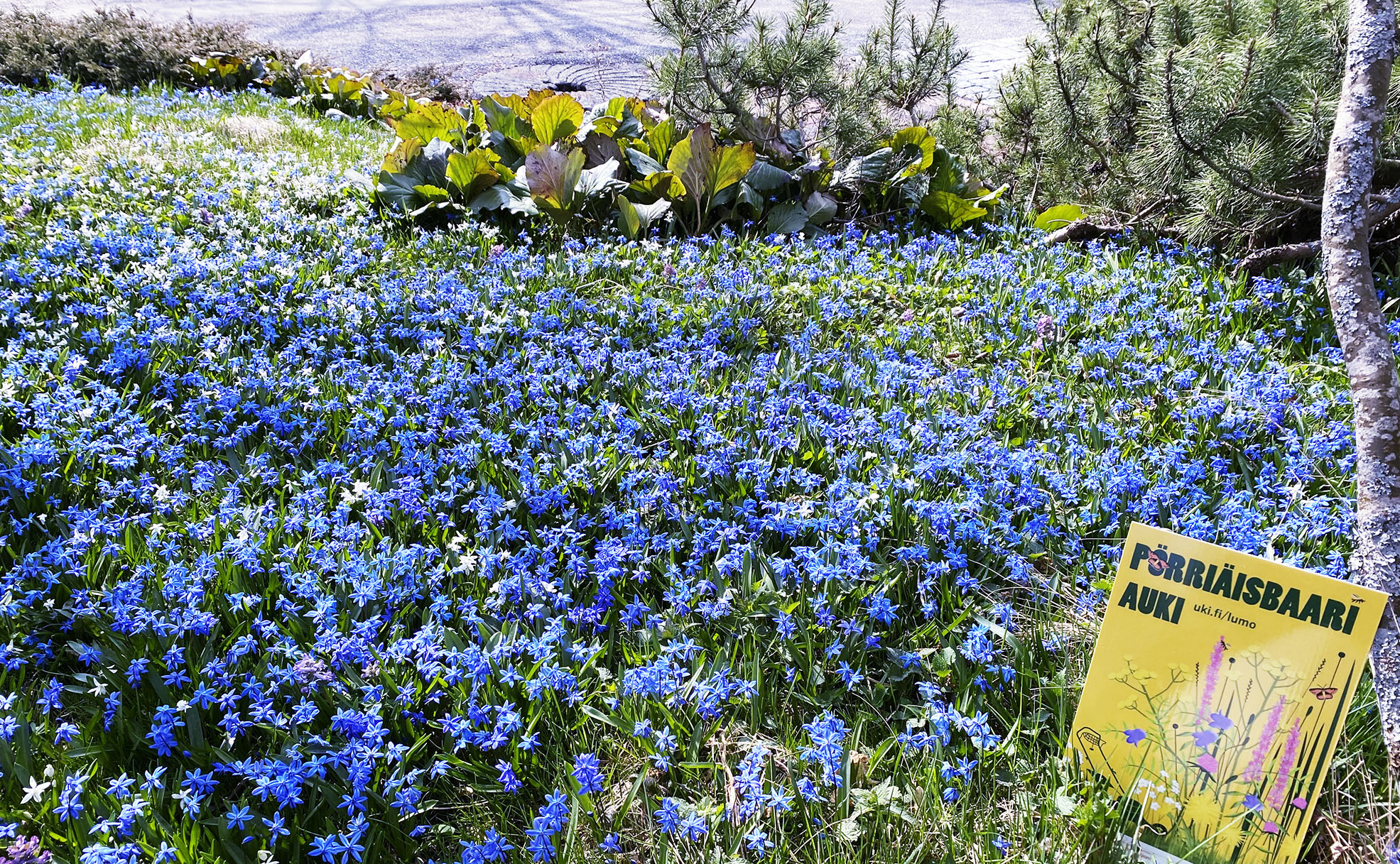
- In Uusikaupunki the local group of biodiversity promoters was created and will continue meetings and activities in cooperation with the city. Informational signs designed to raise awareness about biodiversity in private yards were produced and distributed to locals.
- In Lääne-Harju, Estonia a new Education Strategy was co-created together with education stakeholders from different levels, youth and parents. For example, organising more education in the nature, promoting sustainable mobility and involving students in decision-making are now strategic principles in the Lääne-Harju schools.
Project publications
1) A manual and pp-presentation for practical use of the transition arena method
As the main outcome, We make transition! project produced a manual and pp-presentation for applying the transition arena method in a simple and practical way to enhance common ground and cooperation among local public-civic-business actors. The manual helps to design a participatory process, tailor and implement the key elements of the transition arena.
2) BSR Vision of Sustainable Life
We make transition! project invited a group of change agents from the Baltic Sea Region to co-create a sustainable vision about how does the sustainable future look from the grassroot point of view. The publication also includes recommendations for local authorities and decision-makers.
3) Case studies of civil society making sustainability transitions
Case studies compile 18 inspiring success stories related to social sustainability, circular economy, biodiversity, sustainable food and lifestyle from six Baltic Sea Region countries. It showcases the power of civil society initiatives and reveal the value of active civil society in enhancing social innovations and sustainability.

details
-
Homepage
-
Project typeCore Project
-
ImplementationJanuary 2023 - December 2025
-
StatusCompleted
-
Contribution to EUSBSRPolicy Area Innovation, Policy Area Spatial Planning

-
Target groups
- Local public authority
- NGO
- Regional public authority
- Small and medium enterprise
-
Social media
-
Additional links
-
Tags