




“Let’s continue engaging local actors!” - WMT! final event was organised in Tampere
04 December 2025
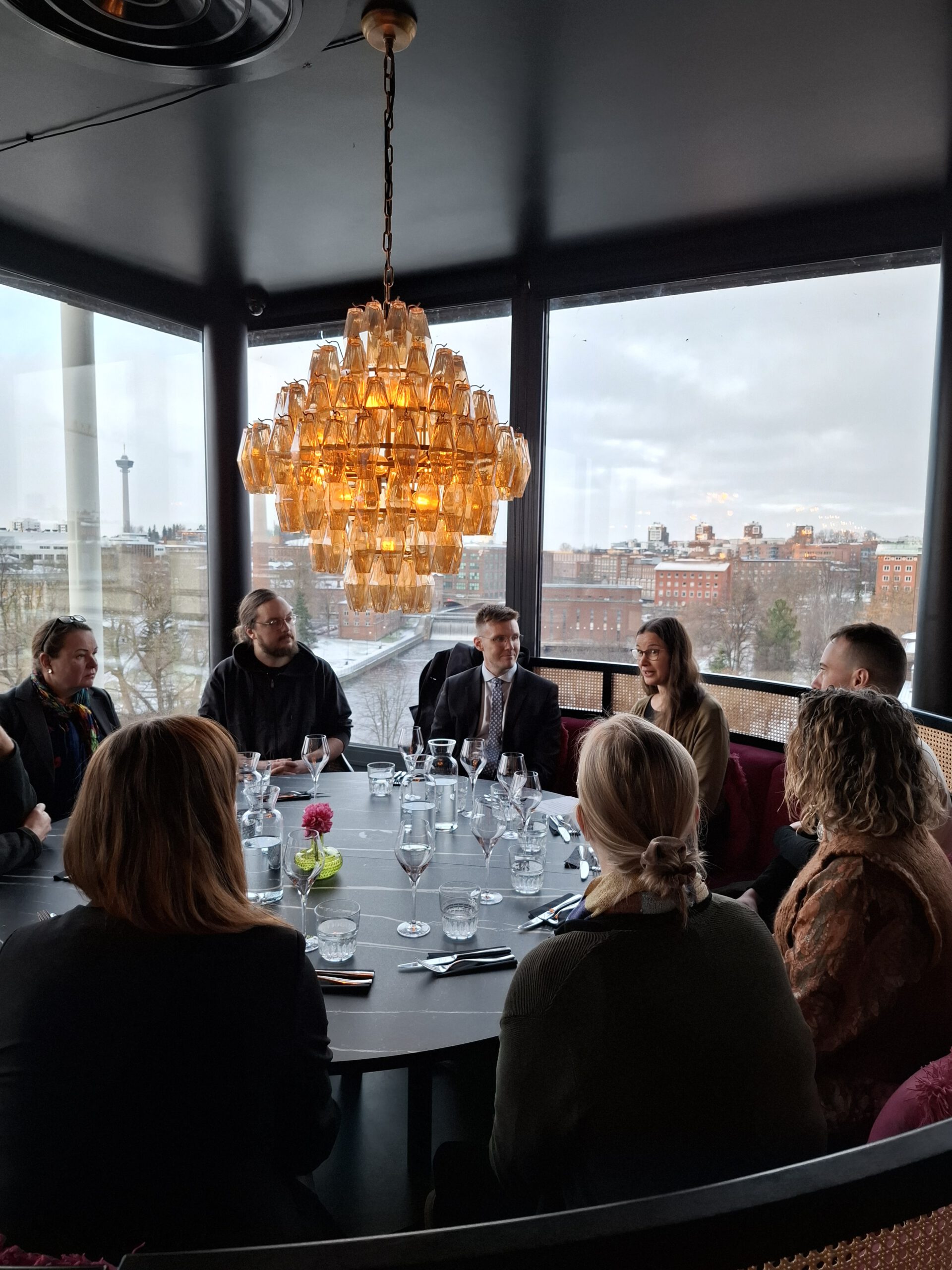
The final event showcased how WMT! project has created more space for discussions and engaged people to co-create local sustainability vision and concrete actions towards it. The event also provided insights on how local authorities can act as an enabler for an active civil society and empower social innovations that improve people’s well-being.
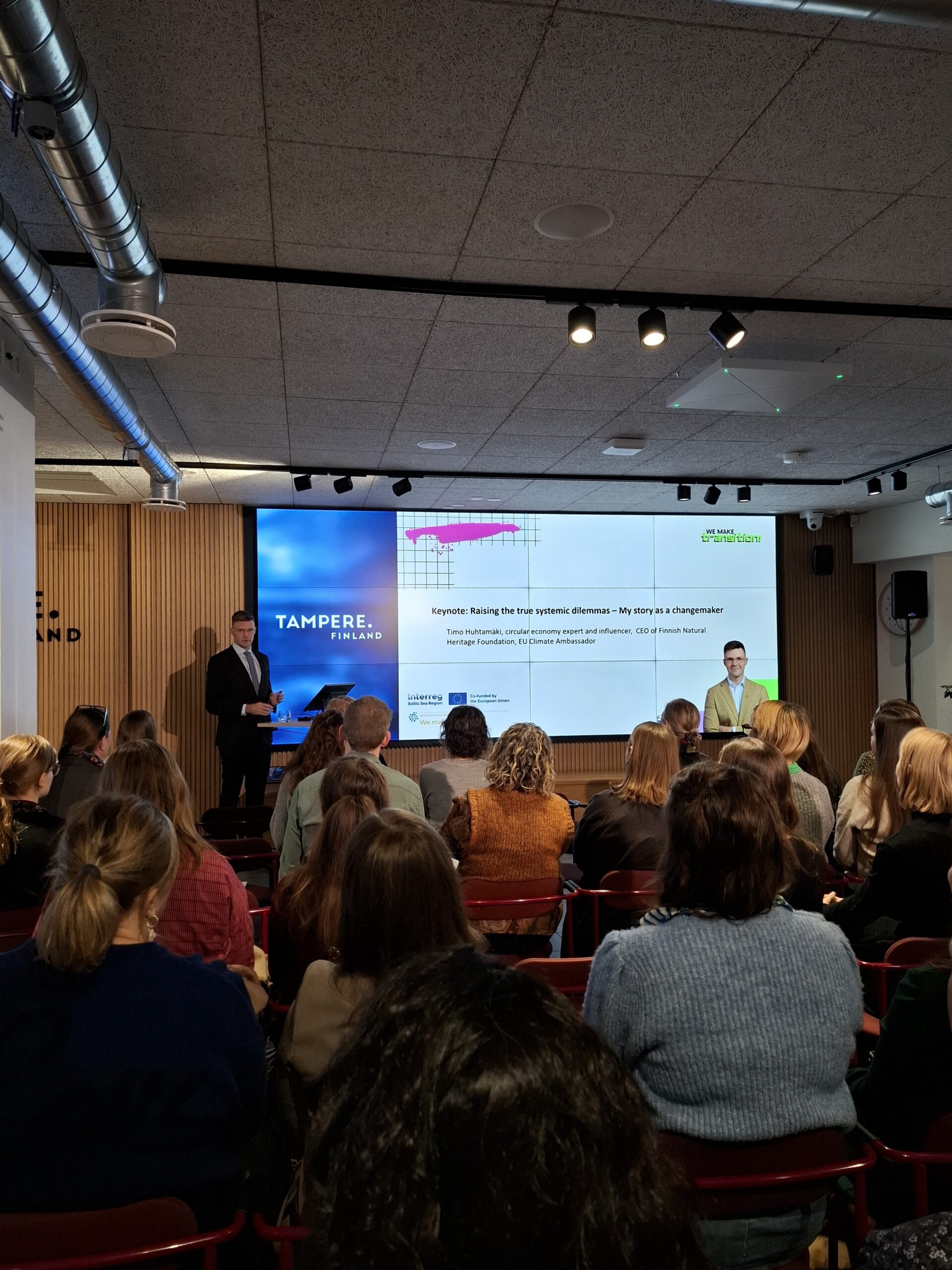
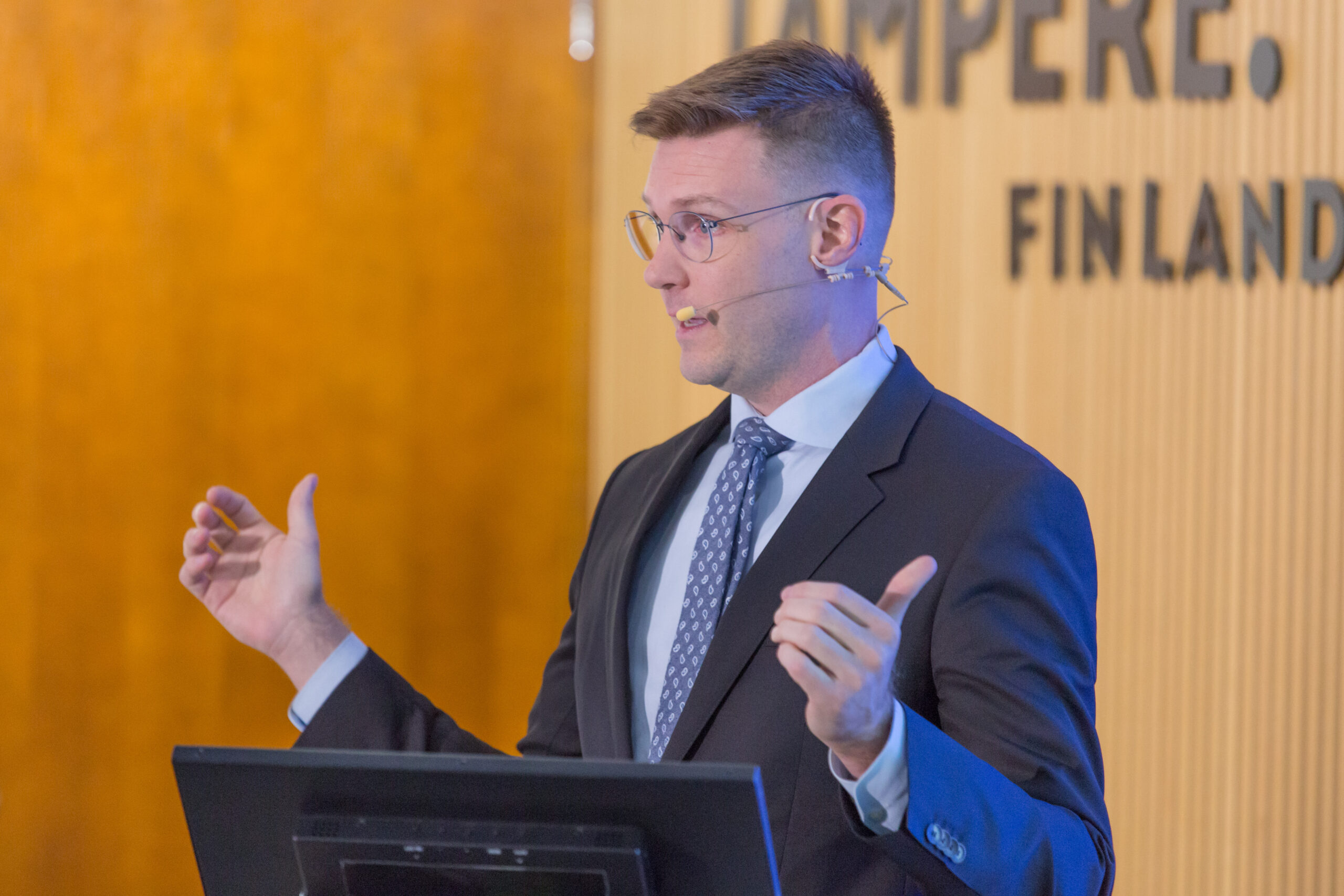
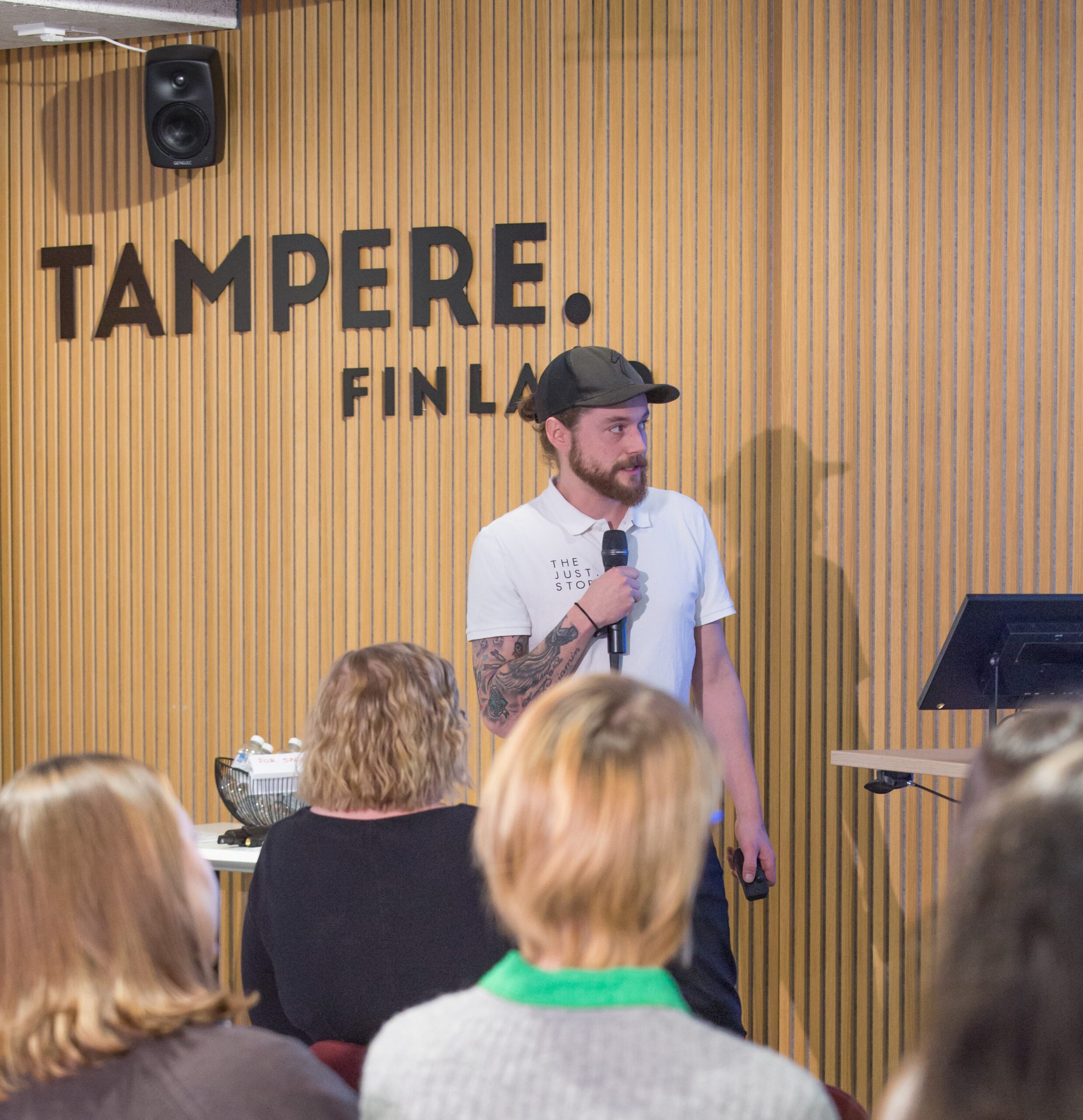
Keynote speaker Timo Huhtamäki is a circular economy influencer who talked about the economic dilemmas of linear economy in a globalised market economy. In circular economy the revenues benefit the local economy as upcycling creates new jobs and services at local level. But there are a lot of systemic and culture-based challenges in the transition towards a circular economy.
“Sustainable local food system” was a topic in the WMT! transition arenas in Bremen, Vidzeme, Trondheim and Hämeenkyrö. WMT! arenas enabled new cooperation between local authorities, food producers, schools, teachers, children and parents etc. to significantly increase the use of local organic food in school catering and in general. Activities such as school food competitions and the Bioregion Forum helped raise awareness and deepen understanding of sustainable local food.
“Nature and biodiversity” was a topic in the transition arena in Uusikaupunki city, where local actors were encouraged to do biodiversity actions together, engage more people and cooperate with the city. An open platform and regular meetings for sharing ideas and knowledge was created to support cooperation.
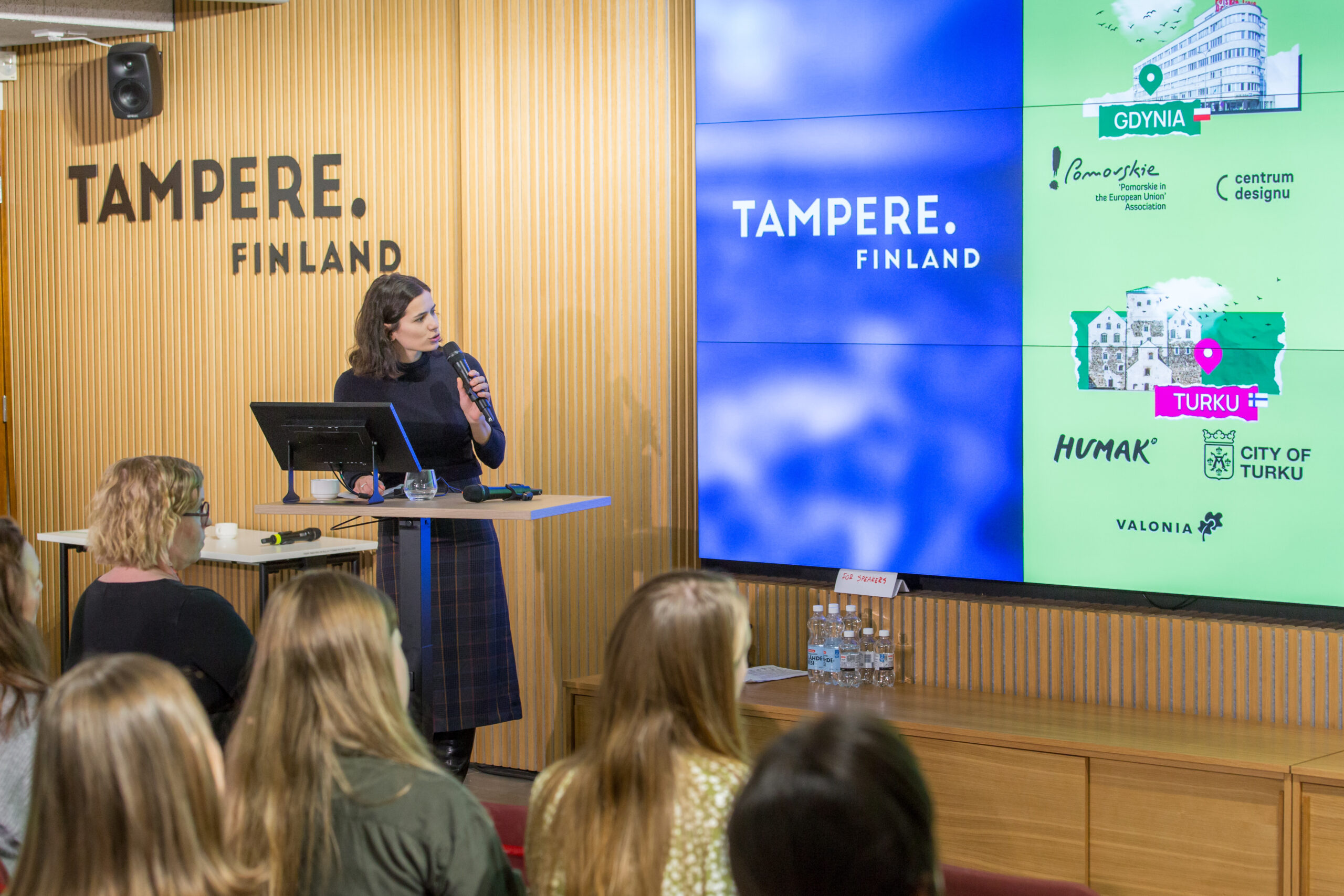
“Circular economy” was a topic in the Helsinki-Uusimaa and Tartu transition arenas, which helped build connections between regional and local authorities and local circular actors. The results are reflected in the Tartu County Roadmap for Circular Economy and in the Helsinki-Uusimaa regional strategy. In the final event Indra Levite from the Danish Cultural Institute, Latvia and Ella Metsälä from Valonia, Turku presented their experiences from another Interreg BSR project “Creative Circular Cities” that promotes circular lifestyle through engaging culture and creative business.
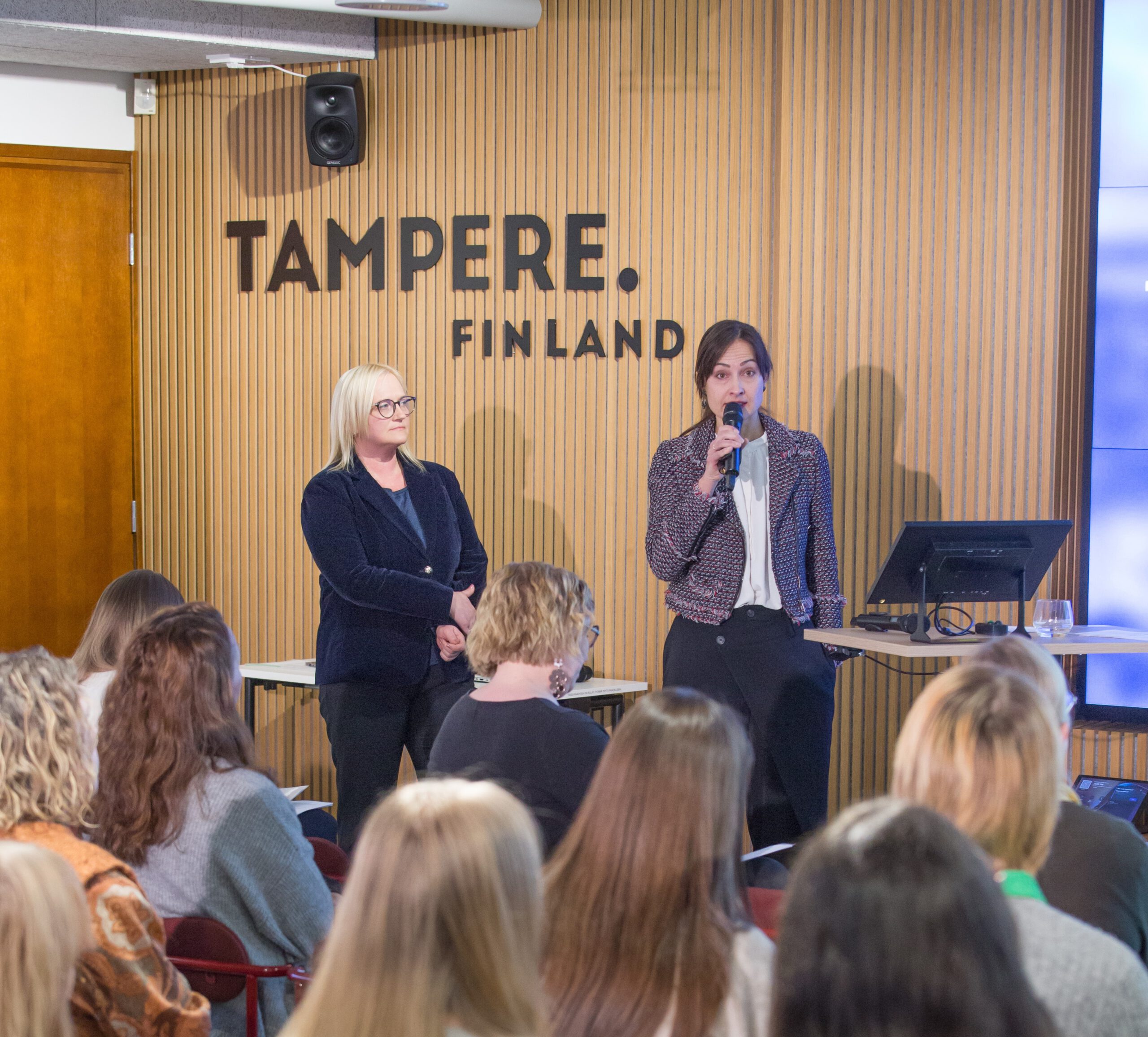
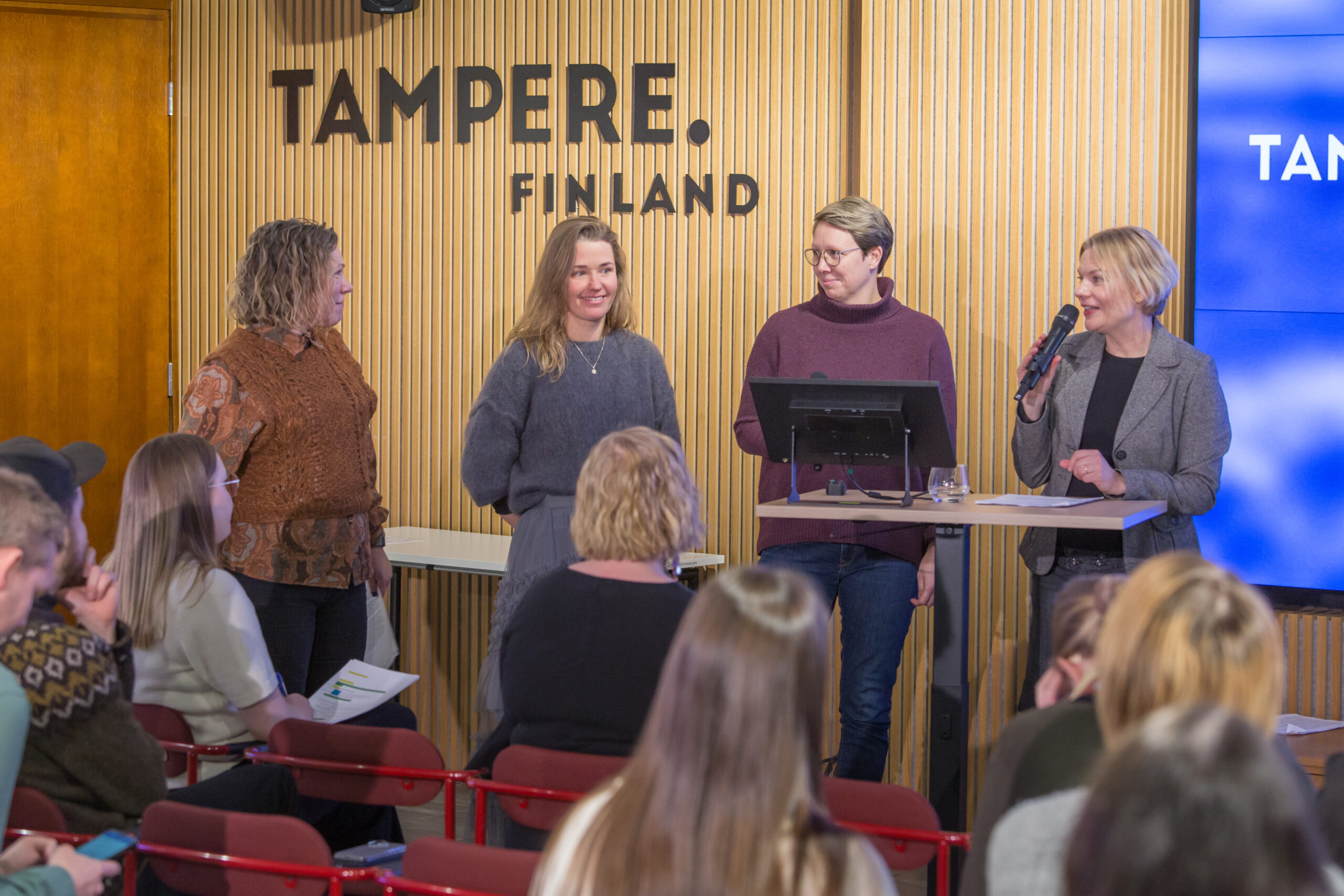
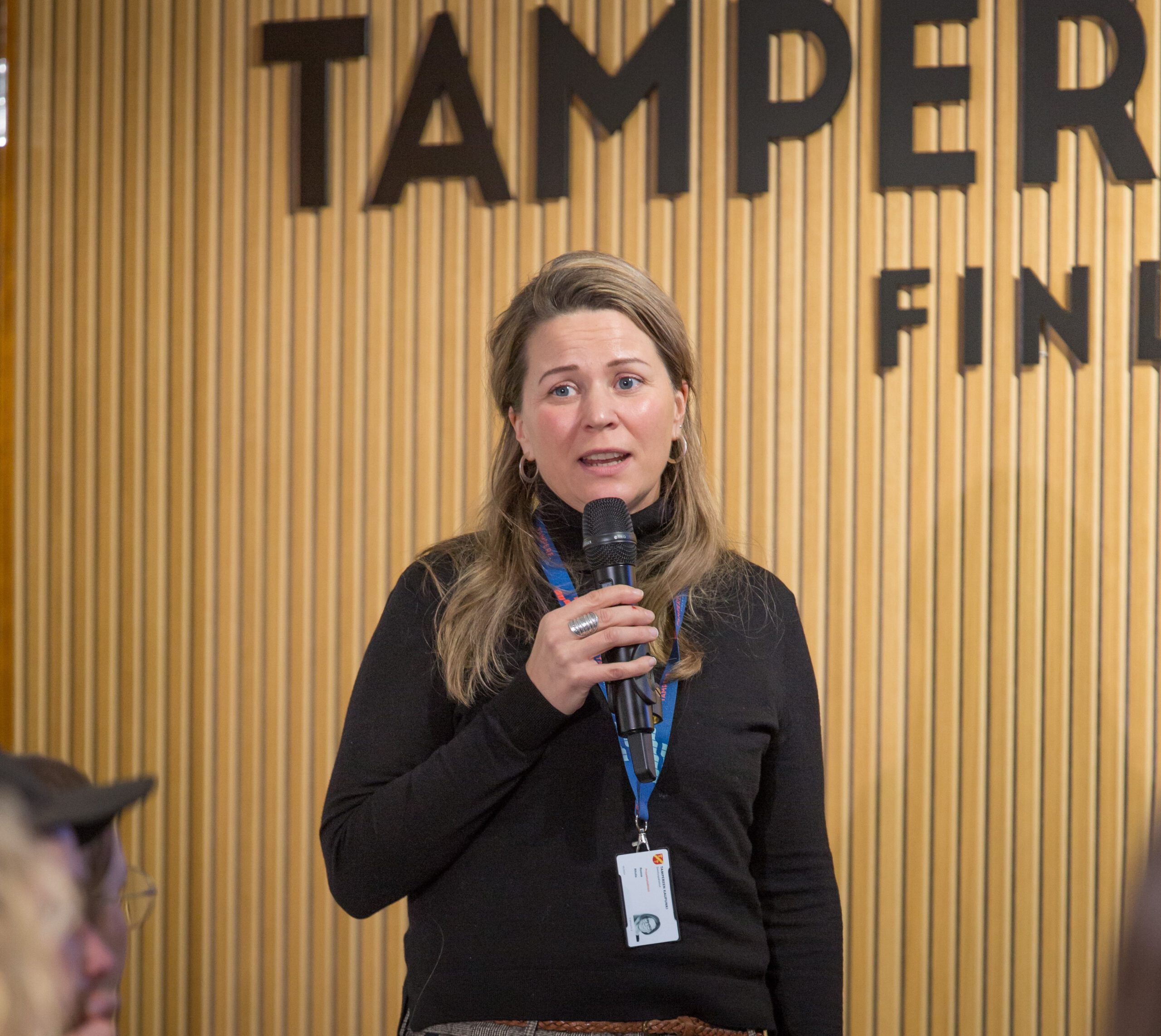
Tiina Leinonen from the City of Tampere presented the impacts of Tampere transition arena:
“The greatest thing was the involvement of politicians from all parties all the way. The arena gave space to listen, agree and launch new cooperation with local actors, which was integrated also in the new Mayor’s programme.”
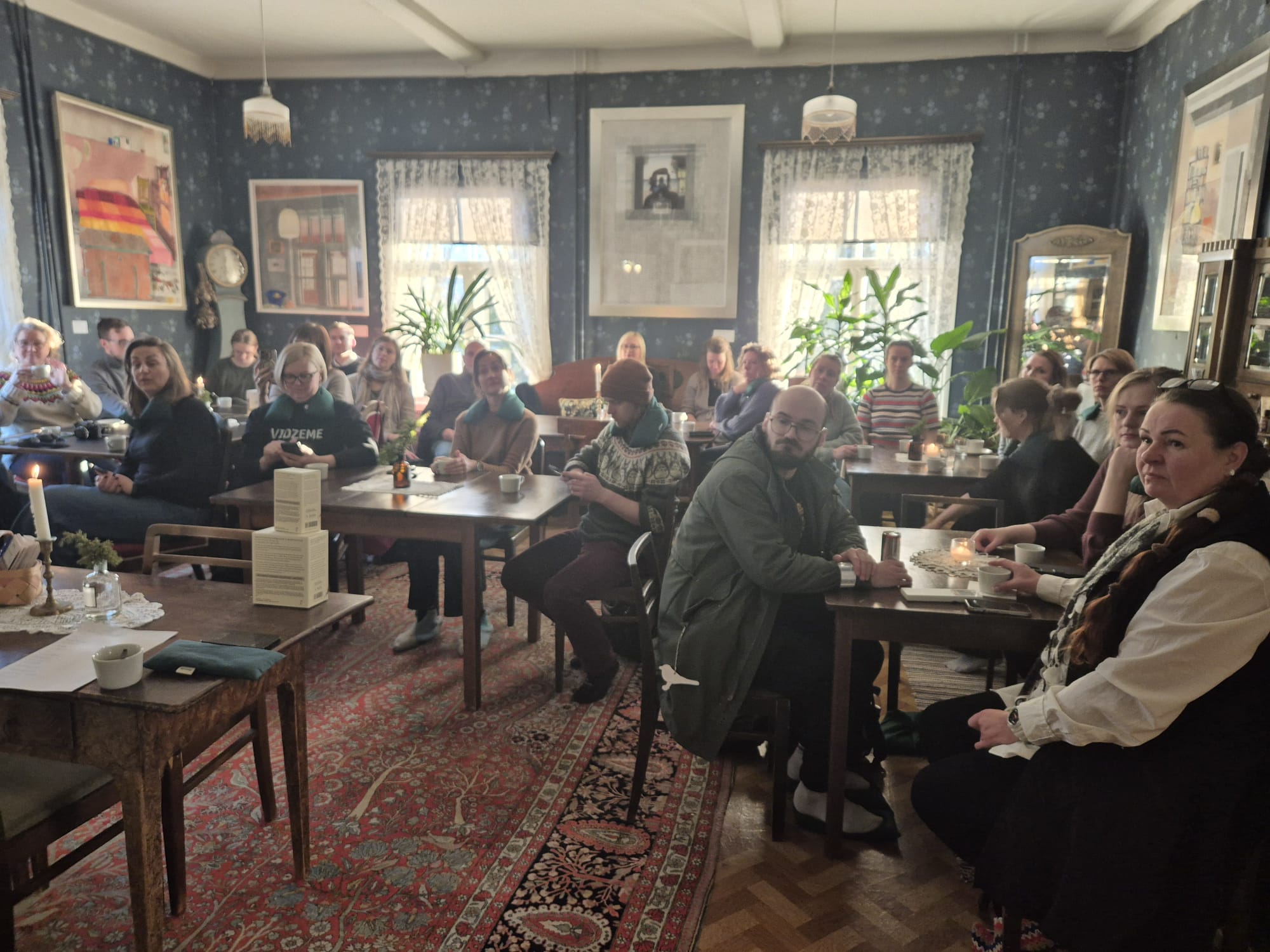
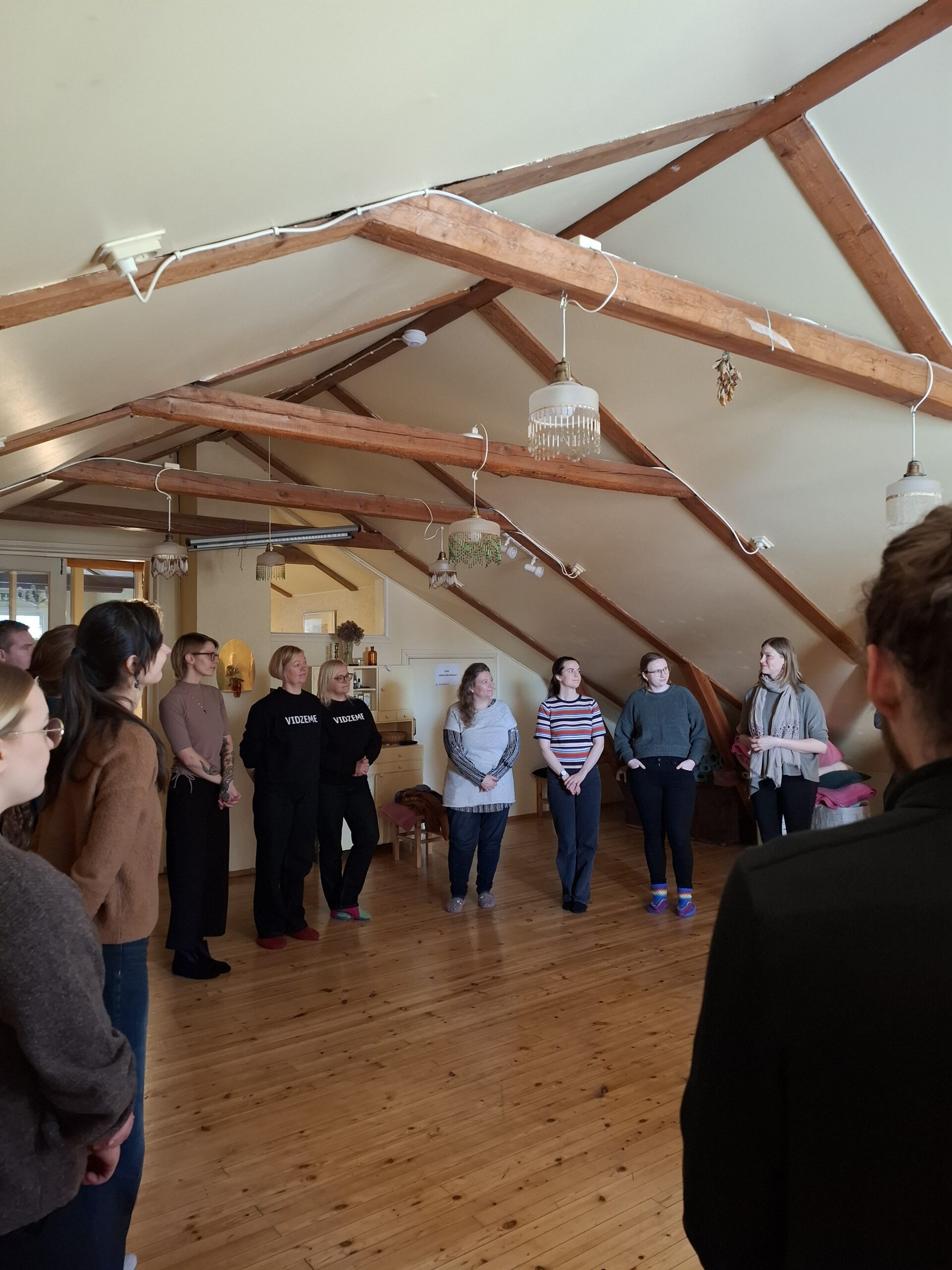
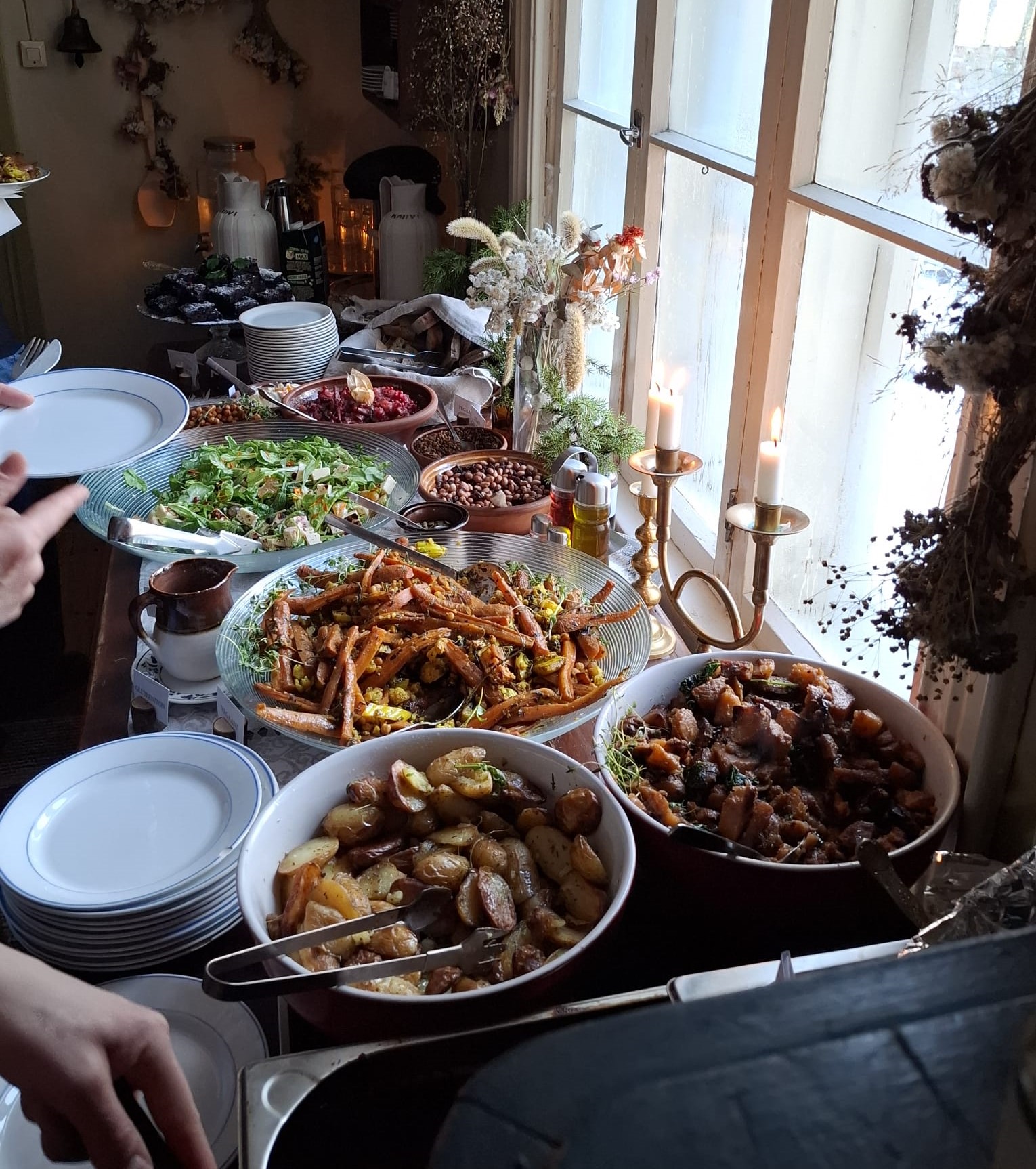
The final event participants visited also a family-owned herb farm “Frantsila” in Hämeenkyrö municipality near Tampere. The farm is known for its cosmetics made from the organic herbs and for providing local food and well-being services.
WMT! project leader Johanna Leino summarised the key learnings: “Sustainability requires escape from the individualistic culture. Sustainability is empathy & caring. Sustainability is connection with nature. WMT! arenas have been excellent spaces for interaction and finding solutions for new cooperation at the local level. The key value has been the real bottom-up approach”

details
-
Homepage
-
Project typeCore Project
-
ImplementationJanuary 2023 - December 2025
-
StatusCompleted
-
Contribution to EUSBSRPolicy Area Innovation, Policy Area Spatial Planning

-
Target groups
- Local public authority
- NGO
- Regional public authority
- Small and medium enterprise
-
Social media
-
Additional links
-
Tags