




OpenRisk II Project Final Conference on Maritime Risk Management in the Baltic Sea Region
08 October 2026
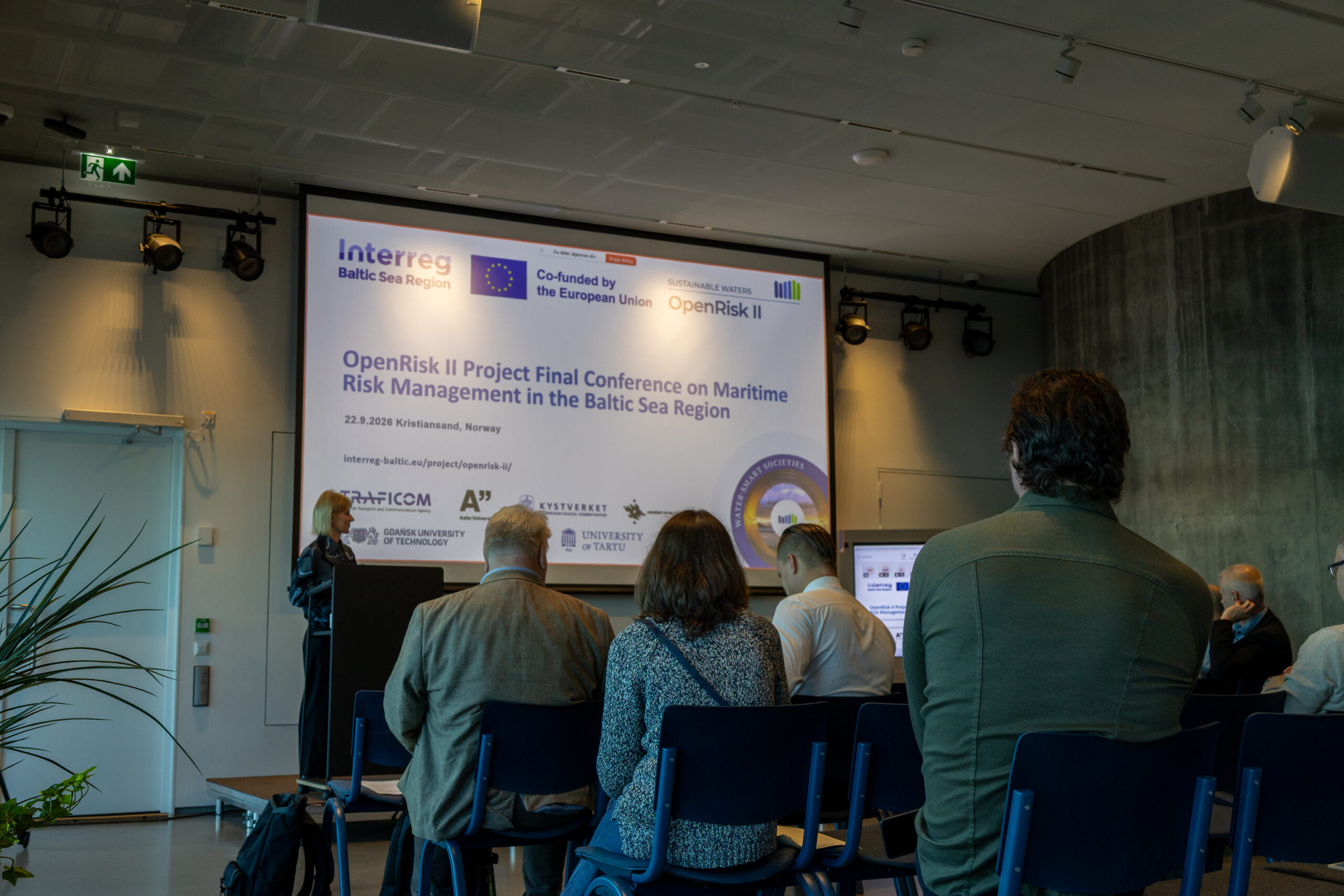
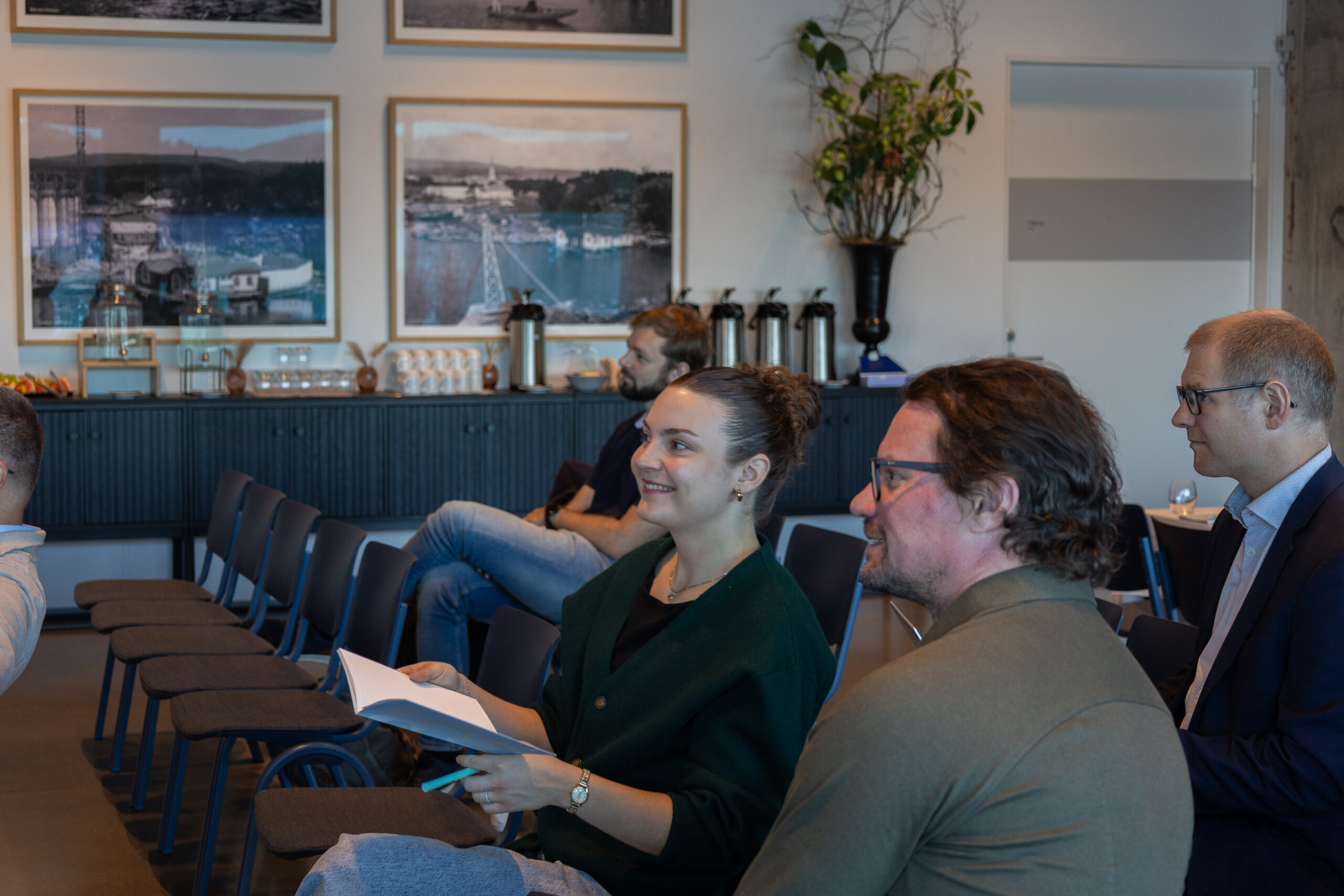
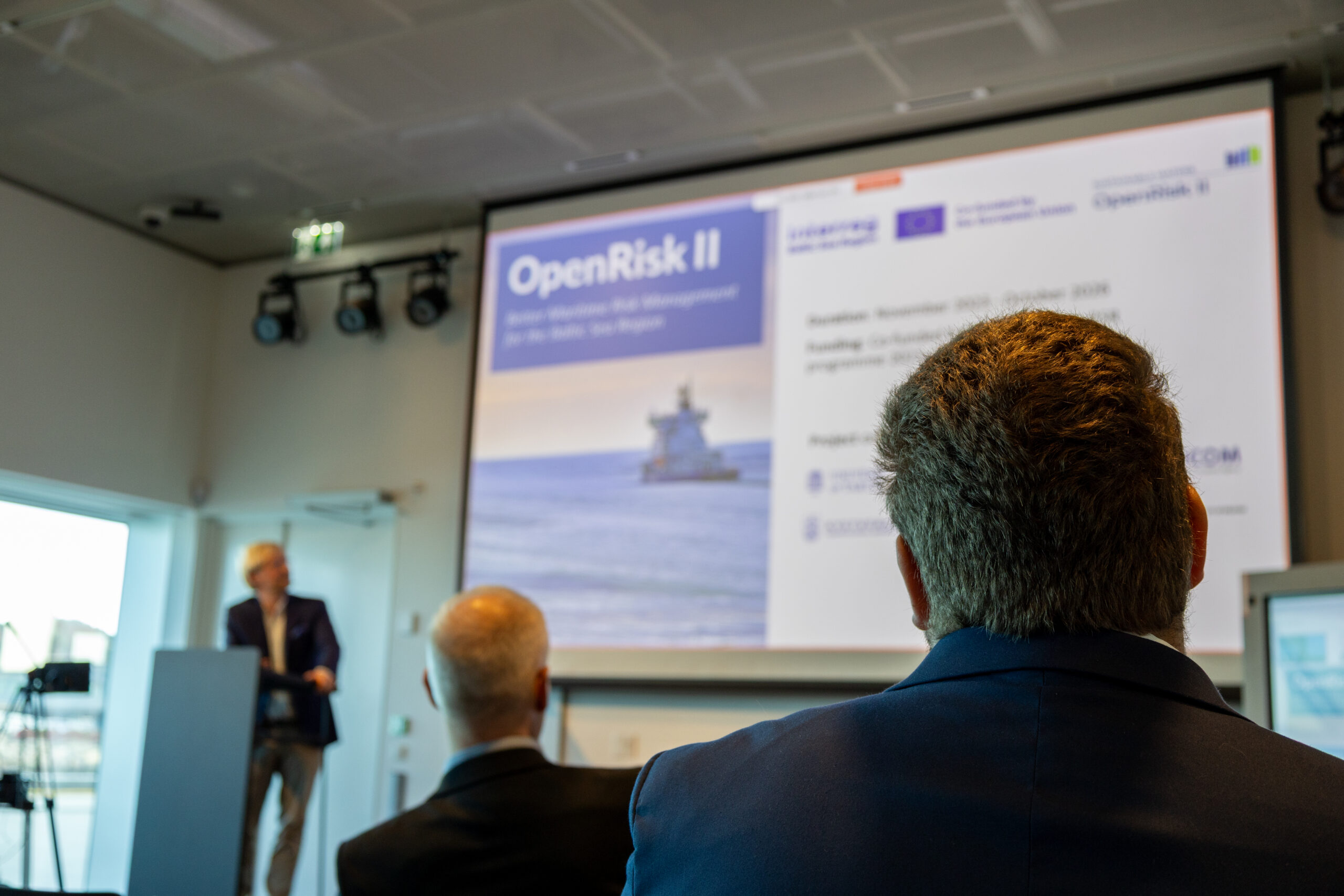
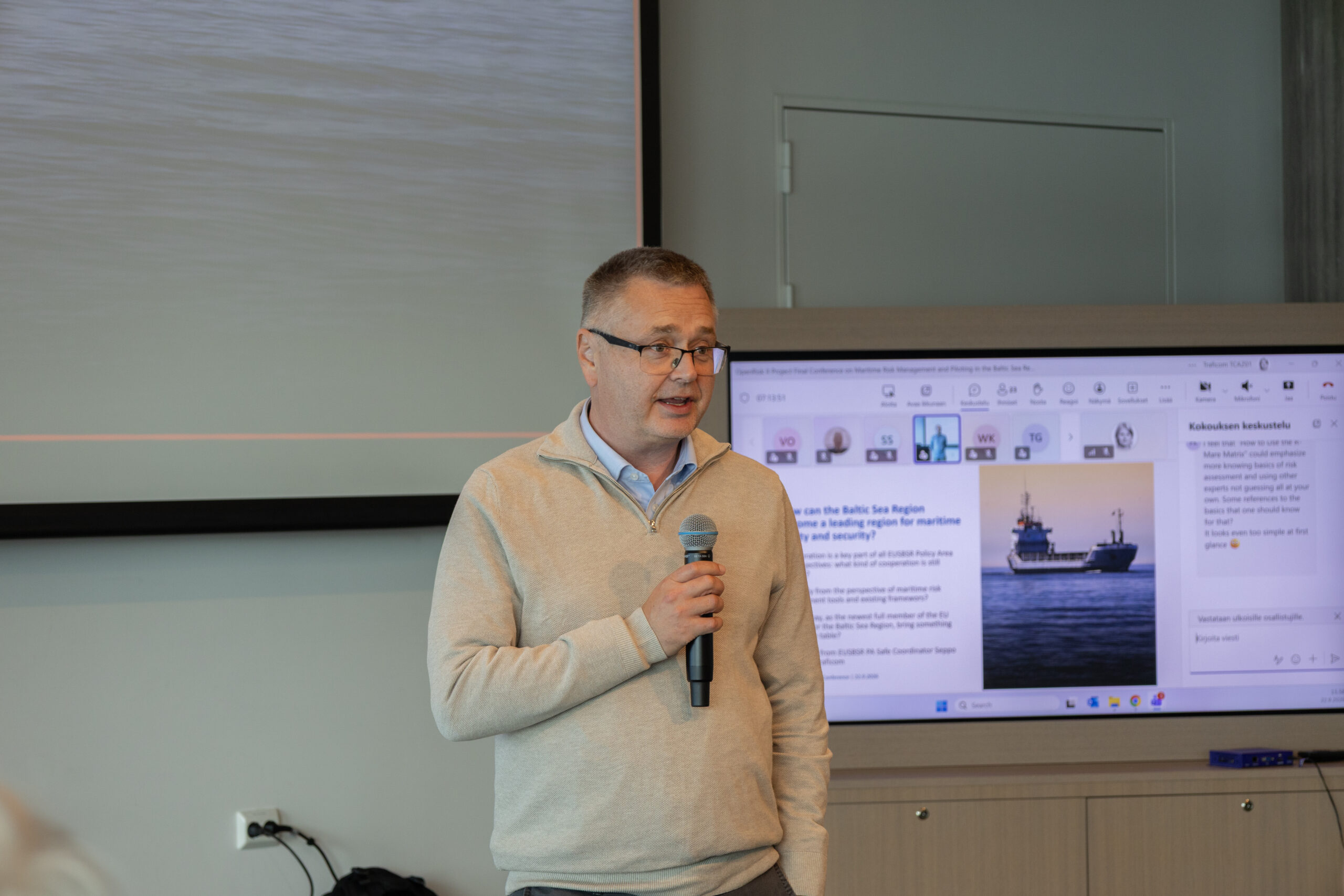
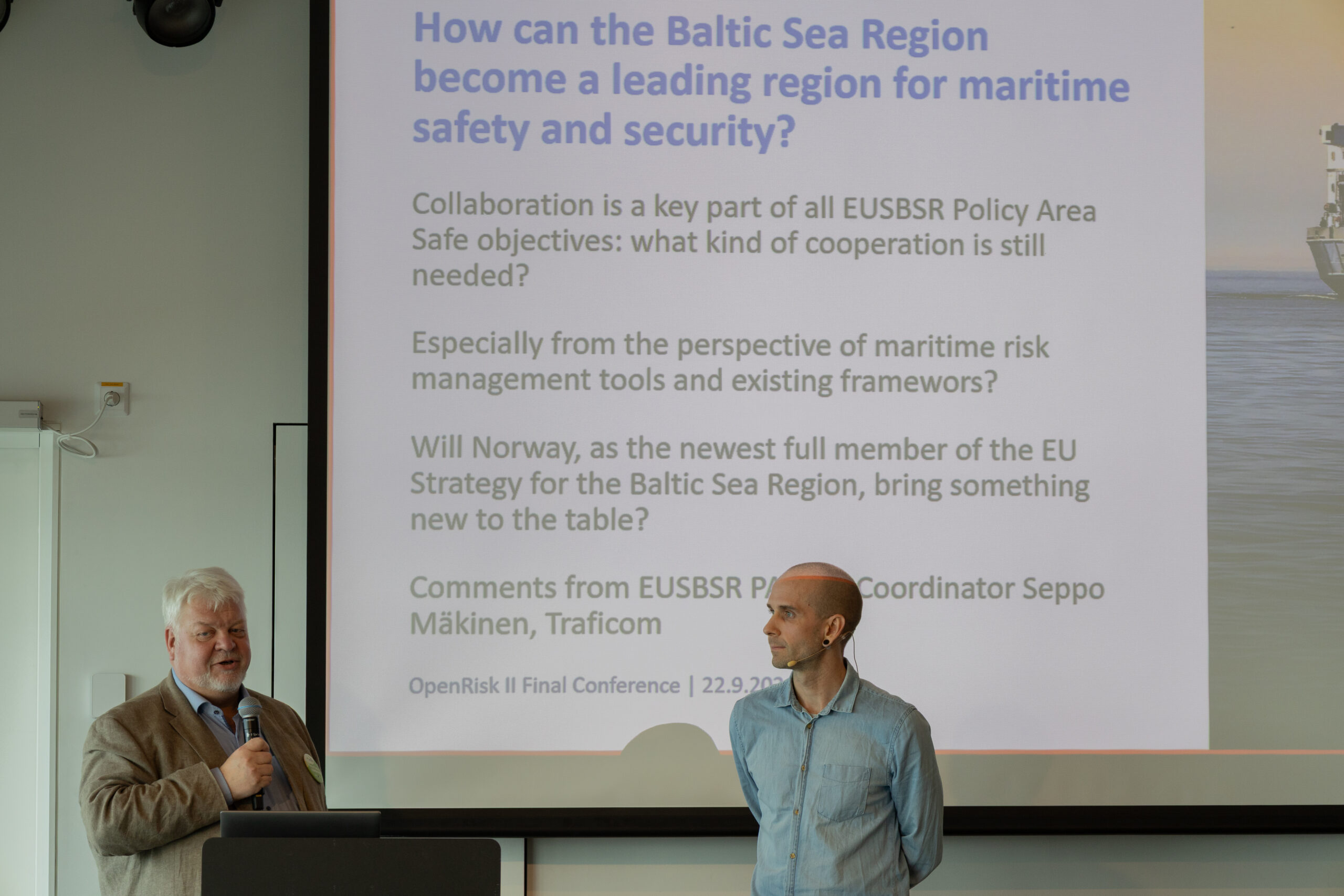
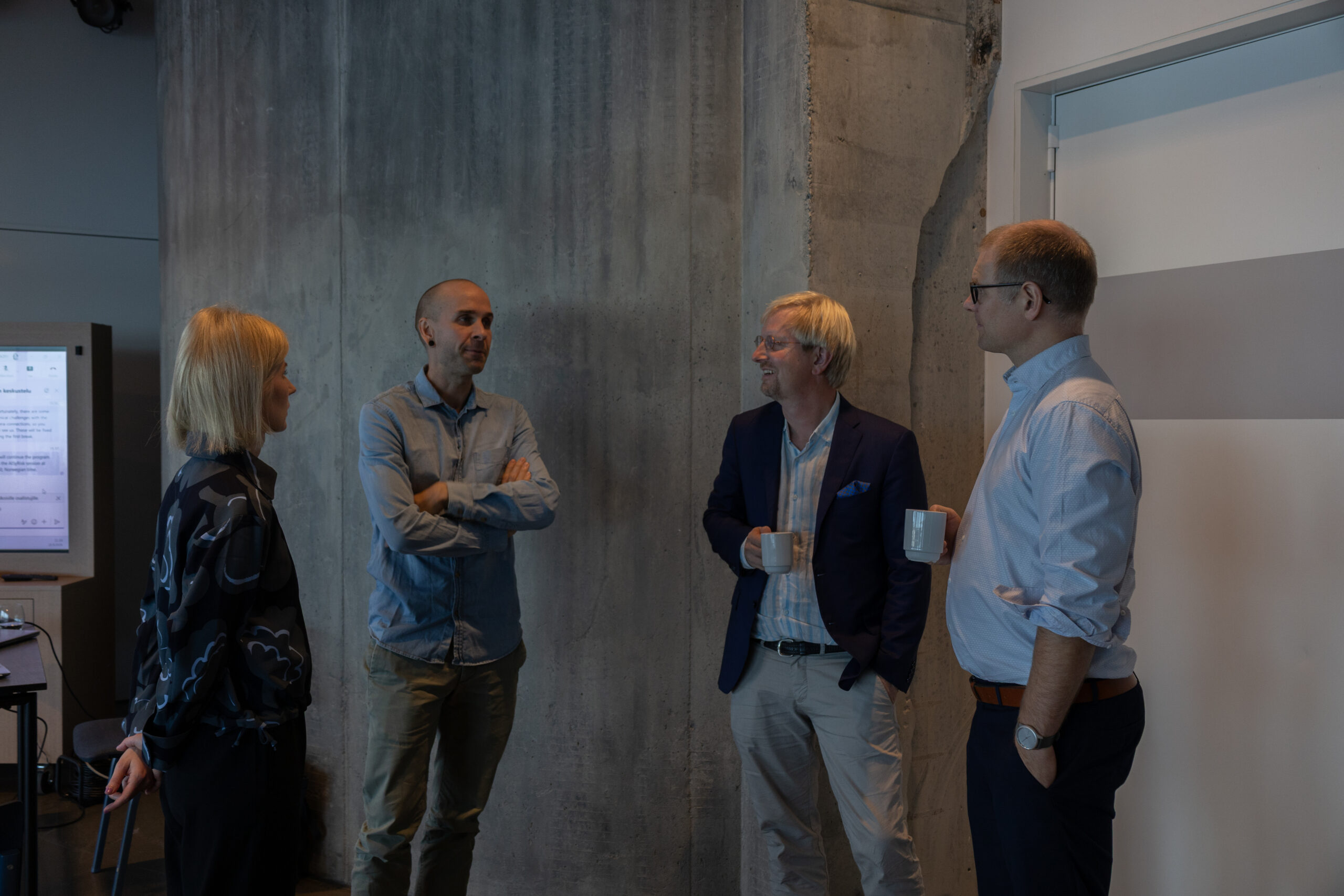
The OpenRisk II Final conference on maritime risk management in the Baltic Sea Region was held as a hybrid event on 22 September 2026 in Kristiansand, Norway. The conference highlighted the project’s achievements and explored future opportunities for advancing maritime risk management beyond the project’s lifetime. Throughout the day, participants reviewed the project’s tools and considered pathways for their wider adoption across the Baltic Sea region and beyond.
You can access the key findings in the conference report, along with all presentations, at the end of this page.
Highlighting changing risks and opportunities for cooperation
The conference opened with remarks from Hans-Petter Mortensholm of the Norwegian Coastal Administration, who highlighted increasing maritime activity, climate-related pressures and the importance of cooperation between countries. Maritime incidents can have cross-border impacts and require resources beyond the capacity of any single country, making shared knowledge and coordinated preparedness essential.
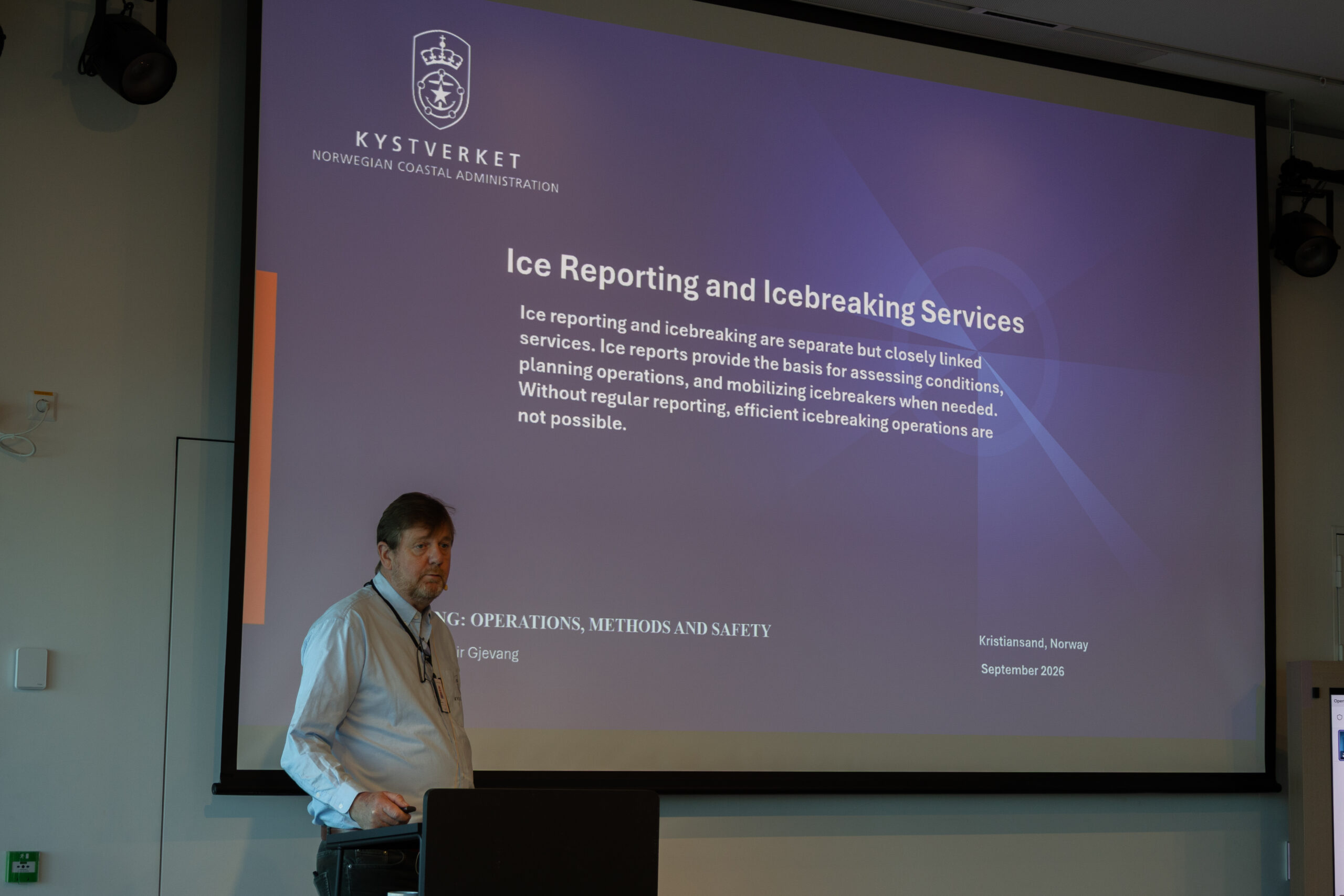
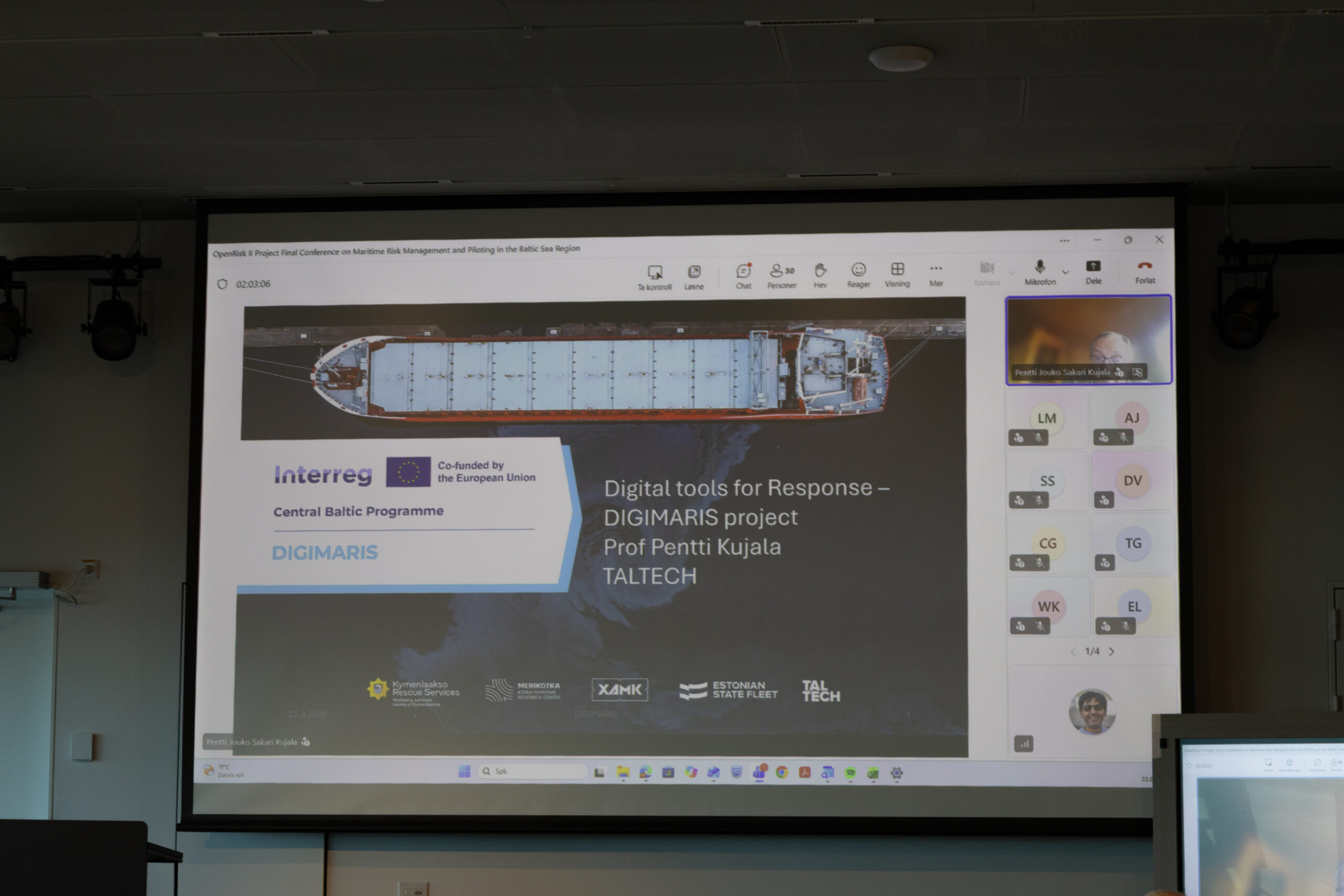
The following session set the scene with a presentation by Hermanni Backer Johnsen from Åbo Akademi University, who placed the OpenRisk II project within the wider regional and historical context of maritime risk management in the Baltic Sea. This was followed by a presentation by Geir Gjevang from the Norwegian Coastal Administration, who demonstrated the importance of reliable ice reporting for effective icebreaking as part of Norway’s ice services, while the DIGIMARIS project, presented by Pentti Kujala from the Estonian Maritime Academy at Tallinn University of Technology (TalTech), explored the potential of sensors, unmanned vessels and digital management solutions for oil-spill response. Victor Diaz Seco from the European Maritime Safety Agency (EMSA) presented ongoing risk assessment work addressing evolving pollution risks, including alternative fuels and new pollutant profiles.
Together, the presentations emphasised the growing importance of shared knowledge, coordinated preparedness, international cooperation and data-driven tools in addressing evolving maritime risks.
Putting the OpenRisk II tools into practice
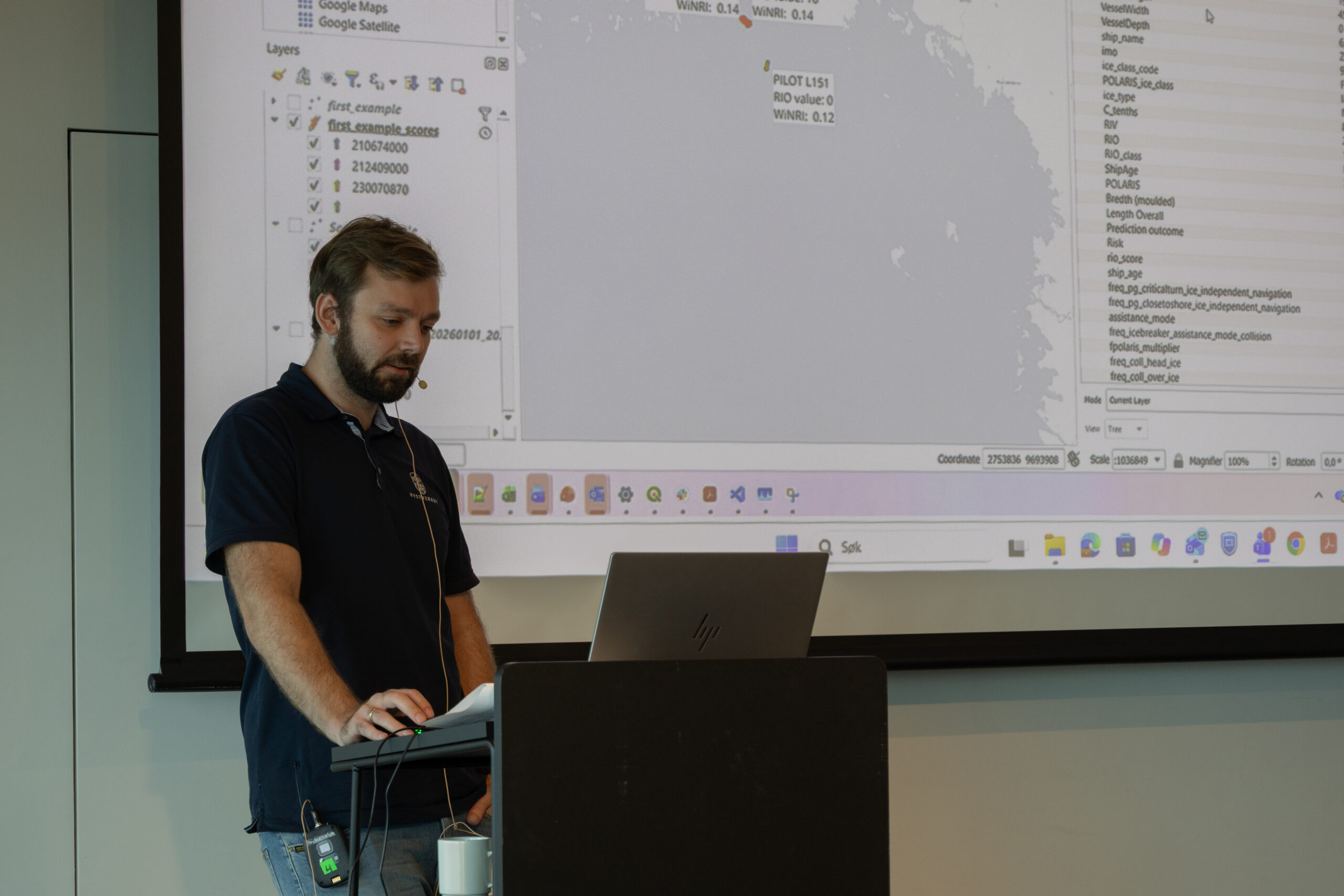
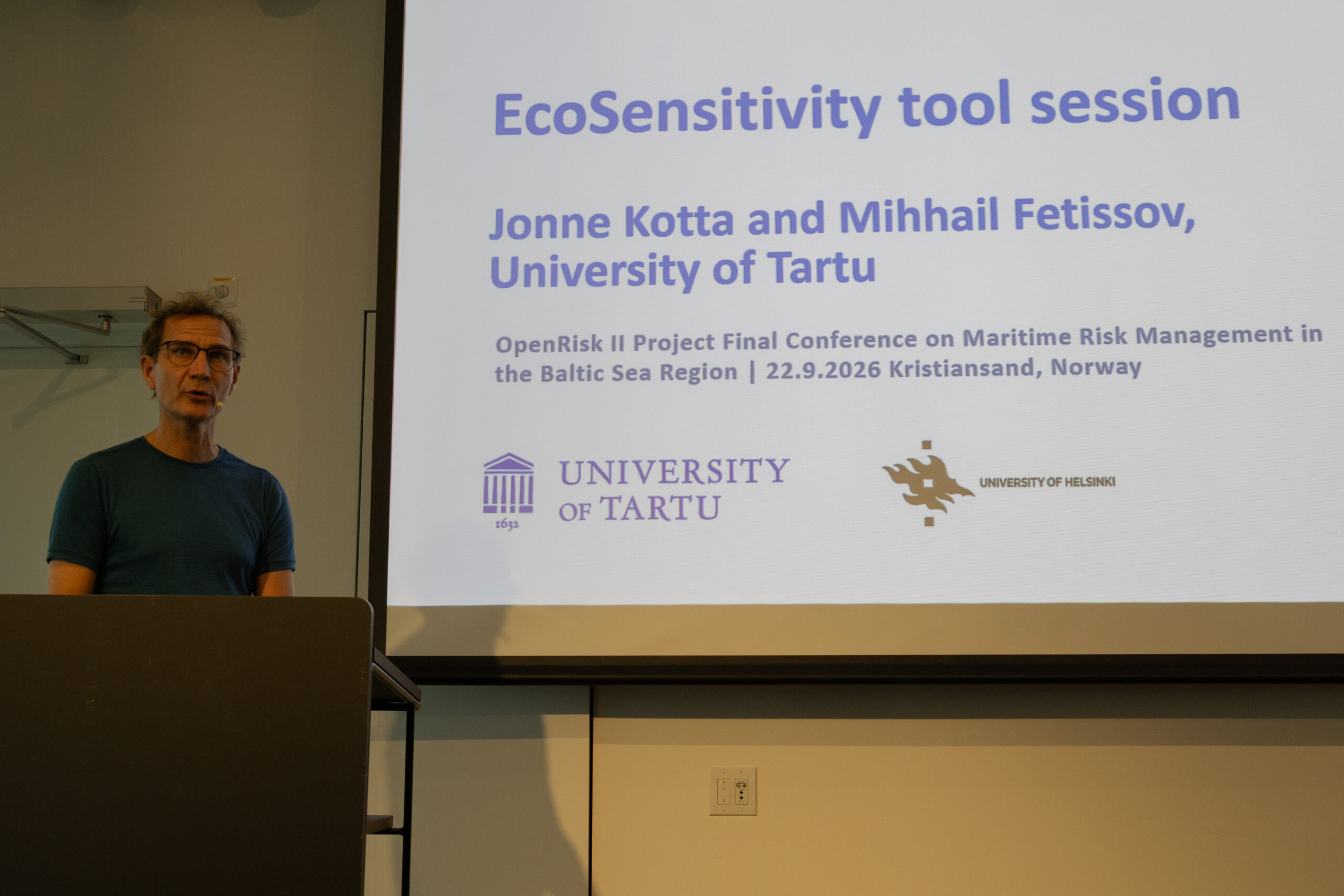
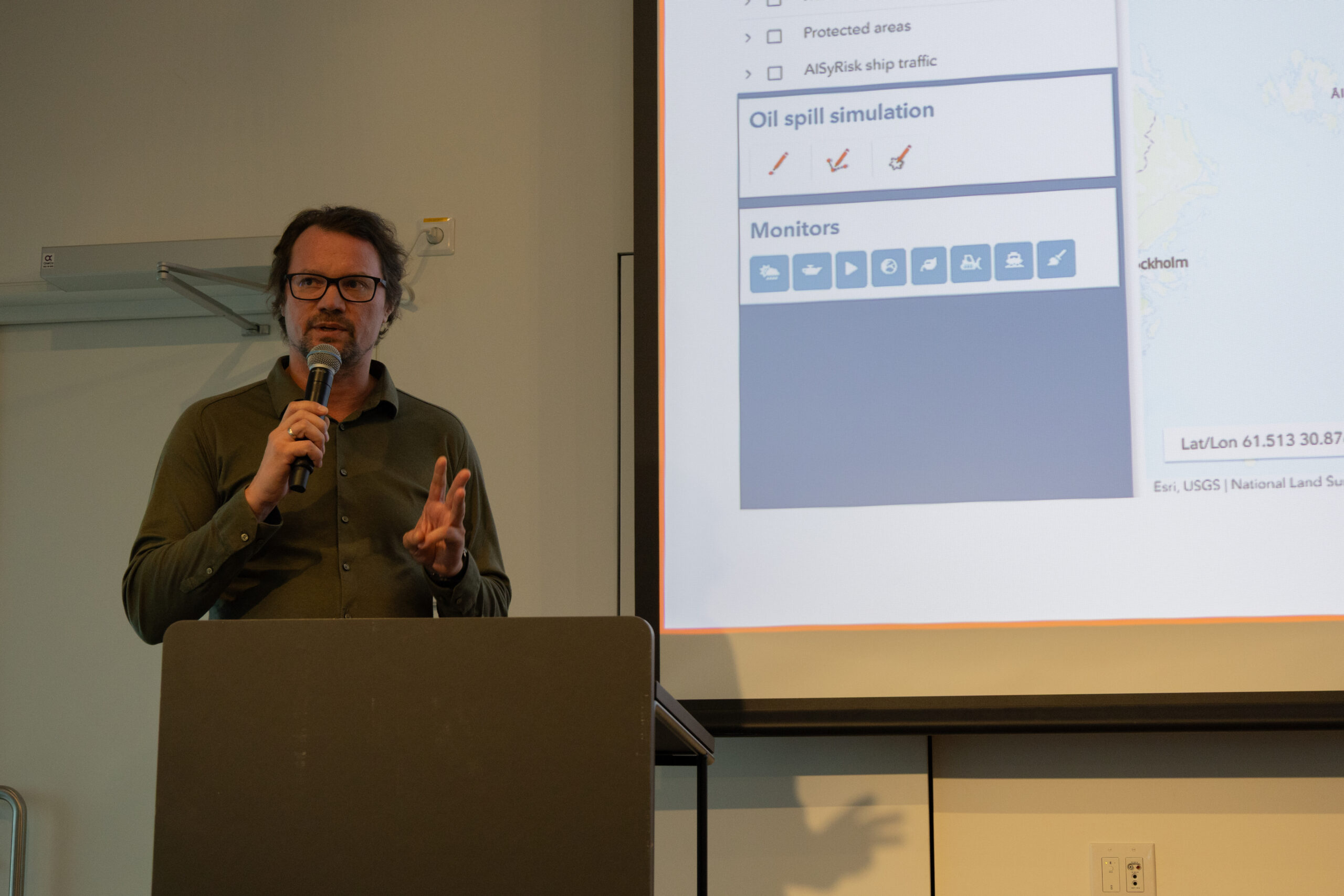
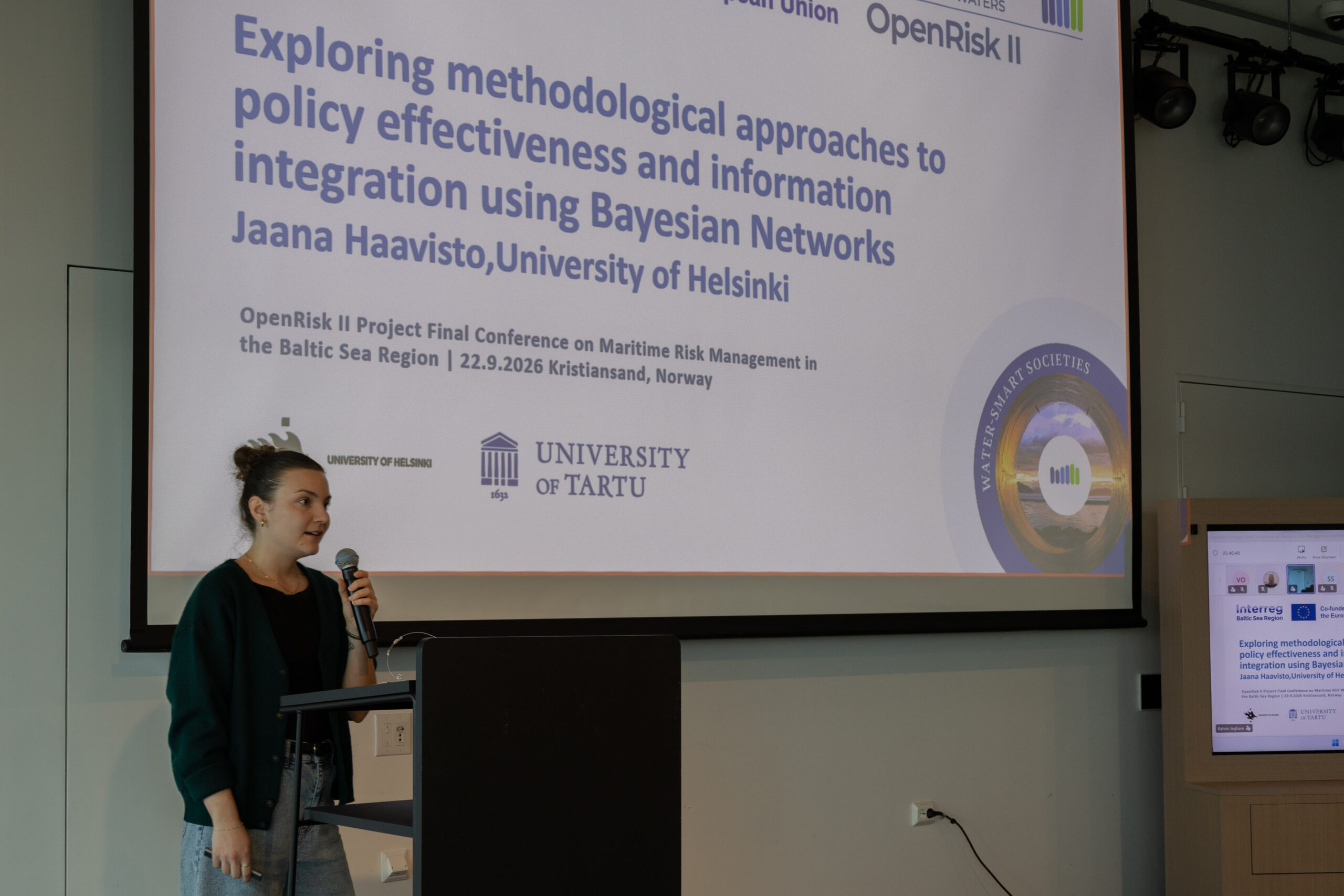
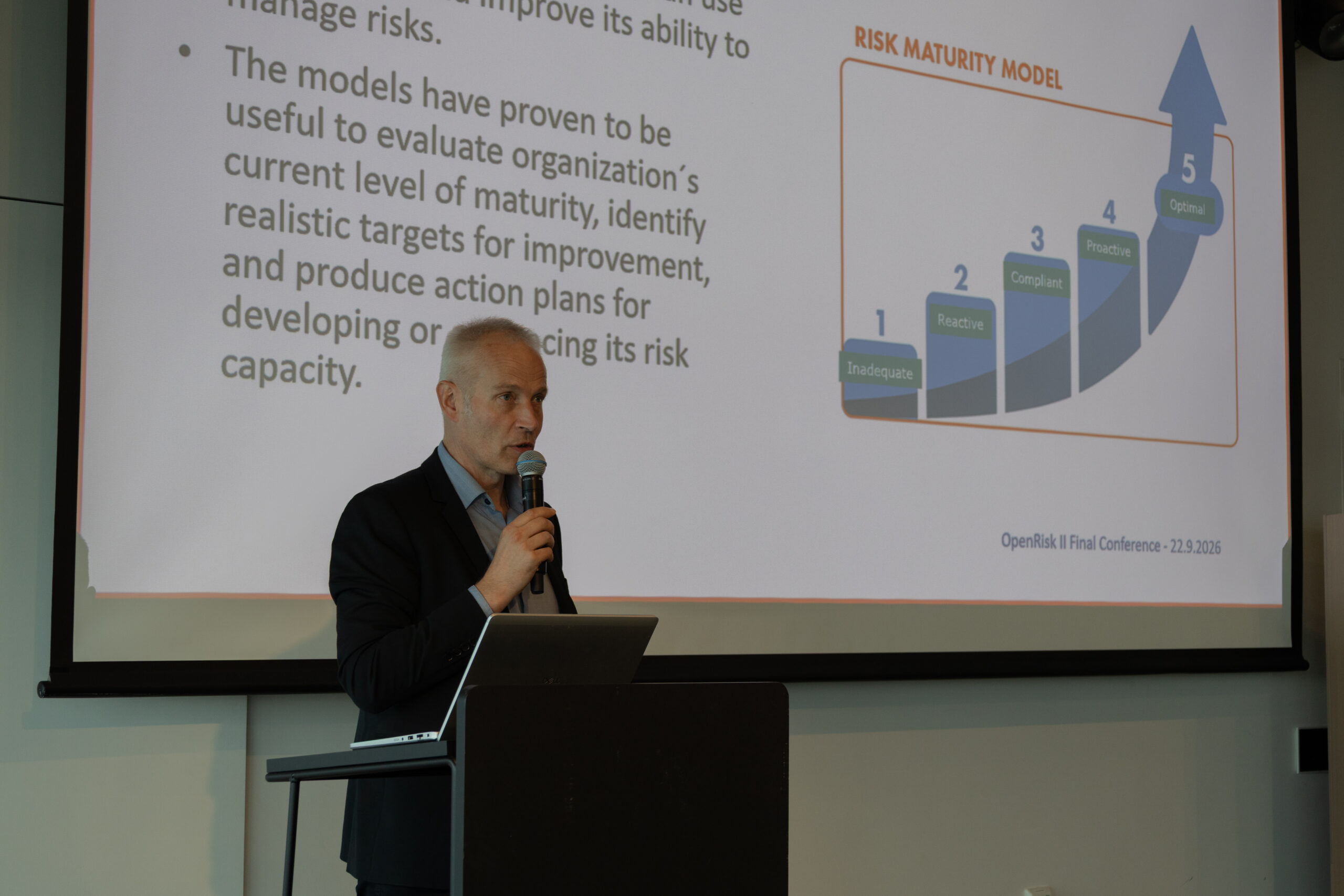
A central part of the conference was a series of tool sessions dedicated to the project’s key outputs. They explored AISyRISK Baltic and its ice module, the EcoSensitivity tool and the R-Mare Matrix. Each of the tools offers a different perspective on maritime risk management, from identifying traffic risks and assessing environmental consequences to improving organisational practices. The conference offered an opportunity to demonstrate how these tools have matured through extensive collaboration and the practical benefits they provide for strengthening maritime risk management and improving preparedness for accidents and environmental threats.
Discussions focused on improving data quality, expanding the use of emerging technologies such as AI and digital twins, enhancing practical usability, and ensuring that the tools continue to evolve to meet operational needs. Participants agreed that the tools provide a strong foundation for evidence-based risk management while offering clear opportunities for further development and wider adoption.
Building on the OpenRisk II legacy
While the conference celebrated the completion of the project, discussions in the last session were strongly future-oriented. The session explored opportunities for further development of the tools, expansion of their user base, and broader application within the Baltic Sea Region, across Europe and beyond. Participants considered how the solutions developed through OpenRisk II could continue to support maritime authorities after the project’s conclusion.
A recurring message was that practical implementation requires more than technical development. Commitment from maritime authorities, sustainable arrangements for maintaining the tools, user training and connections between complementary tools will be essential. This underlines the importance of international cooperation: the Baltic Sea remains one of the world’s busiest and most environmentally sensitive maritime areas, making collaboration essential for effective risk management.
By developing shared tools and common approaches, OpenRisk II has laid the groundwork for tackling future challenges in maritime risk management. As the project comes to an end, continued cooperation can help turn the project’s results into lasting improvements in maritime risk management.
Link to the report will be added soon!
Access the OpenRisk II Final conference report here.
You can download the conference presentations below.
- EMSA’s new Regulation and the Risk Assessment work initiated under its implementation – Víctor Díaz Seco, Senior officer, European Maritime Safety Agency (EMSA)
- Digital tools for Response – DIGIMARIS project, Pentti Kujala, TalTech Estonian Maritime Academy
- All presentations from the OpenRisk II team are compiled into one document available here.

Additional links
details
-
Homepage
-
Project typeCore Project
-
ImplementationNovember 2023 - October 2026
-
StatusOngoing
-
Contribution to EUSBSRPolicy Area Safe, Policy Area Ship

-
Target groups
- Higher education and research institution
- International governmental organisation
- National public authority
-
Social media
-
Additional links
-
Tags