




EMPEREST: Advancing PFAS Monitoring and Micropollutant Removal
23 September 2026
The EMPEREST project, funded by Interreg BSR, was built on a long shared experience in water management development. Most members of the partnership had already worked together in many projects prior to this one. Initially, EMPEREST was created to address the needs of local authorities and the water sector in the upcoming implementation of the recast of the Urban Wastewater Treatment Directive (rUWWTD). Another emerging issue at the time of planning the project was the growing awareness of pollution from PFAS (per- and polyfluoroalkyl substances) and other organic micropollutants in the environment.
EMPEREST created three main solutions to address the identified challenges. First, the EMPEREST project partners mapped, in close collaboration with a network of external experts, the situation of PFAS pollution in the Baltic Sea and the catchment area, and gave guidelines for further monitoring of the pollution. Second, EMPEREST built a tool with which local authorities and water utilities can identify possible PFAS pollution hotspots in their area. Third, the project piloted wastewater treatment technologies in seven different wastewater treatment plants to collect information on their effectiveness and feasibility. In addition, the project created an extensive training package on PFAS for local authorities, water service providers, national water associations, environmental centres and other relevant multipliers. The training package is available at the Baltic Smart Water Hub.
Solution 1, Methodological recommendations for monitoring and assessment of PFAS in the aquatic environment, aimed to support especially international governmental organisations and national public authorities in their work. The solution paves the way for creating a comprehensive picture of PFAS pollution in water bodies in the Baltic Sea region. The sample assessment system proposed can be used by a larger group of stakeholders to understand the trends of PFAS, including the alarming amounts of PFAS accumulated in fish according to the proposed threshold values in new legislation. Solution 1 is also used in the work on the Baltic Sea Action Plan and the EU Strategy for the Baltic Sea Region update, and at OSPAR at the North Sea.
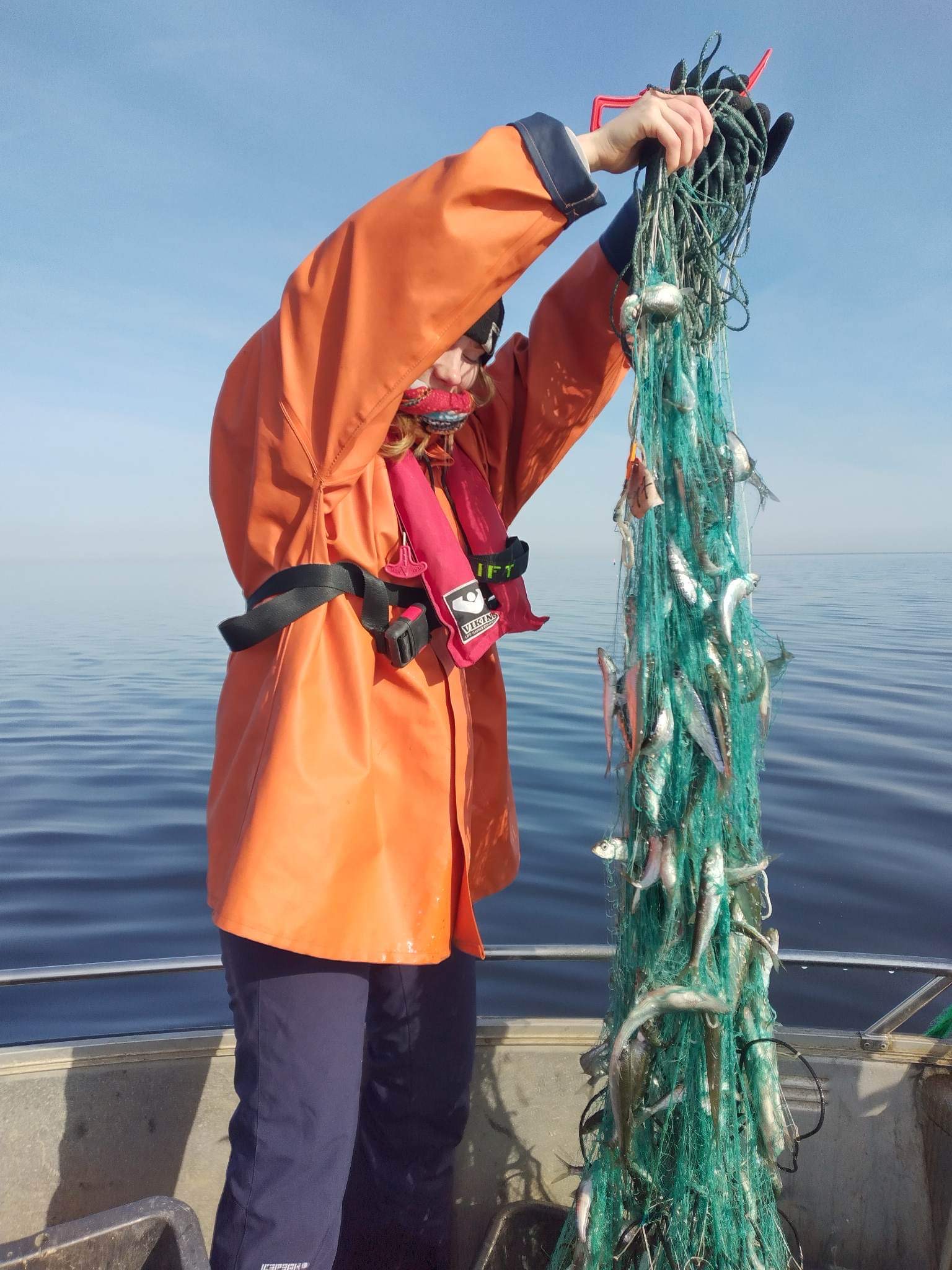
The work on PFAS pollution mapping and recommendations for monitoring included taking samples of fish in the Baltic Sea. These fish samples were collected at the Estonian coast. Photo: Kirke Paris.
Solution 2, PFAS risk assessment plan for local authorities, gives essential support to cities and water utilities in their front line work on tackling the PFAS problem. Local authorities must guarantee safe drinking water, manage groundwater, operate wastewater systems and answer citizens’ concerns about health impacts – and in many cases carry the financial burden of monitoring and remediation of PFAS pollution. The EMPEREST PFAS risk-assessment plan and tool is adopted by cities in the Baltic Sea region. It is also further developed in the BalticPFASResolve project, co-funded by Interreg Central Baltic: the project builds on EMPEREST lessons when developing a municipal PFAS management handbook to be tested in 11 municipalities in Sweden, Finland, Estonia and Latvia.
Solution 3, Strategies and technological means for minimising organic micropollutant emissions from WWTPs, gives infrastructure and public service providers and national public authorities crucial results for informed investment decisions concerning quaternary treatment required by the rUWWTD. The technologies tested include ozonation, granular activated carbon, ion exchange and nanofiltration. The removal efficiency of these technologies was between 89 and 100 % regarding the micropollutants listed in the rUWWTD. For PFAS compounds, the results were complex. After the project, the mobile pilot plants are and will be used in other projects in the region.
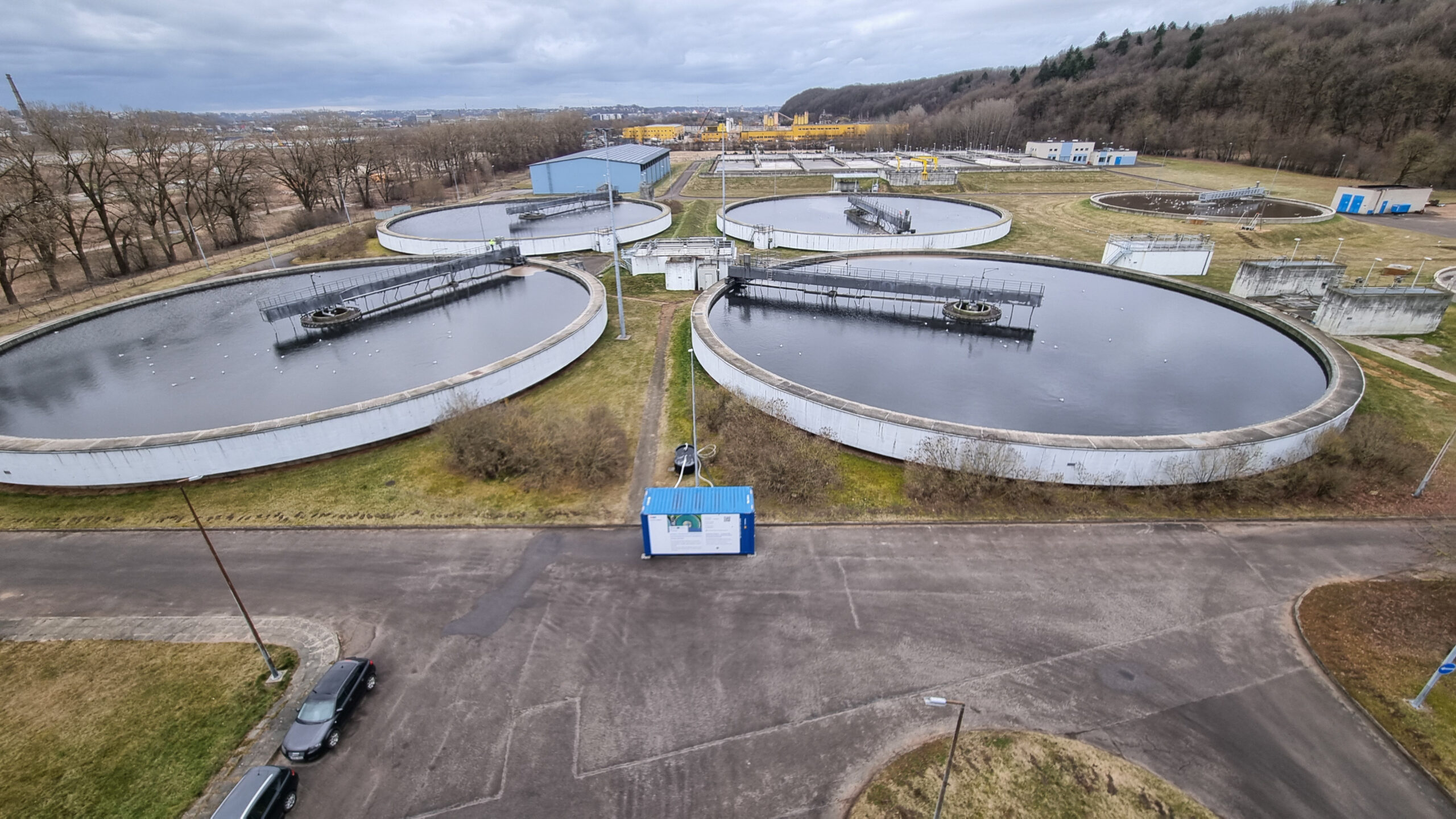
The testing of wastewater treatment technologies was conducted with mobile pilot plants which travelled to altogether seven wastewater treatment plants in the Baltic Sea Region. In this photo, the mobile plant is being used in Kaunas. Photo: Mariia Andreeva.
The EMPEREST project operated mainly in the areas of mapping and remediation of pollution from hazardous substances, and created important results in these areas, especially regarding the removal of pharmaceuticals from wastewater. However, the most important key message of the project, crafted throughout the implementation years internally within the partnership and also externally in numerous exchanges, is that prevention of pollution is crucial: despite advanced removal technologies, preventing pollution from hazardous substances is a more effective and cost-efficient approach. Indeed, the EMPEREST key messages include a call for increasing the selection of PFAS-free products on the market, for strengthening the consumer responsibility to make PFAS-free choices, and finally for supporting a general PFAS ban in industry.
All EMPEREST reports can be found at project website: EMPEREST – Interreg Baltic Sea Region
EMPEREST project story video is available in YouTube: The EMPEREST story | Work towards toxic-free future of the Baltic Sea Region
Text written by Lotta Lehti

Additional links
details
-
Homepage
-
Project typeProject Platform

-
ImplementationJuly 2025 - June 2028
-
StatusOngoing
-
Contribution to EUSBSRPolicy Area Hazards

-
Target groups
- Business support organisation
- Infrastructure and public service provider
- Local public authority
- National public authority
- NGO
-
Social media
-
Additional links
-
Tags