




A common path towards greener industrial areas in the Baltic Sea Region
26 February 2026
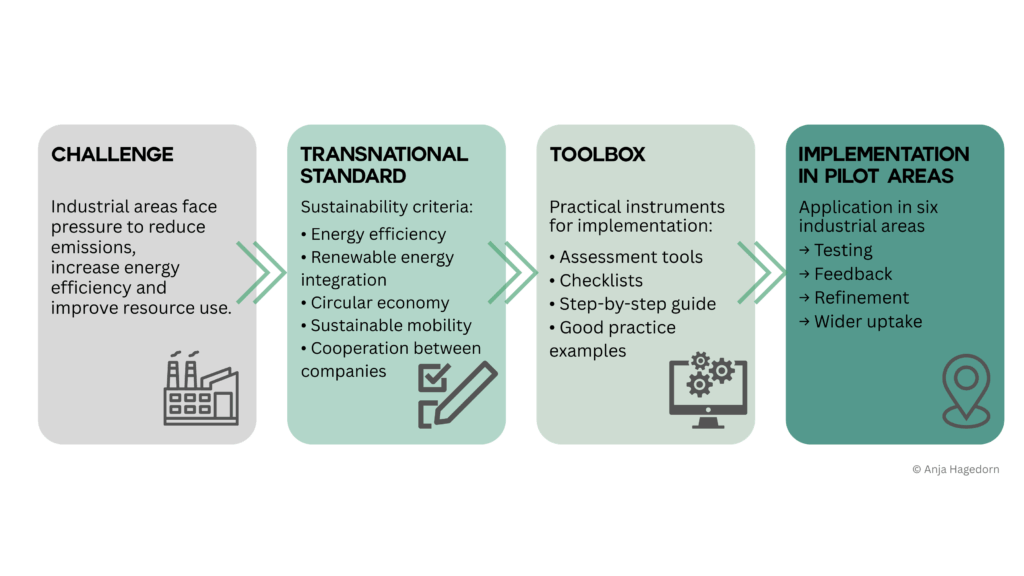
The challenge: Industrial areas at a turning point
Across the Baltic Sea Region, industrial areas form the backbone of local and regional economies. They provide jobs, attract investment and anchor supply chains. At the same time, they consume vast amounts of energy, generate emissions and often lack structured strategies for climate-neutral development.
Municipalities and industrial park operators face increasing pressure to reduce carbon footprints and improve resource efficiency — yet many lack clear guidance on how to organise this transition in a systematic and measurable way.
This was the starting point of the GreenIndustrialAreas project: a shared effort to answer a simple yet pressing question — how do industrial areas transform into greener and smarter spaces in practice?
The solution: From ambition to a practical framework
Rather than producing abstract recommendations, the partners set out to create a concrete and transferable framework that could be used by public authorities and industrial stakeholders alike. The result was the Transnational Green Industrial Area Standard, supported by a practical toolbox.
The standard lays out criteria for sustainable industrial area development, from energy efficiency and renewable energy integration to circular economy solutions, coordinated mobility and company collaboration. The toolbox complements that standard with hands-on guidance, assessment tools and examples drawn directly from practice.
This approach reflects the partnership’s ambition to bridge strategic objectives with operational reality — ensuring that tools created in the project are usable far beyond the pilot phase.
Testing the concept: Six pilot industrial areas
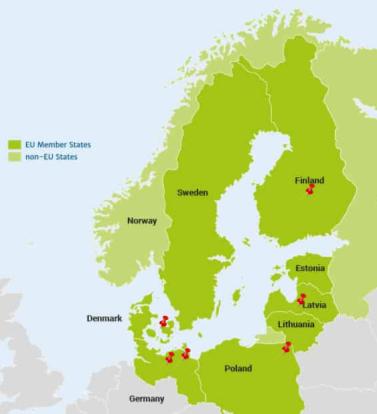
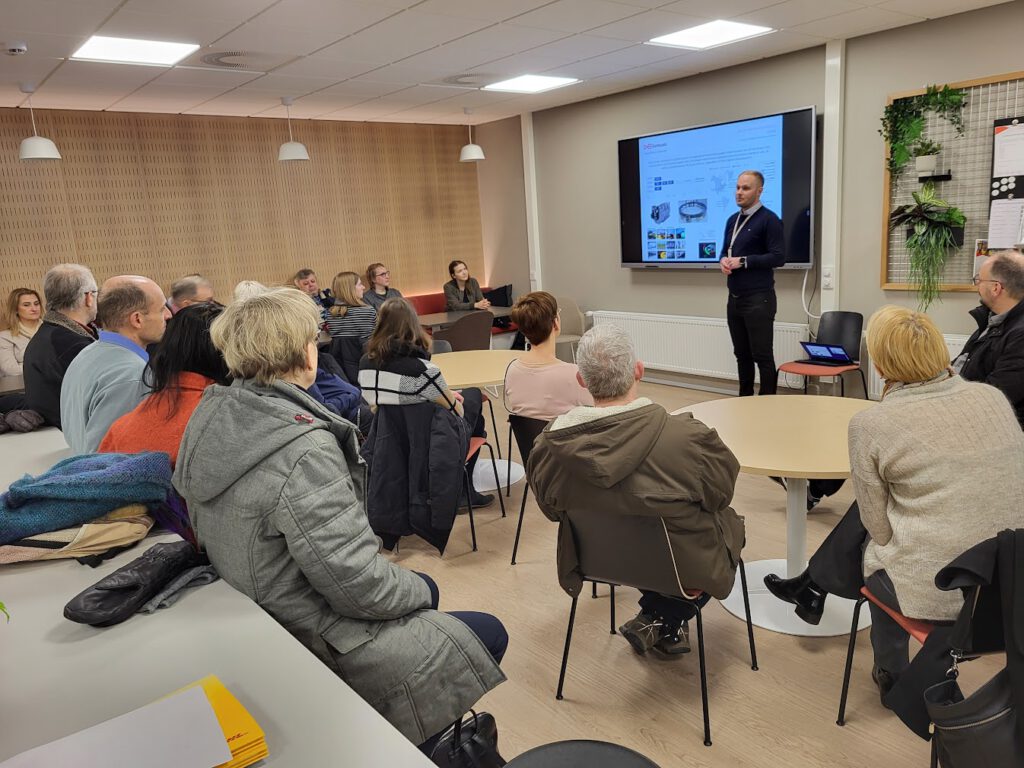
The framework was not developed in isolation. It was tested in six pilot industrial areas across five countries in the Baltic Sea Region. Local authorities, park operators and companies were actively involved in applying the draft criteria, reflecting on feasibility and sharing experiences.
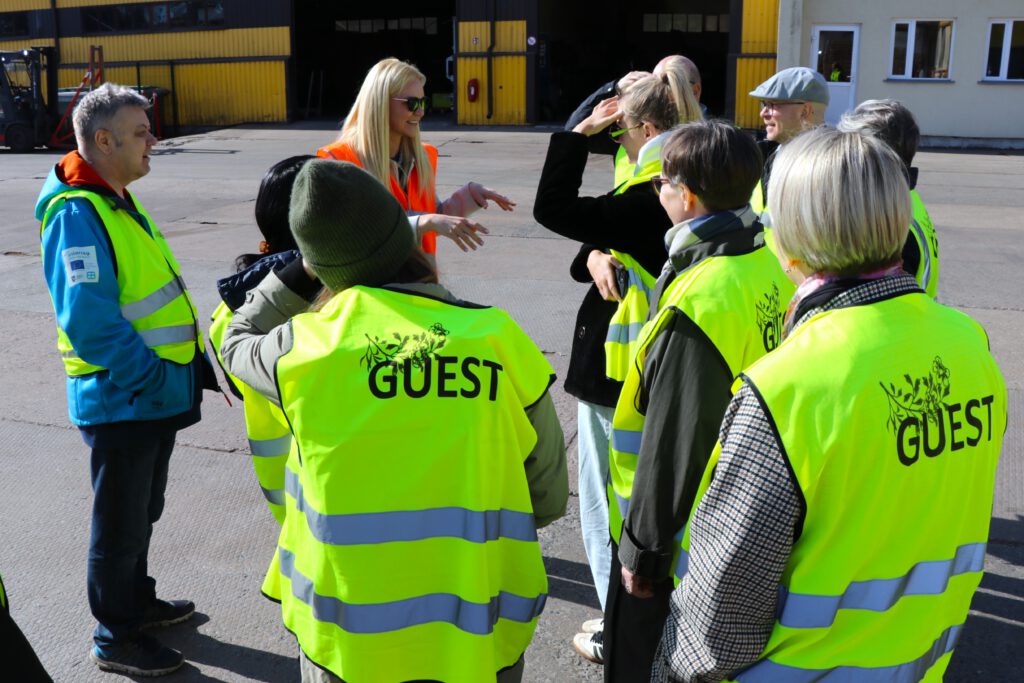
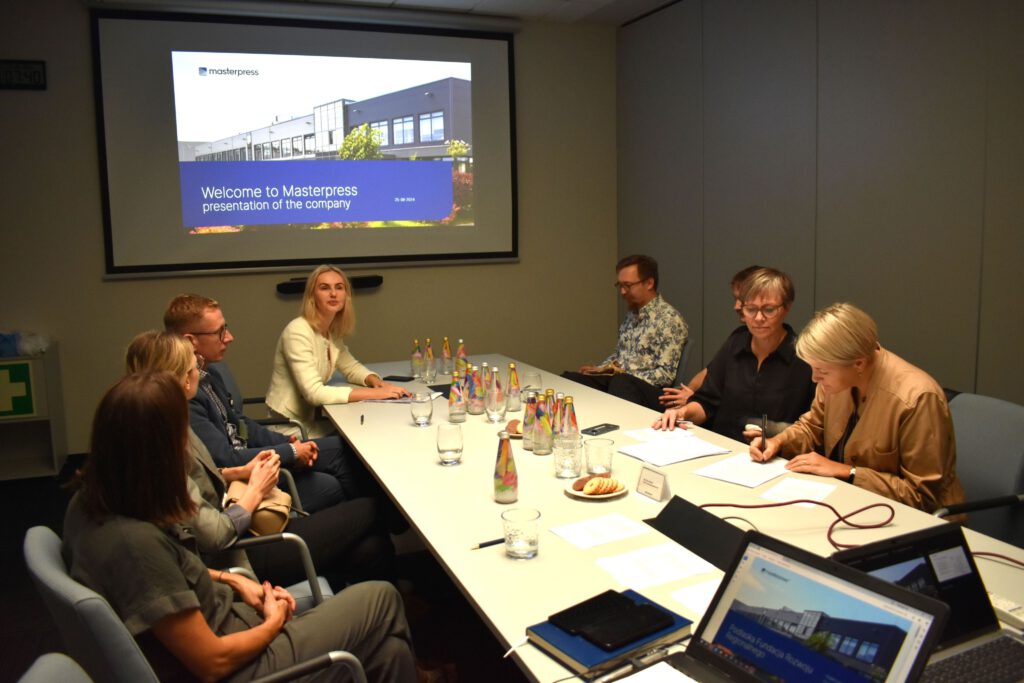
Peer review teams, made up of project partners and external experts, visited facilities in Denmark, Finland, Latvia, Poland and Germany. These visits brought partners and local stakeholders together around real sustainability questions and solutions, from renewable energy targets to material exchange between companies.
As one of the project’s expert participants reflected in an interview, “The visits have shown that sustainability is an active process.” — Astrid Hackl, Sustainable Business Hub Scandinavia, commenting on what the pilot phase revealed about industrial sustainability efforts.
This grounded experience helped shape the final version of the standard, ensuring it reflects what is realistically achievable on the ground.
Evidence of impact: From testing to wider uptake
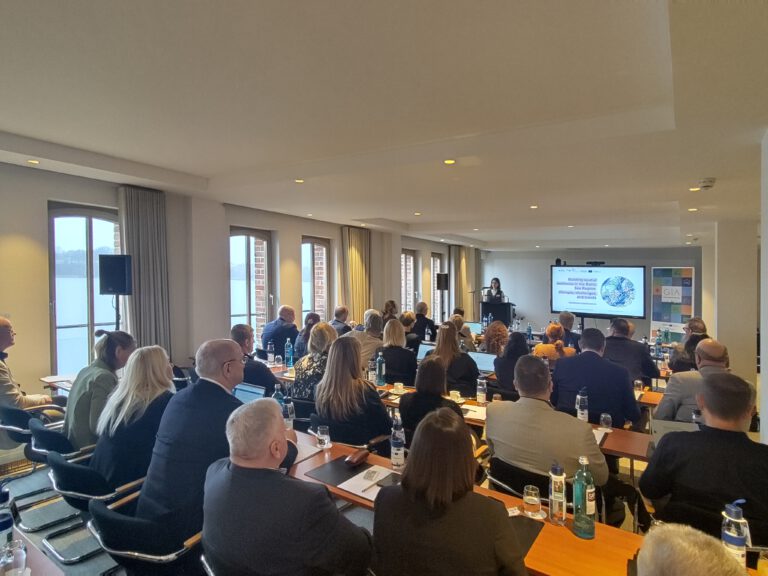
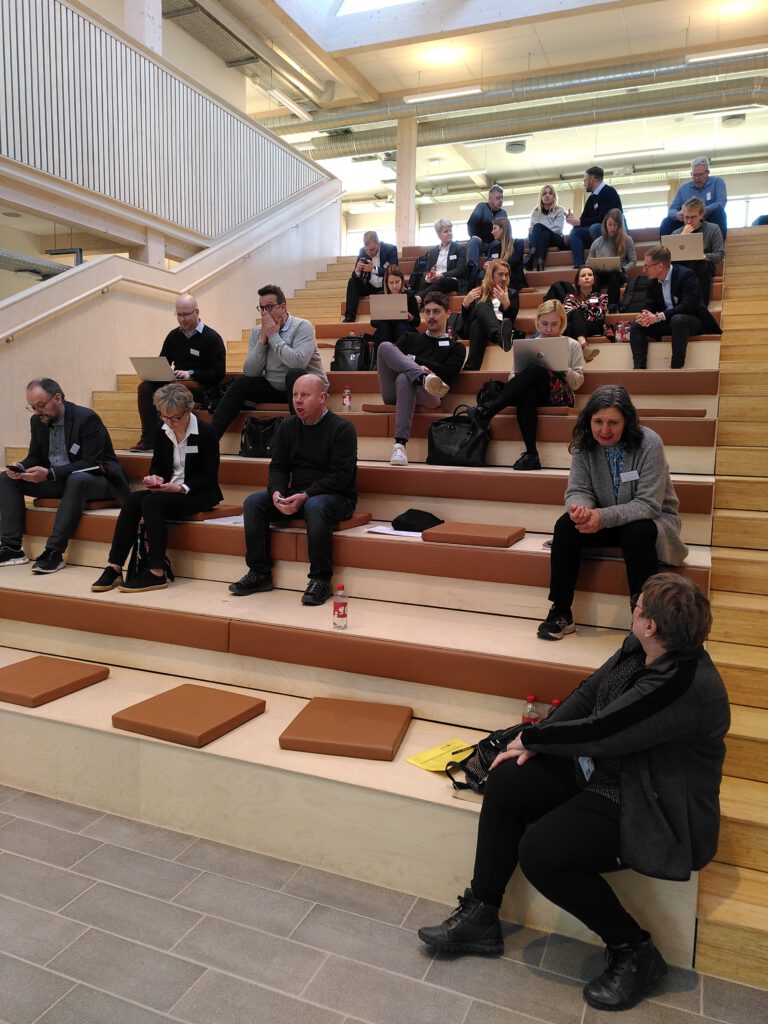
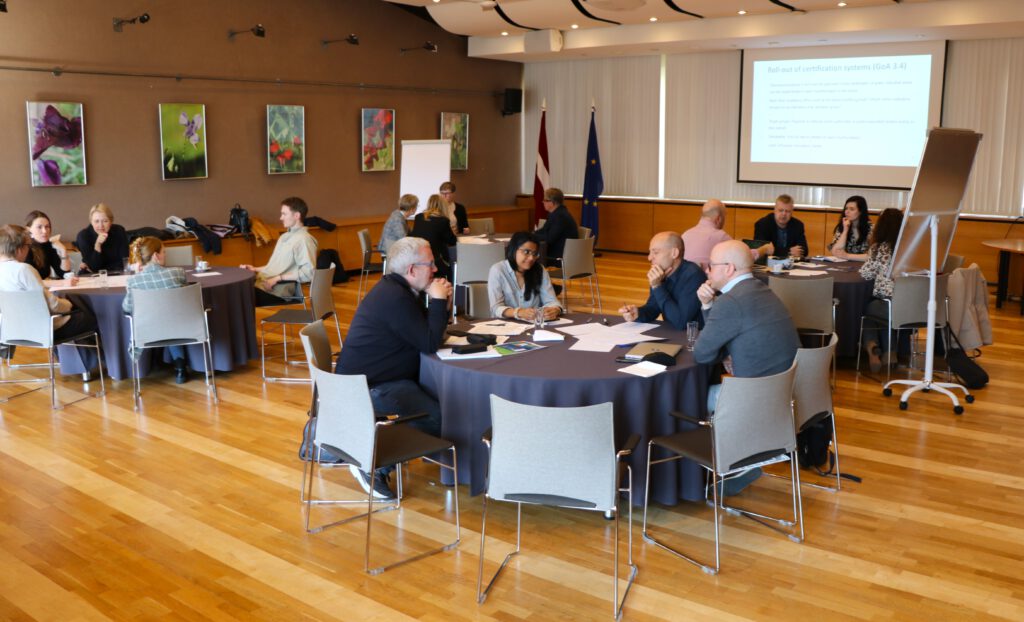
By the final phase of the project, the standard and toolbox had evolved into robust instruments shaped by real-world experience. Dissemination events in several Baltic Sea Region countries presented the results to national stakeholders and decision-makers.
Interest from municipalities and industrial area managers showed that the framework responds to a tangible need. The fact that the criteria were jointly developed and tested across borders strengthened their credibility and made them easier to promote at regional and national levels.
At closing events and national dissemination meetings, participants emphasised that a common transnational reference framework provides political weight when advocating for green investments and climate-oriented planning.
The added value of transnational cooperation
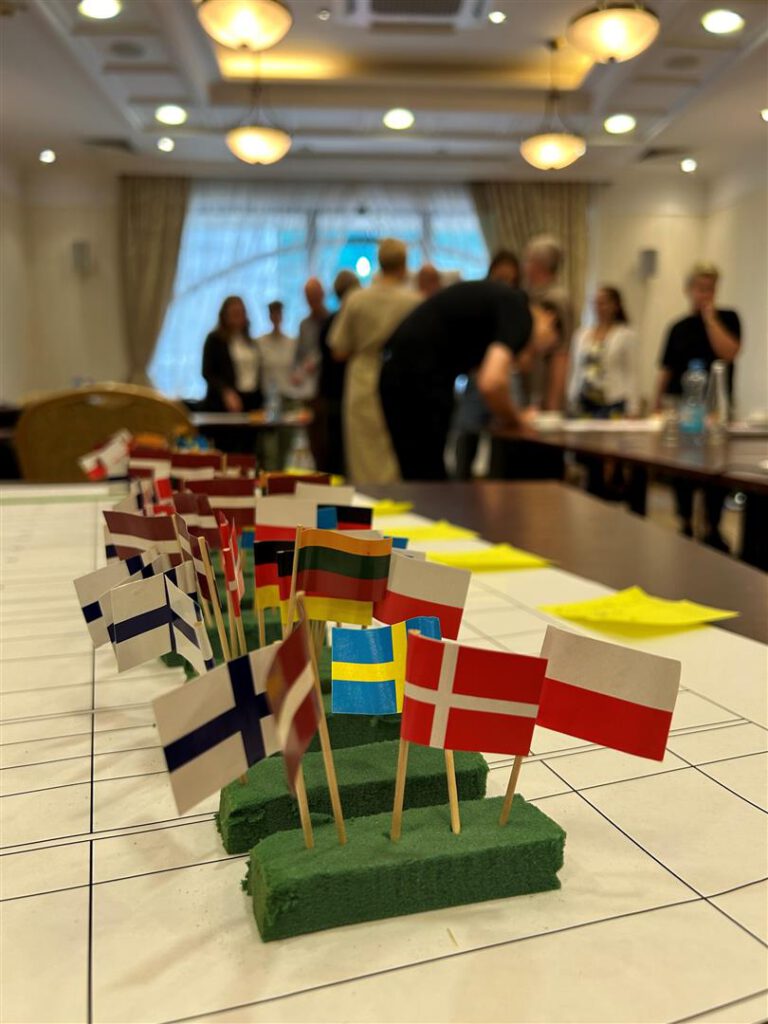
The distinctive feature of GreenIndustrialAreas was its cross-border character. Partners from Germany, Denmark, Poland, Lithuania, Latvia, Finland and Sweden worked together to compare regulatory frameworks, identify shared challenges and exchange concrete solutions.
This cooperation prevented the development of isolated national approaches. Instead, partners learned from each other’s successes and constraints, refined ideas collectively and created a framework flexible enough to function in different national contexts.
Transnational dialogue accelerated learning and avoided duplication of effort, making the results more robust and broadly relevant — a genuine Baltic Sea Region product.
A foundation for continued transformation
Although the project has formally ended, its results remain available in the form of the Transnational Green Industrial Area Standard and the accompanying toolbox. These outputs offer municipalities and industrial park managers a structured pathway toward more sustainable and climate-conscious industrial development. In addition, the project has elaborated a Screening tool for companies to assess their readiness for green collaboration and industrial symbiosis.
GreenIndustrialAreas demonstrates that transformation is most effective when knowledge is shared, solutions are tested in practice and regions move forward together rather than alone.
Further information

Additional links
details
-
Homepage
-
Project typeCore Project

-
ImplementationJanuary 2023 - December 2025
-
StatusCompleted
-
Contribution to EUSBSRPolicy Area Energy

-
Target groups
- Business support organisation
- Infrastructure and public service provider
- Local public authority
- Regional public authority
- Small and medium enterprise
-
Social media
-
Additional links
-
Tags