



From Plans to Action - Highlights from the Project Meeting in Poland
01 November 2026
Sharing International Experiences at the Conference
On October 21, 2026, the consortium of the Enercracy project had the opportunity to participate in the conference “Podkarpacka energia – lokalnie, wspólnie, efektywnie” (Energy In The Podkarpacie Region – Local, Collaborative, and Efficient). The event brought together representatives of public administration, energy institutions, academia and organisations involved in the energy transition. The event addressed key challenges related to local energy transition, energy communities, renewable energy technologies, and investment financing. It also provided a platform for sharing international experiences and presenting European solutions that can support local energy initiatives.
During Panel IV, “The Path to Energy Transformation – International Experiences”, moderated by Prof. Piotr Zawada from the Rzeszów Regional Development Agency, two Enercracy partners presented examples of how local authorities and communities are putting energy transition into practice. Nele Ivask from the Tartu Regional Energy Agency (Estonia) introduced a pilot monitoring system designed to help municipalities collect energy data. Emil Lind from Karlskrona Municipality (Sweden) presented the experience of a cooperative solar farm in Karlskrona, illustrating a practical approach to community involvement in renewable energy production.
Both presentations highlighted Enercracy’s commitment to strengthening local energy and climate planning, equipping municipalities with practical tools and fostering cooperation on the energy transition. By sharing experiences from Estonia and Sweden with stakeholders from the Podkarpackie Region, partners demonstrated how exchanging local practices can inspire new initiatives and support more sustainable energy systems. The session also underlined the value of international knowledge exchange in adapting solutions to different regional needs and circumstances.
The conference provided an opportunity to present project results to a wider audience and connect international cooperation with the practical challenges faced by local authorities and energy stakeholders.
Discussions towards better shared understanding
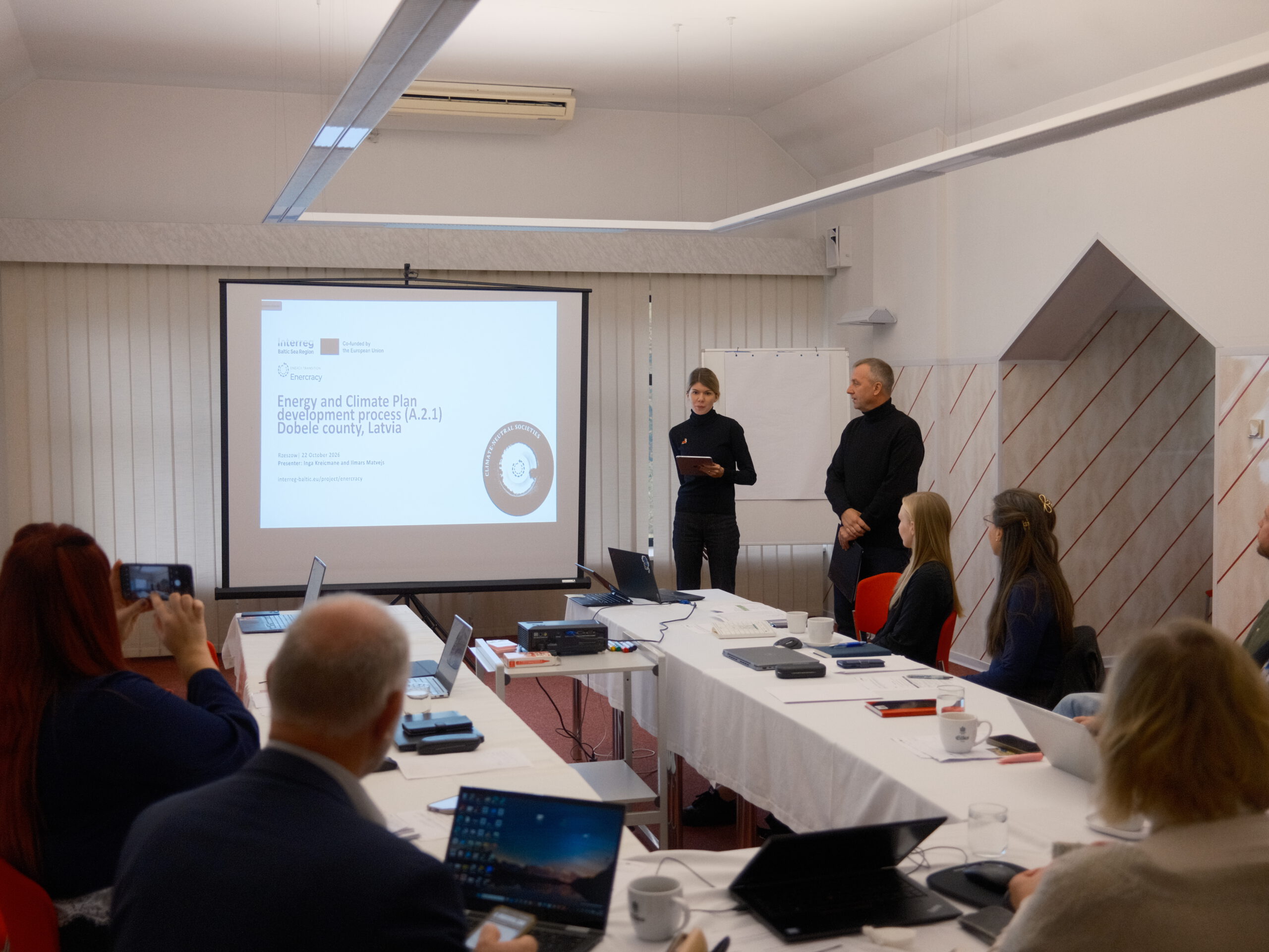
October 22, 2026, focused on the Enercracy project meeting, providing an opportunity to discuss progress in developing and updating Energy and Climate Plans, share experiences and discuss common challenges. Partners heard updates from pilot municipalities and explored how project results could be transferred to other local contexts. Through presentations, workshops and networking, the meeting supported knowledge exchange and the practical application of energy and climate planning tools across the Baltic Sea Region.
Learning from the pilot municipalities
The consortium reviewed the pilot municipalities’ progress in developing and updating their Energy and Climate Plans. Partners presented their planning methodologies, use of the Draft Catalogue of Measures and local baseline data, and alignment with relevant EU and national legislation. Discussions also covered key objectives, proposed measures, implementation, monitoring and stakeholder engagement. By sharing experiences and challenges at different stages of the planning process, partners identified common issues and explored how the plans can strengthen local institutional capacity and foster wider stakeholder involvement.
Reviewing energy and climate plans: a practical approach
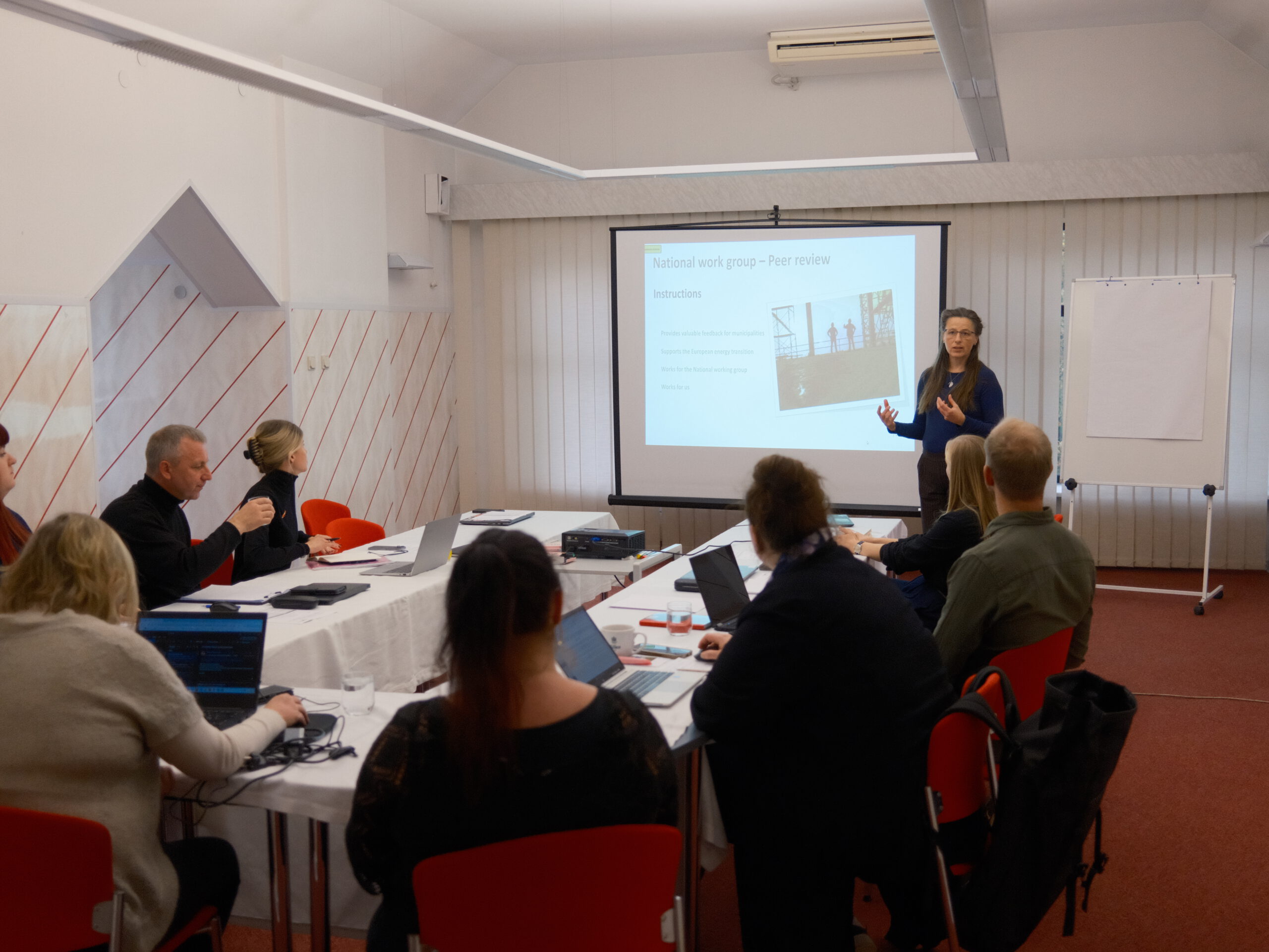
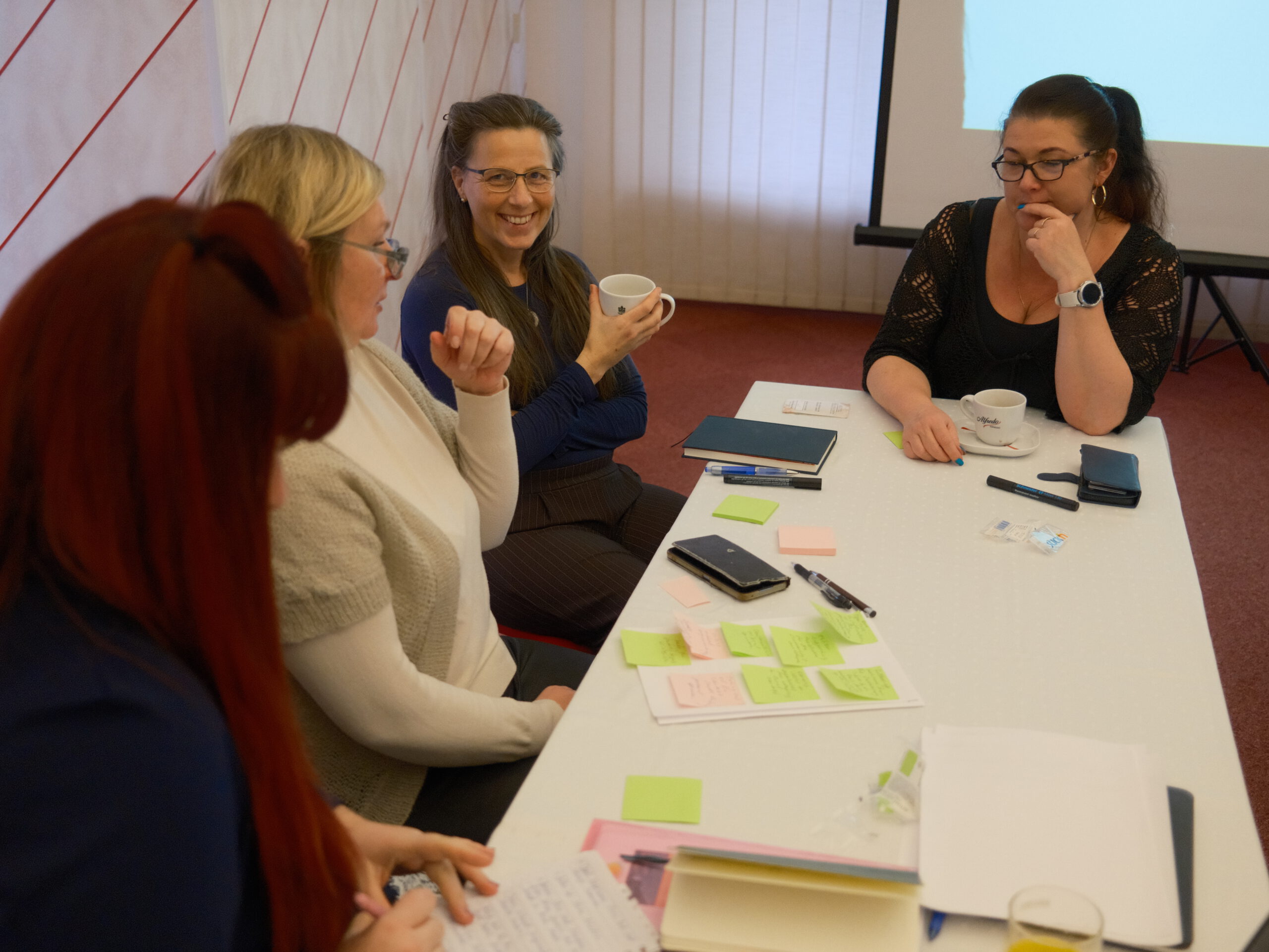
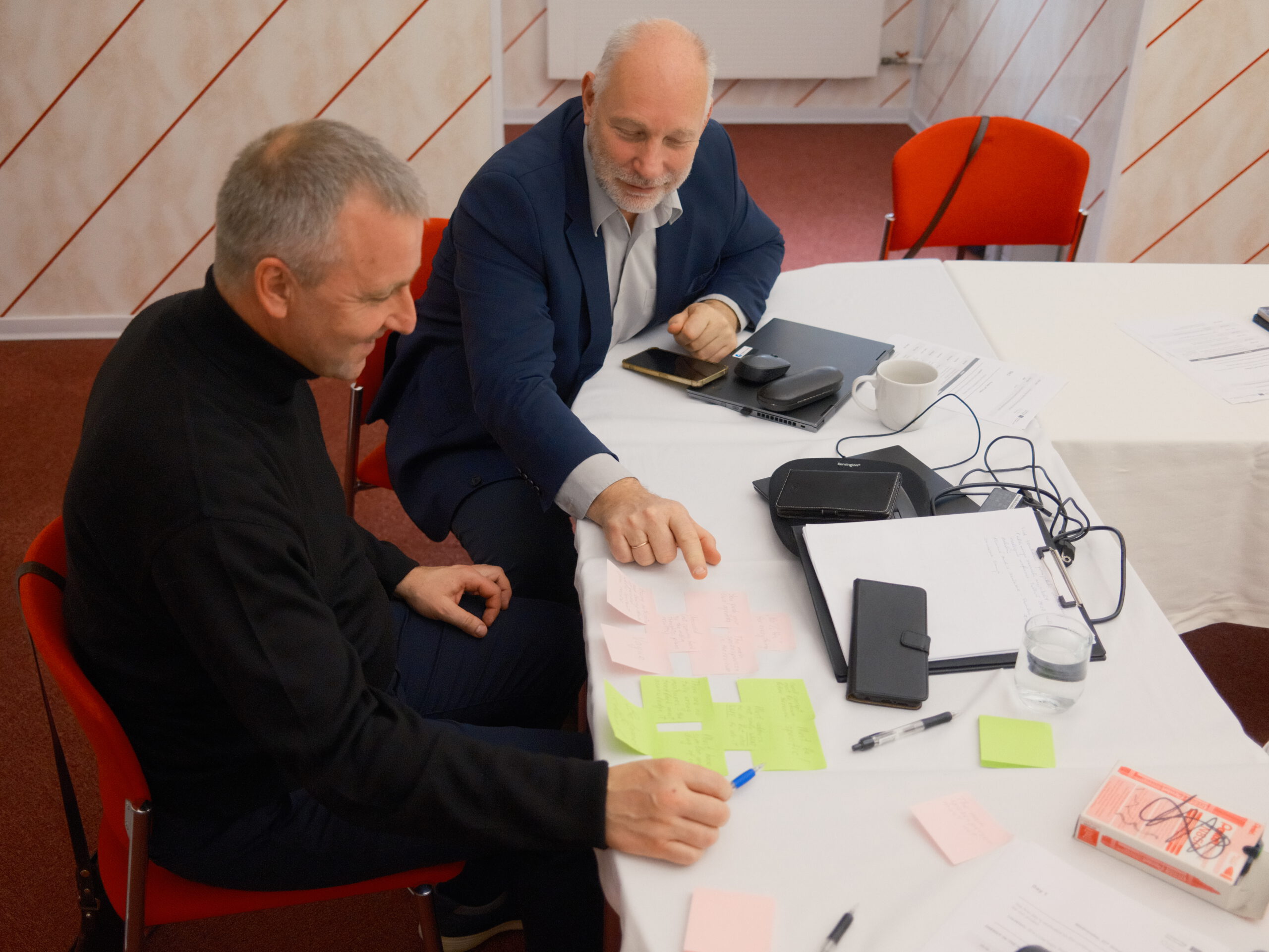
As the pilot municipalities progress with their energy and climate plans, reviewing draft documents and providing constructive feedback become essential steps in strengthening their quality. This was the focus of a dedicated workshop, where project partners explored how to make feedback clear, practical and supportive of further development on energy and climate planning documents. Participants reflected on the characteristics of effective and ineffective feedback, then exchanged perspectives by reviewing other groups’ ideas and identifying common themes. They also discussed how feedback can be structured to make it clear, constructive, and useful for improving energy and climate planning documents. The workshop encouraged peer learning and knowledge exchange, helping partners develop a shared understanding of effective review practices.
Engaging Target Groups and Transferring Local Experience
In the afternoon, partners reflected on their progress in engaging target groups and discussed how Enercracy’s experiences could be shared with other municipalities and regions. Country-based discussions explored what motivates local authorities, which communication approaches work best, and what barriers may limit their engagement. Partners exchanged successful practices, communication formats and ideas for reaching municipalities. A key takeaway was that effective knowledge transfer requires a tailored approach that considers different national contexts, local priorities, and institutional circumstances. Sharing practical lessons and learning from one another’s experiences will help partners strengthen future engagement and knowledge transfer activities.
Discovering the Podkarpackie Region and building new connections
The programme concluded with a joint poster session and networking, bringing together partners from the Enercracy and Renewat projects. Participants presented their ongoing work, exchanged experiences and established connections between initiatives focused on the energy transition and sustainability. The session fostered knowledge sharing and created opportunities for future cooperation.

Additional links
details
-
Homepage
-
Project typeCore Project
-
ImplementationMarch 2025 - February 2028
-
StatusOngoing
-
Contribution to EUSBSRPolicy Area Energy

-
Target groups
- Infrastructure and public service provider
- Interest group
- Local public authority
- Regional public authority
- Small and medium enterprise
-
Social media
-
Additional links
-
Tags