




Water experts meet in Berlin to sketch the future of the sector
03 December 2025
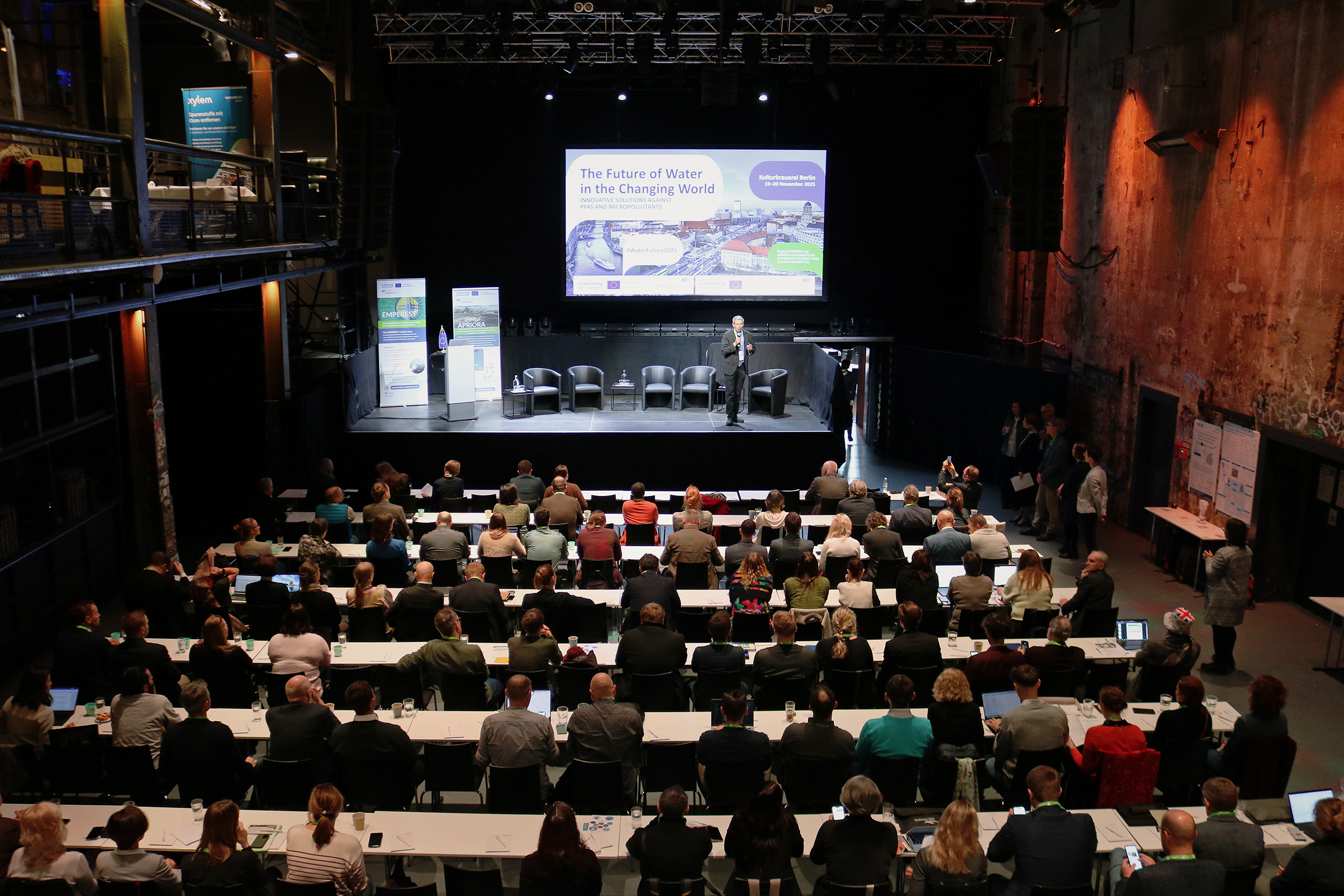
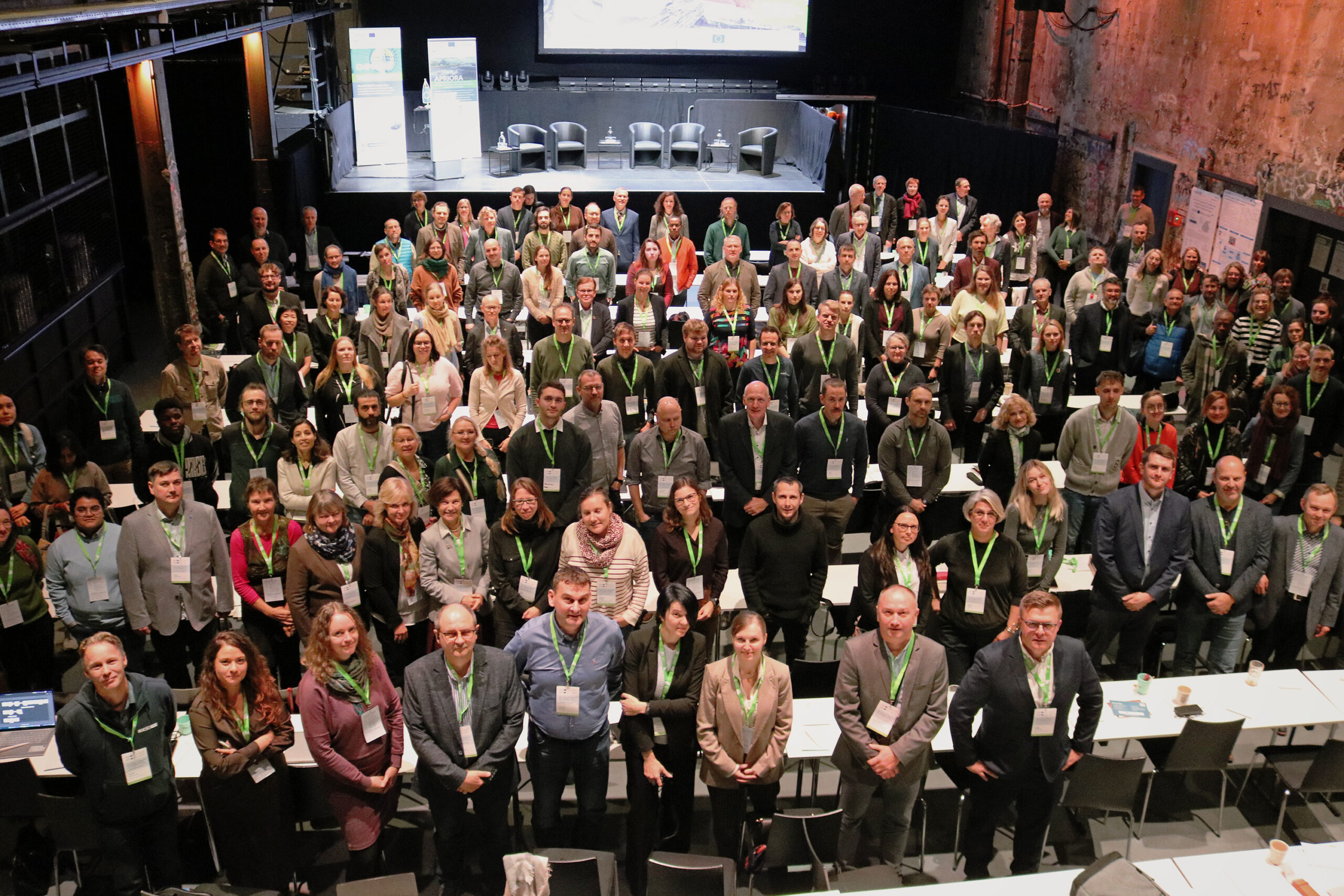
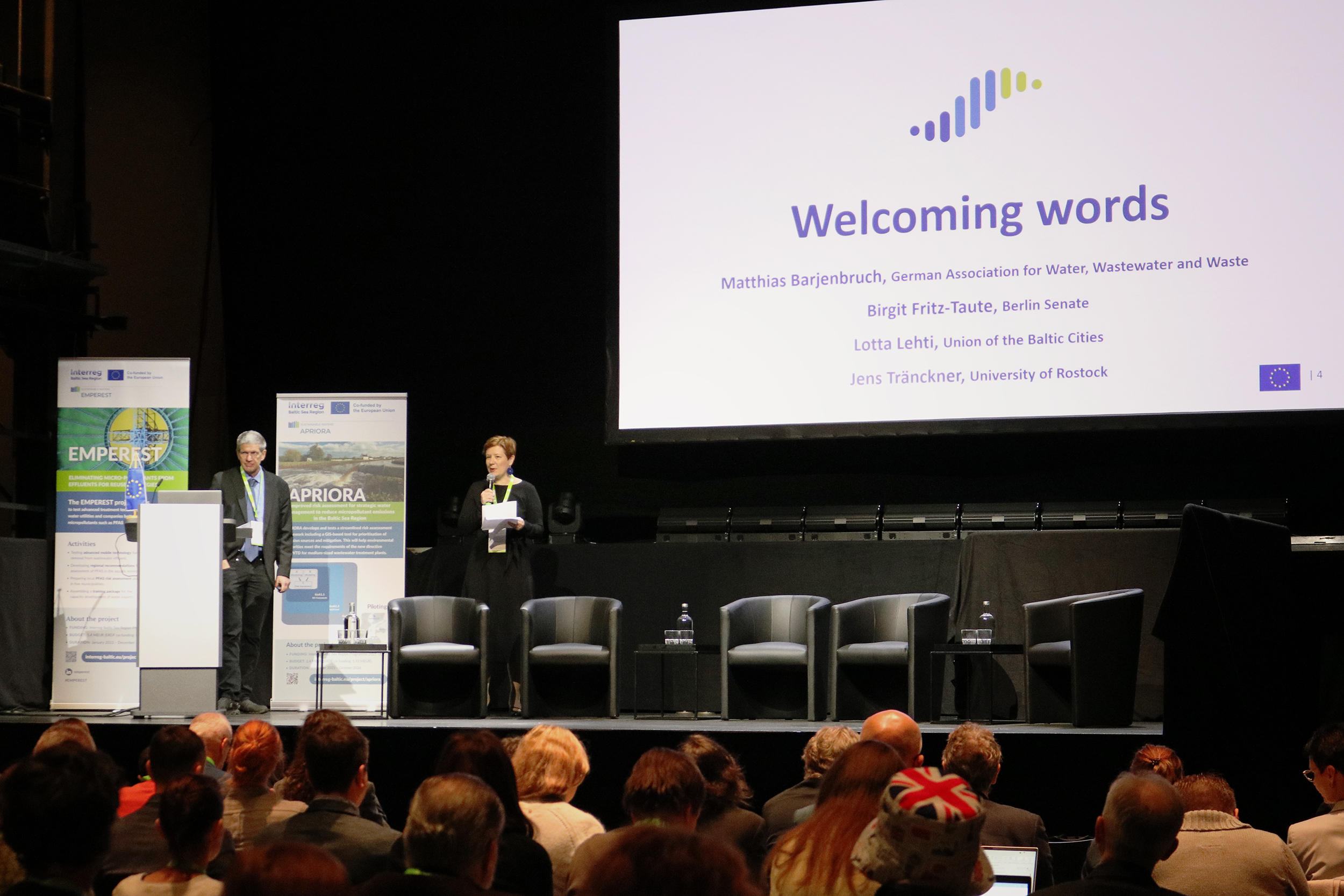
On 19-20 November 2025, 169 water experts from different countries gathered in Berlin, at the stunning industrial-turned-cultural Kulturbrauerei, to discuss solutions to the problem of hazardous chemicals in the water bodies of the Baltic Sea region.
The conference “The Future of Water in the Changing World: Innovative solutions against PFAS and micropollutants” was organized by two projects, EMPEREST and APRIORA. The event marked the end of EMPEREST, while APRIORA still continues its work for another year. Both projects stem from EU legislation change, namely the revision of the directive regulating urban wastewater treatment.
The revised Urban Wastewater Treatment Directive sets new requirements especially concerning the removal of micropollutants from wastewater. To support the implementation of the directive in the Baltic Sea Region, EMPEREST and APRIORA projects are delivering solutions and validated results to operators, authorities and decision-makers. This coordinated effort will support the wave of investments needed in the near future for the quaternary treatment updates. Overall, to meet the requirements of the new directive in the whole Europe, the European Commission estimates total investment costs of €28.6 billion by 2040, of which €9 billion is related to micropollutant removal.
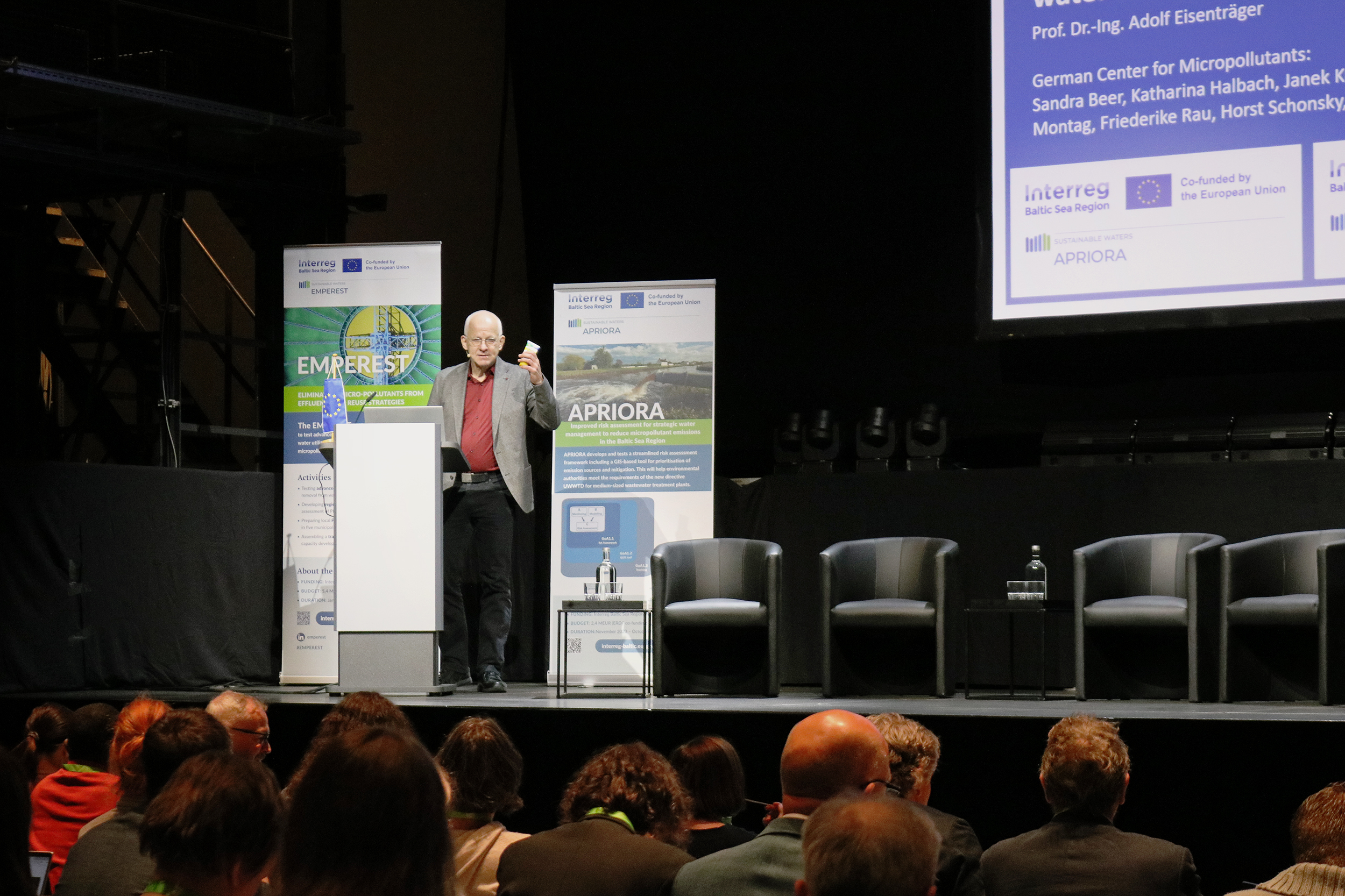
The conference in Berlin opened with a keynote addressing this hot topic in the field of water protection: Professor Adolf Eisenträger from German Environment Agency walked the audience through the problem of organic micropollutants and their useful properties in many products, the threats they pose to human health and the environment, as well as their management.
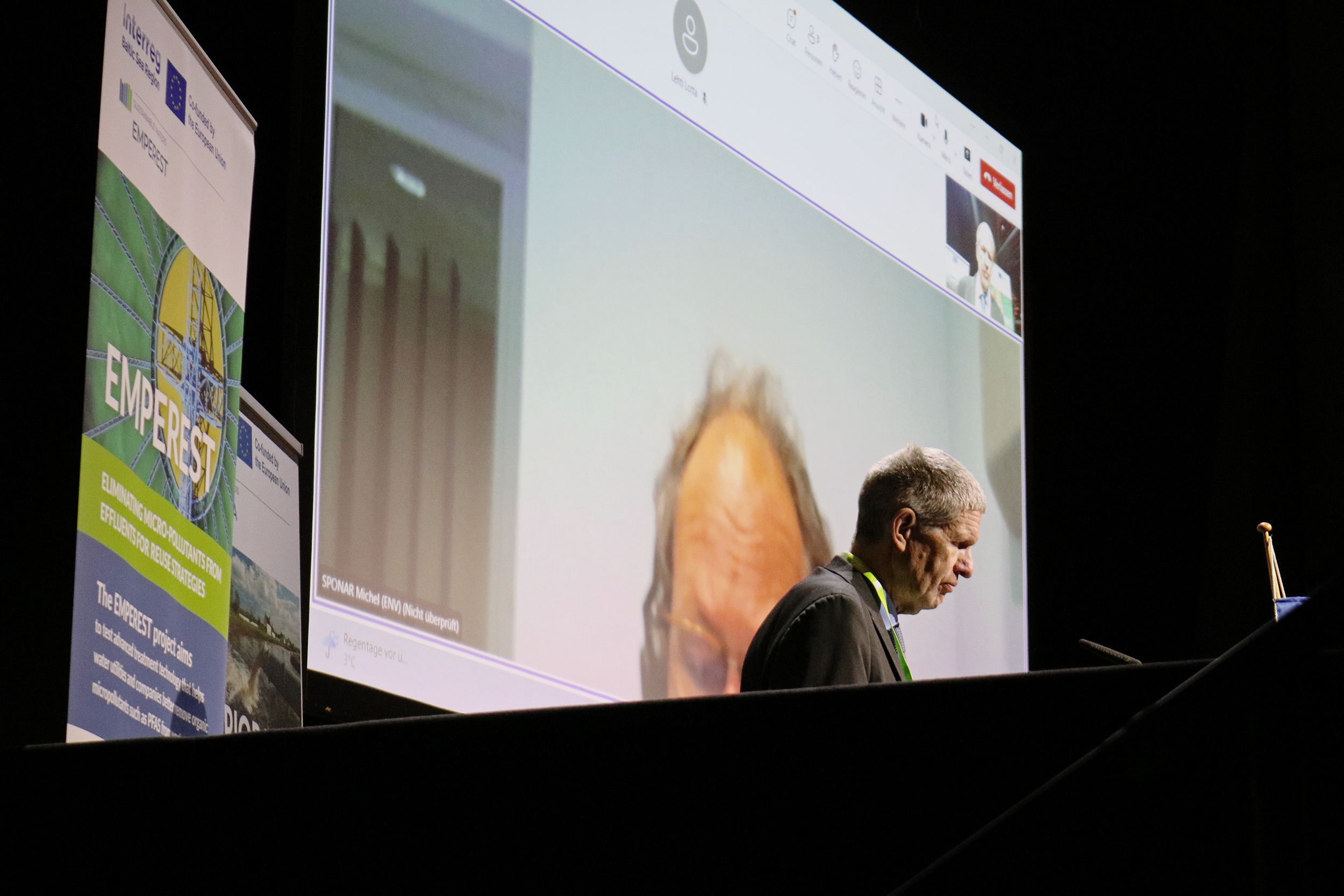
A deeper insight into the regulatory context was given by Michel Sponar from Directorate-General Environment of the European Commission, who explained the assessment process of the original Directive and outlined the main objectives of its revision. Thorough explanation of the planned timeline of its implementation for the Member States paired with the cost analysis guided participants through the landscape behind the set deadlines. “We hope to give some certainty to the sector,” explained Mr Sponar in his address to the participants.
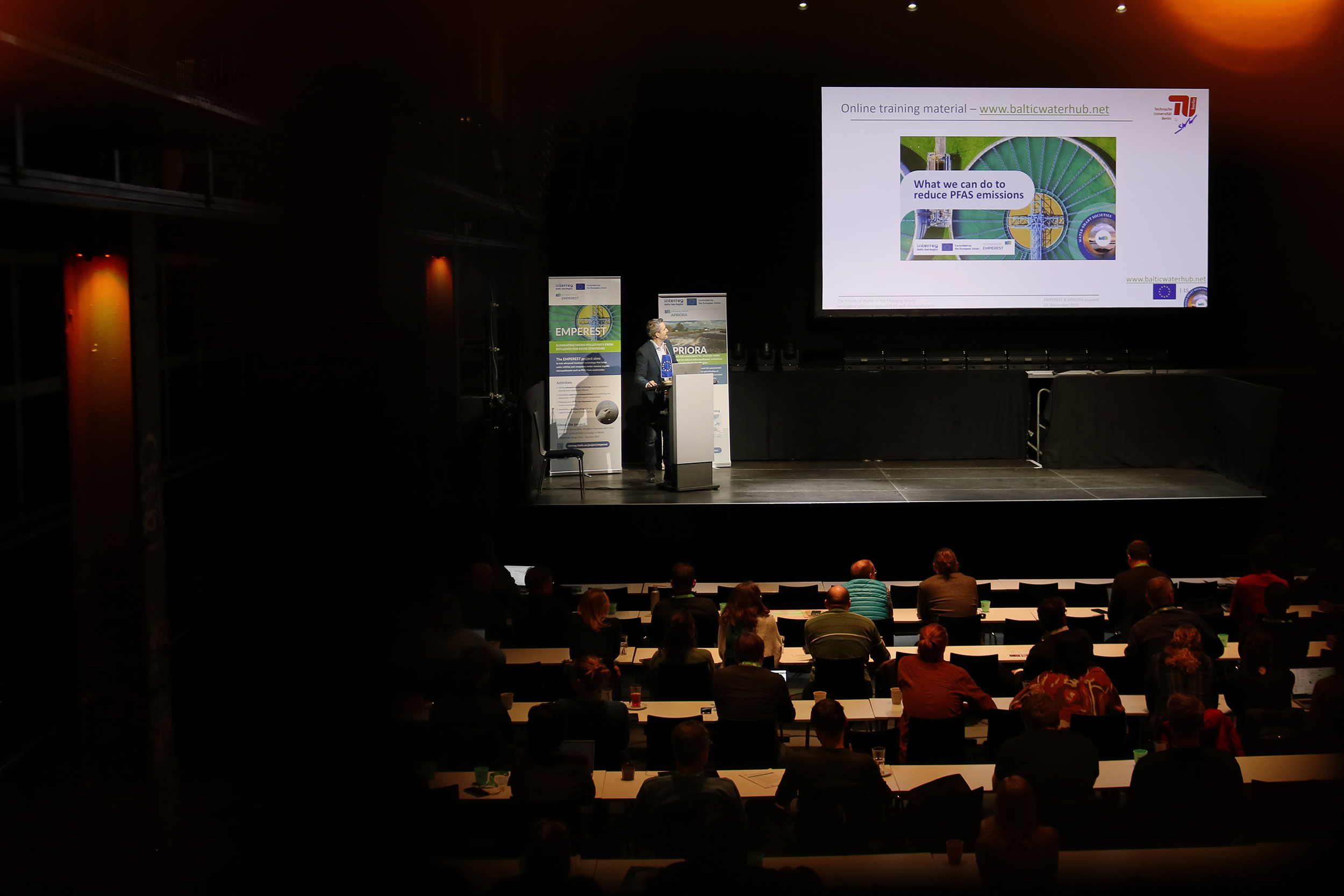
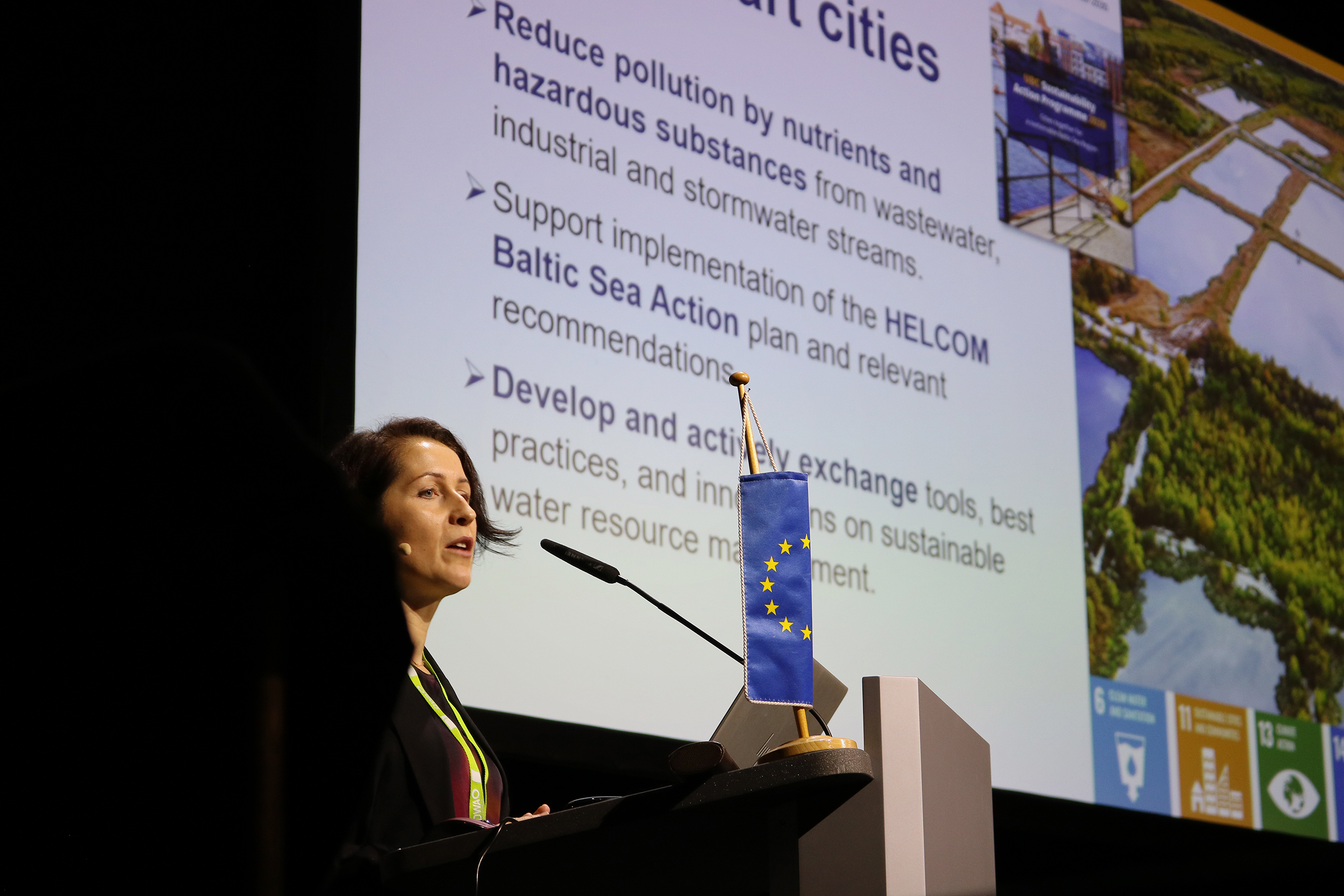
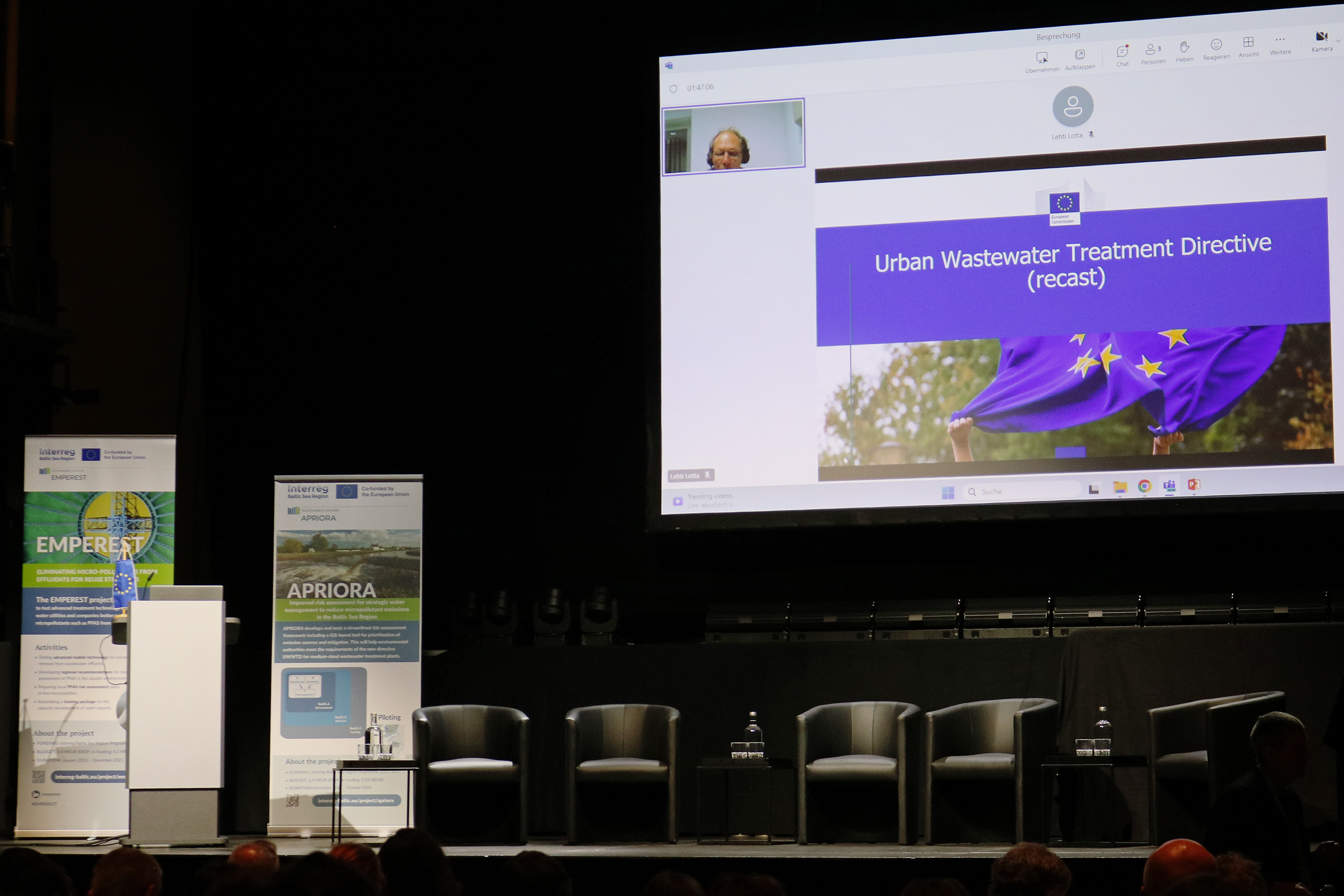 Michel Sponar, European Commission, delivering the presentation. Photo by Mariia Andreeva.
With the topical and regulatory contexts laid out, the conference moved to the next step:
How can we make the EU policy into reality?
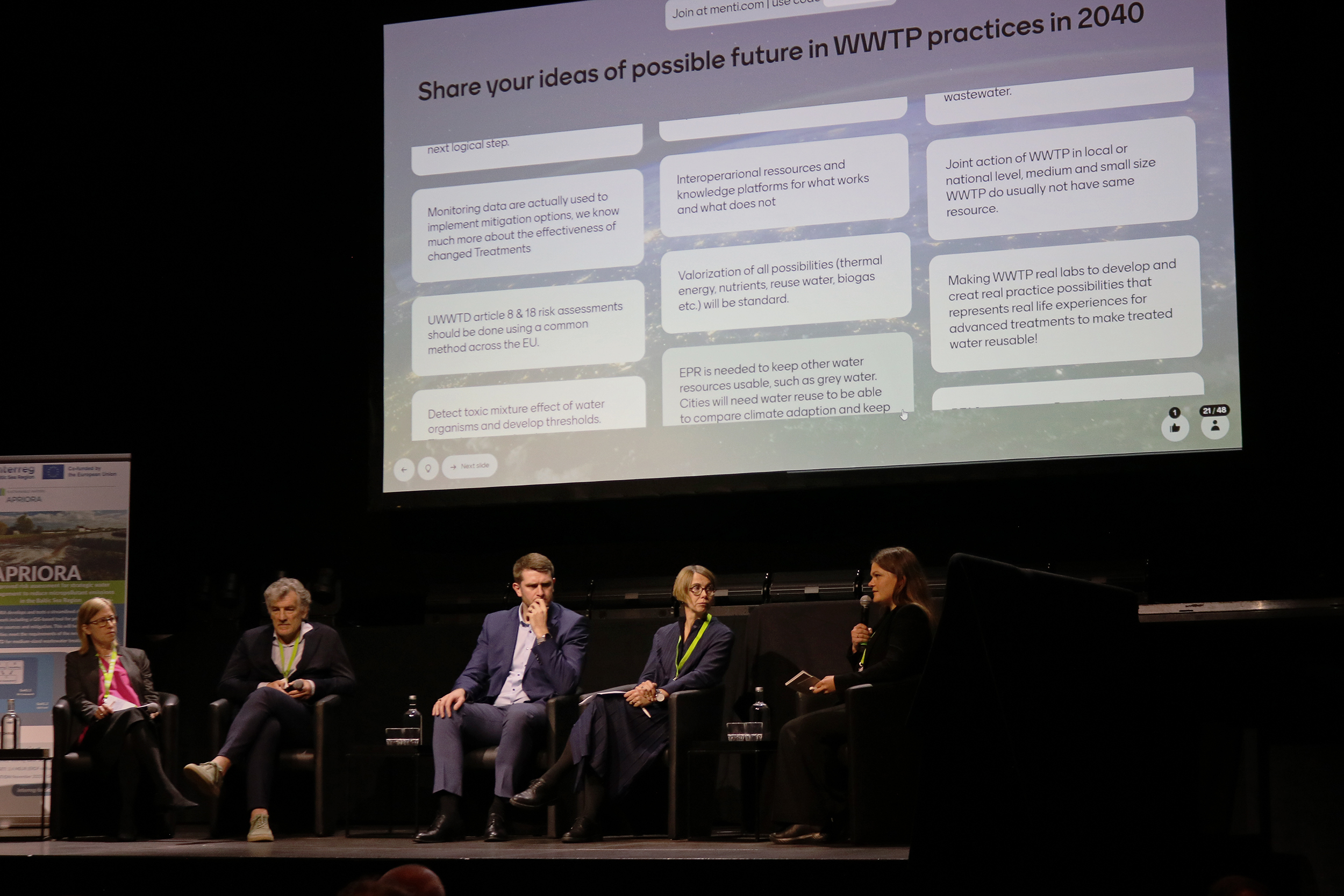
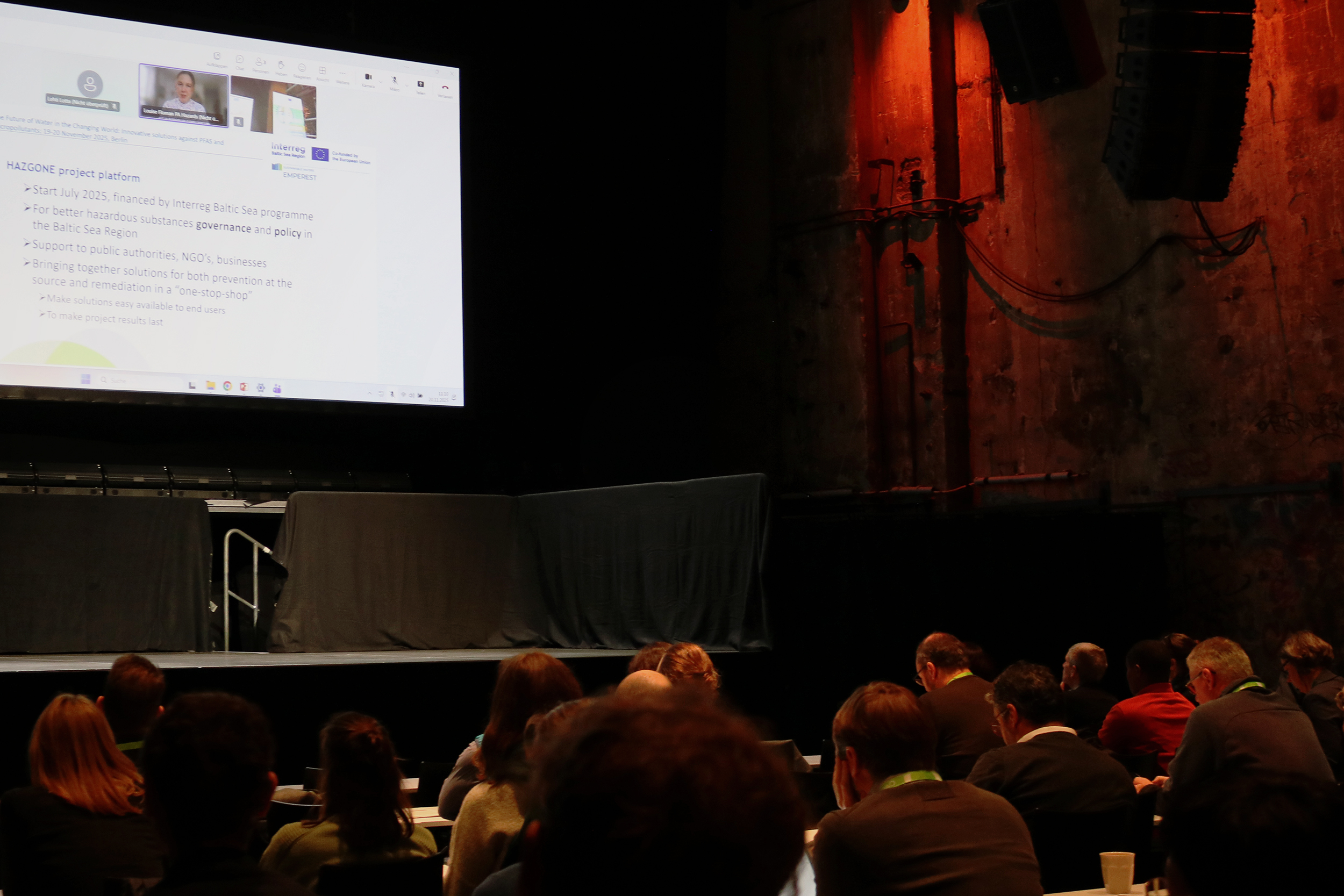
The panel discussion on this relatable topic featured representatives from different sectors that need to cooperate in the realization of the zero-pollution vision: Henna Rinne from the Finnish Ministry of the Environment, Klaus Daginnus from the German Federal Ministry for the Environment, Climate Action, Nature Conservation and Nuclear Safety, Paula Lindell representing Finnish Water Utilities Association FIWA and EurEau Committee on Waste Water, and Ivar Ruubel, COO of Tallinn Water Ltd. This panel was moderated by Lotta Ruokanen, Professional Secretary and Deputy Executive Secretary of the Baltic Marine Environment Protection Commission (HELCOM).
What is needed for the wastewater sector in the immediate future? There are many open questions in the field right now: Where will the funding come from for the large-scale investments into the quaternary treatment? Will the wastewater treatment facilities be free to choose the technologies or will there be a recommended set to apply? And how to connect the energy-demanding technologies, such as ozonation, with achieving energy neutrality?
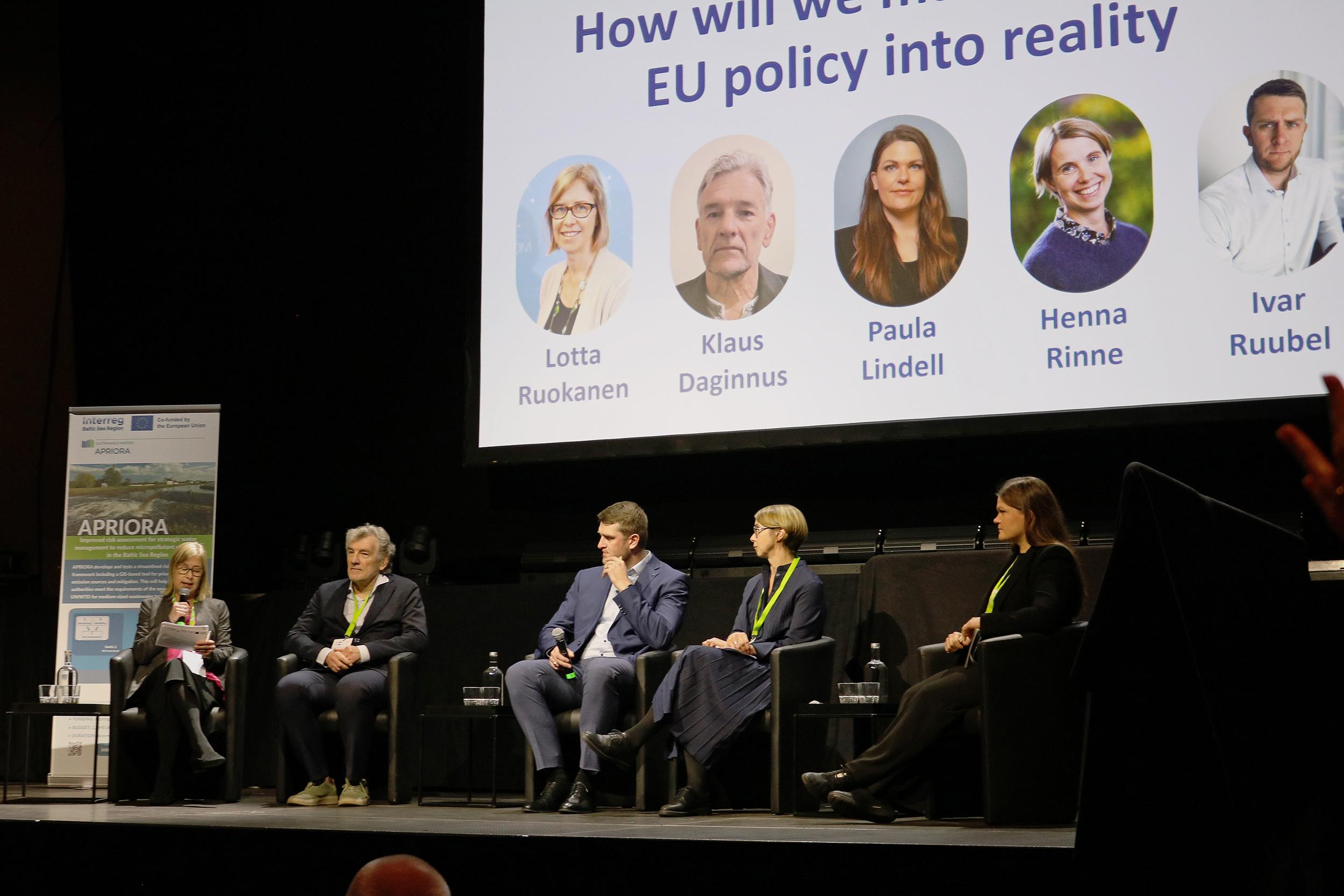
Panelists (left to right): Lotta Ruokanen, Klaus Daginnus, Ivar Ruubel, Henna Rinne, and Paula Lindell. Photo by Mariia Andreeva.
All panelists emphasized the need for transparency and clarity – and the importance of building trust when collaborating with municipalities, the spaces where the pollution happens and gets treated. Of course, it is also a question of financial resources, but not only the large investments into advanced treatment require them – capacity building is an important side to remember about.
“Interreg Baltic Sea Region Programme has existed for a while. The EMPEREST project has shown that in the Interreg BSR funding scheme we were able to fund projects that make the change,” emphasized Henna Rinne, who is also a member of the Interreg BSR Programme Monitoring Committee.
Tangible EMPEREST solutions, tested and available
The conference centered around the journey of the EMPEREST project, coming to its end in December 2025. Leading expert organisations presented the project solutions ready for uptake, and valuable lessons learned from the process of testing and applying them in different contexts:
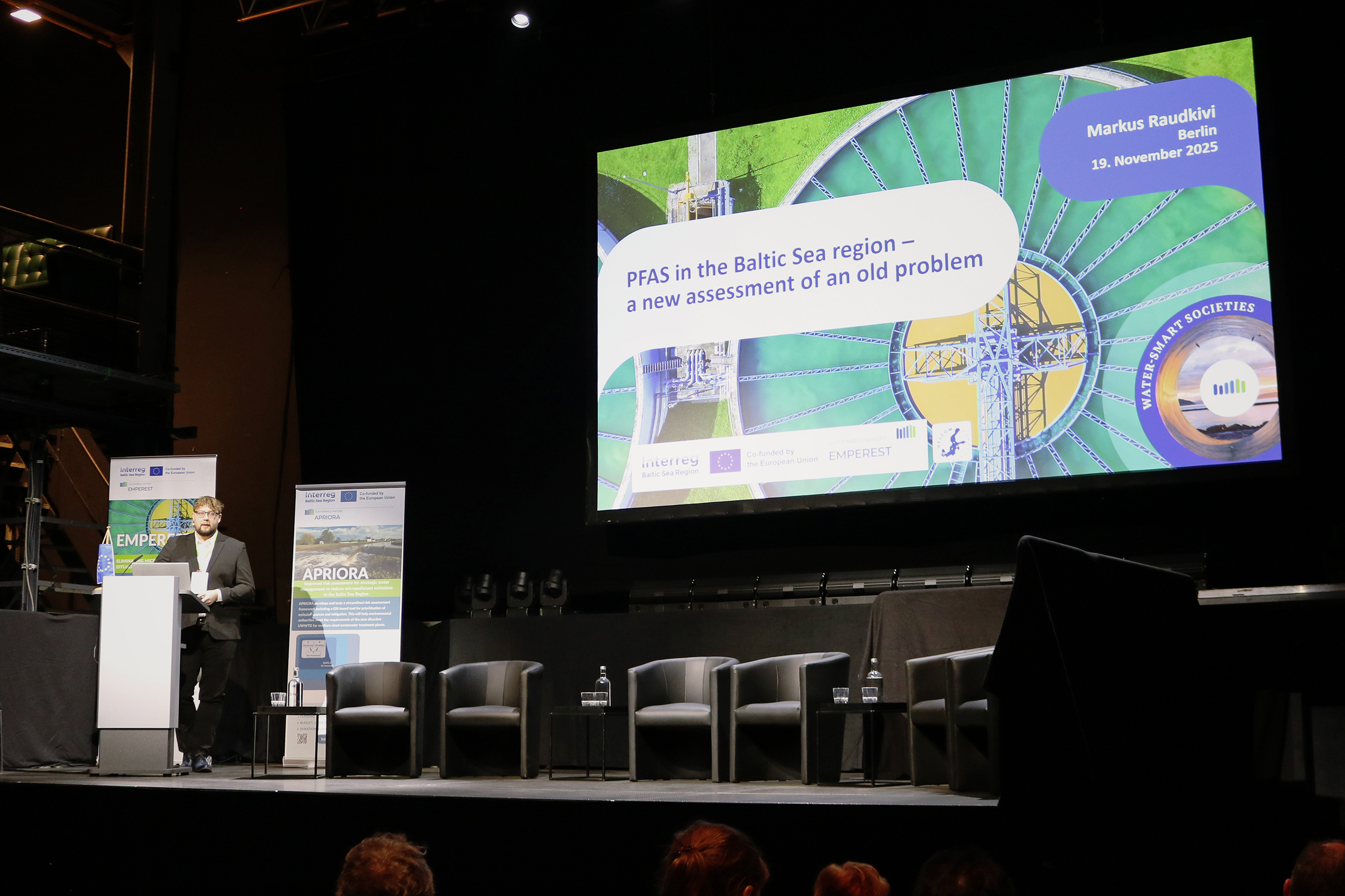
1. Methodological recommendations for the monitoring and assessment of PFAS in the aquatic environment. Markus Raudkivi from HELCOM Secretariat gave an impressive overview of the new regional assessment approach to PFAS in the Baltic Sea Region, based on the compilation of over 140 000 data points across all BSR countries.
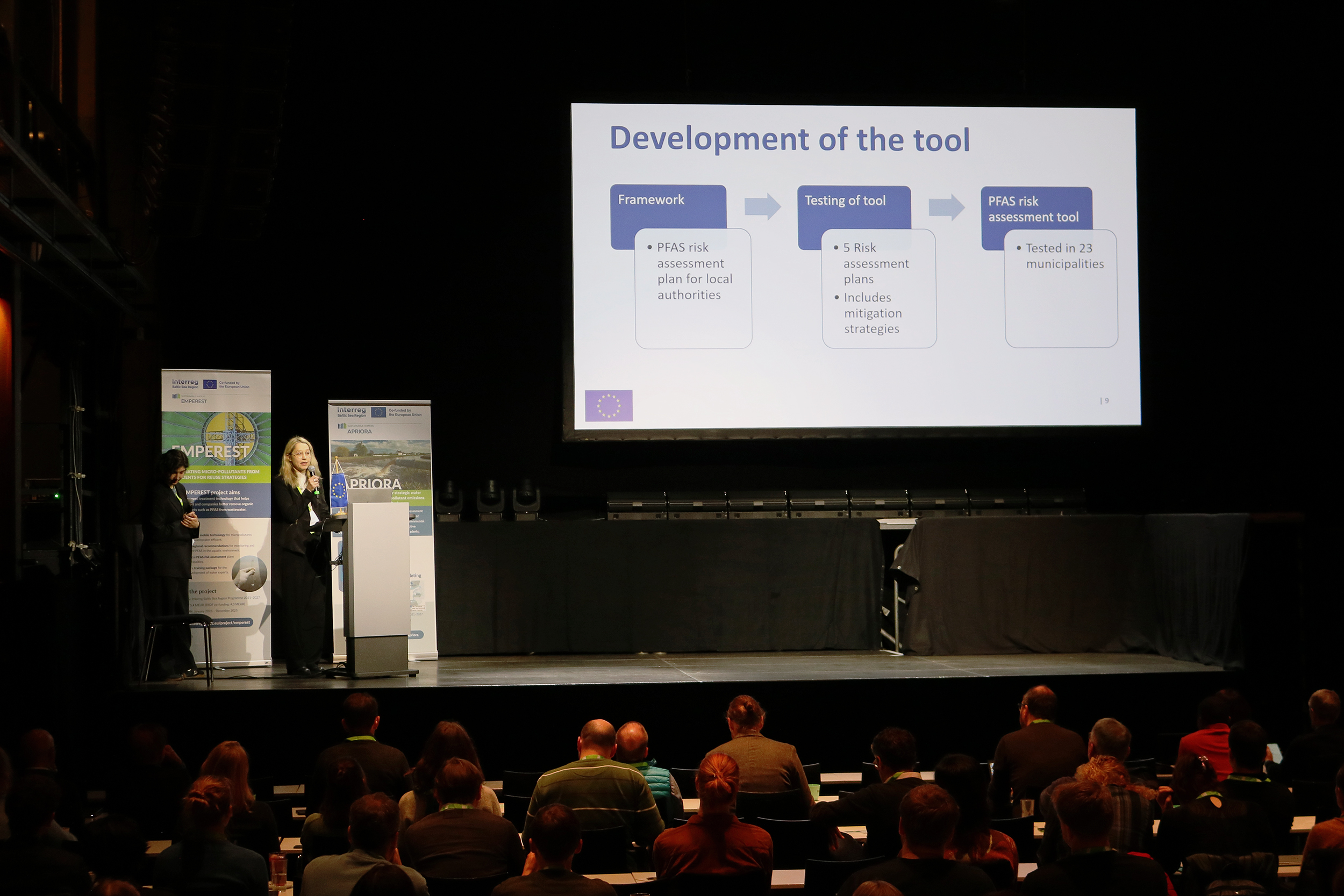
2. PFAS risk-assessment plan and a tool for local authorities. Kamila Gruškeviča, Riga Technical University, and Māra Reča, Riga Energy Agency, introduced the developed tool, available in 8 languages, and shared the feedback and insights from 18 cities that tested it.
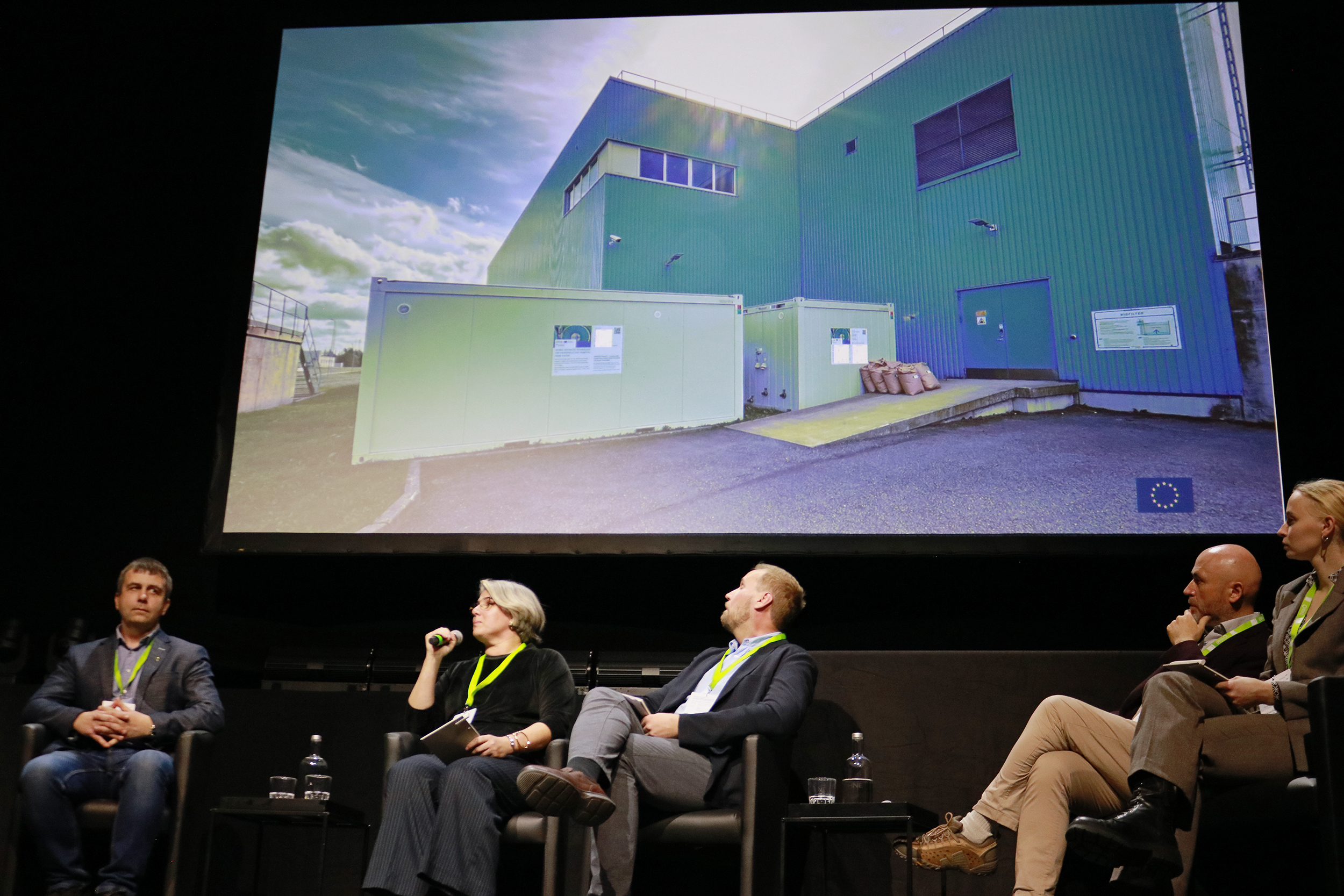
3. Strategies and technological means for minimising organic micropollutant emissions from WWTPs. Taavo Tenno, University of Tartu, and Marek Swinarski, Gdansk Water Utilities Ltd., presented the mobile containers developed in the respective cities, and Taavo Tenno interviewed on stage six wastewater treatment plants from Turku, Szczecin, Tartu, Kaunas, Tallinn, and Riga about the main findings and highlights from testing the most effective trains of advanced wastewater treatment technologies on a pilot scale.
4. Training package and increased capacities of water experts. Nikolaos Tzoupanos, Berlin University of Technology, led the audience through the training programme of EMPEREST and the resulting online training package available for everyone in the Baltic Smart Water Hub.
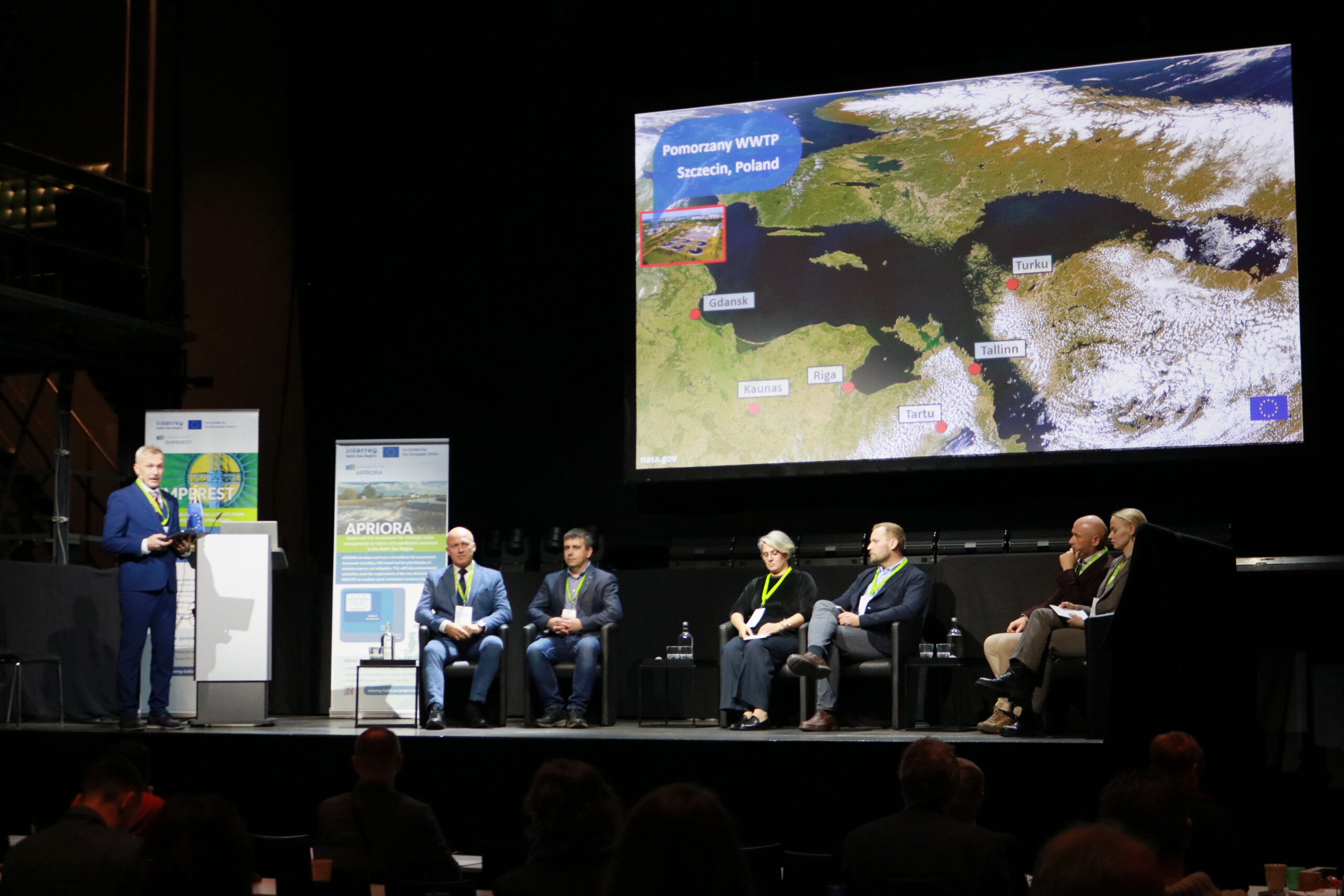
Interview with the wastewater treatment plant representatives (left to right): Taavo Tenno, Maris Zviedris, Povilas Reškevičius, Jelena Valtin, Jarkko Laanti, Piotr Miakoto, Ornella Mundi. Photo by Mariia Andreeva.
The knowledge beyond
When the EMPEREST concept development started back in 2019, the revision of the UWWT Directive was in its initial stages – and the document, outlining the treatment of organic micropollutants in all WWTPs over 150 000 PE, was finalized only five years later, in November 2024. Our project, being truly ahead of its time, had first results of testing micropollutant removal ready exactly in time with the publishing of the revised Directive text.
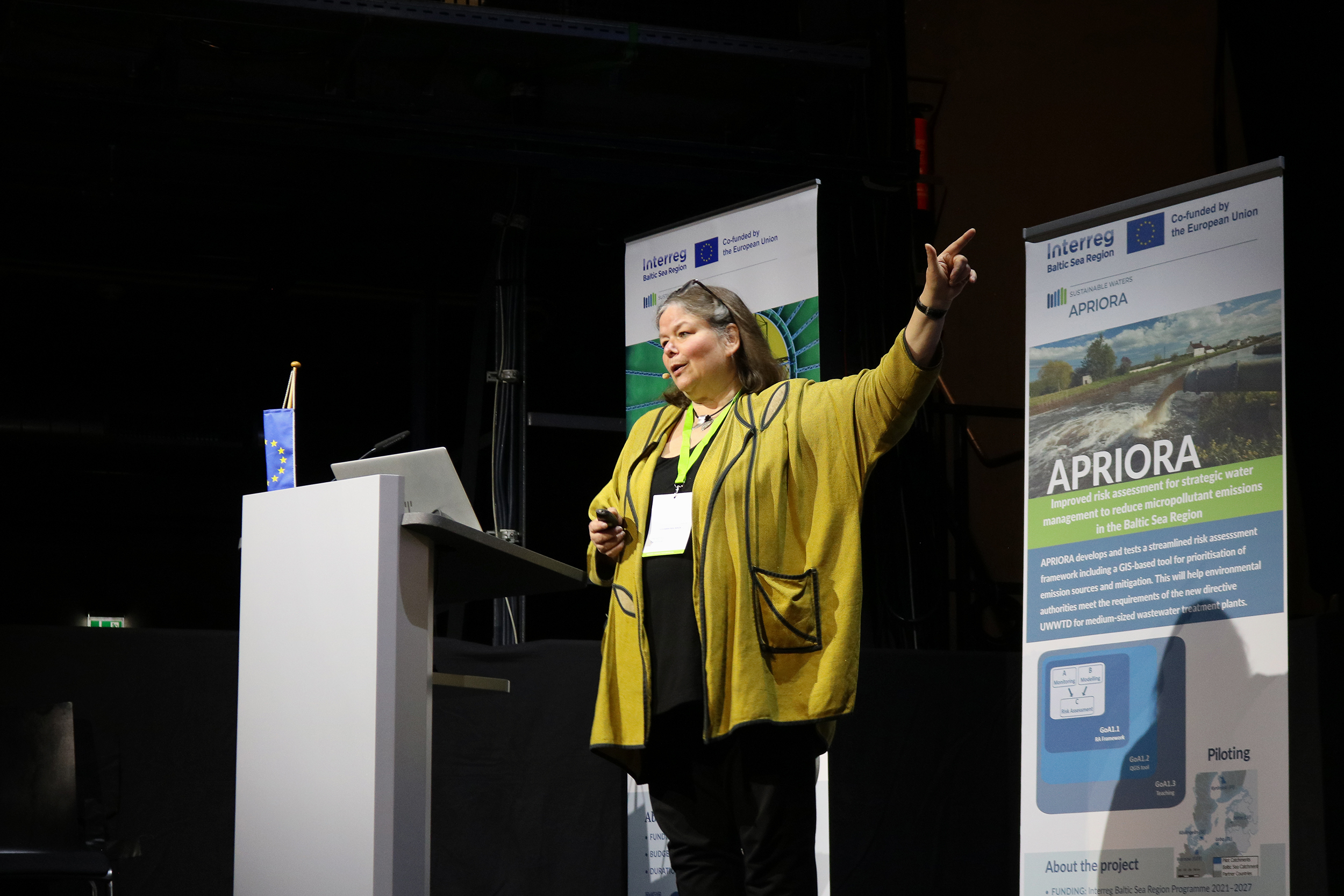
Another big support to the WWTPs and regional authorities is provided by the APRIORA project, a sister project of EMPEREST, that developed a tool to assess risks and prioritise upgrades with quaternary treatment techniques at small and mid-sized WWTPs. The tool can be used by target groups directly in GIS to produce catchment risk maps, and to test mitigation options at WWTP á priori.
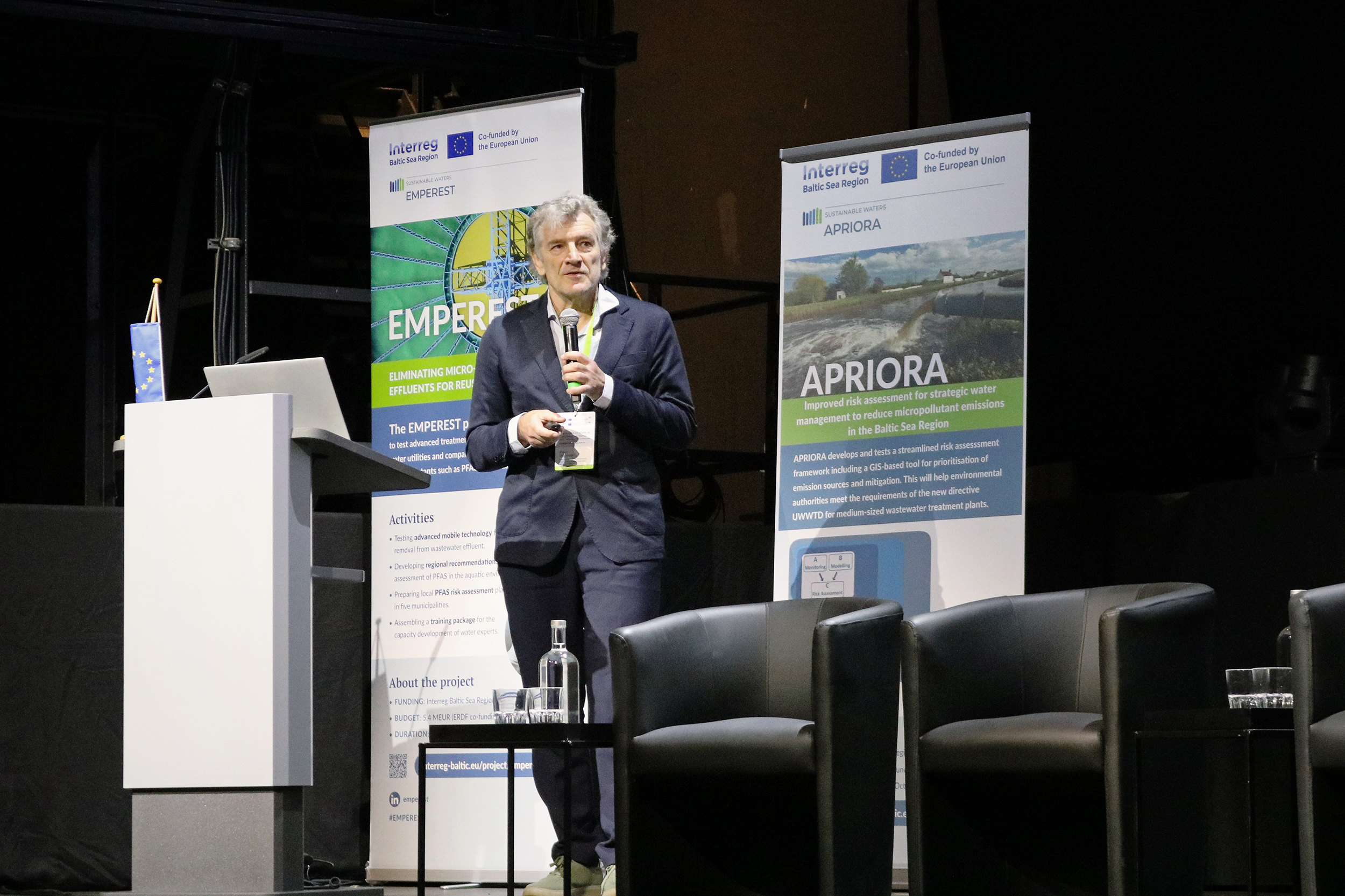
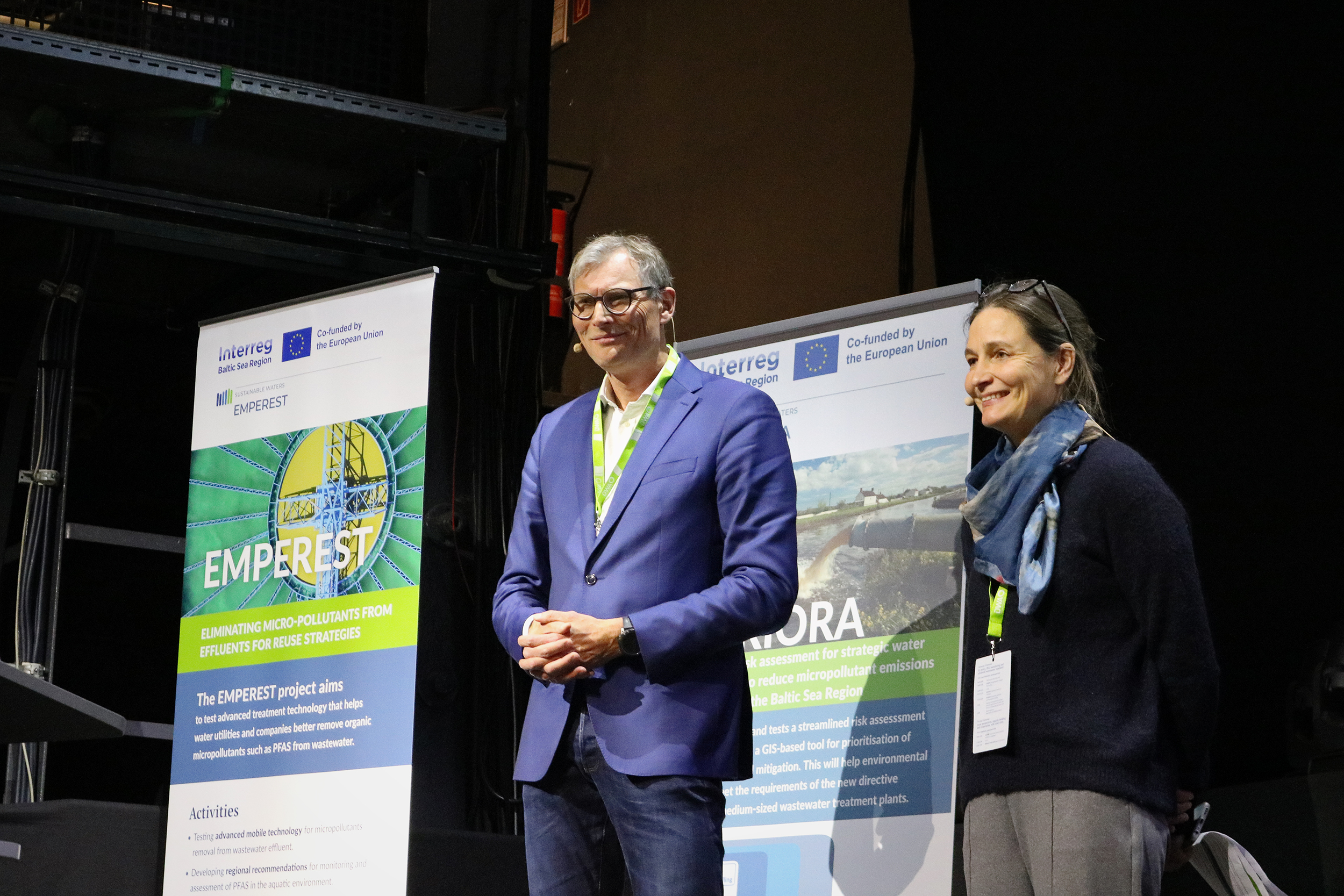
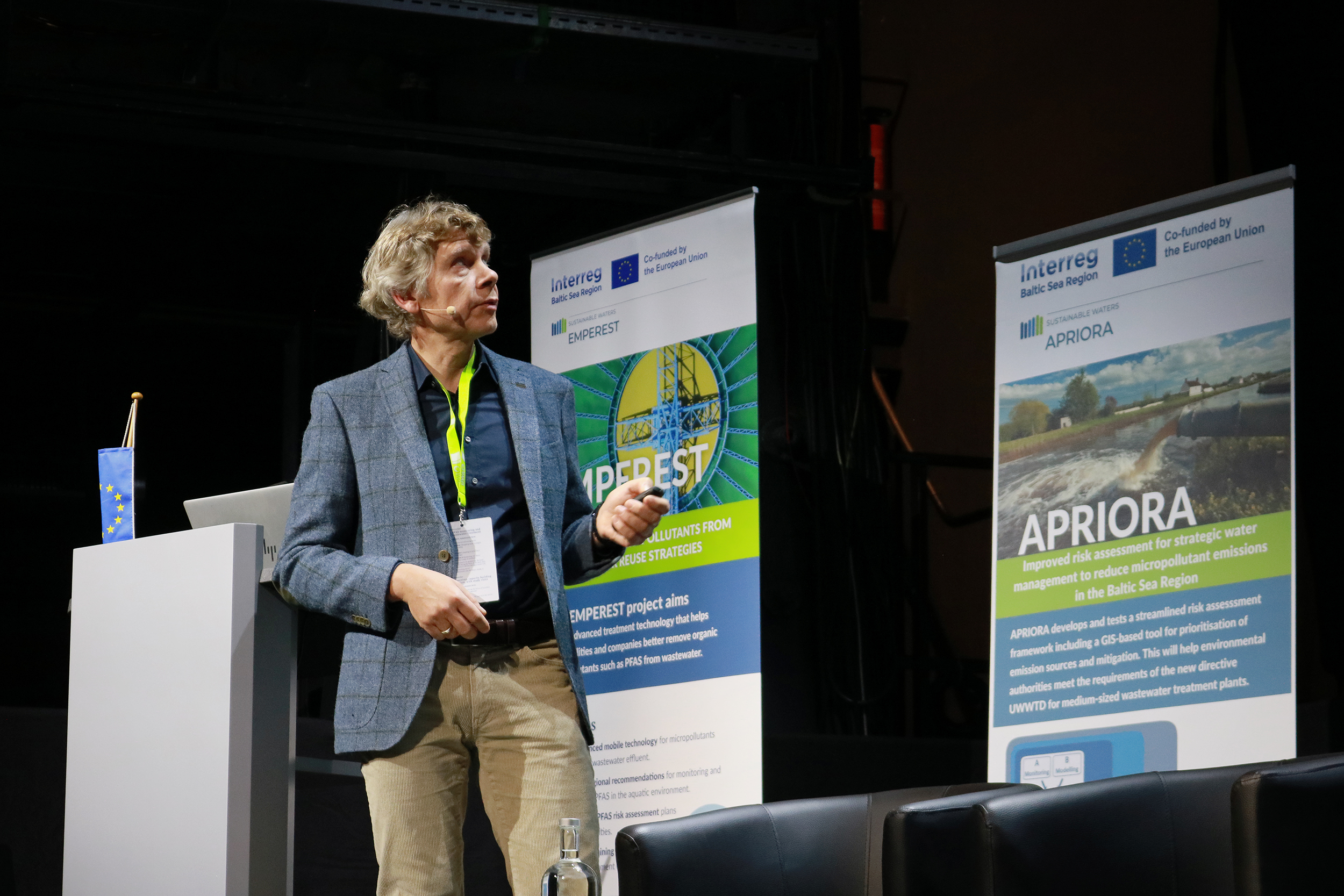 Jens Tränckner presenting the APRIORA project. Photo by Mariia Andreeva.
Despite the wide range of questions concerning the implementation of the Directive, it is steadily gaining clarity. We are rather proud to say the same about the topic of PFAS, although “clarity” is not something to use lightly in the case of these substances.
Since the EMPEREST start in January 2023, and not in the least due to our efforts, the knowledge and understanding about PFAS pollution has gradually increased in the Baltic Sea Region – however, its monitoring and regulation are still lagging behind. For instance, on the local level, Berlin aims to develop a comprehensive interdisciplinary PFAS strategy for the city, which is not easy as with every new piece of information new questions come up. One thing is clear: with PFAS, it is vital to prevent pollution from happening, as treating it is costly and highly complicated.
Prevention of pollution can be addressed through public procurement criteria: cities have the power to speed up a market transition towards toxic-free products with the procurement choices they make. It is also crucial to have a dialogue within the municipality with all responsible stakeholders.
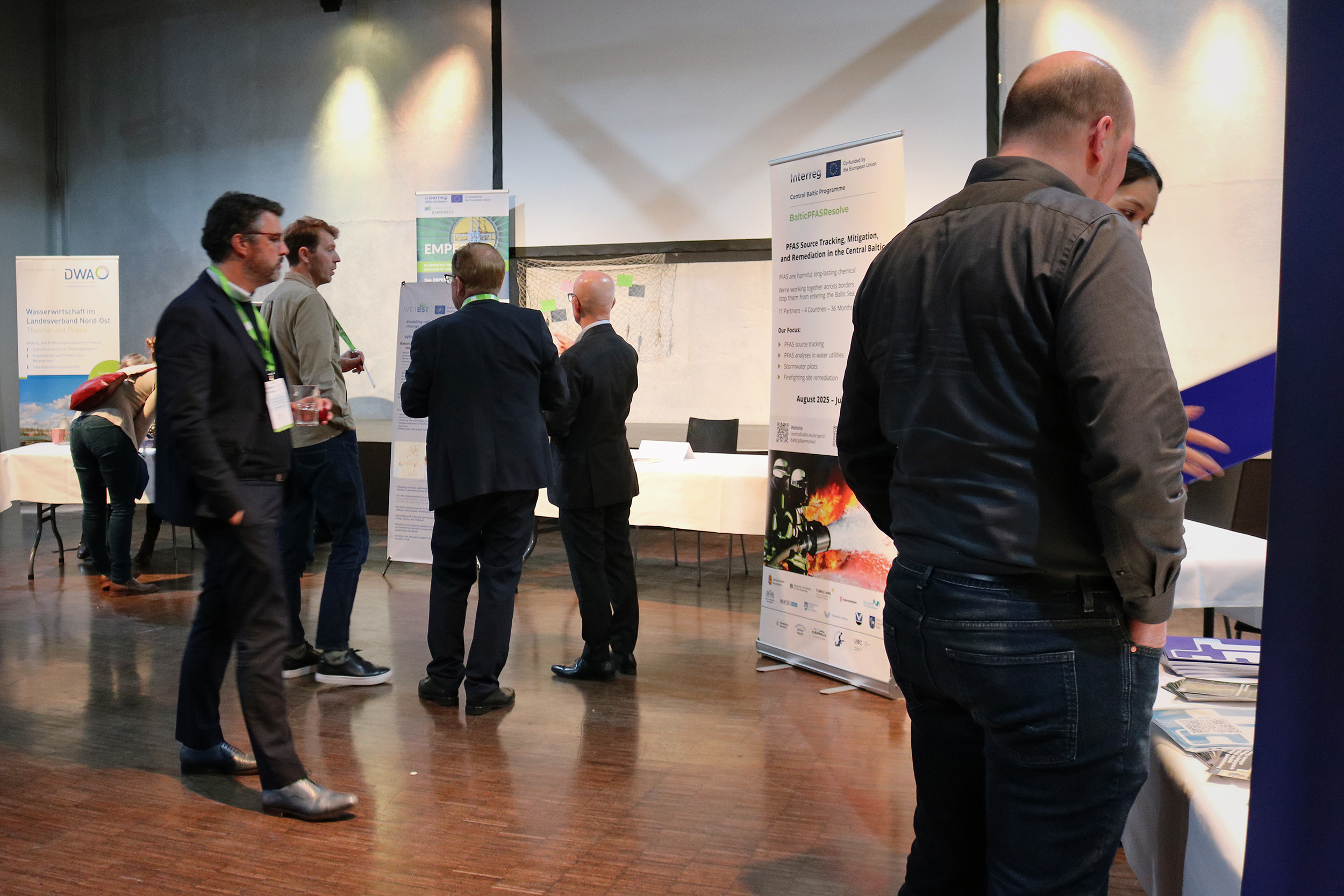
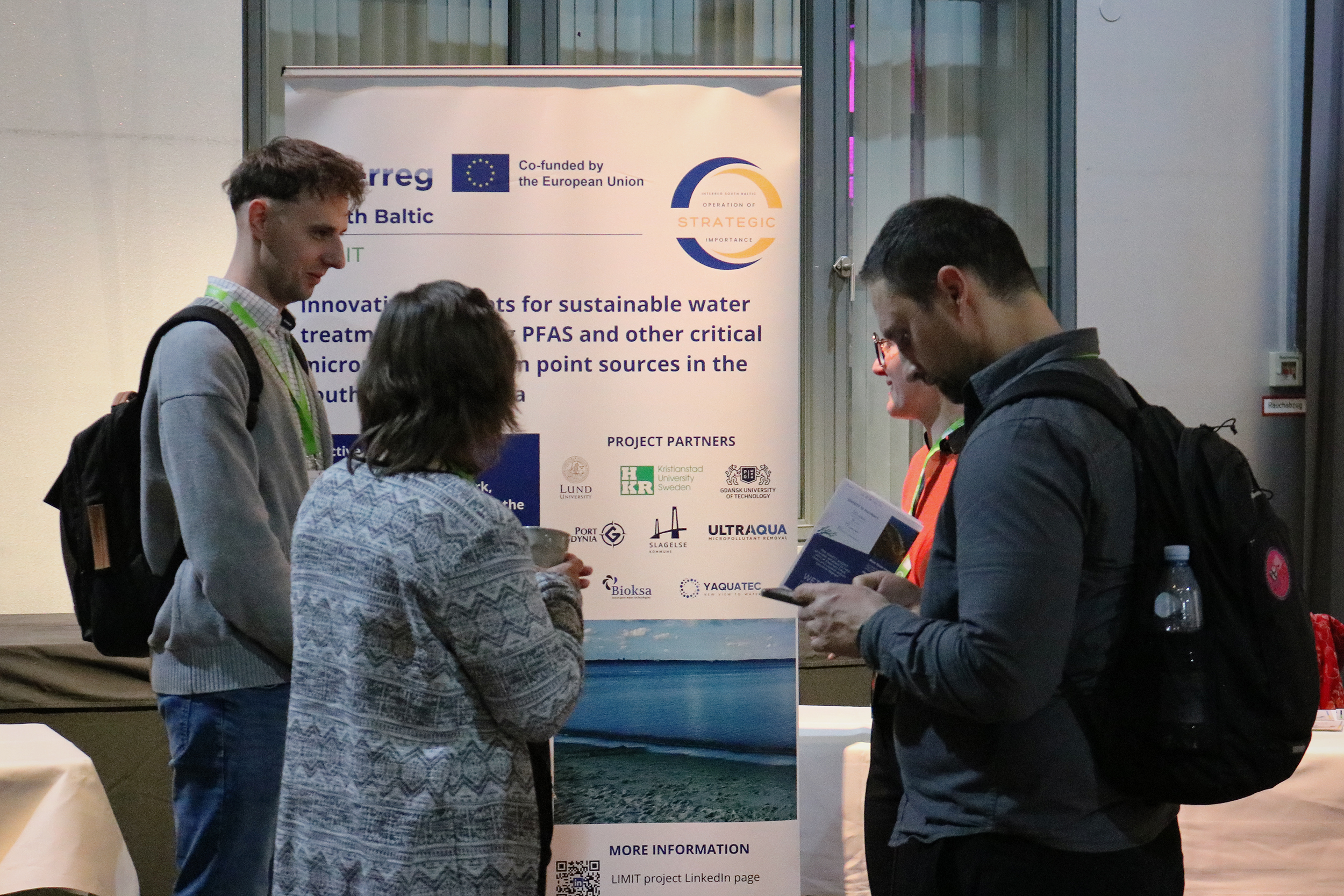
To boost the new partnerships and knowledge exchange, the EMPEREST final conference also featured an exhibition and market of solutions: interactive space for international projects and technology development companies to share their expertise.
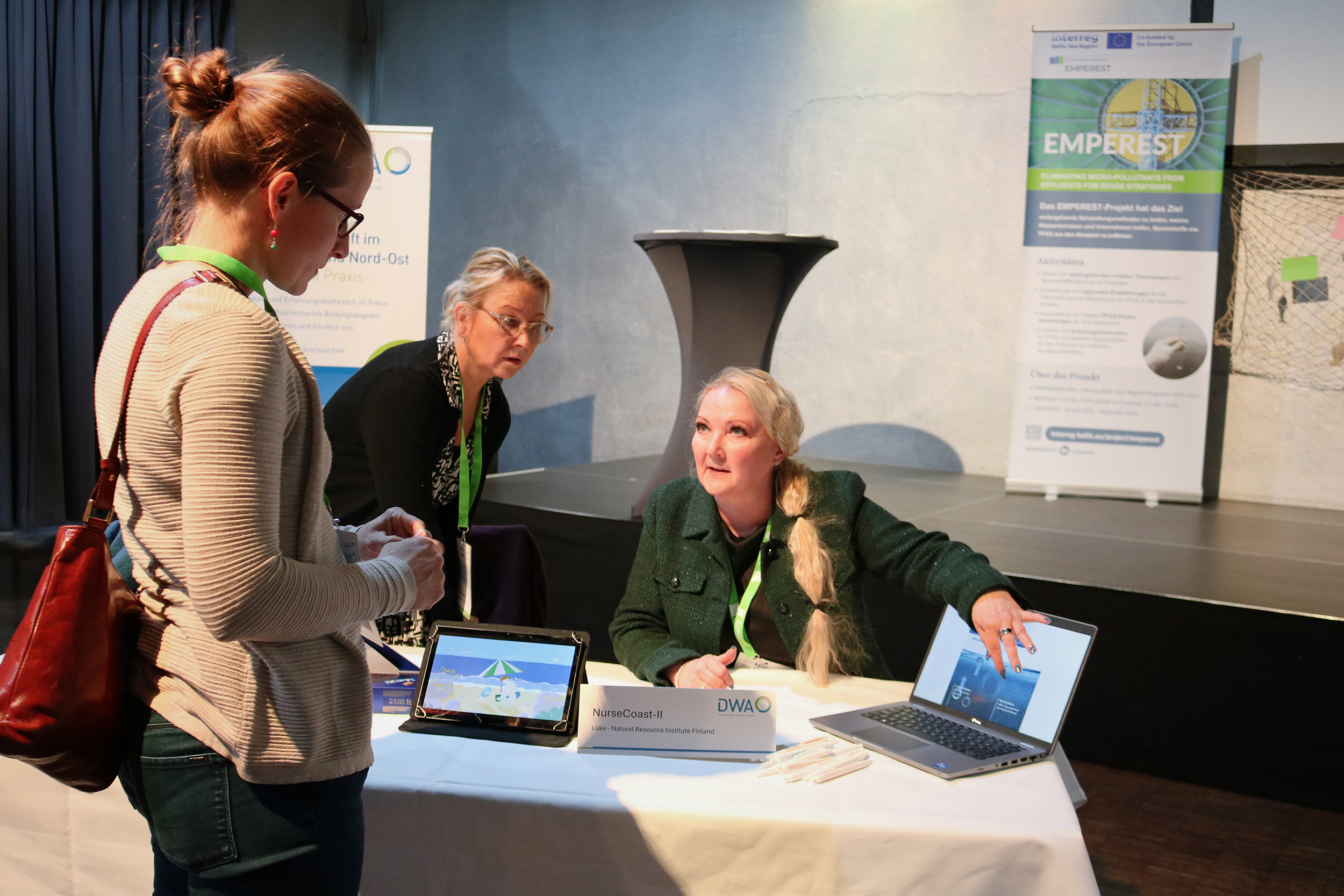
The conference hosted several stands of stakeholders driving the transnational cooperation: Baltic Sea PFAS network, and the projects LIMIT, NurseCoast-II, Baltic PFAS Resolve, LIFE SIP WetEST, WaterMan, DigiWave, and Flextreat, in addition to the stands of EMPEREST and APRIORA.
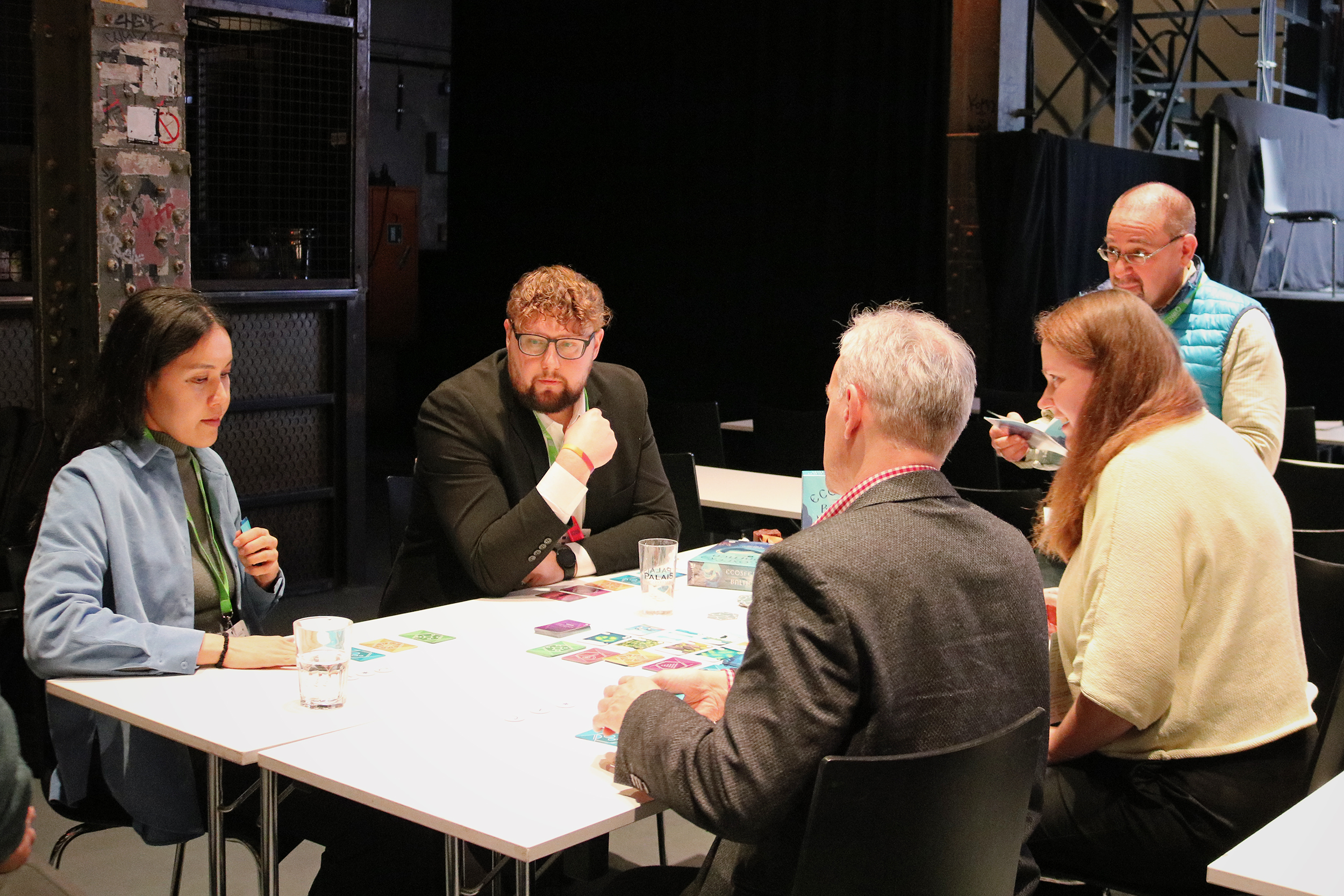
Behind another table, participants could learn about the intricacies of the delicate Baltic Sea ecosystem, and how regional governance can influence it, through an exciting boardgame Ecosfera Baltica, developed by HELCOM & Julibert Games, funded by Nessling Foundation.
For water utilities, the innovative companies in Europe offering organic micropollutants’ removal and PFAS treatment exhibited their products: Mecana (Switzerland), Porelio (Germany), Probiko-Aqua (Poland), Solar Decont (Czech Republic), and Sulzer (Germany).
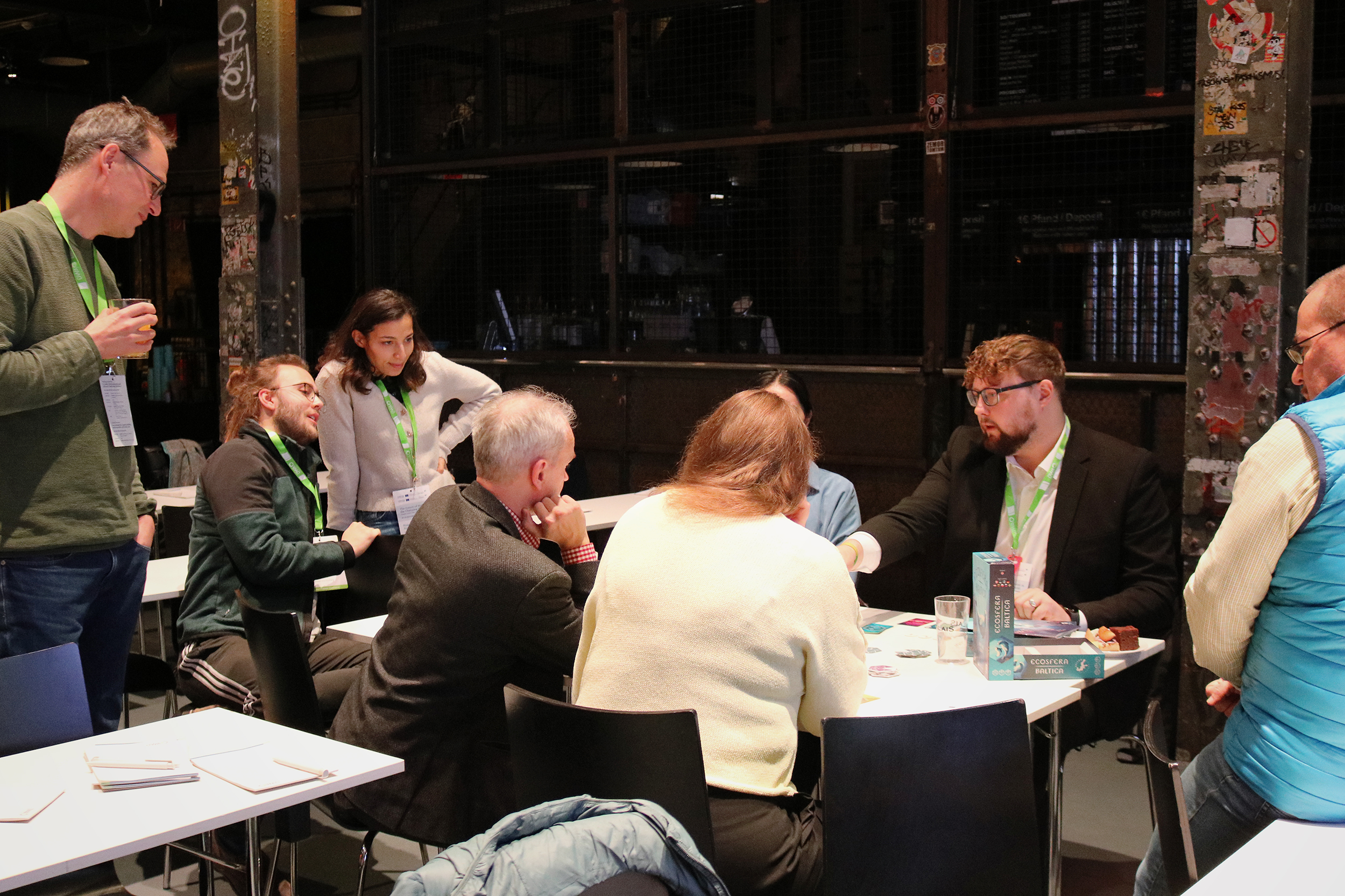
Learning about water ecosystem with the Ecosfera Baltica boardgame. Photo by Mariia Andreeva.
Study visits: from drinking to wastewater, and digital support
The conference concluded with parallel practical study visits participants. One group of 40 participants went to the Waßmannsdorf Wastewater Treatment Plant of the local water supplier Berliner Wasserbetriebe (BWB), where the focus was on new nutrient removal flocculation filtration stage. The system uses impressive metallo-salt flocculation technology followed by filtration to remove the remaining phosphorus. The plant treats the water of 1,7 mln PE with very high standards: the effluent quality exceeds the requirements of EU standards.
Another 45 participants went to see how the PFAS groundwater remediation in done in practice close to the territory of the former Berlin Tegel airport. To protect the drinking water production of the waterworks Tegel, the BWB installed a pump and treat facility with activated carbon adsorption to eliminate PFAS from the groundwater.
As a special, the APRIORA team organised a practical stakeholder workshop for end-users of the developed risk assessment tool. This was the first chance for stakeholders outside the APRIORA project team to participate, with around 30 people attending. Led by the developer and his teaching team, the participants were guided through applying the tool step-by-step. Using open-source QGIS software on their own devices, participants were encouraged to gain hands-on experiences, share worries and also shape the future development of the tool contributing own ideas. Read more about it directly in APRIORA news!
The conference fulfilled its mission to be a platform for many key stakeholders to meet and discuss the most acute topics in the field! Joint thinking, exchanging, and planning took place among the project partnerships of EMPEREST and APRIORA, with local and national experts from Germany, water utilities, water associations and environmental agencies, representatives of key water projects in the Baltic Sea Region and beyond, researchers, and companies developing technologies to remove PFAS and other organic micropollutants!
Quoting the post-conference feedback,
“This was one of the best organized conferences I have ever visited. Excellent program and speakers as well as very useful insights and contacts.”
Article written by: Mariia Andreeva, Vanessa Ingold, Lotta Lehti, Alena Seidenfaden and Jelena Valtin

Additional links
details
-
Homepage
-
Project typeCore Project
-
ImplementationJanuary 2023 - December 2025
-
StatusCompleted
-
Contribution to EUSBSRPolicy Area Hazards

-
Target groups
- Infrastructure and public service provider
- Interest group
- International governmental organisation
- Local public authority
- National public authority
-
Social media
-
Additional links
-
Tags