




What does City Blues leave behind for European cities?
20 October 2026
Instead of looking for a single solution, the partner cities explored how nature-based stormwater solutions could be adapted to local conditions. Tampere, Aarhus, Malmö, Tartu and Stavanger each worked with a local pilot site, giving the cities an opportunity to learn from different settings and experiences.
Local pilots brought multiple benefits
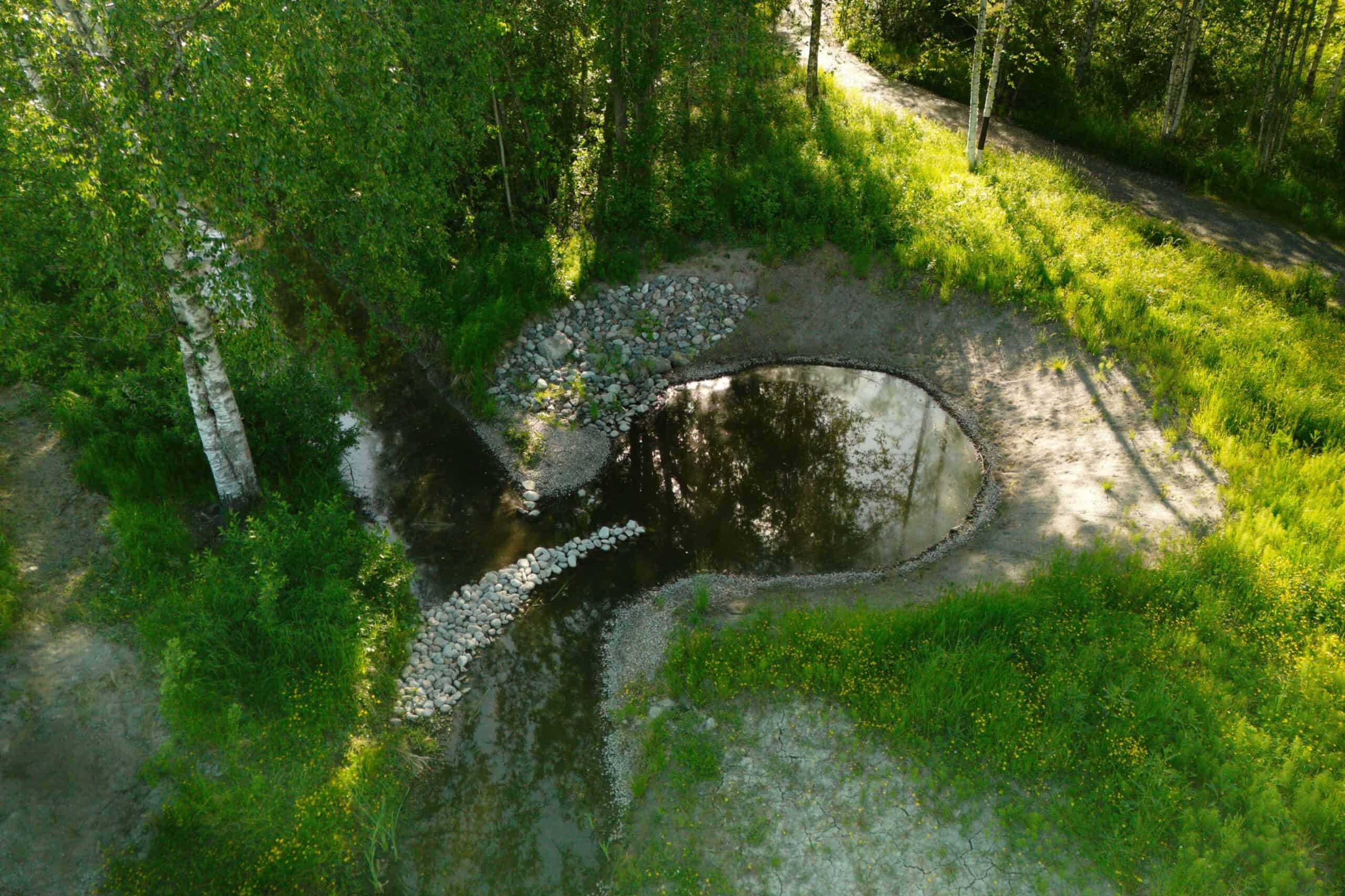
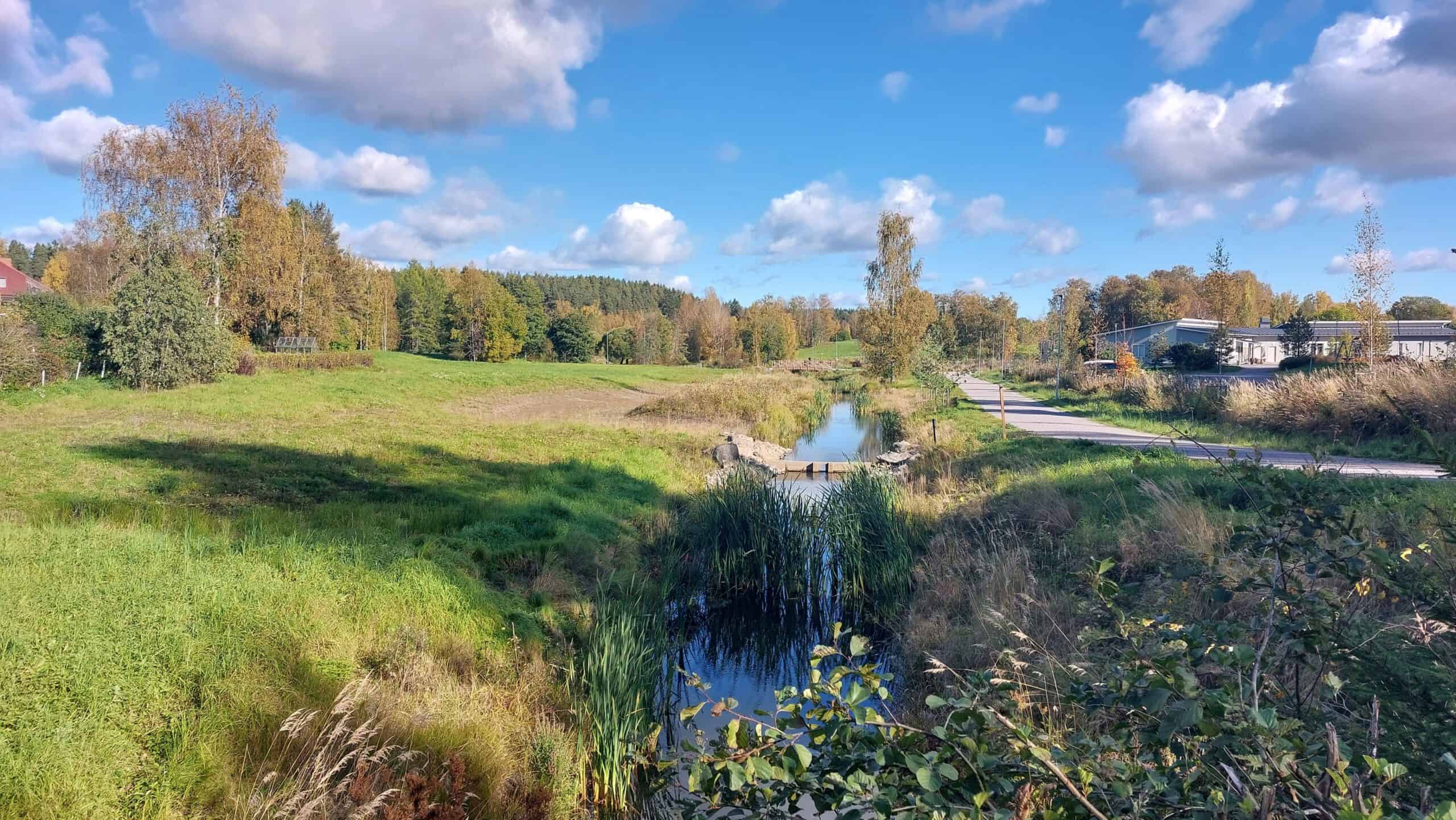
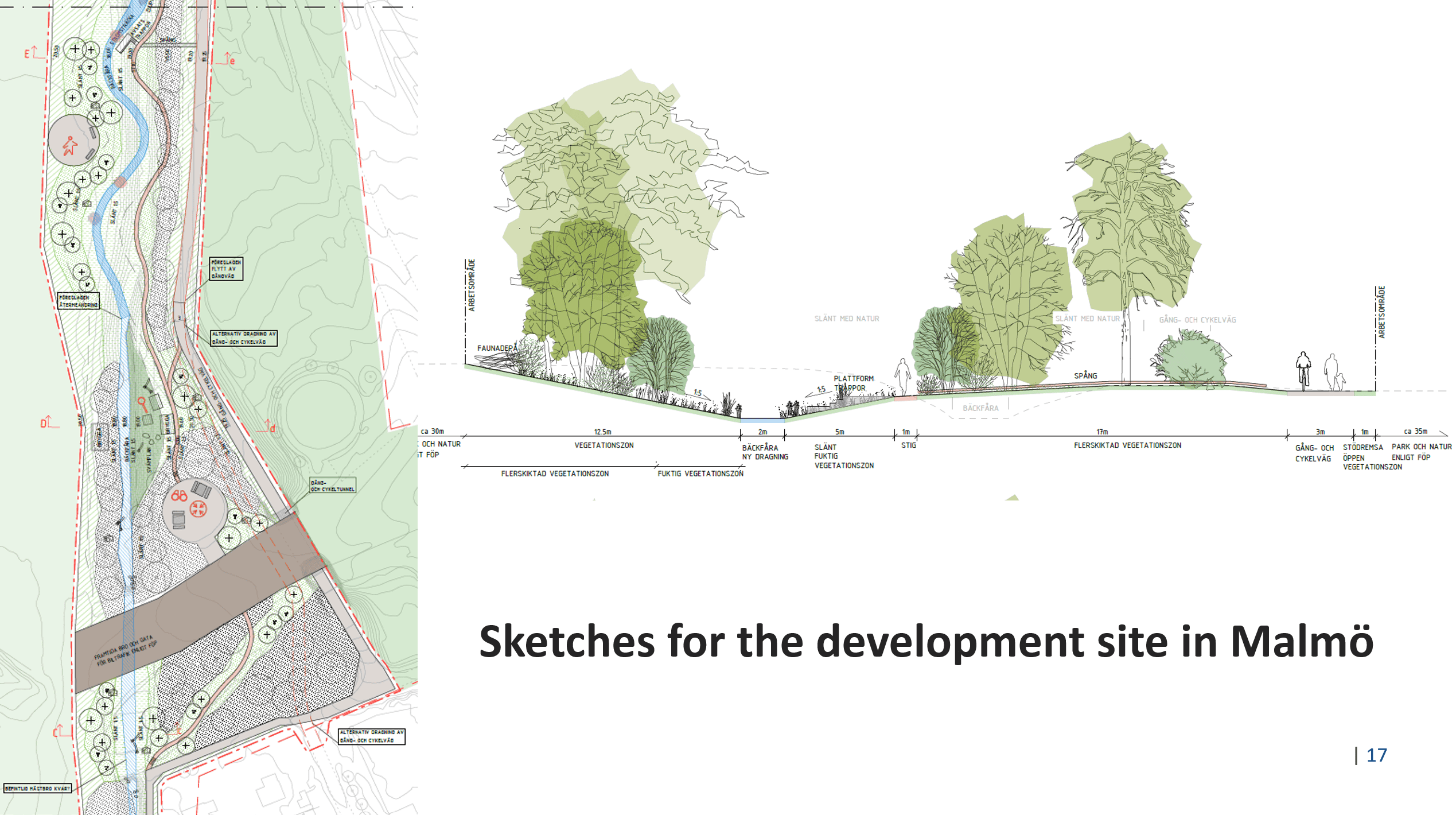
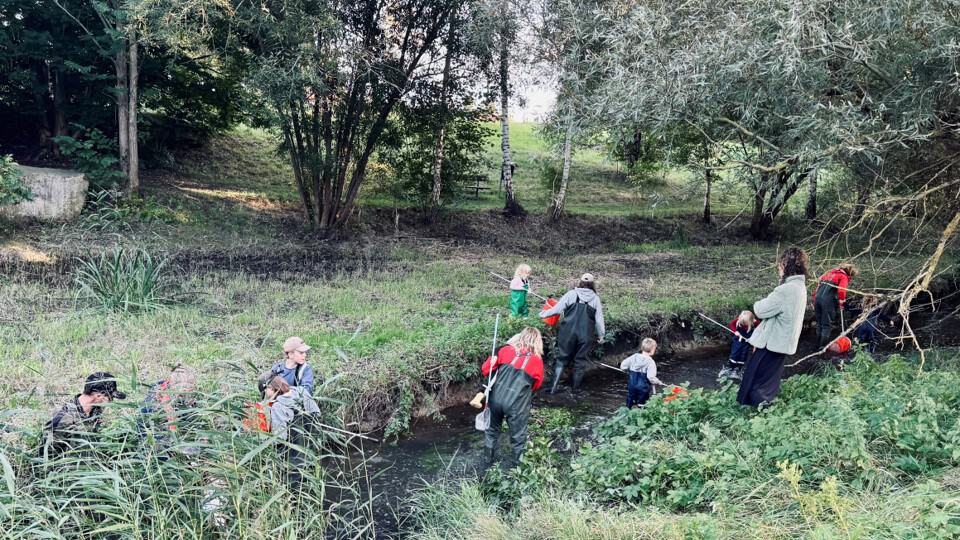
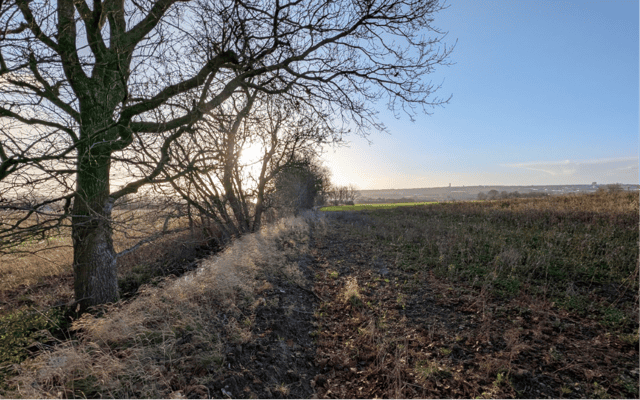
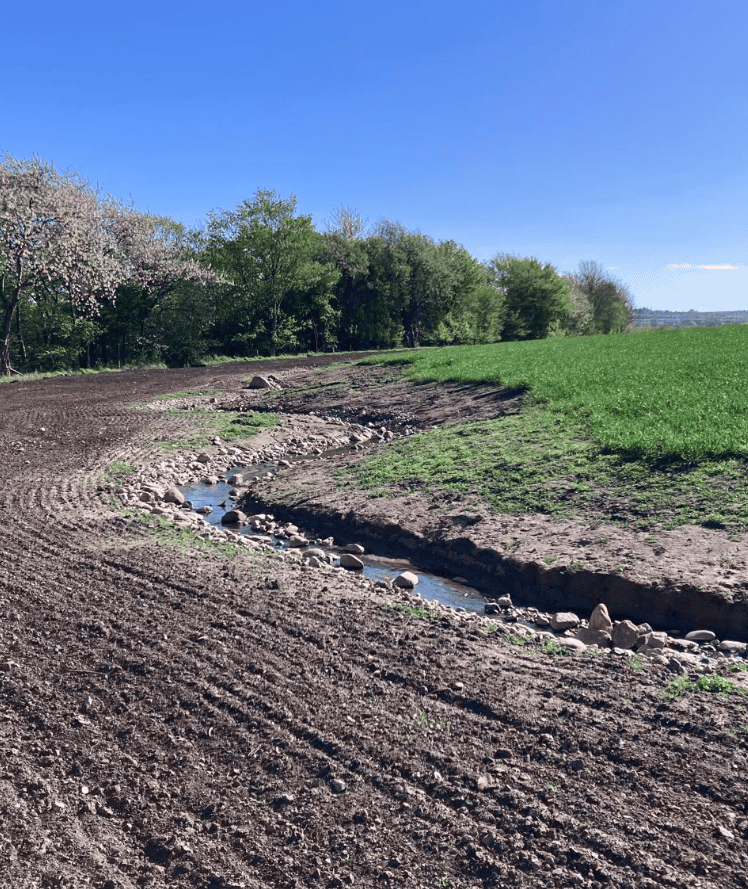
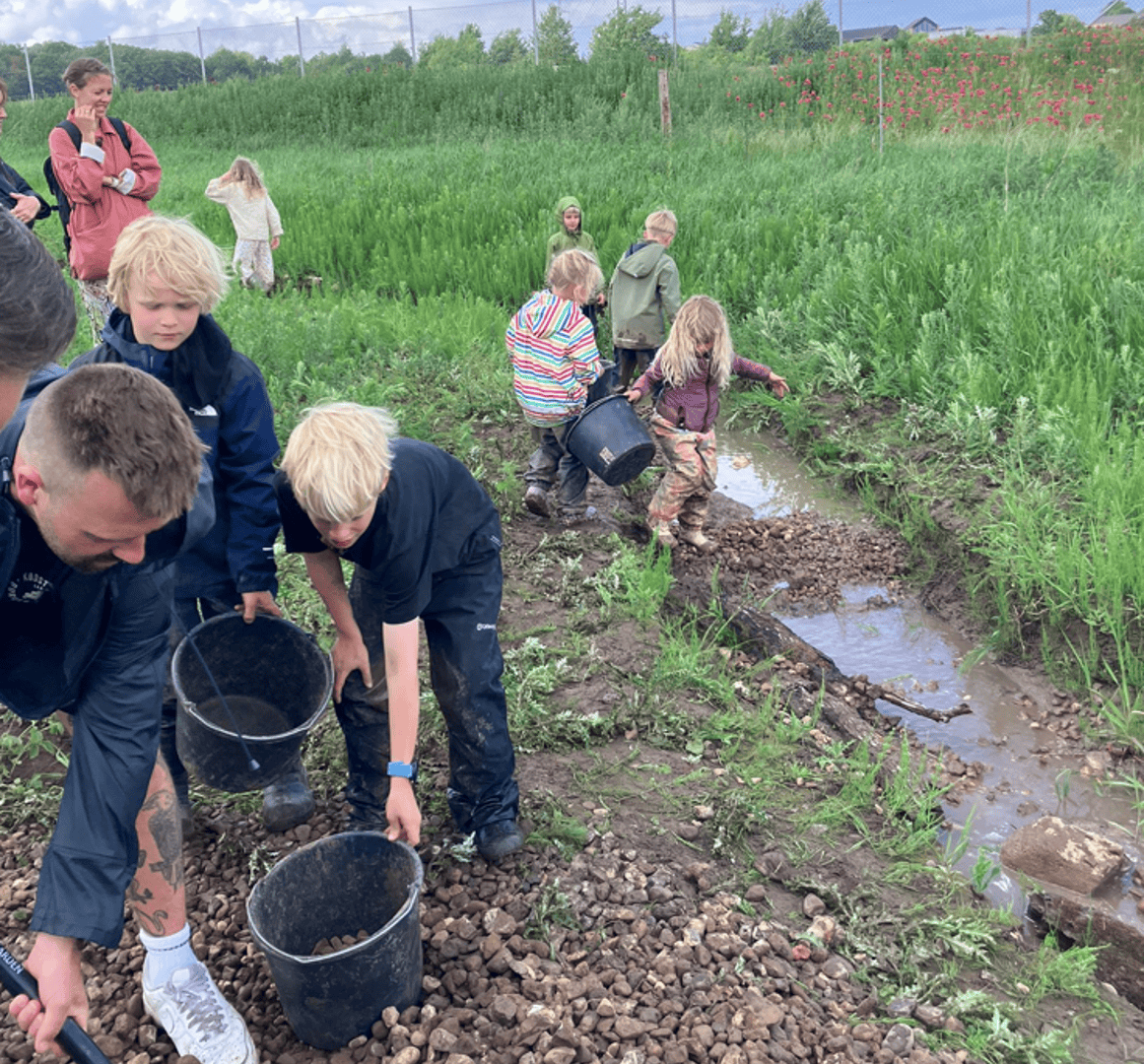
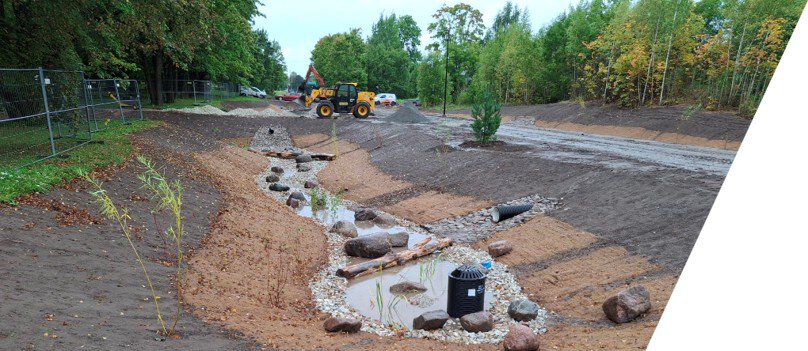
The City Blues pilot area in Aarhus is located in Nye, a new urban development north of the city. The project focused on restoring the Ravnbakke and Bueris streams. Its goals were to apply NBS across a defined catchment to make urban water management more resilient, improve biodiversity and create attractive living environments. Malmö’s pilot developed a strategic, catchment-based plan for the Riseberga Stream. Unlike the other City Blues pilots, Malmö did not construct new NBS. Instead, it established a framework for their future implementation across the entire catchment.
In Tampere, new flood meadows were created in Varsanpuisto Park along the Vuohenoja stream. The goals were to reduce the risk of flooding around the nearby lake, remove nutrients from the water, support biodiversity and improve the area’s recreational value.
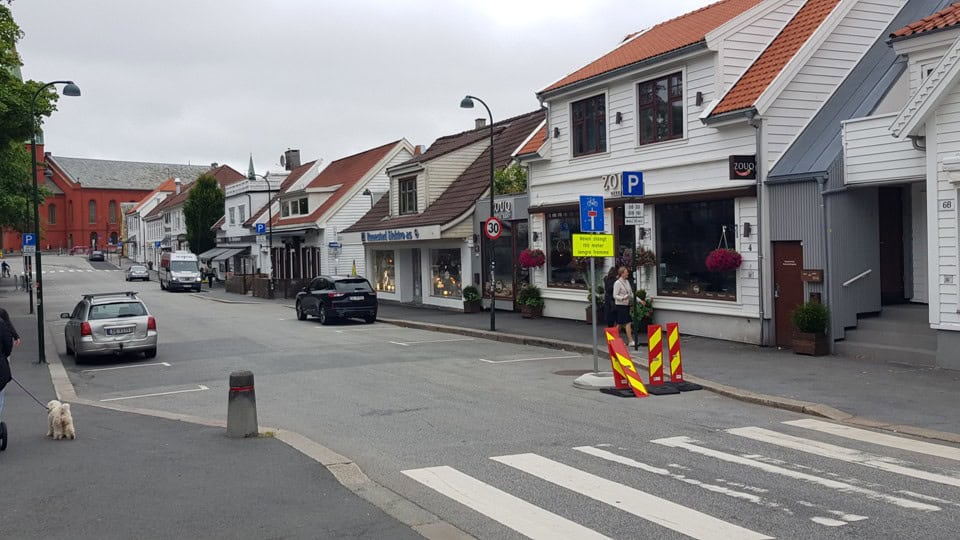
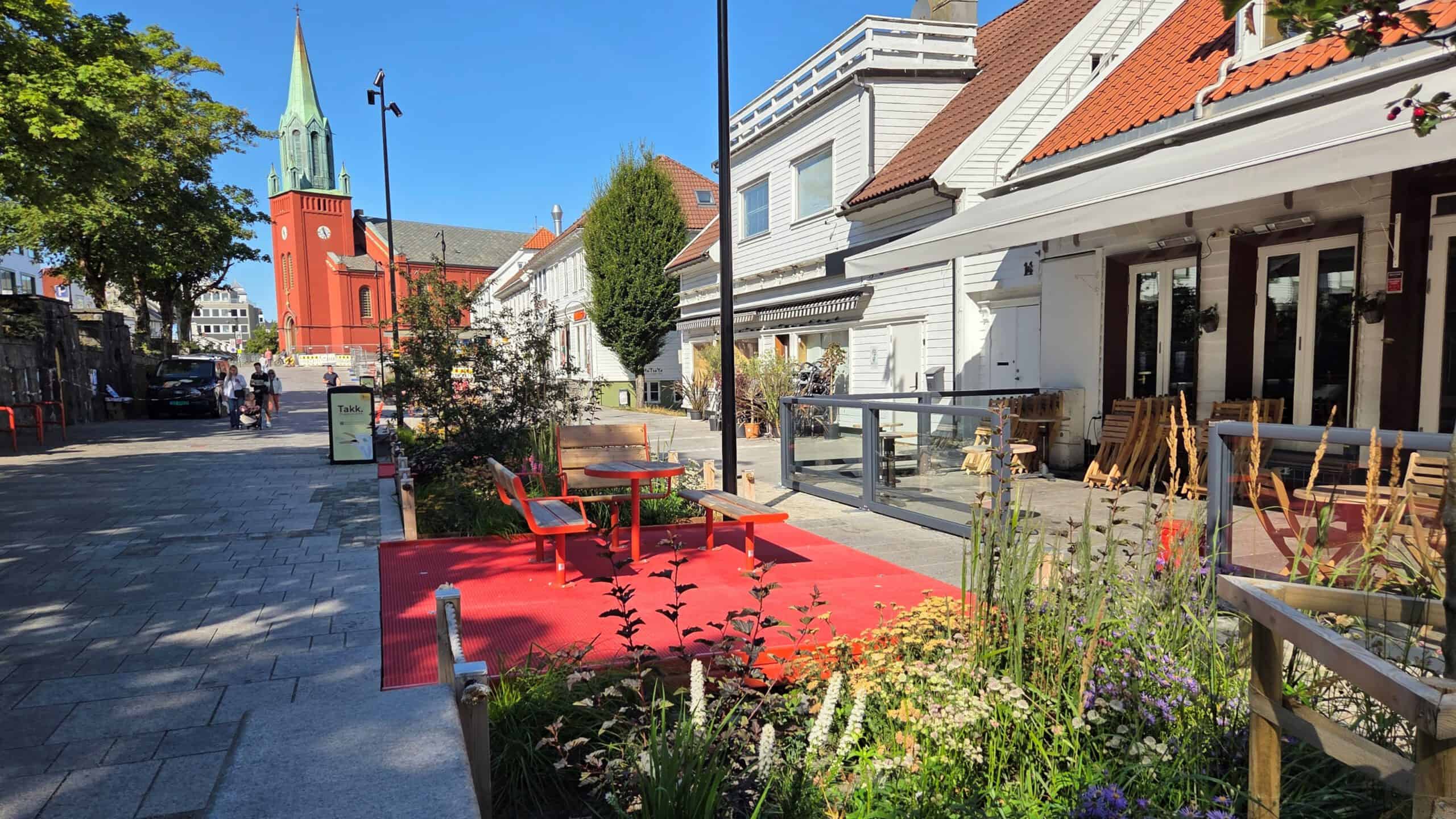
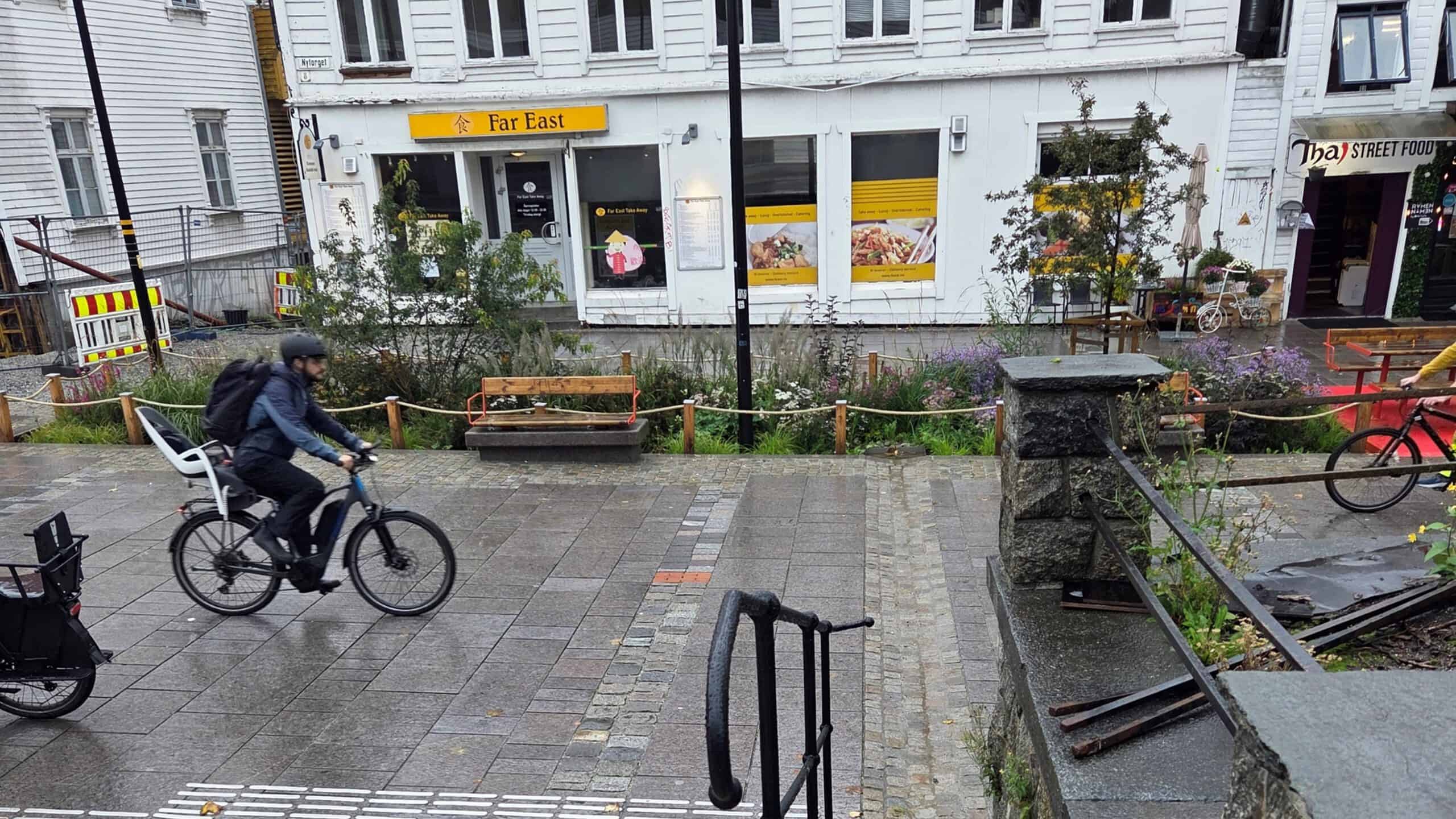
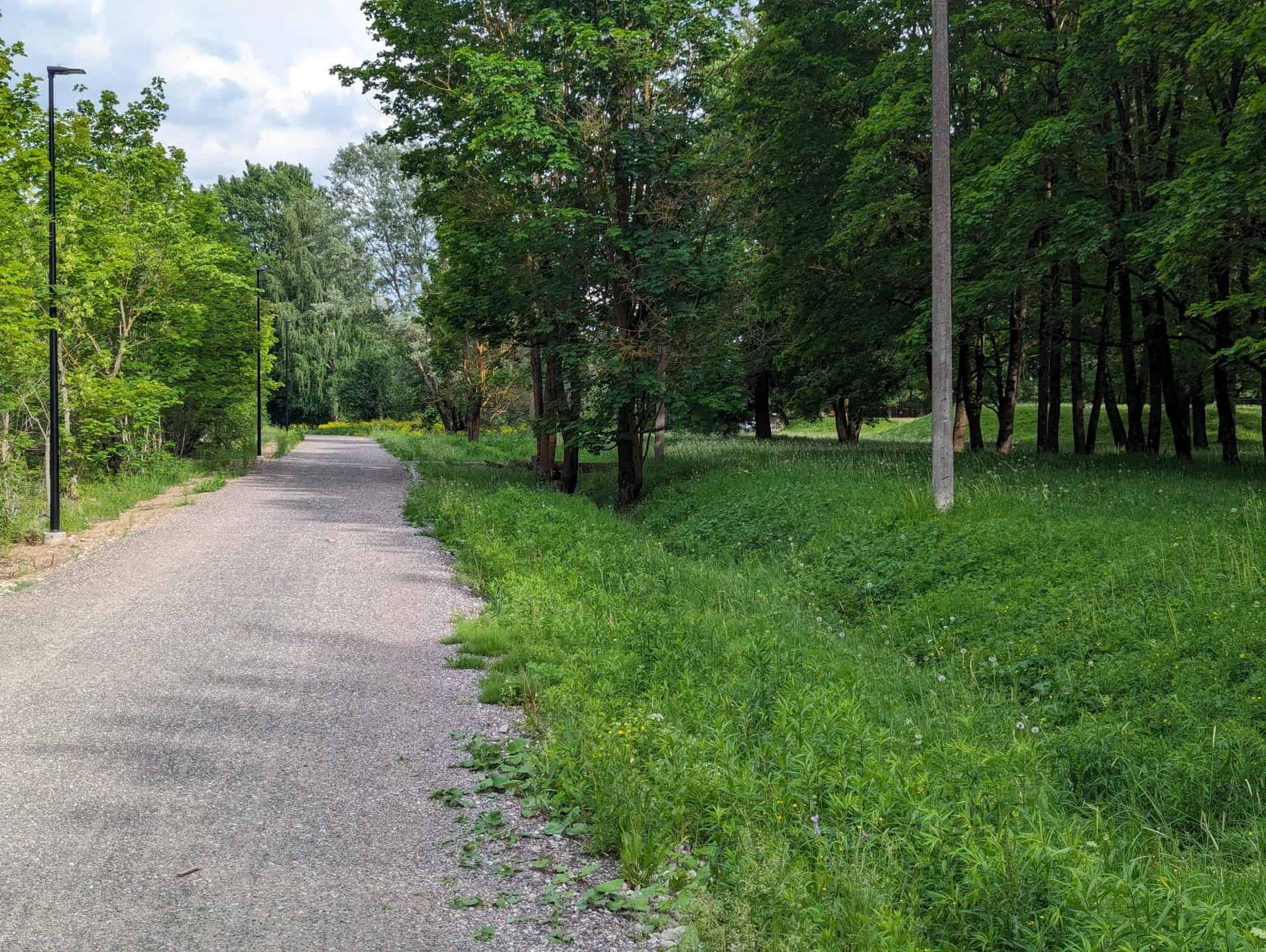
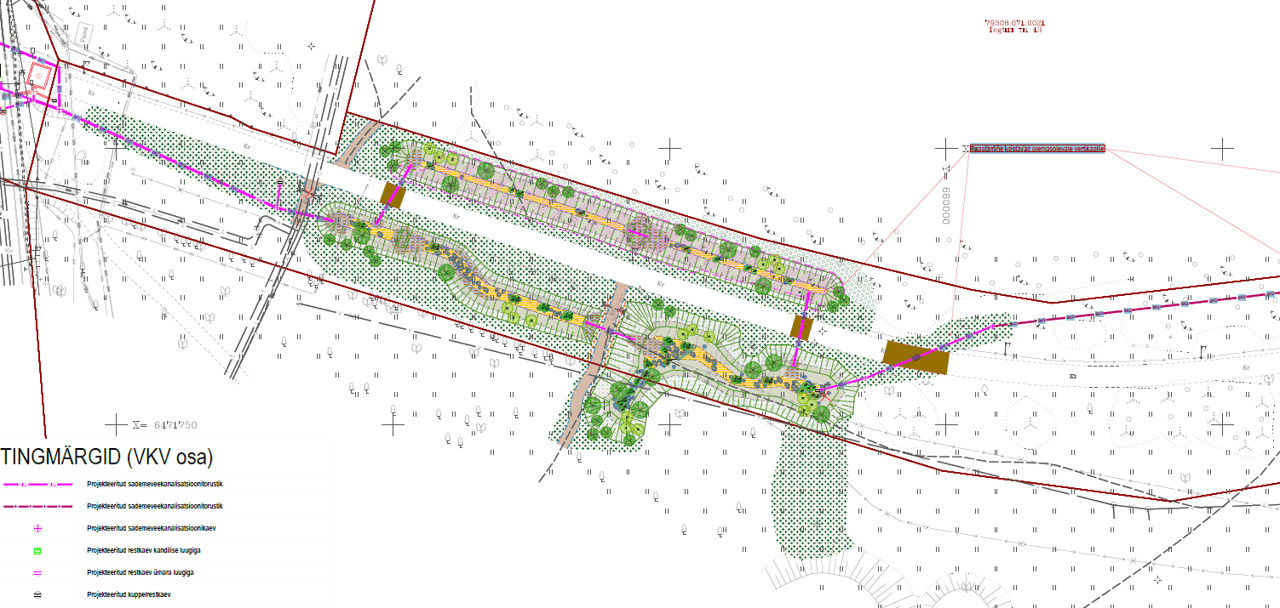
In Tartu, the pilot focused on redeveloping the historic Sadamaraudtee, or Port Railway, corridor. The aim was to transform the former railway into a green infrastructure corridor providing multiple ecosystem services, including flood mitigation, urban cooling, enhanced biodiversity and recreational value. In Stavanger, the pilot integrated nature-based solutions into the renewal and greening of Nytårget Square in the city centre.
– Working with the streams in Aarhus has shown us that NBS need to be planned at the scale of the entire catchment, rather than as isolated interventions. This requires understanding how water moves through the landscape, how different measures interact, and how stormwater management, biodiversity and urban development can be addressed together. Equally important are cooperation between stakeholders and a long-term commitment to monitoring, maintenance and adaptive management. These are essential conditions for creating solutions that deliver lasting benefits for both people and nature, says Project Manager Kristiina Mardi from the City of Aarhus.
Lessons learned for successful nature-based urban stormwater management
The project emphasises the value of catchment-based thinking. When stormwater is considered only at the level of one site, important connections can be missed. Looking at the catchment helps cities understand where water comes from, where it flows and which areas are affected by the same system.
Stakeholder engagement is another area that needs attention. Nature-based stormwater management often involves several city departments, landowners, designers, maintenance teams and residents. Political support is also important. Early dialogue, clearly defined roles and shared expectations can make the process much easier throughout the project lifecycle.
The pilots also came up with practical challenges during implementation. In some pilots, site conditions, soil quality and procurement affected schedules and design choices. These experiences showed the need for careful preparation, risk management plans and flexibility during implementation.
– Nature-based solutions continue to evolve after construction. For example, vegetation evolves, and maintenance needs may vary over time, which makes long-term monitoring, maintenance and feedback important parts of the whole process, says Researcher Paul Schütz from Berlin Centre of Competence for Water (KWB).
Turning the experiences into a shared model
During the project, the partners brought their lessons and operating principles together in the City Blues NBS Model. Designed for municipalities seeking to implement catchment-based nature-based solutions in urban areas, the model draws directly on the experiences of the partner cities.
– We wanted the model to look beyond technical measures. Making nature-based solutions work in cities also requires political support, careful planning, stakeholder engagement, long-term maintenance and continuous learning. The model brings these elements together through practical guidance and examples, says Expert Murel Truu from Tallinn University of Technology.
The model also recognises that cities have different starting points. Some already have established stormwater strategies and well-developed structures for cooperation, while others are still building them. The model helps municipalities assess their current situation, identify practical next steps and develop solutions suited to their local context.
Building on the City Blues experience
As climate change intensifies, cities will need to rely more heavily on nature-based solutions to reduce flood risks, cool urban areas and remove excess nutrients from water. The City Blues project has shown how municipalities can move from individual stormwater solutions towards more systematic, catchment-based planning. Continued cooperation will allow cities to build on these experiences and apply the lessons in new local contexts.
– Nature-based solutions will play an increasingly important role in the future. Collaboration and knowledge exchange between cities are essential to make these solutions even more effective. Looking ahead, we can build on the City Blues experience by exploring the potential of AI and digitalisation and connecting with wider European networks. The EU Strategy for the Baltic Sea Region can support this work, says Director Esa Kokkonen from Baltic Institute of Finland.


Additional links
details
-
Homepage
-
Project typeCore Project

-
ImplementationNovember 2023 - October 2026
-
StatusCompleted
-
Contribution to EUSBSRPolicy Area Nutri

-
Target groups
- Infrastructure and public service provider
- Interest group
- Local public authority
- NGO
-
Social media
-
Additional links
-
Tags