




Challenges and solutions from the City Blues pilot in Tartu
29 January 2026
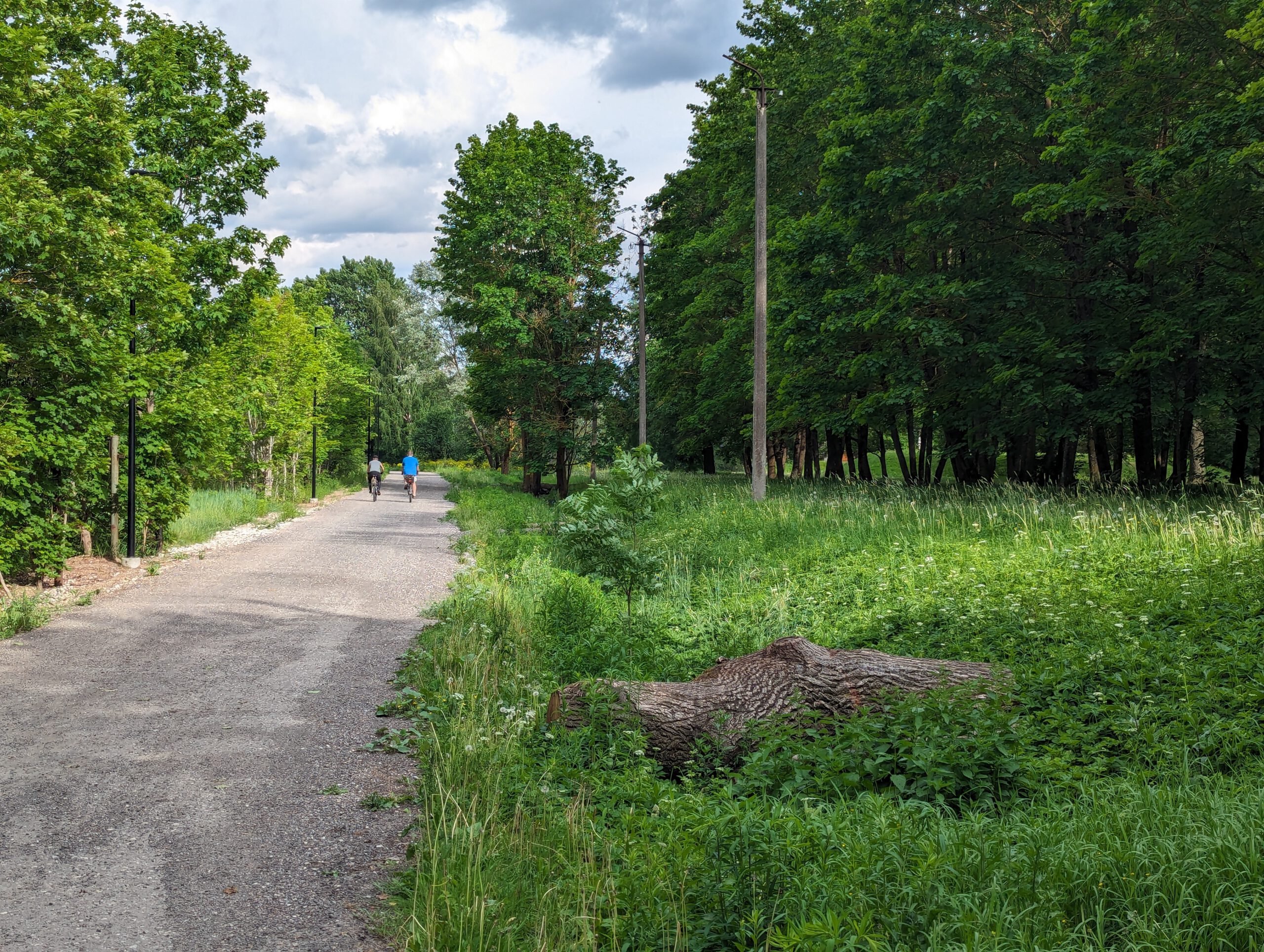
As part of Tartu’s shift from traditional infrastructure to climate-resilient planning, the pilot shows how old industrial areas can become vibrant landscapes that provide services like flood control, urban cooling, ecological connectivity, and recreational value.
Despite its strong foundation, the pilot has faced various technical, organizational, and environmental challenges that have influenced its timeline and learning outcomes.
Shared understanding and thorough risk assessment are key
The pilot faced disruptions due to changes in project leadership and periods without a project manager. These changes affected continuity, slowed decision-making, and required extra time for new team members to understand the project’s complexity.
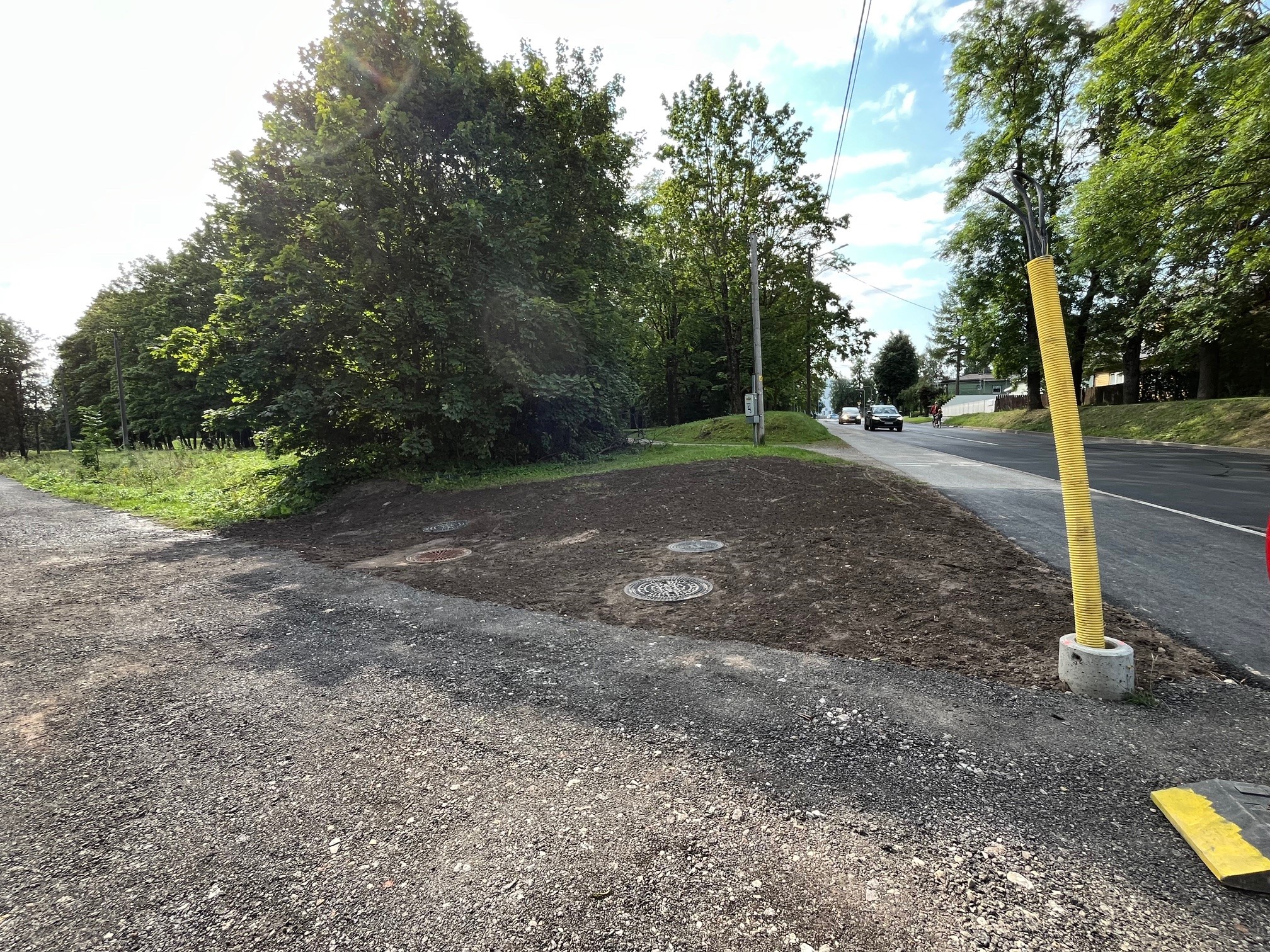
Flood control at the Riga Street junction needed solutions beyond a single site, considering upstream and downstream areas. Budget constraints meant the full system couldn’t be implemented at once, so the pilot site was moved downstream to address existing flood risks effectively.
The first design procurement failed due to a lack of bids, partly because of misunderstandings about expected water volumes and system scale. This highlighted the need for clear technical communication in innovative projects. Precise technical descriptions and clear communication of design assumptions, flow parameters, and uncertainties can prevent misunderstandings and improve market response.
A major challenge arose when significant soil contamination was found at the pilot site, linked to the area’s industrial past. Full remediation was too expensive, forcing a redesign of the nature-based solution to avoid polluted zones and delaying the detailed design phase. This highlighted the importance of thorough environmental, technical, and risk assessments before finalizing pilot locations and designs.
Different viewpoints among municipal departments and Tartu Waterworks, especially regarding the reliability, maintenance needs, and long-term performance of nature-based solutions, require ongoing dialogue and trust-building. Bridging the gap between traditional infrastructure operators and proponents of nature-based solutions needs sustained engagement, shared learning, and exposure to proven examples, especially in similar climates. Uncertainty about who maintains nature-based systems and at what cost can slow progress and create resistance. Defining maintenance needs and responsibilities during the design phase is crucial for long-term success.
Risk management should be formalized from the start. The lack of an early risk management plan made the project more vulnerable to delays and unexpected costs. Systematic risk identification can improve resilience, budgeting accuracy, and decision-making in future projects.
City Blues pilot site offers valuable knowledge for the future
The City Blues pilot in Tartu shows how using nature-based solutions in cities can be both promising and challenging. While the project faced many obstacles, it provided valuable lessons in planning, working with different groups, and moving from traditional to green-blue infrastructure.
By learning from these challenges, Tartu is getting better at creating resilient, sustainable, and multifunctional urban spaces. This sets the stage for future projects that are better integrated, managed, and aligned with the city’s long-term climate goals.

Additional links
details
-
Homepage
-
Project typeCore Project

-
ImplementationNovember 2023 - October 2026
-
StatusOngoing
-
Contribution to EUSBSRPolicy Area Nutri

-
Target groups
- Infrastructure and public service provider
- Interest group
- Local public authority
- NGO
-
Social media
-
Additional links
-
Tags