




Making reuse work in Liepāja, Latvia
14 October 2026
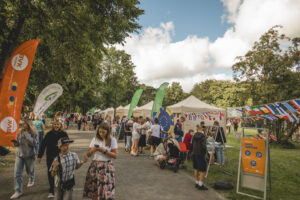
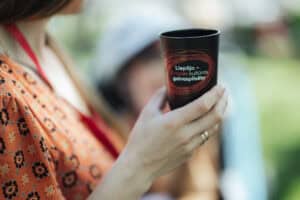
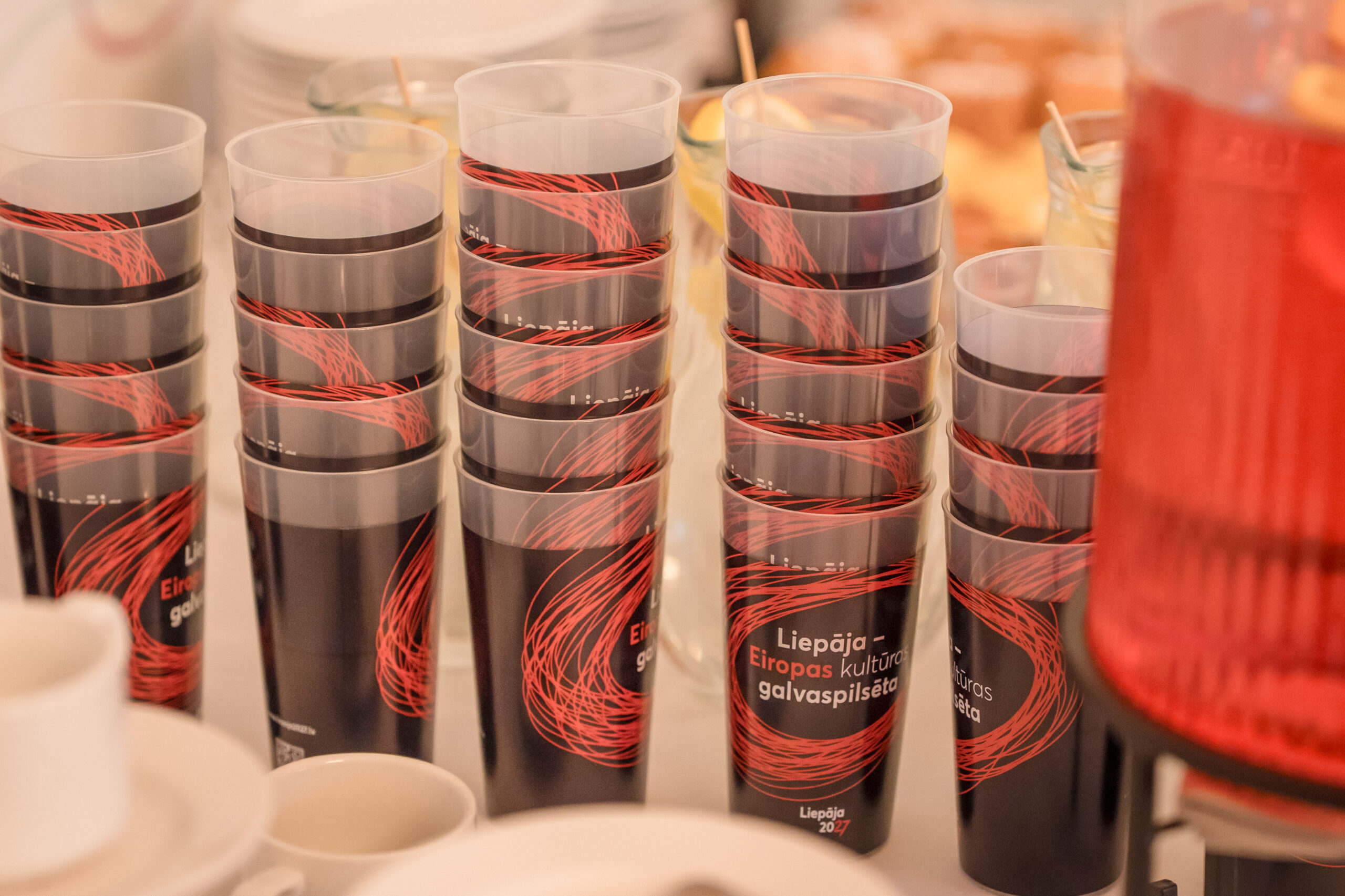
Through the Change(K)now! project, Liepāja set out to cut down on disposable cups in public spaces. The first big test came at the MAD Liepāja Youth Festival in August 2025, which drew around 16,000 people. Visitors could get their drink in a reusable cup for a small deposit, refunded when they returned it, and 69% of the cups came back. What did you learn from that weekend?
Young people tend to embrace reuse quickly when the system is simple and easy to understand. However, we also found that children and young people often had a limited amount of money provided by their parents. If part of this money had to be used for a deposit, some of them might not have enough left to actually buy the drink. However, I think it is only a matter of time before we get used to the idea that reuse systems at public events are the new normal.
The festival was one piece of a bigger plan. Liepāja drew up a roadmap of local rules and guidelines to cut disposable cups at events, on beaches and in coastal cafés. Since 1 January 2026, drinks at public events can only be served in reusable cups, while on beaches and in cafés it’s a recommendation. Why the difference?
As part of its efforts to reduce waste, the city considered introducing restrictions on the use of disposable cups, including at Liepāja’s Blue Flag beach. The initial plan was to amend the beach regulations to prohibit beach cafés from using disposable cups. However, after consulting with the relevant ministries on the legal aspects of the proposed regulation, it became clear that the municipality could not impose such a requirement.
Under the existing legal framework, local governments do not have the authority to regulate how merchants sell their goods or provide services at their permanent places of business unless such restrictions or prohibitions are established in higher-level legislation. As a result, the planned requirement was changed into a recommendation. The beach regulations now recommend that beverages at beaches and designated swimming areas be served in reusable cups, using a return system for reusable plastic cups.
Getting there meant bringing a lot of people to the table: colleagues from across city hall, from environment to legal affairs, national ministries, and the cafés and caterers who would have to make it work. How did you get everyone on board?
Consistent and persistent communication is undoubtedly very important. However, another factor behind the success may be that we started raising the issue of reducing single-use packaging well before the “Change(k)now!” project — back during the COVID-19 pandemic. At that time, we saw how quickly takeaway services were growing and how much this was contributing to the use of single-use food containers and cups.
We had already established contacts with most of the cafés and restaurants in Liepāja and launched the “Don’t Buy Extra, Bring Your Own” initiative, encouraging people to use their own containers when buying takeaway food, bring their own coffee cups, and carry reusable water bottles. So, by the time the “Change(k)now” project started, many of our potential partners were already familiar with the issue and had been engaged in discussions about reducing single-use packaging. In that sense, I think it was quite natural that they were more open and ready to get involved in the project.
How did the first summer under the new rules go? Was there anything that surprised you?
Municipal regulations alone cannot create a functioning reuse system and do not address many of the practical challenges faced by event organisers and businesses. For example, vendors joining a deposit-based cup system pay the cup operator a security deposit for the cups, and the account is settled after the event based on how many are returned. For small beverage producers, setting aside enough cash for the deposit and having it tied up for the whole event was a real challenge.
Beach cafés faced a different challenge. People at the beach are primarily there to relax and generally do not want to spend time figuring out how a deposit system works. Many customers therefore preferred to simply purchase the cup for €2 rather than rent it and go through the app-based return process. This, in turn, caused quite a lot of dissatisfaction among customers.
Regulation is also lagging behind: alternative reuse systems currently lack clear and consistent regulation at both the European and national levels. This creates a risk of greenwashing, and even of resistance to deposit-return systems. In some business models, unreturned cups are part of the provider’s revenue model. This is understandable – service providers need to be financially viable – but their objectives may not always align with the municipality’s goal of minimising waste and maximising the actual reuse of cups. The economic model of a reuse system needs to support its environmental goals.
If another seaside city called you tomorrow and said “we want to do this too”, what would you tell them?
Great! But be careful! As part of the “Change(K)now” project, we conducted a socio-economic assessment regarding the introduction of reusable cups at public events and beach dining establishments in Liepāja. The study concluded that, in most cases, the economic costs of operating a reusable cup system are higher than those of using single-use cups. This inevitably raises the question: who is going to pay for it? There are many challenges in running the system, and they involve costs for everyone involved — the municipality, businesses and customers.
I would also recommend investing time in educating and engaging the public to get back to the habit of bringing our own reusable container or travel mug when buying takeaway food and drinks, and bringing our own cup or travel mug to events as well. Whenever possible, choosing to drink coffee or eat on the spot is an even better option. This not only reduces the potential environmental impact, but also encourages us to slow down and enjoy our food and drinks in a more mindful and relaxed way.
What difference did it make to work on this with other cities around the Baltic Sea through Change(K)now!?
It was valuable because it allowed us to observe and track a wide range of pilot projects and variations of reuse systems. It provided insight into the successes, ups, and downs experienced by other countries. Ultimately, it was important to realize that it is not simply a matter of taking a successful example and assuming that implementing it in our own context will yield equally great results. While the experience of other countries is beneficial, one must carefully consider the specificities of the local context.
Liepāja was just named Latvia’s top municipality for smart use of resources in the 2026 Circular Economy Index, with green public procurement among its strengths. How does the move away from single-use food and drink packaging fit into that bigger picture, and could the way the city buys things help make reuse the norm?
I see the move away from single-use food and drink packaging as a very natural part of the bigger circular economy picture. If we want to use resources more efficiently, it is not enough to improve recycling. We also need to reduce the amount of waste we generate in the first place and, wherever possible, move from disposable products towards reuse. This is where public procurement can play a very important role.
A municipality is a significant buyer of goods and services, and the way it sets its procurement requirements can influence what solutions become available on the market. If municipalities consistently ask for reusable, refillable or waste-preventing solutions, they can help create demand and make these options more accessible and economically viable for businesses. The circular economy is not just about managing waste better after it has been created. It is about changing the way we buy, use and provide products and services in the first place.
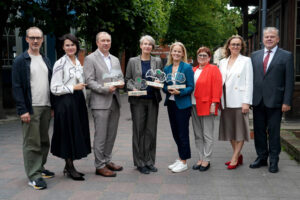
With that recognition in hand, what’s next for Liepāja?
I think the next step for Liepāja is to move from individual initiatives and pilot projects towards more systemic change. The recognition is encouraging, but it also raises the bar — we now need to turn good examples into everyday practice.
We have accumulated quite a lot of practical experience with deposit-based reusable cup systems in recent years. However, for beach cafés and other traders not covered by the new rule, there are no effective enforcement or sanction mechanisms, so the actual use of reusable cup systems still depends largely on the attitude and initiative of individual caterers. The challenge is to create stable market conditions and predictable future demand, so that providers can invest, expand their capacity and offer a service that is convenient for both businesses and customers.
This means continuing to reduce single-use products, using the municipality’s purchasing power to create demand for circular solutions, and working closely with local businesses and service providers.
If you compare how you saw reuse at the start of the project with how you see it now, what has changed?
Honestly, I have become more critical. I started out seeing reuse through rose-coloured glasses, and the project showed me how many practical, economic and regulatory challenges there still are. But I see that as one of its most valuable outcomes: you can only build a system that works once you understand what is holding it back.

Additional links
details
-
Homepage
-
Project typeCore Project

-
ImplementationNovember 2023 - October 2026
-
StatusOngoing
-
Contribution to EUSBSRPolicy Area Innovation

-
Target groups
- Business support organisation
- Interest group
- Local public authority
- Regional public authority
- Small and medium enterprise
-
Social media
-
Additional links
-
Tags