




Blue Supply Chains Project Story
22 December 2025
Impression, Green Sunrise: Engineering a Cleaner Baltic Sea
Claude Monet’s 1872 masterpiece Impression, Sunrise captured the industrial haze of a working port, but the future of the Baltic Sea requires a clearer vision. The Blue Supply Chains project is erasing the smog from this picture, deploying electric cranes in Poland, hydrogen hubs in Sweden, and battery-powered barges in Lithuania to create a zero-emission maritime network.
When Claude Monet painted Impression, Sunrise in the port of Le Havre, the orange sun struggled to pierce through a thick, gray mixture of mist and coal smoke. For over a century, that smoky silhouette defined maritime logistics – engines idling, cranes belching diesel fumes, and heavy fuels darkening the skyline. Today, the Blue Supply Chains project is repainting this canvas. By decarbonizing port operations and transport chains across the Baltic Sea region, the initiative is transforming the “impression” of our ports from industrial polluters into hubs of clean energy and innovation,.
Reviving the rail ferry
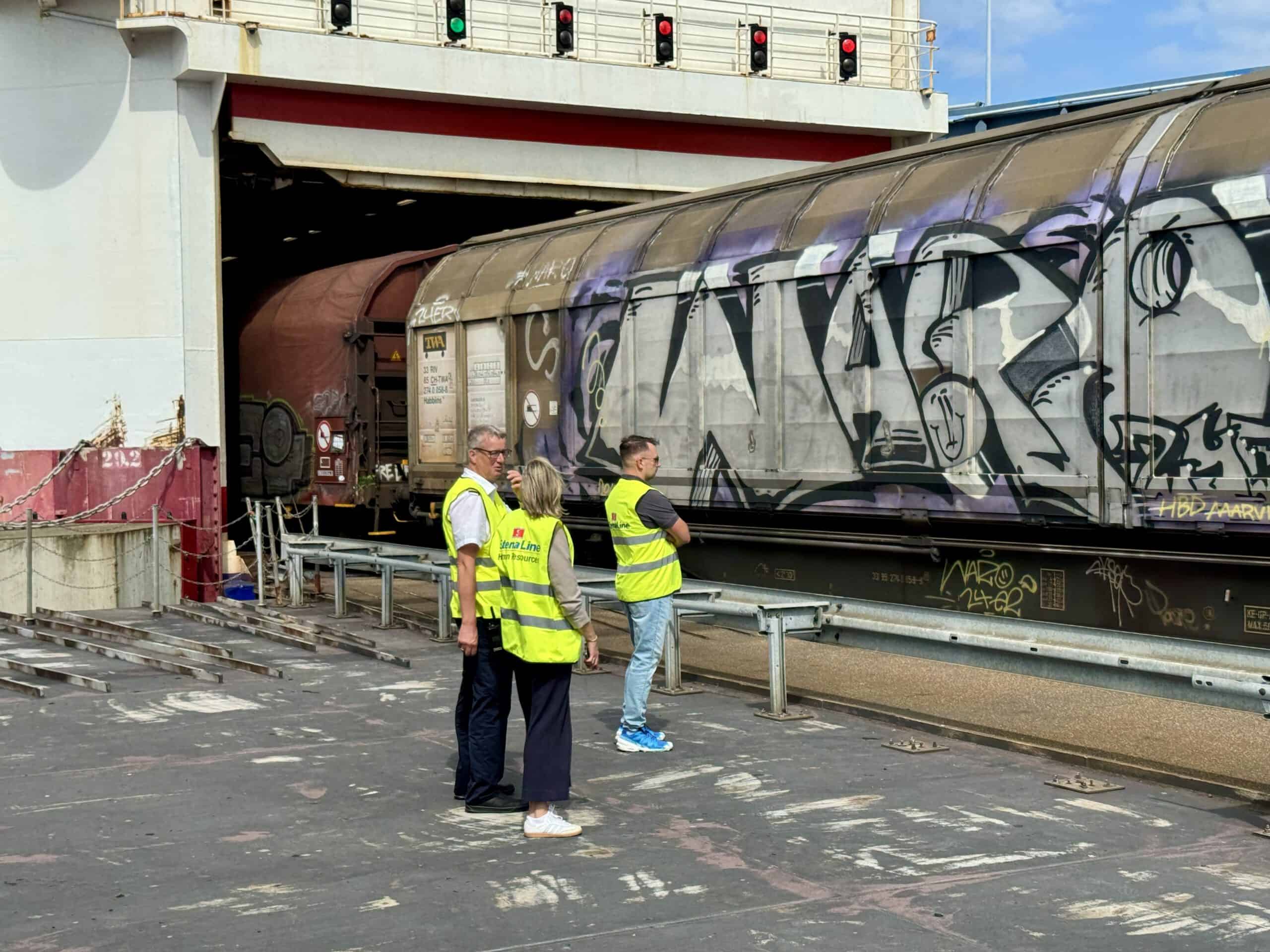
The Rostock-Trelleborg rail ferry, one of Europe’s last operational maritime-rail links, faced a challenge harder to fix than aging steel: the market perception that it was merely a backup route rather than a vital artery. To transform this link into a modern green transport chain, the project looked to the network of decision-makers. The solution was the deployment of a Stakeholder Engagement Plan, a structured strategy designed to identify and align the often-competing goals of port authorities, ferry operators, energy suppliers, and policymakers. Through a series of workshops and roadshows, this participatory process replaced market uncertainty with a unified vision.
This “collaborative canvas” successfully highlighted the route’s critical dual role in reducing road congestion while ensuring military mobility and civil resilience following Sweden’s NATO accession. By shifting the narrative from “redundancy” to “strategic necessity,” the project has ensured that this low-carbon bridge remains a permanent fixture in the European logistics landscape
Silence on the quay in Skagen
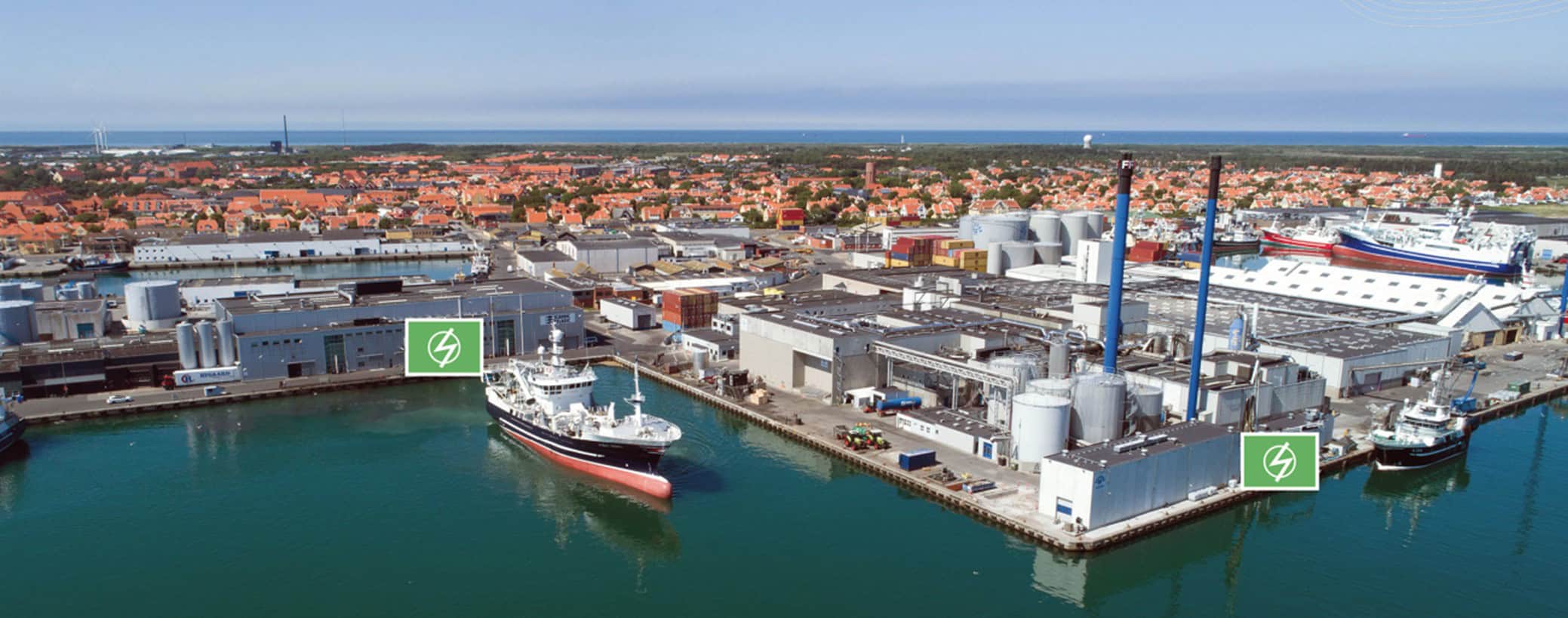
In the Danish Port of Skagen, the roar of auxiliary engines is being replaced by silence. Pelagic fishing vessels, which require immense power for pumping and cooling their catch during 10 to 30-hour unloading windows, have traditionally been a significant source of portside emissions. The solution is a robust Onshore Power Supply (OPS) system.
Skagen has commissioned a system with a capacity reaching 1.5 megawatts, sufficient to power the most energy-intensive landings without burning a drop of diesel. The system features a 45-meter semi-automated cable management system, ensuring vessels of various sizes can plug in easily. Successful tests with the vessel HM379 Lingbank in May 2025 confirmed that the port can now offer a cleaner, quieter working environment while cutting CO2 and air pollutants,.
Electrifying the giants at the GCT in Gdynia
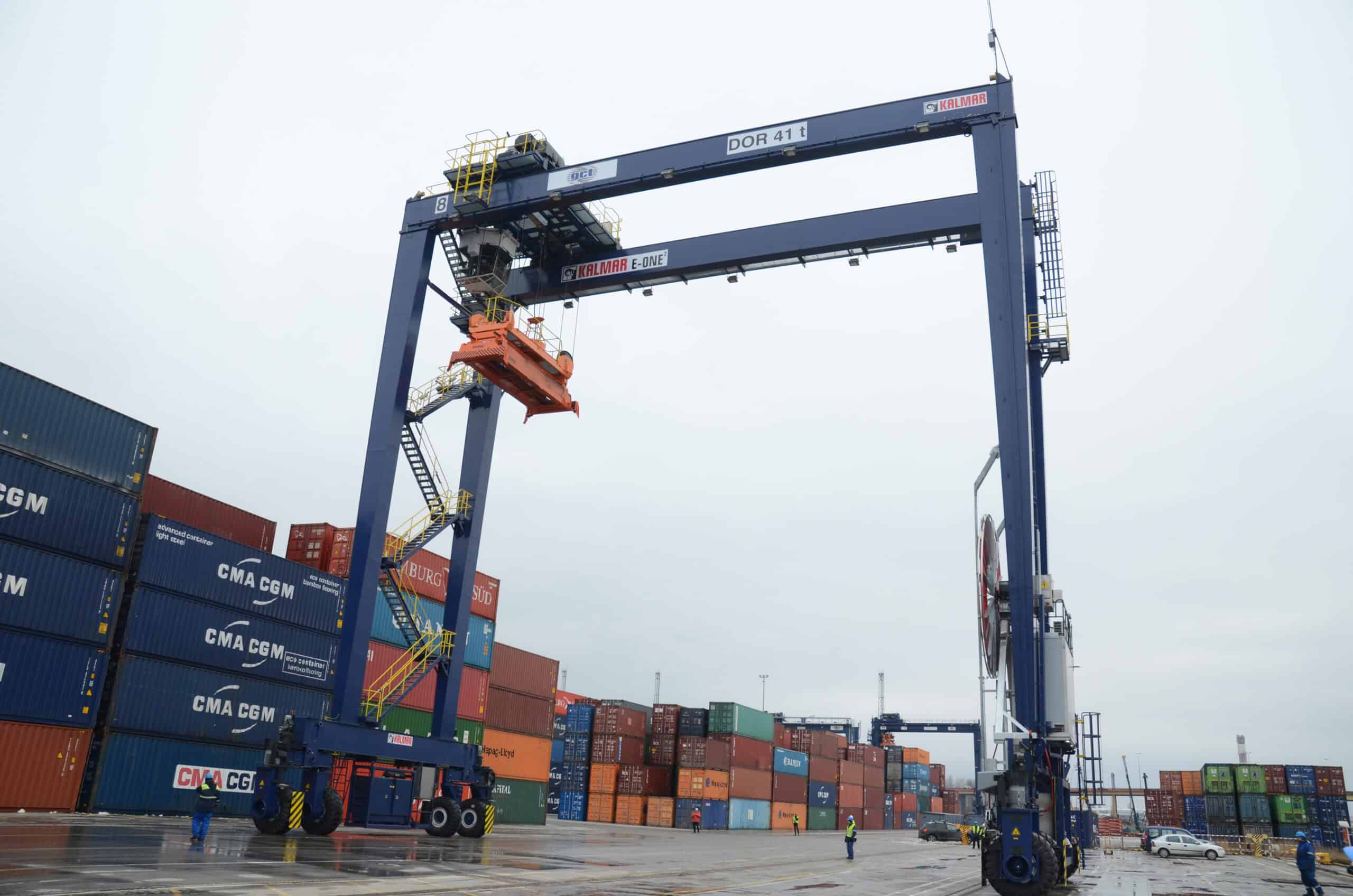
Further east, at the Gdynia Container Terminal in Poland, the focus shifts to the heavy lifters of logistics: Rubber Tyred Gantry Cranes (RTGs). These massive machines stack and load containers, but they are traditionally significant polluters, burning diesel day and night. The project’s feasibility study has driven a decision to retrofit these giants into electric units (eRTGs).
By converting to a 15 kV electric power supply, the terminal anticipates a reduction in direct CO2 emissions of approximately 1,700 tonnes per year- a 45% decrease compared to diesel operations. Beyond the environmental gain, the economics are compelling: electricity costs for these cranes are projected to be 50% lower than diesel fuel by 2027. With a positive economic net present value of nearly €11 million, Gdynia proves that greening port equipment is a sound financial investment.
The alternative fuel blueprint in Umeå
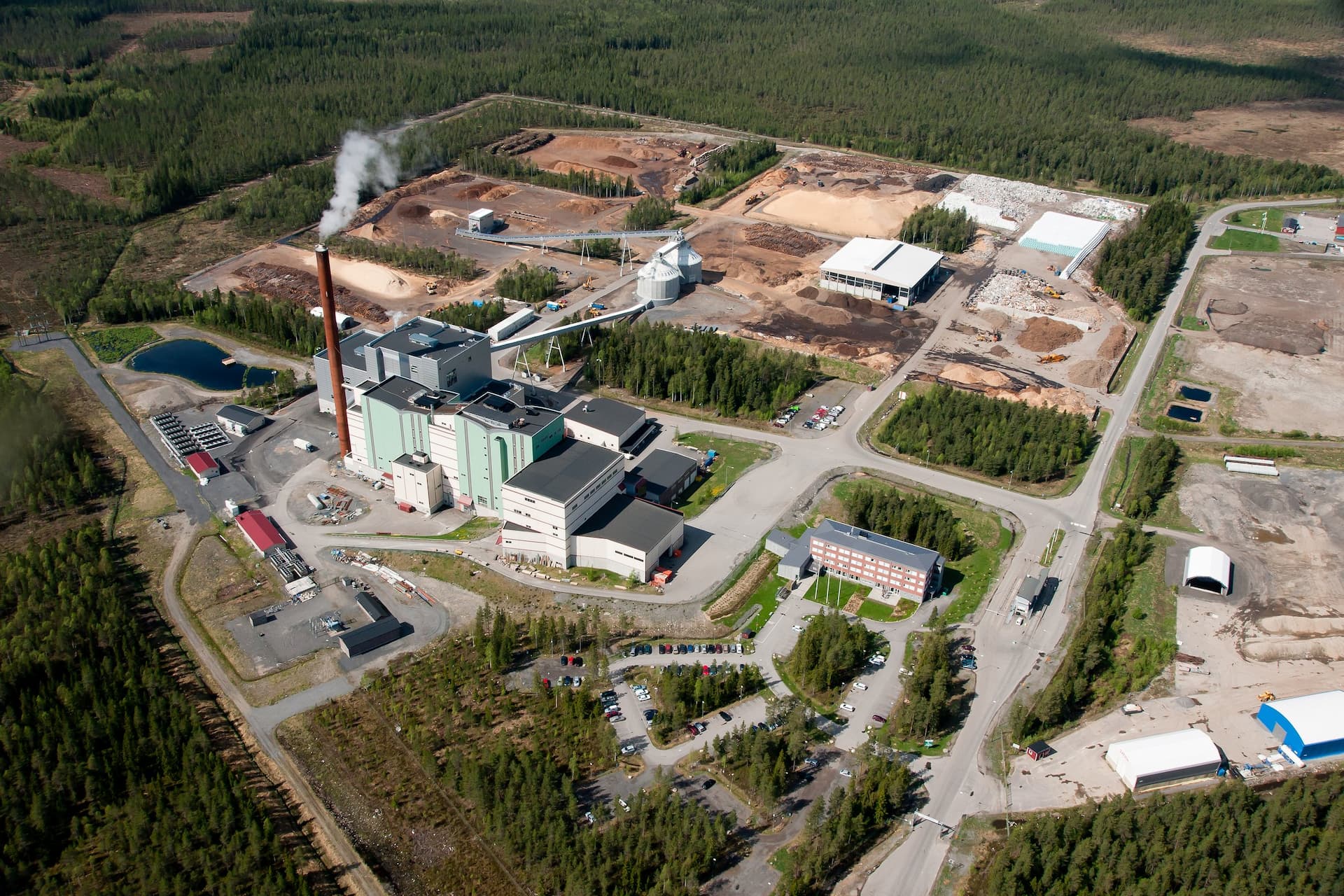
A clean painting requires a new palette of colors, or in this case, fuels. In Sweden, the Umeå region is tackling the “chicken and egg” dilemma of green fuel availability. The port serves as a testbed for a localized production strategy, leveraging the region’s abundance of renewable hydropower and biogenic CO2.
The roadmap for Umeå envisions the Dåva Eco-Industrial Park producing up to 110,000 tonnes of e-methanol annually, alongside green hydrogen. This creates a secure supply chain for shipping companies hesitant to switch away from fossil fuels. By mapping out the production of these electro-fuels, Umeå is positioning itself as a northern epicenter for the 99% of the world fleet that currently relies on conventional fuels but must transition to meet climate targets,.
Navigating the current in Lithuania
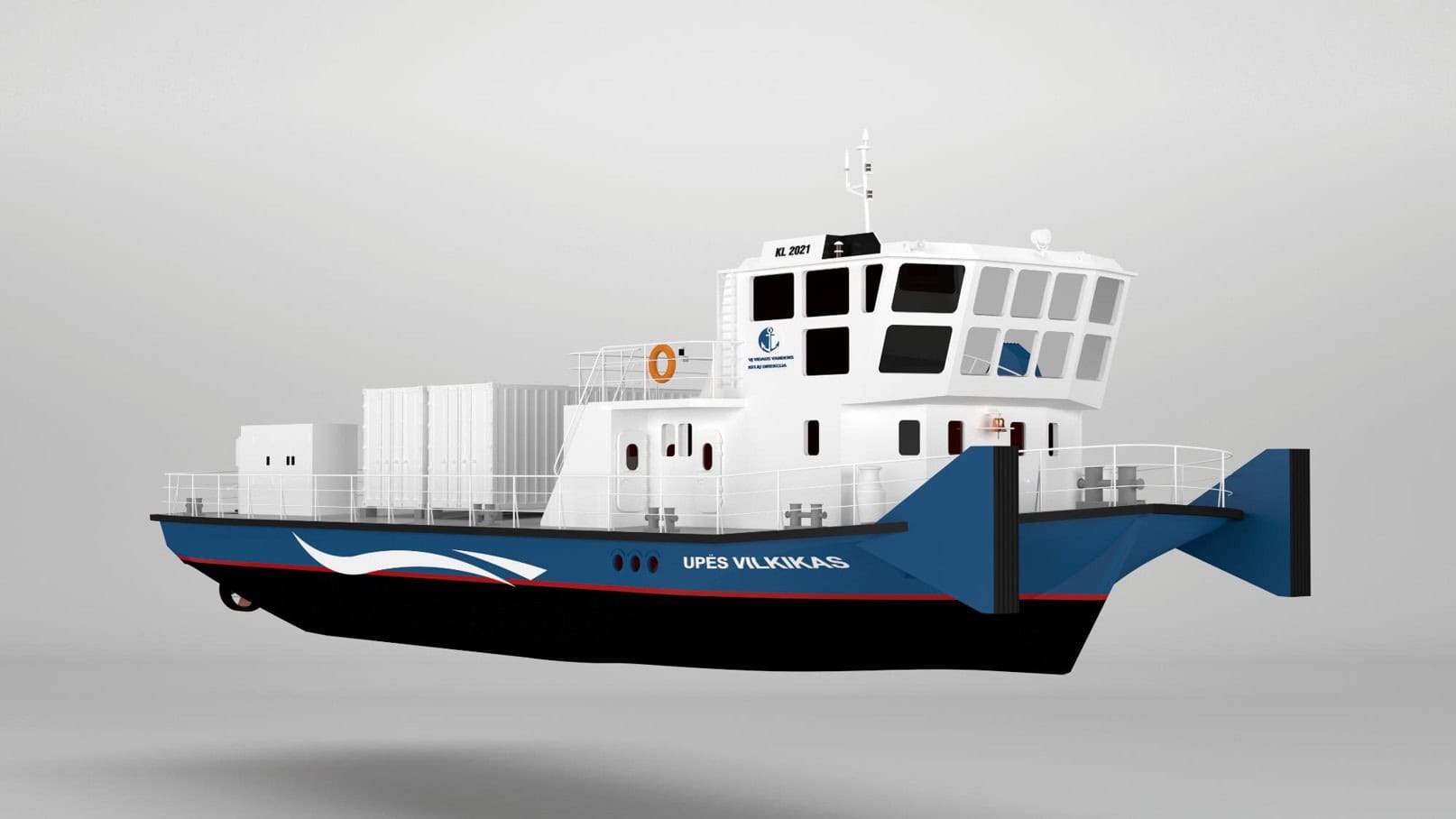
Perhaps the most ambitious stroke of this new painting is happening on the Nemunas River in Lithuania. The goal is to shift freight from congested highways to inland waterways using electric pusher vessels. However, the river presents a technical challenge: a strong upstream current that demands immense energy.
Initial designs suggested an impractical number of battery containers would be needed to fight the current. Through rigorous optimization, the project team determined that reducing upstream speed to 8 km/h saves 25% of the energy required. Coupled with a strategic battery-swapping station at Jurbarkas and charging infrastructure at Klaipeda and Kaunas, the route becomes viable. Once fully operational, this electric fleet could replace 49,000 truck journeys annually, significantly cutting road emissions.
A masterpiece of cooperation
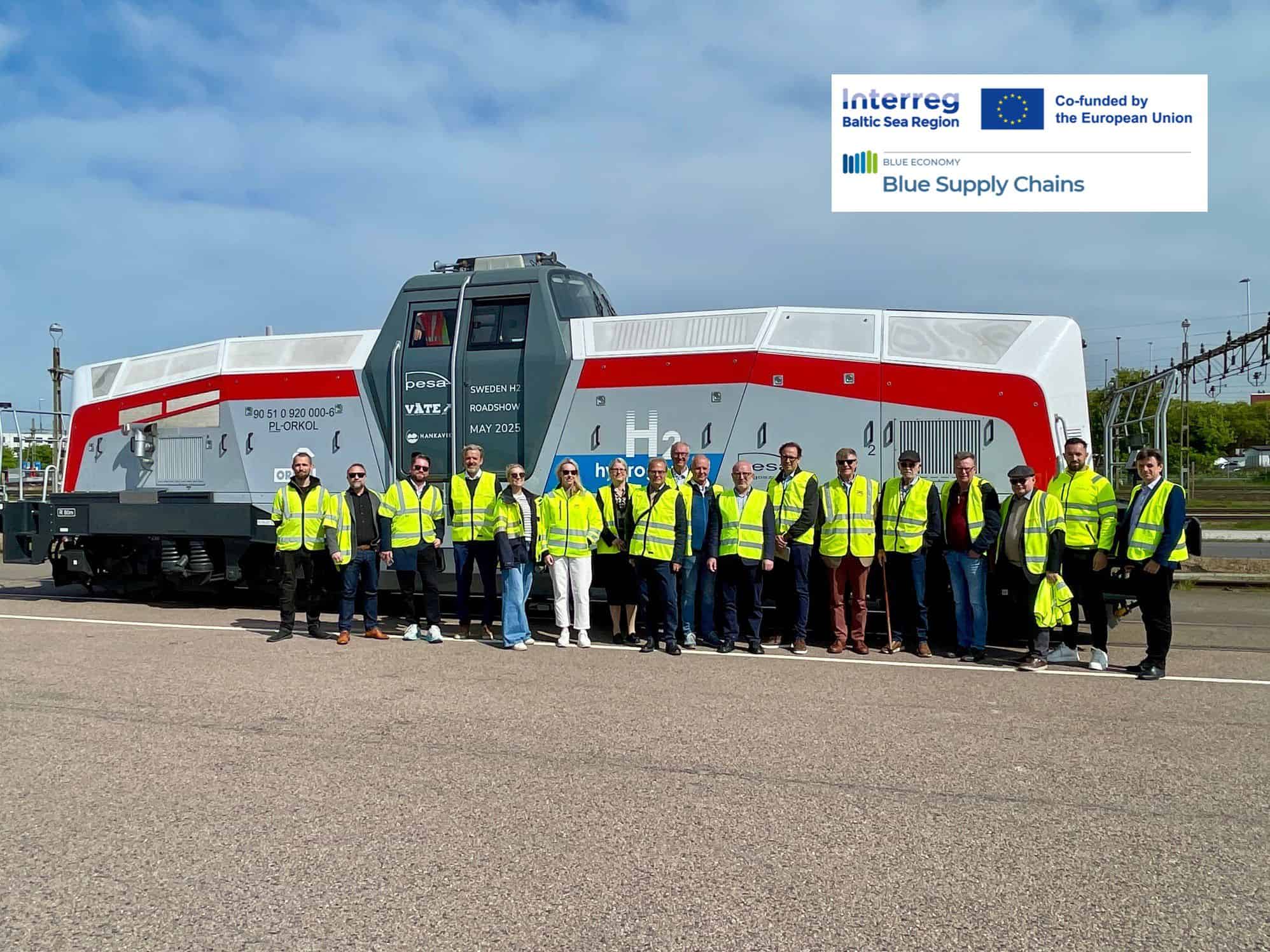
Just as Monet’s Impressionism required a new way of seeing light, the Blue Supply Chains project requires a new way of seeing cooperation. These pilots are not isolated brushstrokes; they are part of a cohesive effort spanning eight countries to harmonize technical standards and share risks,. From the shared charging protocols in Lithuania to the transferrable hydrogen roadmaps in Sweden, the project proves that the technical realization of a green Baltic is a collective endeavor.
The sun is rising on a new era for the Baltic Sea. The smoke has cleared, revealing a modern logistics network defined by electric drive trains, hydrogen infrastructure, and smart retrofits. This is no longer just an impression of a sustainable future – it is the technical reality we are building today.

Additional links
details
-
Homepage
-
Project typeCore Project

-
ImplementationJanuary 2023 - December 2025
-
StatusCompleted
-
Contribution to EUSBSRPolicy Area Transport, Policy Area Ship

-
Target groups
- Business support organisation
- Infrastructure and public service provider
- National public authority
-
Social media
-
Additional links
-
Tags