




Project Bascil paves the way for the future of culinary tourism
16 December 2025
In the Interreg project Bascil, partners from eight countries across the rural Baltic Sea region came together with one shared goal: to support local food producers by helping them grow into sustainable culinary tourism.
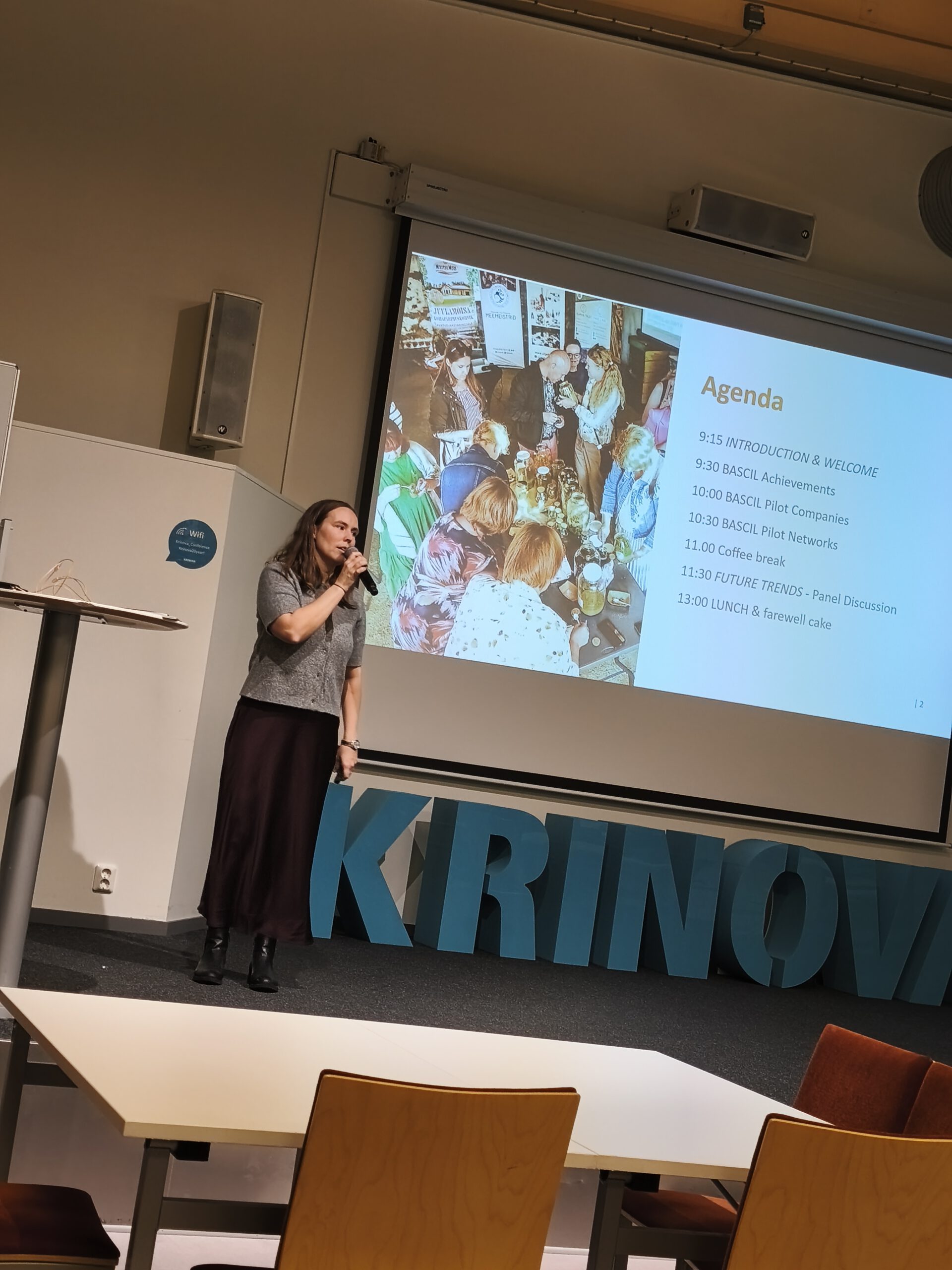
“Over the past three years, we’ve taken it step by step,” explains Diana Danilda, Project coordinator at Krinova. “We began with train-the-trainer workshops, providing local partners tools for business development. From there we moved on to testing new culinary tourism offers with real customers, and finally, to marketing these experiences to attract visitors.”
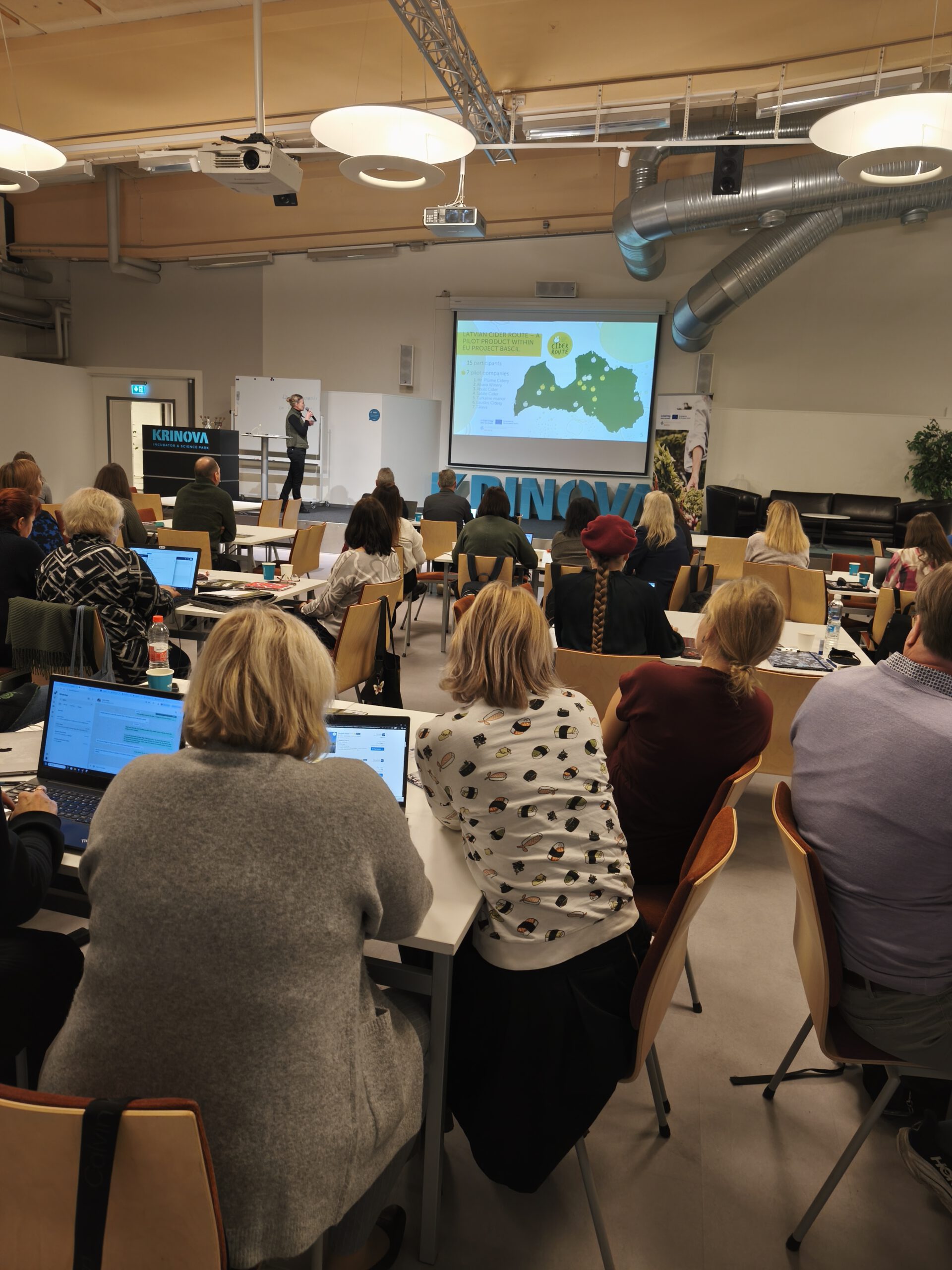
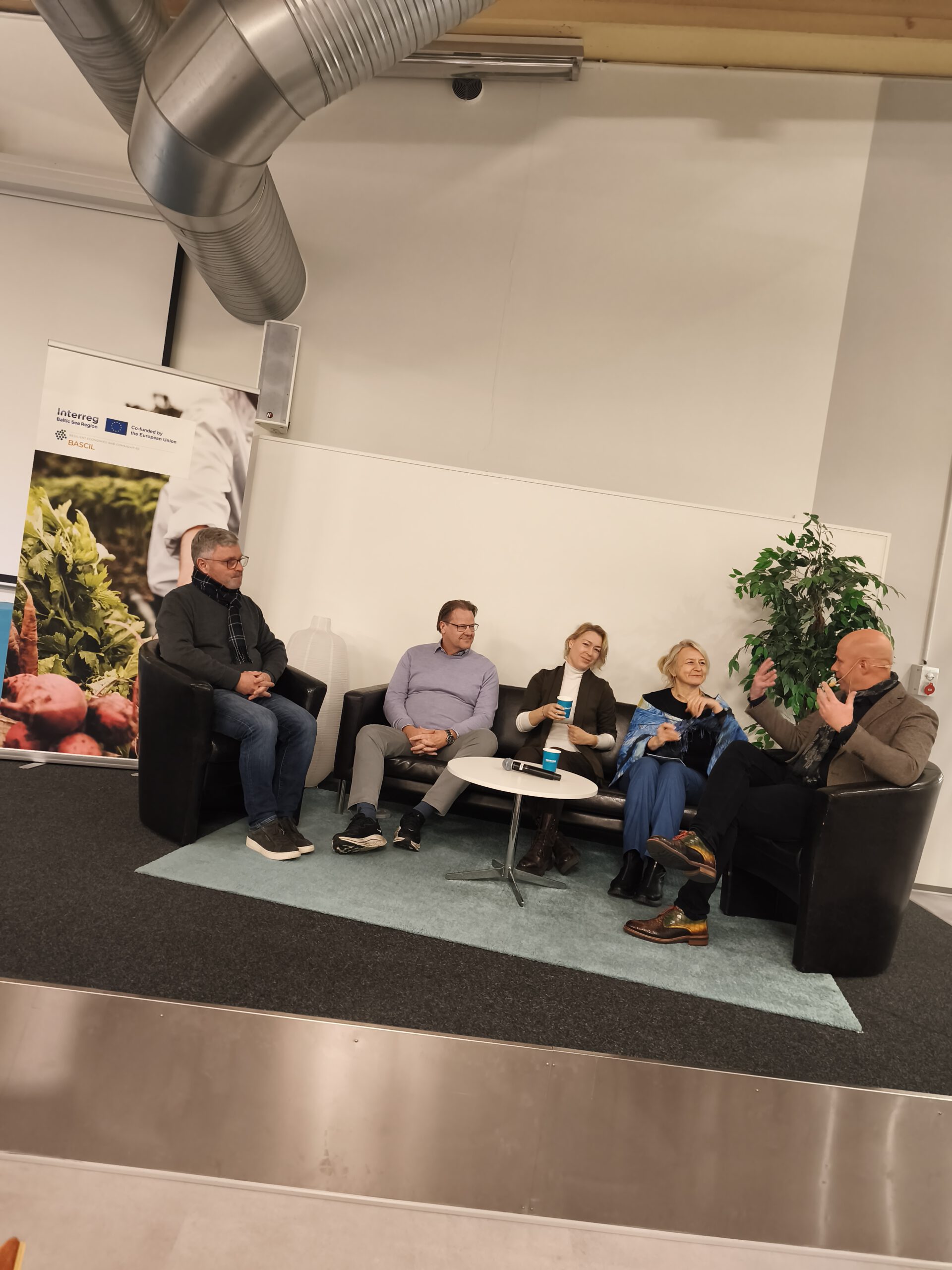
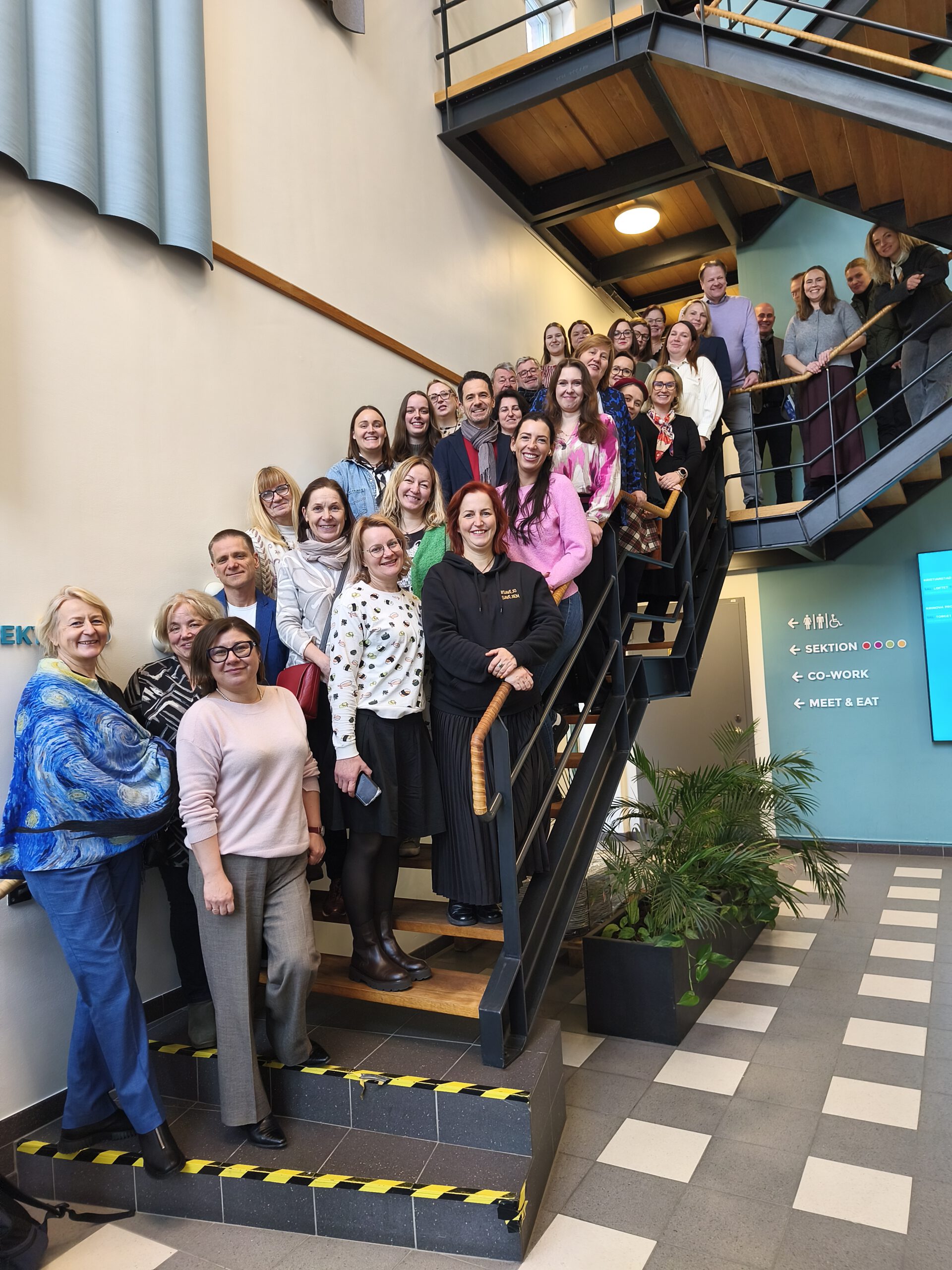
As BASCIL comes to an end at the turn of the year, project partners from all eight countries recently reunited at Krinova to reflect on results, experiences, and key learnings.
Overall, the project has fostered new ways of working, increased digital maturity, driven organisational change, and perhaps most importantly encouraged innovative collaboration between partners and businesses alike.
It has also sparked fresh motivation, opened doors to new opportunities, and inspired bold steps forward. The project’s impact on cultivating a more business-oriented mindset among small enterprises was particularly evident during the closing conference.
Two pilot companies shared their experiences of being part of the Bascil project:
Maris Kivistik, from the small family-run Uus-Saaluse Winery in southern Estonia, emphasises the importance of collaboration. Through the project, they connected with other local food producers to expand their offerings, improved product design, and developed new visitor packages with Bascil’s support.
Lina Noreikaitė-Rimkienė, owner of Panekelpių Kaimas in Lithuania, created a culinary journey inspired by elderflower. Starting with elderflower gummies for children, her initiative evolved into tasting dinners for adults – experiences that became more than meals, creating shared memories about a once-forgotten plant.
Participants also gained insight from the success stories of the Latvian Cider Route and Poland’s Pomorska Ścieżka Smaków, as two pilot networks shared inspirational examples of building networks and the power of collaboration.
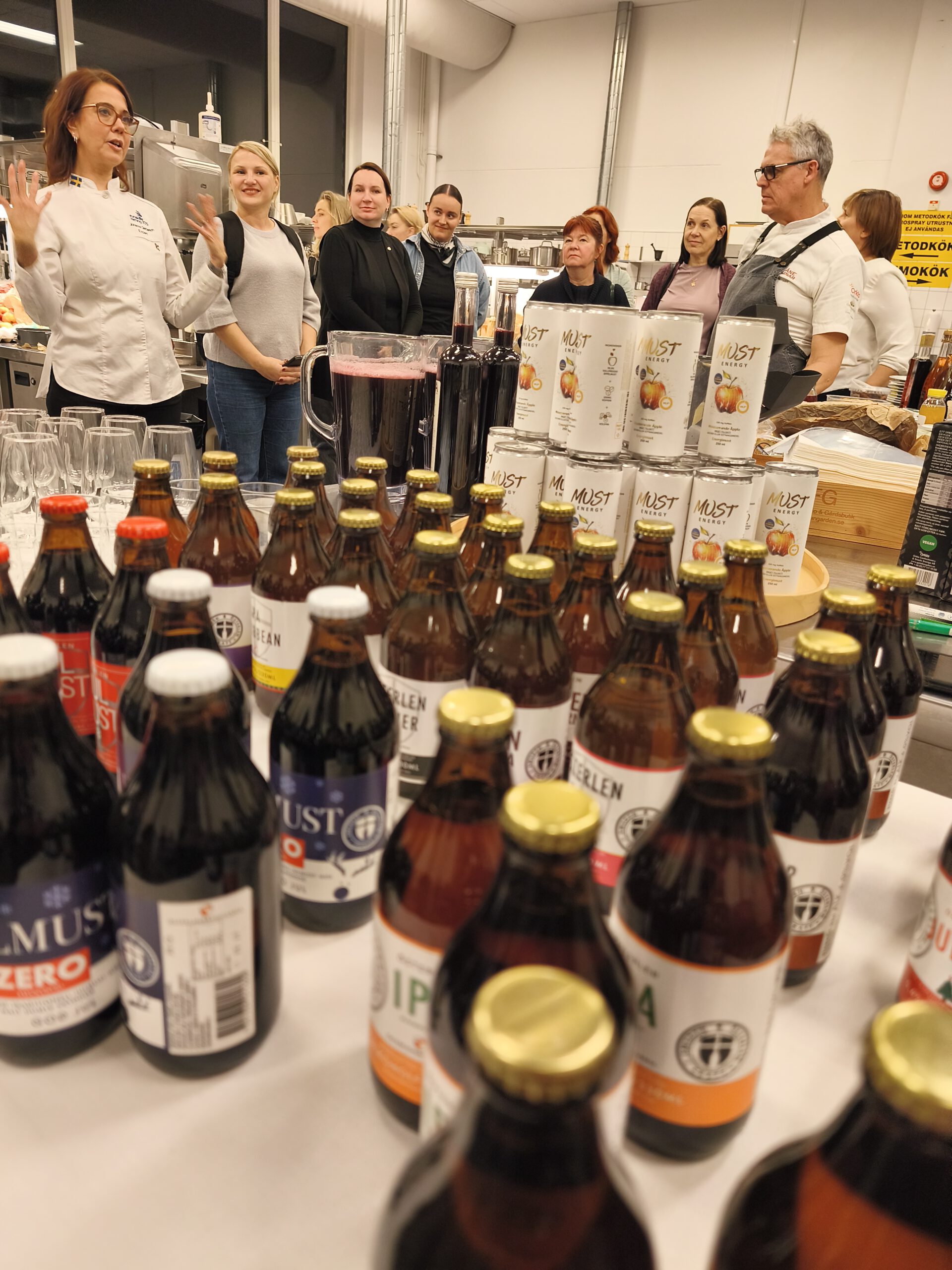
The closing conference included a highly appreciated study visit to Ivögården Mat & Vingård, one of the Swedish companies participating in the project. For Petter Jeppsson, involvement in Bascil has been invaluable: “It has meant a lot to us. Professional business support was important, but perhaps even more inspiring was learning about other countries’ food cultures and seeing successful examples in culinary tourism,” he explains.
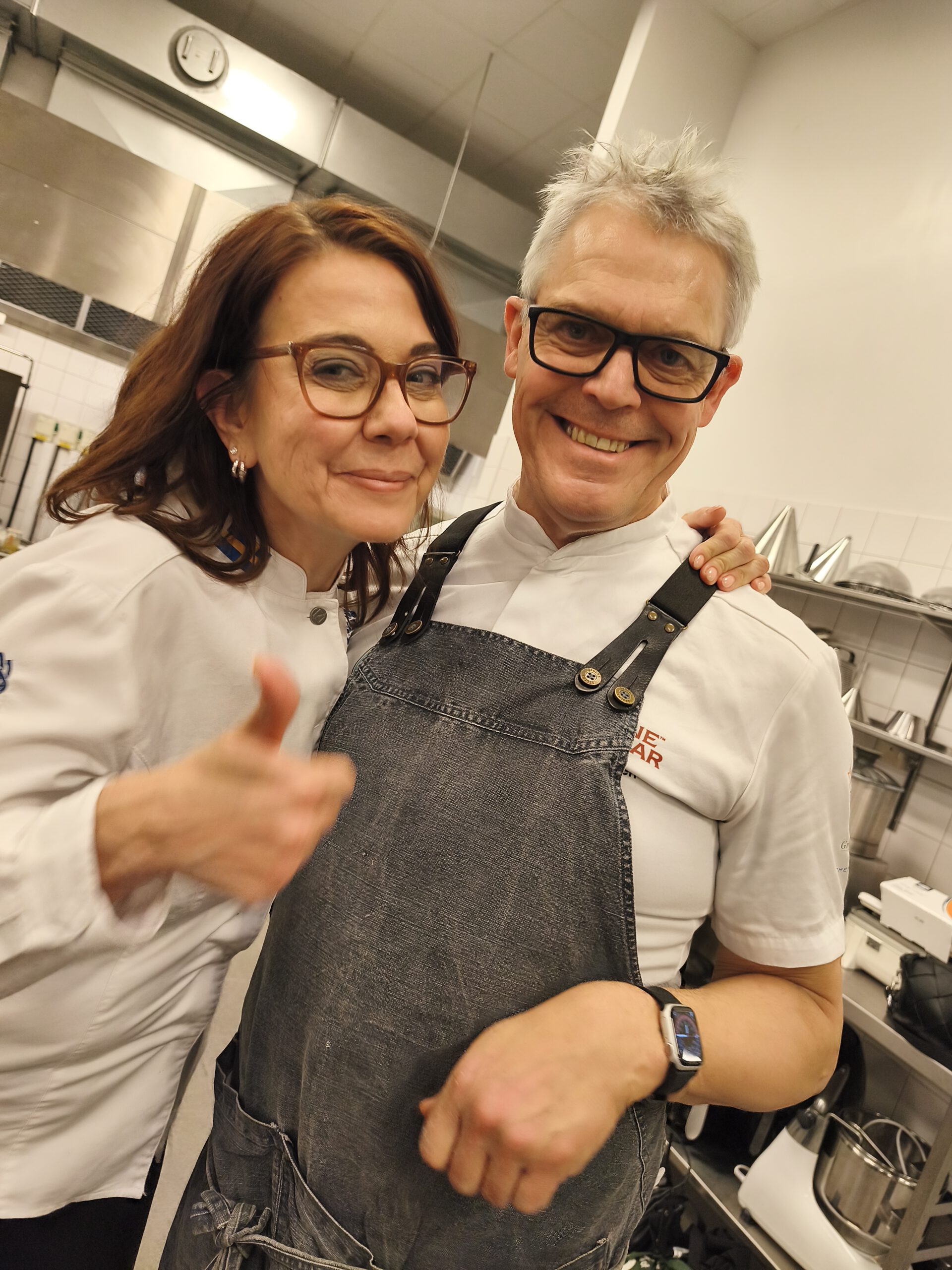
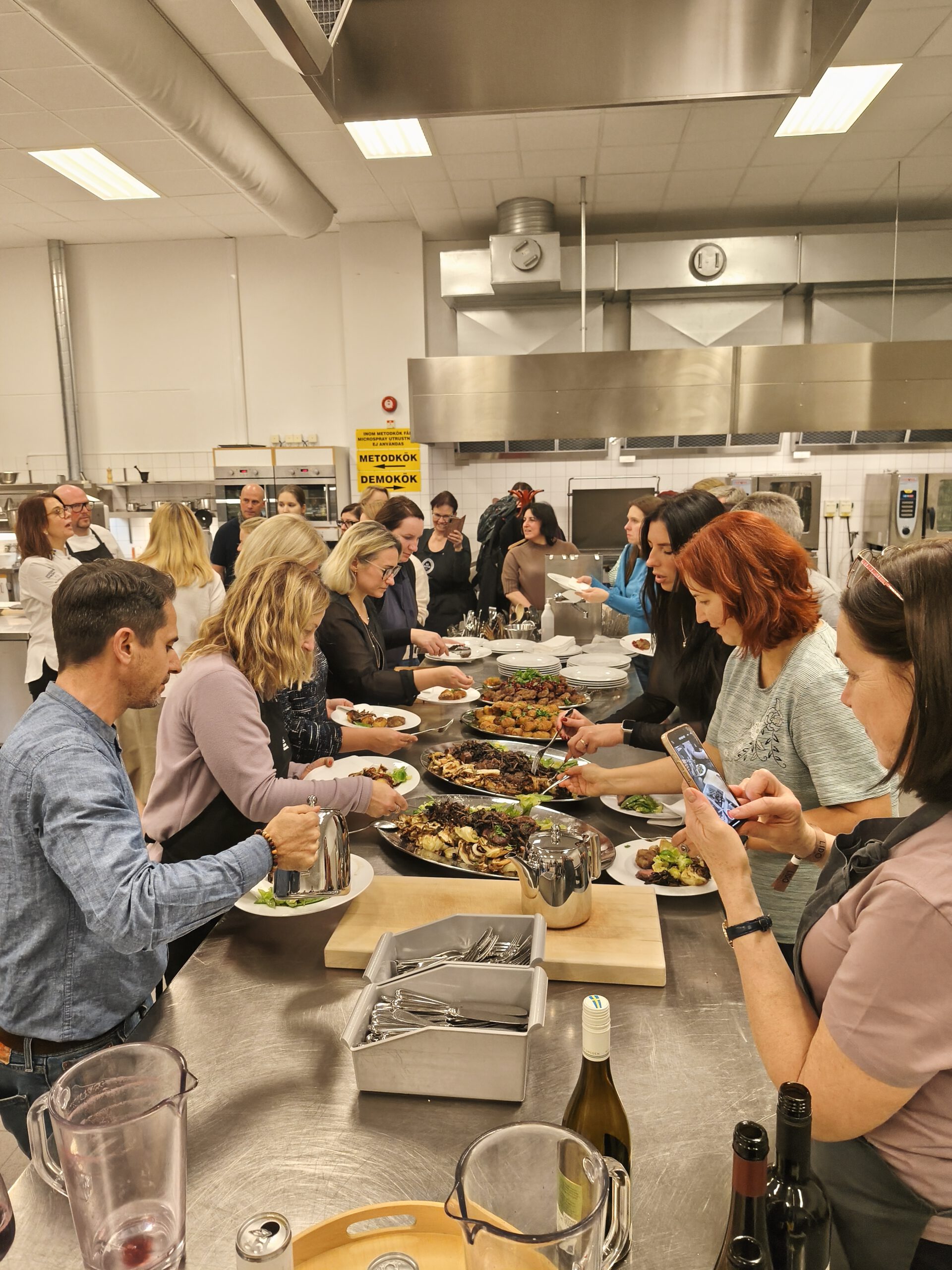
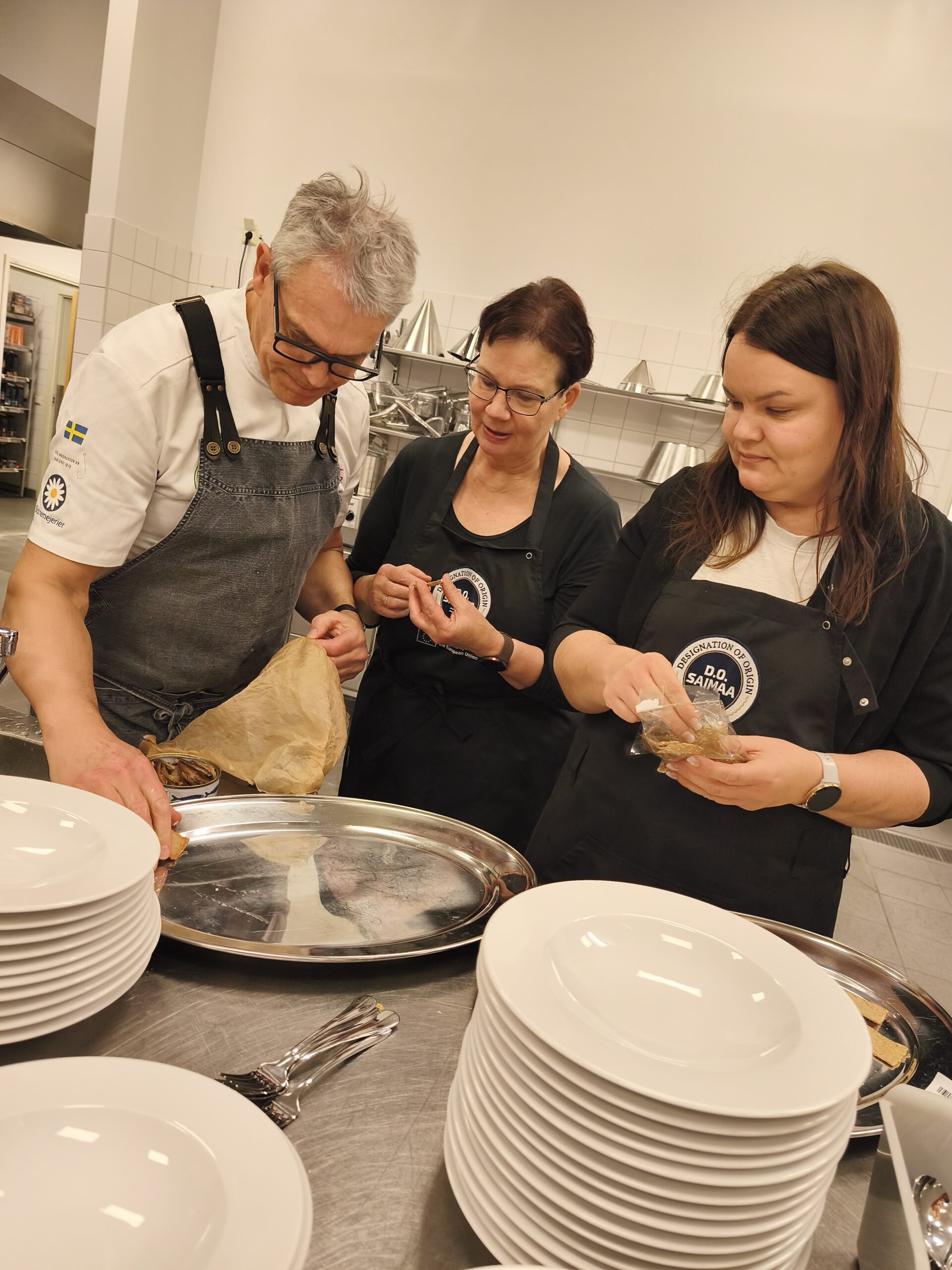
Another highlight was a joint cook-along with Krinova’s business designers, Johanna Gerberich and Brian Mårtensen. With their expertise, warmth, and infectious energy, they guided the teams through the kitchen. The menu combined local seasonal produce with ingredients from partner regions, resulting in a fantastic dinner and a perfect finale, embodying the spirit of Bascil collaboration.
While the project has officially concluded, its impact continues. Looking ahead, project Bascil will keep inspiring rural food and drink enterprises to grow, innovate, and adapt – ensuring that the future of culinary tourism in the Baltic Sea region remains vibrant and sustainable.

Additional links
details
-
Homepage
-
Project typeCore Project

-
ImplementationJanuary 2023 - December 2025
-
StatusCompleted
-
Contribution to EUSBSRPolicy Area Tourism

-
Target groups
- NGO
- Small and medium enterprise
-
Social media
-
Additional links
-
Tags