




Paving New Paths on the Challenging Journey of Transformation – A BALTIC UKH Project Story
03 October 2025
What does a public institution mean to people today? Not in theory, but in everyday life—when someone walks through the door, opens a website, or looks for a place where they feel welcome. These questions stayed with us as we watched expectations change and digital transformation reshape how people interact with public services. We realized that making a real difference was not about technology alone, nor about preserving familiar images of what institutions once were. It was about listening, learning, and having the courage to rethink our role.

© Det Kongelige Bibliotek
So, we stepped off the well-worn paths. We began exploring what spaces and services could look like if they truly reflected the needs, habits, and hopes of the people who use them. Very quickly, one thing became clear: we could not do this on our own. Without our communities, we would lose our sense of direction. Progress depended on trust, on collaboration with institutions and associations near and far, and on the ideas, creativity, and honesty of individuals willing to share their perspectives.
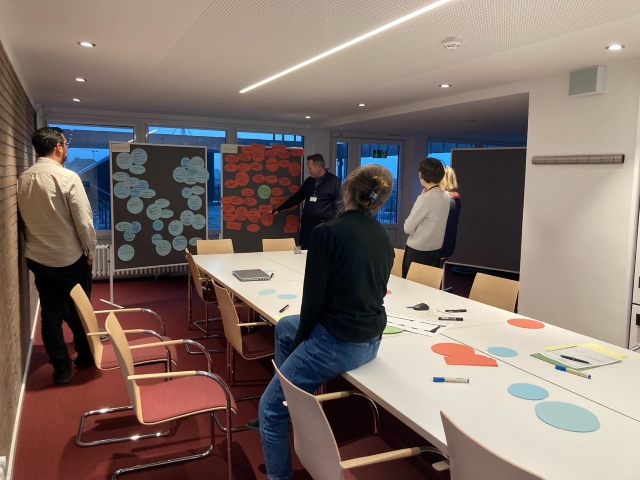
© Staats- und Universitätsbibliothek Hamburg
This realization lies at the heart of the BALTIC UKH project. While the creation of modern physical and digital spaces for citizens, young adults, and students in Riga, Copenhagen, Aarhus, and Hamburg became visible results, they were never the true goal. What mattered most happened along the way. We learned to understand our communities more deeply. We built stronger relationships with local partners. We formed a reliable international network grounded in shared challenges and mutual learning.
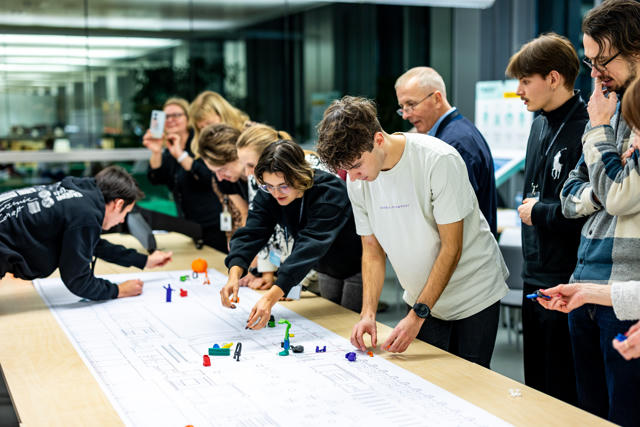
© Andra Marta Babre
Through research, workshops, and open discussions, we entered into an intensive dialogue with the people we serve. We tested tools and methods for user engagement and listened closely to the feedback they generated. Sometimes, the most valuable insights came from unexpected moments. In a design thinking workshop, high school students transformed their ideas for a future library space into thoughtful models. But more importantly, they spoke openly about their hesitation to use the library—about feeling unsure, even afraid, of disturbing older students. That conversation changed our perspective. Instead of asking how to attract them, we began asking how to make them feel at ease.
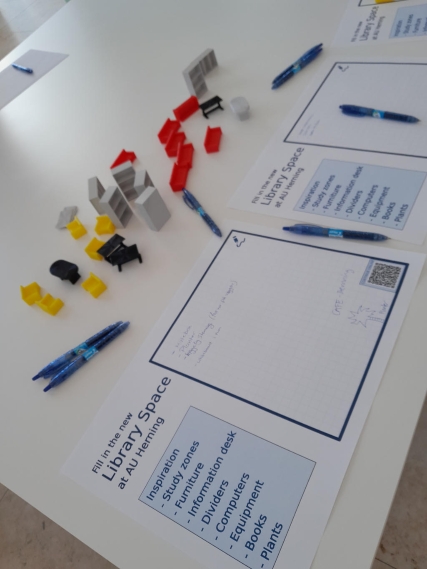
© Solveig Sandal Johnsen
This cycle of experimentation, reflection, and feedback gradually revealed how public institutions can navigate the often-challenging process of transformation. Out of this experience, the 4C-Toolbox was born. Built on four pillars of user engagement—co-creation, co-design, co-production, and co-evaluation—it turns abstract ideas into practical steps. With real examples from the project and ready-to-use tools such as charts, checklists, and worksheets, it invites colleagues at any level of experience to try, adapt, and learn.
© Det Kongelige Bibliotek
© Det Kongelige Bibliotek
© Det Kongelige Bibliotek
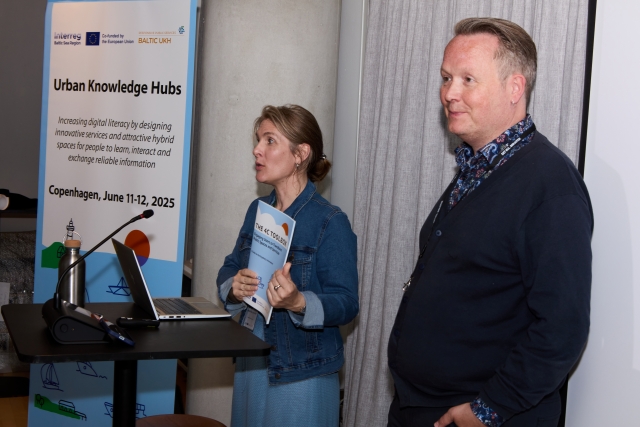
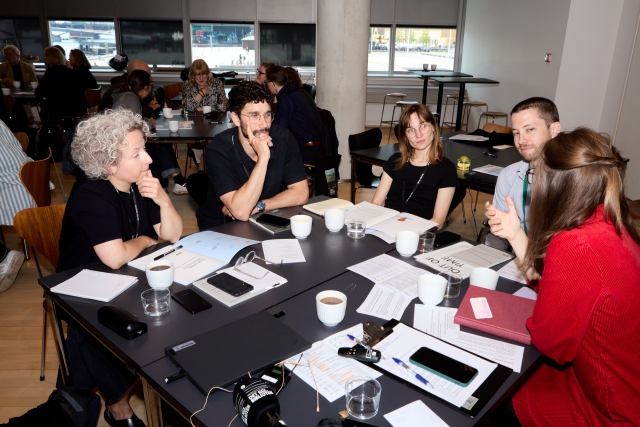
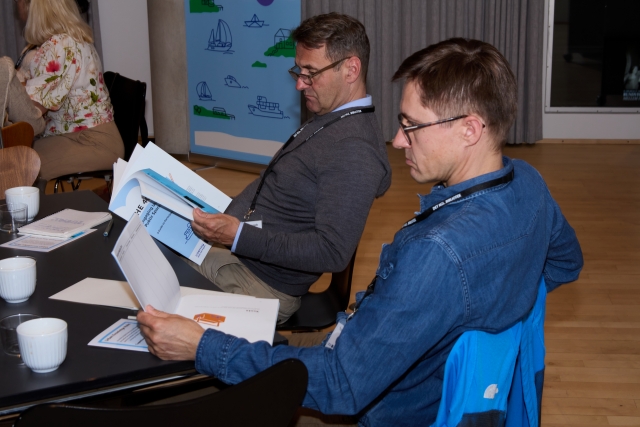
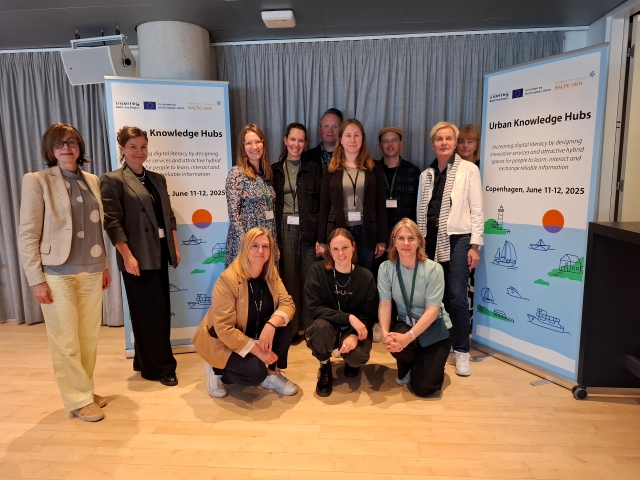
One of the most powerful moments of the BALTIC UKH project came when we tested the toolbox at our final conference in Copenhagen. Colleagues from different countries, disciplines, and cultural backgrounds worked with it side by side, discovering how easily it could be applied to their own contexts. In the end, having a shared, proven methodology did more than support projects. It gave people the confidence to start conversations, strengthen community participation, and deepen knowledge exchange—small but meaningful steps toward a more open and democratic public sphere.
© Latvijas Nacionālā bibliotēka

Additional links
details
-
Homepage
-
Project typeSmall Project
-
ImplementationAugust 2023 - July 2025
-
StatusCompleted
-
Contribution to EUSBSRPolicy Area Culture, Policy Area Innovation

-
Target groups
- Higher education and research institution
- Local public authority
- National public authority
- NGO
- Regional public authority
-
Social media
-
Additional links
-
Tags