

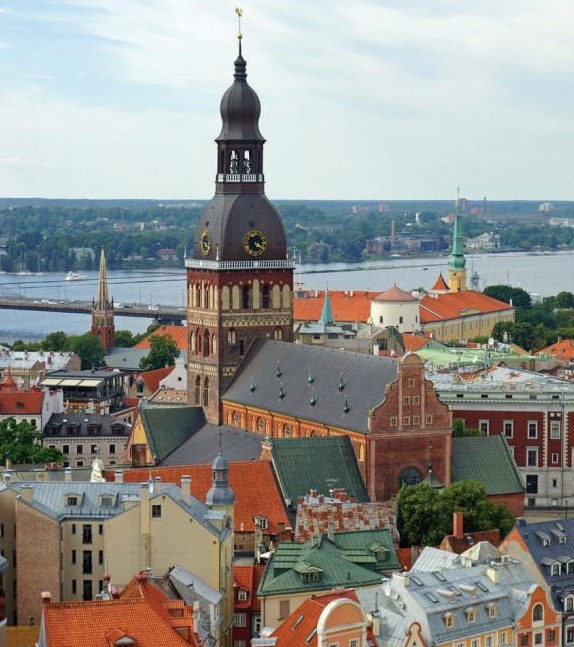
Guidelines for reusable cup systems at public events in Riga
The City of Riga is developing practical guidelines to support the implementation of reusable cup systems at public events. While disposable cups have already been banned through municipal regulation, the guidelines aim to provide vendors and event organisers with...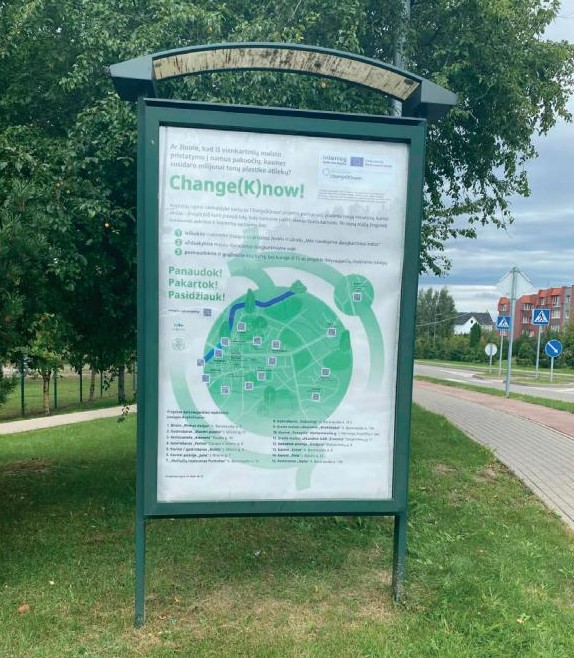
Municipal roadmap for reusable takeaway packaging in Anykščiai
Anykščiai Municipality developed a roadmap and regulation to reduce waste from single‑use takeaway food containers. The initiative created a local framework encouraging cafés and restaurants to adopt reusable takeaway containers supported by a deposit‑return system...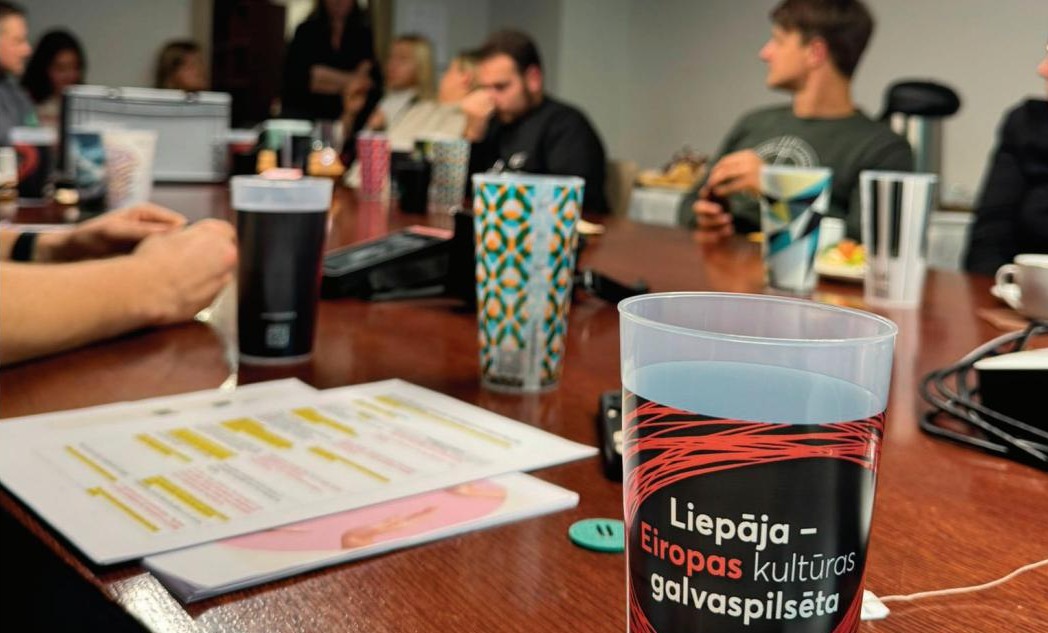
Reusable cup regulations for events & beaches in Liepāja
Liepāja adopted new regulations restricting disposable cups at public events and promoting reusable systems along the coast and in parks. From 2026, beverages at street events must be served in reusable cups with a deposit system. Developed through cross-department...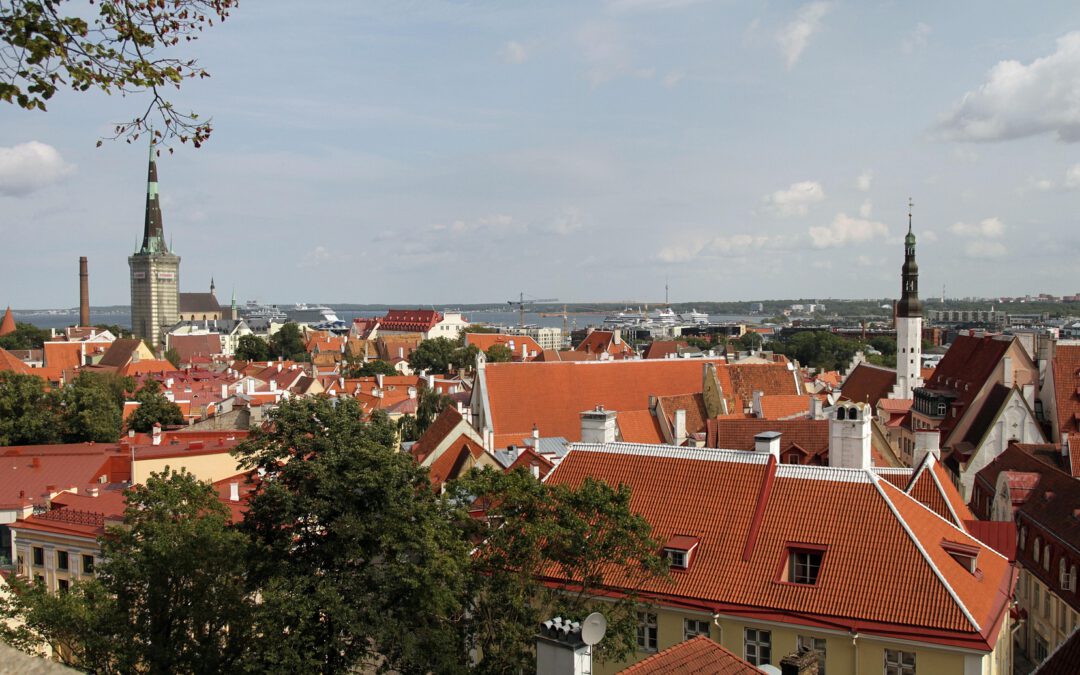
Circular Economy Development Plan for circular food service systems in Tallinn
Tallinn adopted its Circular Economy Development Plan 2035 in June 2025, establishing clear goals for circular products, services and green public procurement. The plan expands reusable tableware at public events, integrates reuse requirements into municipal catering...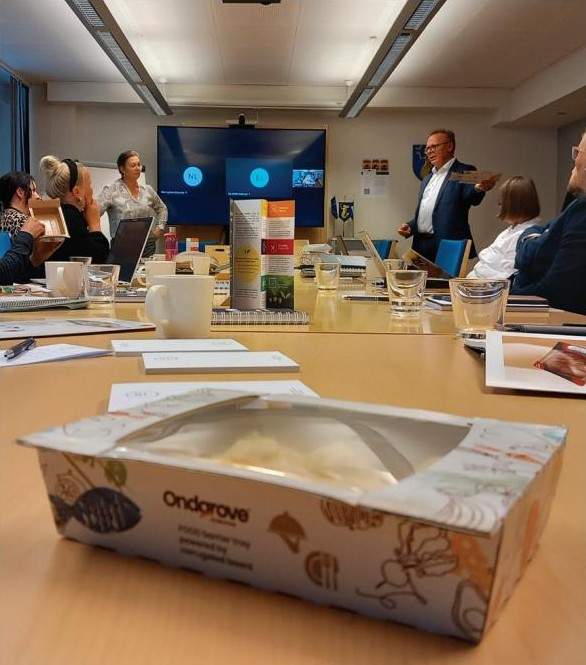
Optimising wholesale packaging practices in Lahti’s institutional catering supply chain
Lahti examined packaging practices in food wholesale and inbound logistics for institutional catering. Aim: to identify barriers and opportunities for reducing single-use transport packaging and promoting reusable or recyclable alternatives within the supply chain....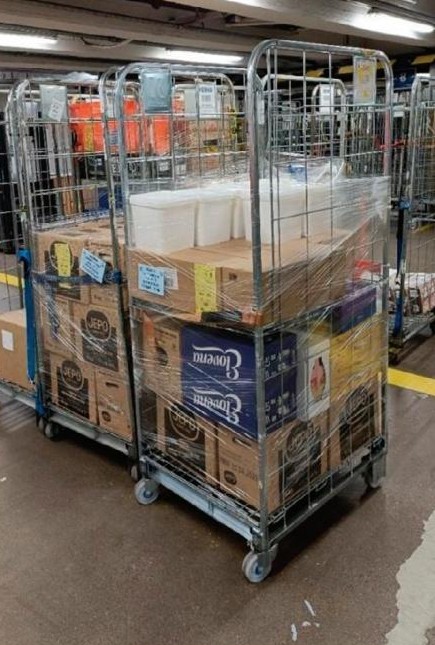
Embedding circular packaging criteria in public procurement in Lathi, Finland
The City of Lahti piloted the integration of nine sustainability-related packaging criteria into public procurement processes for institutional catering during 2025. Rather than testing a single technical solution, the pilot embedded circularity requirements directly...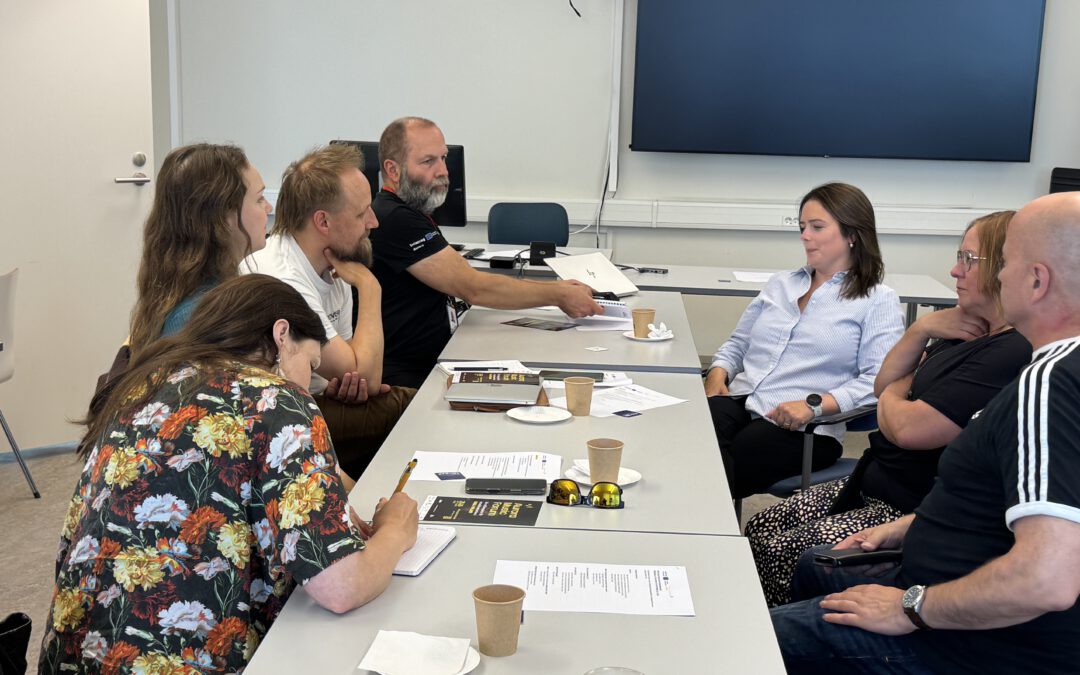
Music Sector Voices from Jakobstad/Pietarsaari: Building the Case for Regional Mapping
As part of MI-RAP’s ongoing work in the Vaasa region, local music and cultural organisations recently came together in Jakobstad/Pietarsaari for a workshop exploring how a shared understanding of the regional music ecosystem could strengthen collaboration across...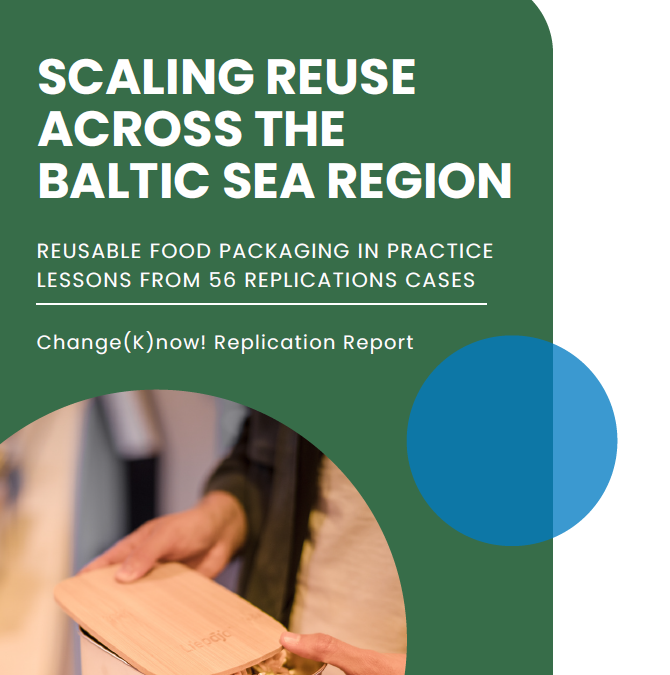
New Change(K)now! report analyses 56 reusable packaging replication cases in eight countries
Over the past three years, Change(K)now! has tested and promoted reusable food and beverage packaging solutions, implementing 25 original pilot initiatives in a range of local and organisational settings. The project’s ambition, however, extends beyond these pilots. A...