




Sustainable packaging in public procurement and food services
Project: Change(K)now!
Virtual Meeting
14. April 2026
14:00 - 15:15 (EET)
Practical information
Date and time: Thursday the 26th of March at 9:00-9:45 CET
Participation: The webinar is free to attend
Language: The webinar will be hosted in English only
Platform: Microsoft Teams
Developing reuse systems often involves complex collaboration between municipalities, food businesses, system providers, users, and regulators. Decisions must be made about logistics, responsibilities, incentives, hygiene, contracts, and communication.
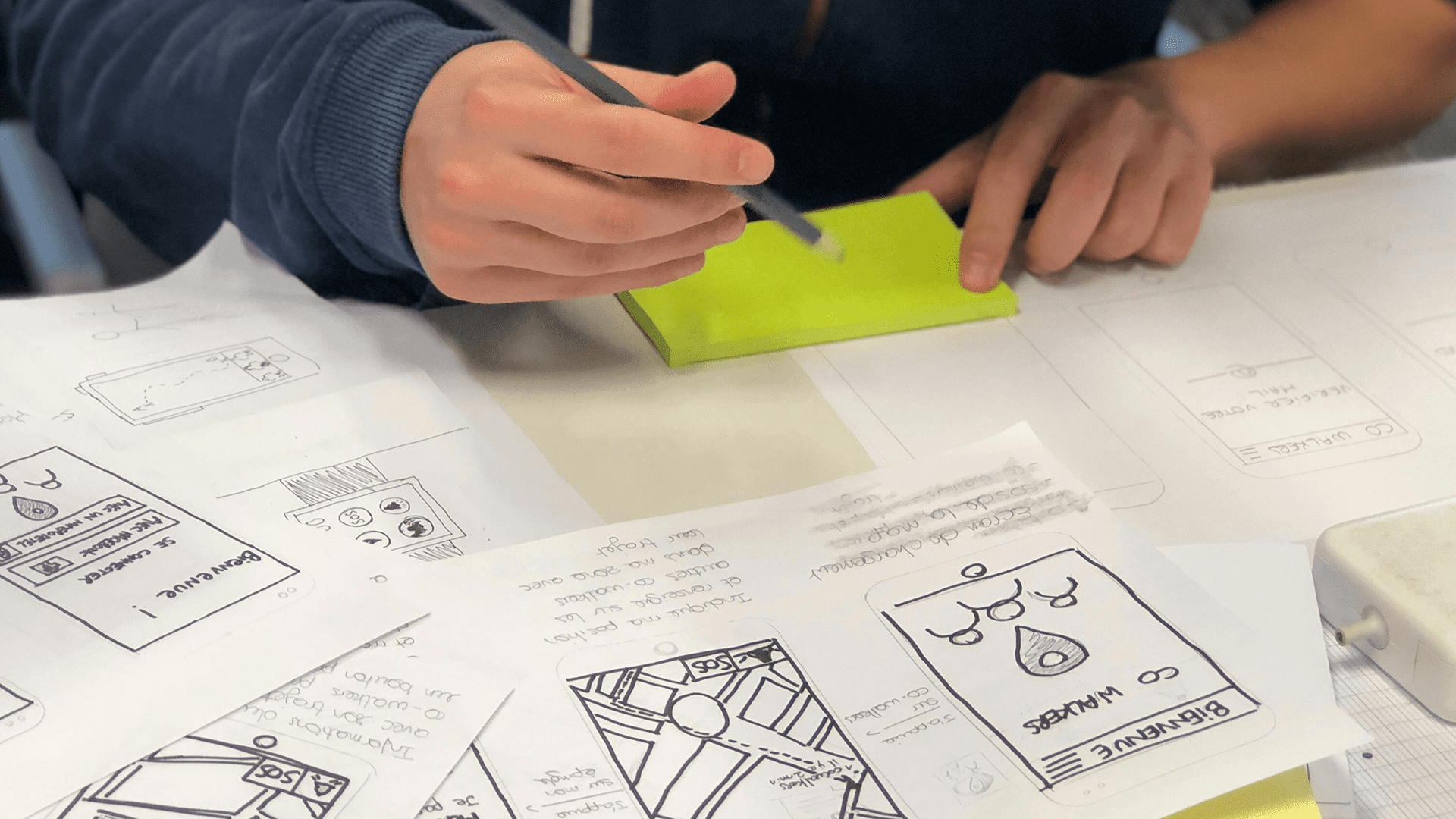
The sprint methodology offers a structured way to navigate this complexity, accelerate learning, and move from discussion to new concrete solutions.
During the webinar, you will:
To help you get started, the Change(K)now Sprint Manual will be presented as a practical guide for planning and facilitating local sprint processes focused specifically on developing reuse systems for food packaging.
The webinar is aimed at municipalities, public institutions, event organisers, businesses, and system providers seeking practical methods to structure collaboration, accelerate learning, and turn circular ambitions into testable solutions.
Project: Change(K)now!
Virtual Meeting
14. April 2026
14:00 - 15:15 (EET)
Project: Change(K)now!
Virtual Meeting
16. April 2026
09:00 - 10:00 (CET)
Project: Change(K)now!
Physical Meeting
22. - 24. April 2026
00:00 - 23:59 (CET)
Project: Change(K)now!
Physical Meeting
31. March 2026
10:00 - 14:00 (CET)
Project: Change(K)now!
Virtual Meeting
03. February 2026
14:00 - 15:15 (EET)
Project: Change(K)now!
Physical Meeting
05. November 2025