




From Methodology to Market: eRural Resilience Brings Practical Bio-Business Solutions to Food Days Seinäjoki 2026
06 October 2026
How can rural entrepreneurs turn local resources, new ideas and emerging opportunities into viable bio-businesses? At Food Days Seinäjoki 2026, the eRural Resilience project brought its answer from methodology to practice – with a real-life story from Denmark.
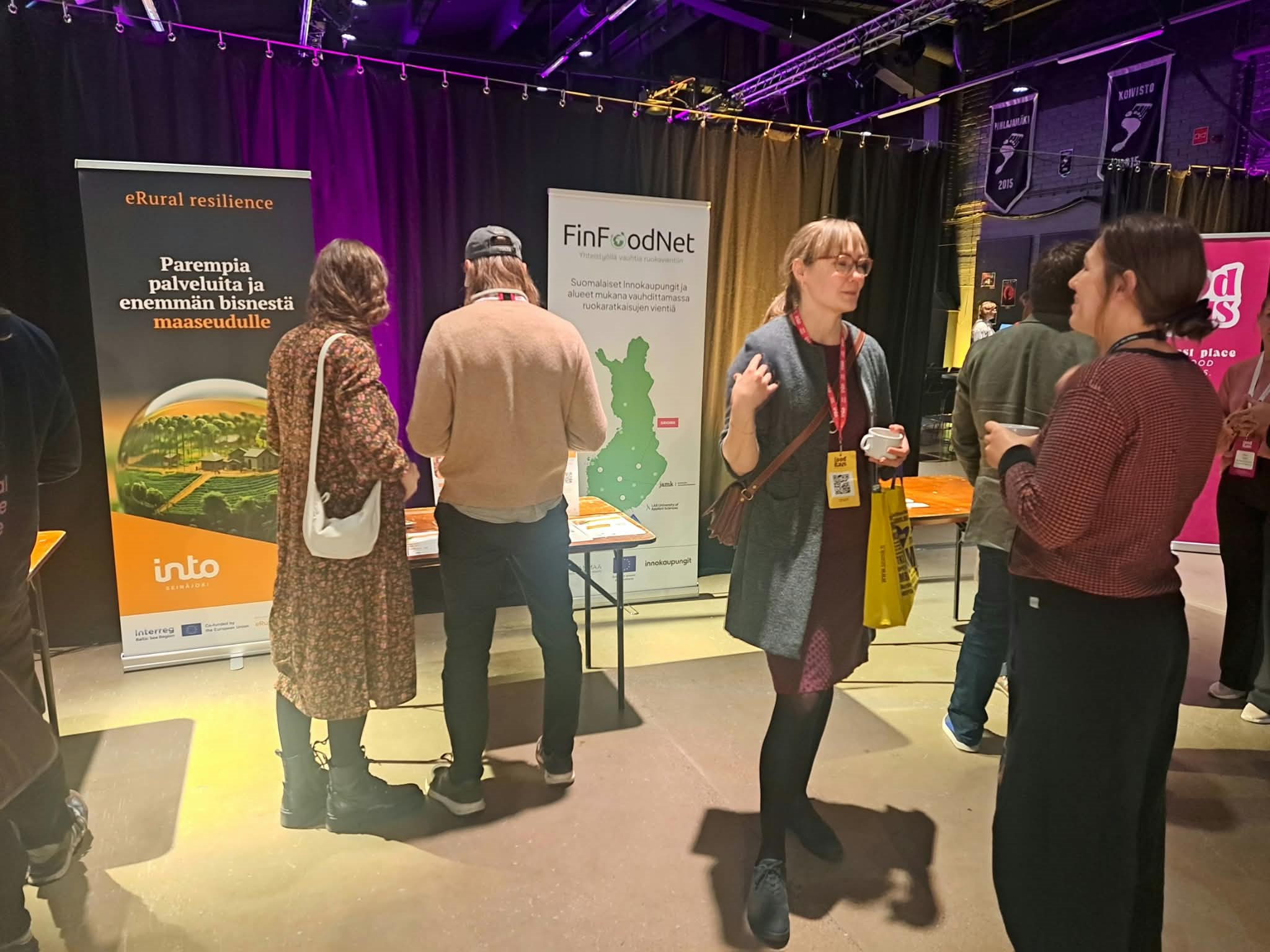
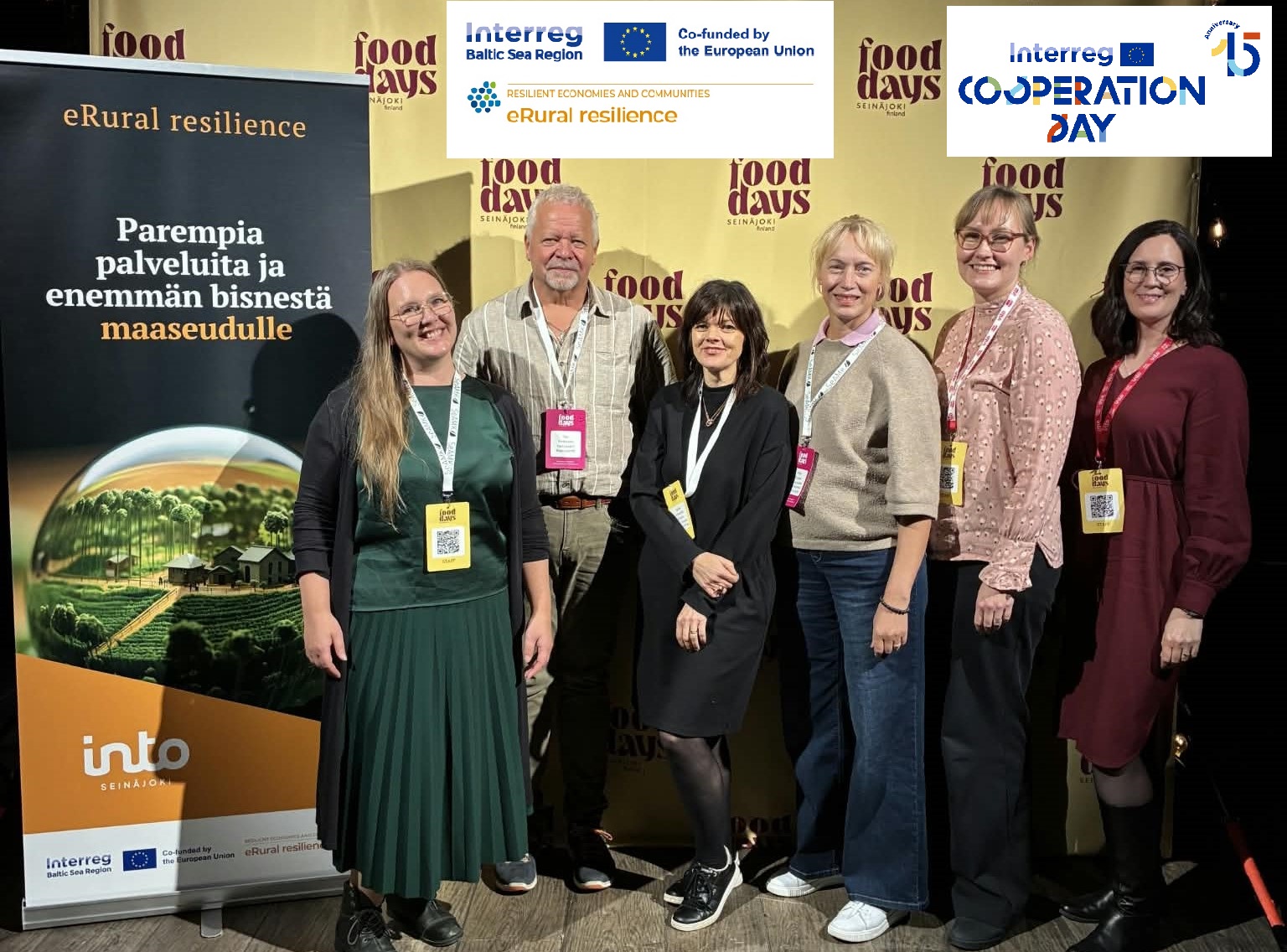
Food Days Seinäjoki, held on 30 September–1 October 2026, brought together food entrepreneurs, companies, researchers, developers and decisionmakers from Finland and beyond to explore the future of food, innovation, food exports, RDI and sustainable business development. For eRural Resilience, the event offered an ideal setting to demonstrate how the project’s practical tools and methodologies can support rural businesses in developing new products and business opportunities.
The participation was also part of the Interreg Cooperation Day 2026 initiative, which celebrates the value of European territorial cooperation and brings cooperation projects closer to people through events and activities across Europe.
From a project methodology to a real business story
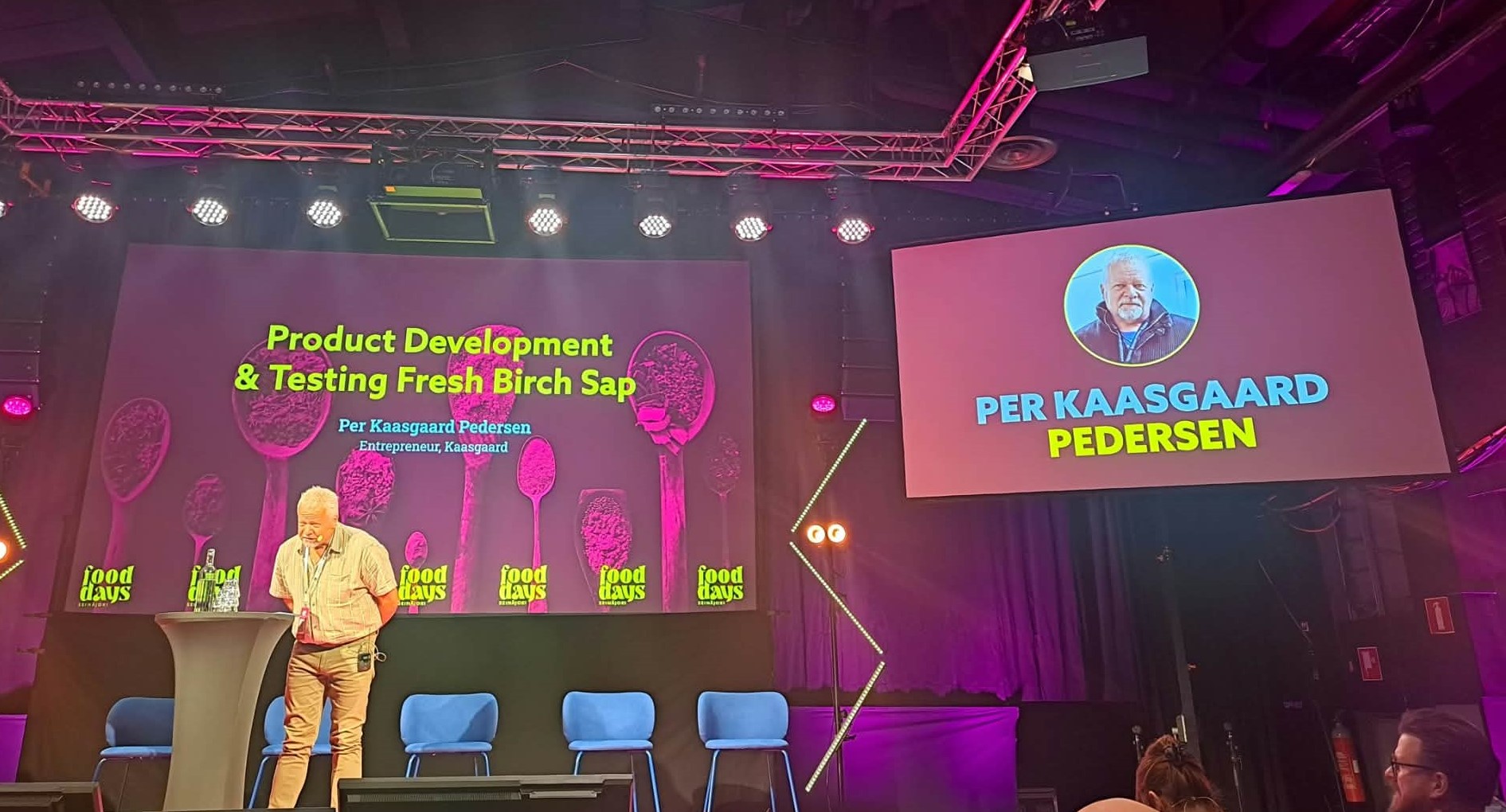
One of the highlights of the eRural Resilience contribution was the story of Per Kaasgaard Pedersen, founder of Kaasgaards in Denmark.
Kaasgaards is an innovation-driven food business working with local ingredients from the Møgeltønder area. Among its products are those based on birch sap, as well as small-batch fruit and berry products. The company’s development journey illustrates an important principle behind the eRural Resilience approach: rural businesses can find new opportunities bycombining local resources with experimentation, innovation and a willingness to test new ideas.
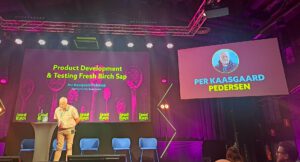
At Food Days, Per Kaasgaard Pedersen shared his practical experience in the session “Product Development and Innovation – Key Factors for Business Success”, presenting how the development and testing of fresh birch sap products was supported through the eRural Resilience pilot.
The testing focused primarily on exploring how the shelf life of birch sap could be extended and under what conditions this could be achieved.
For eRural Resilience, this was more than a presentation of a project result. It was an opportunity to show what happens when a methodology is put into the hands of an entrepreneur and tested against a real business challenge.
The project has developed an e-bio-business launching methodology and complementary assessment and support tools designed to help both business support organisations and entrepreneurs structure their development process. The methodology has been tested in partner regions across the Baltic Sea Region, while the project’s online assessment tool provides businesses with a structured way to explore their competences, opportunities and development needs.
The Food Days experience demonstrated why this practical testing matters. A methodology can provide a framework, but its real value becomes visible when it helps an entrepreneur answer concrete questions. The experience of Kaasgaards provided a tangible example of this process.
Listening to SMEs – and Learning from Them
The eRural Resilience contribution continued on 1 October with a session focusing on the needs and experiences of SMEs.
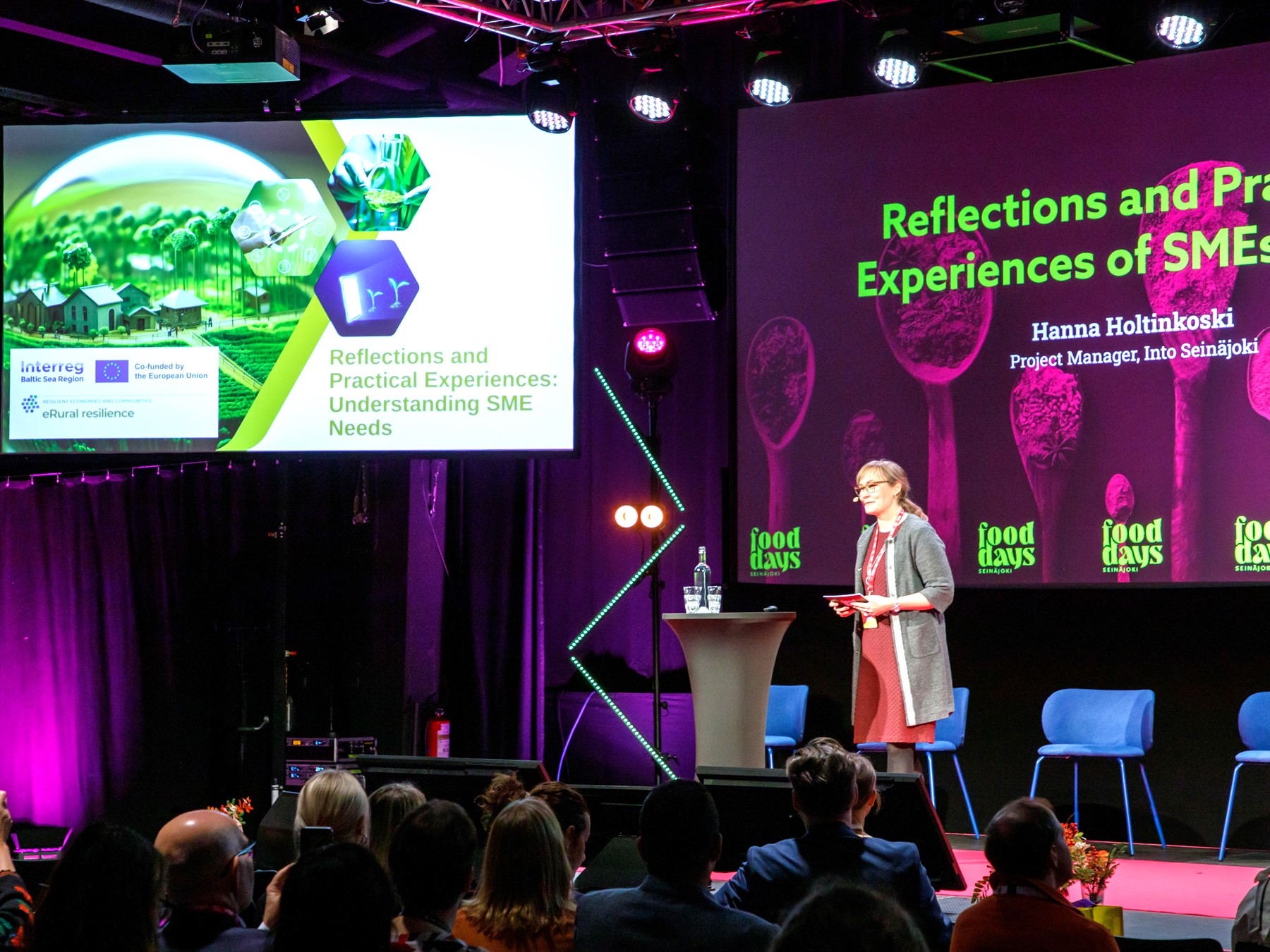
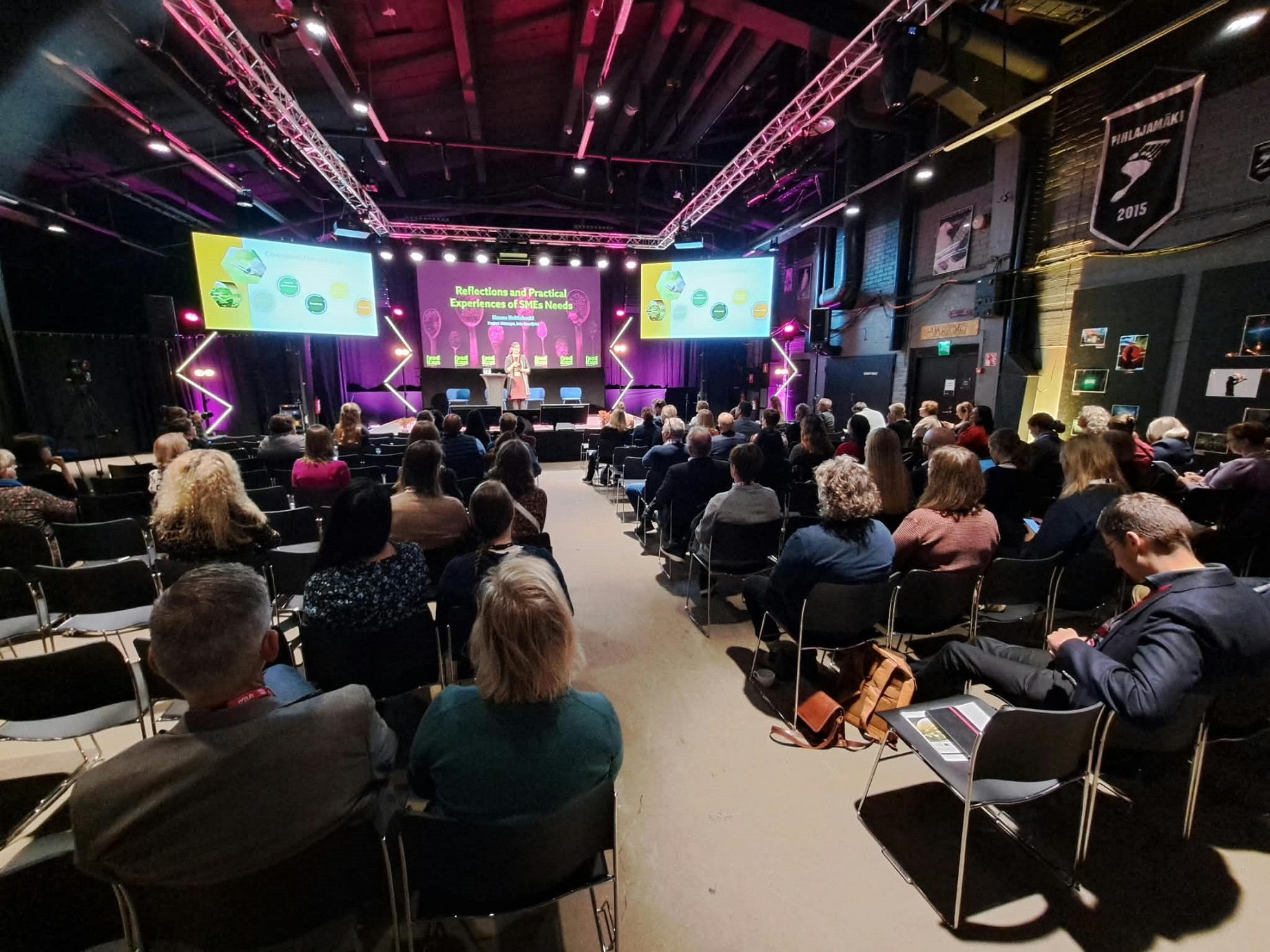
Hanna Holtinkoski from Into Seinäjoki presented “Reflections and Practical Experiences of SMEs’ Needs”, sharing lessons from the project’s sparring process between bio-business SMEs and business support organisations. The discussions were based on real-life cases and explored the needs entrepreneurs face when developing their businesses.
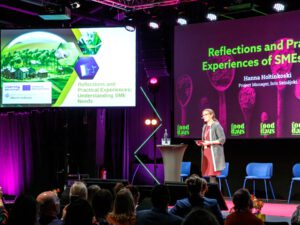 Hanna highlighted that the pilots showed the importance of flexibility:
“In reality, things rarely progress in such a linear way. We adapted the model to each individual case, and not every company needed all the activities that had been planned in advance. This is where business development organisations like Into Seinäjoki have a clear advantage: we know our clients and their operating environment well. Based on that understanding, we can better support companies in achieving both quick wins and their longer-term objectives.”
This is an important part of the eRural Resilience approach. Supporting rural businesses is not only about providing ready-made tools and solutions. It is also about understanding what entrepreneurs actually need and adapting support accordingly.
Listening to SMEs – and learning from their experiences – is an essential part of making support more relevant, practical and effective.
The exchange at Food Days therefore worked in both directions: the project shared its methodologies and results, while entrepreneurs and business support practitioners contributed valuable insights into how these tools work in real-life situations.
Learning from the wider food ecosystem
The programme also offered a broader perspective on the environment in which rural businesses operate. Food Days explored themes ranging from internationalisation and food exports to product development, food culture, regulation, data, sustainability and alternative food supply chains.
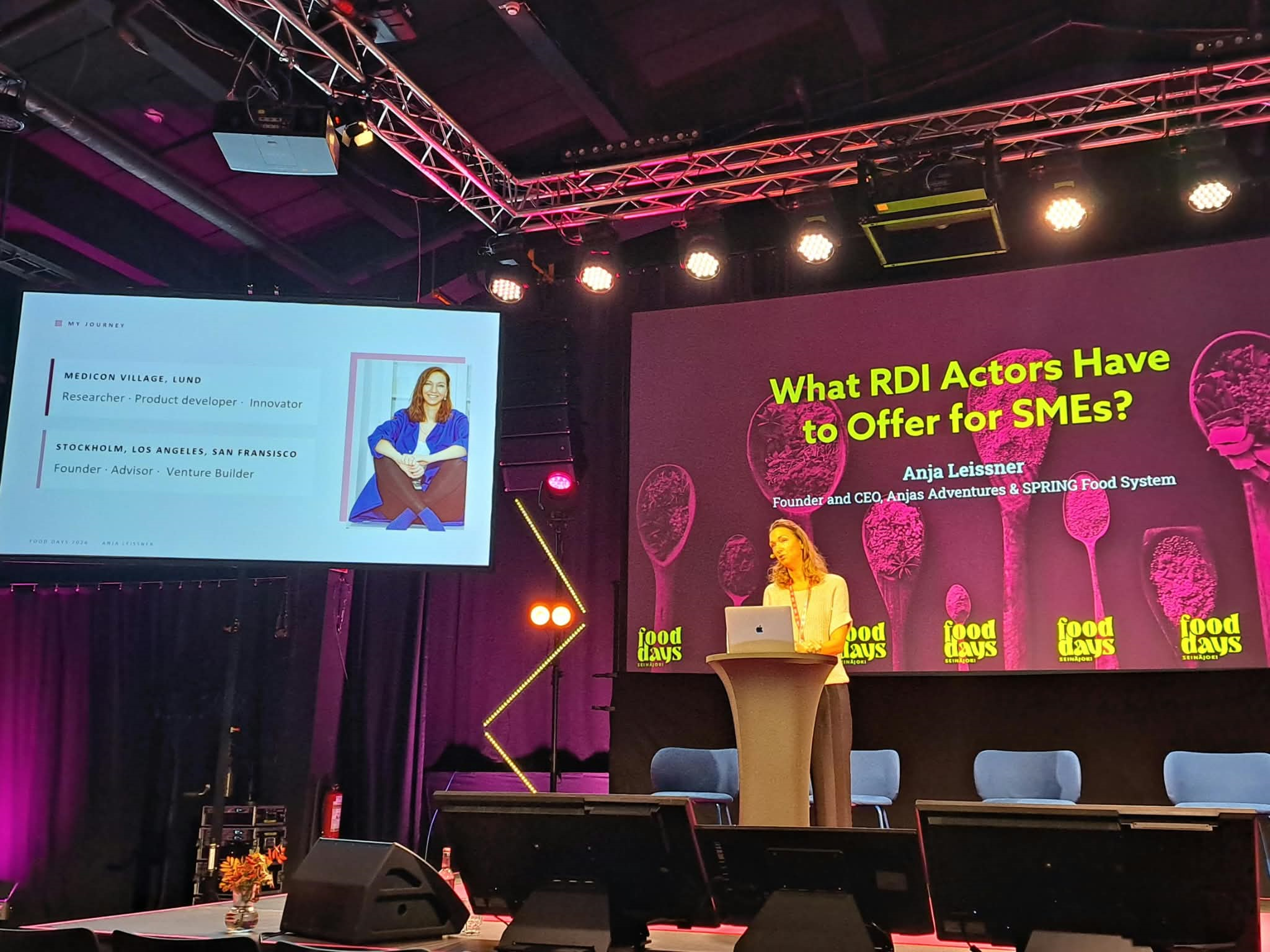
Anja Leissner, Founder and CEO, Anjas Adventures & SPRING Food System, opened the session „What RDI actors have to offer for SMEs?”by sharing her journey as a food scientist and growth entrepreneur. She identified four cornerstones of successful cooperation between research and development organisations and SMEs:
- Start with the problem.
- Make it easy to take the first step.
- Adapt to the company’s pace, which is typically much faster than that of RDI organisations.
- Engage the company from an early stage.
The Food Days Business Tour took participants beyond the conference venue to explore how local resources, circular economy solutions and strong storytelling can create new value for rural businesses. In Ilmajoki, visits to Koskenkorvan Trahteeri, Anora and Korvalaanen offered different perspectives on building successful businesses around local strengths. The examples ranged from creating memorable food experiences rooted in local culture and traditions to making efficient use of resources and developing local production for wider markets. The tour continued to Kurikka and Kurikan Lakkitehdas, demonstrating how creativity and storytelling can transform even unexpected local assets into attractive products, experiences and destinations.
Together, the visits highlighted an important message for rural entrepreneurs: resilience does not necessarily mean having more resources, but finding new ways to use what is already available. Local raw materials, traditions, side streams, partnerships, places and stories can all become sources of business value when combined with entrepreneurship and fresh thinking. This practical perspective closely reflects the eRural Resilience approach, which focuses on supporting bio-based SMEs through innovation, collaboration and targeted business support.
Cooperation that turns ideas into impact
The eRural Resilience presence at Food Days showed the added value of transnational cooperation in a very practical way.
This is precisely where European territorial cooperation can make a difference: connecting experiences that would otherwise remain local and turning them into knowledge that can travel across borders.
For eRural Resilience, Food Days Seinäjoki was a chance to demonstrate that the project’s work can move beyond reports and pilot activities – into conversations with entrepreneurs, business support organisations and the wider food and bioeconomy community.

Additional links
details
-
Homepage
-
Project typeCore Project

-
ImplementationNovember 2023 - October 2026
-
StatusOngoing
-
Contribution to EUSBSRPolicy Area Bioeconomy

-
Target groups
- Business support organisation
- Local public authority
-
Social media
-
Additional links
-
Tags