




Music Sector Voices from Jakobstad/Pietarsaari: Building the Case for Regional Mapping
25 September 2026
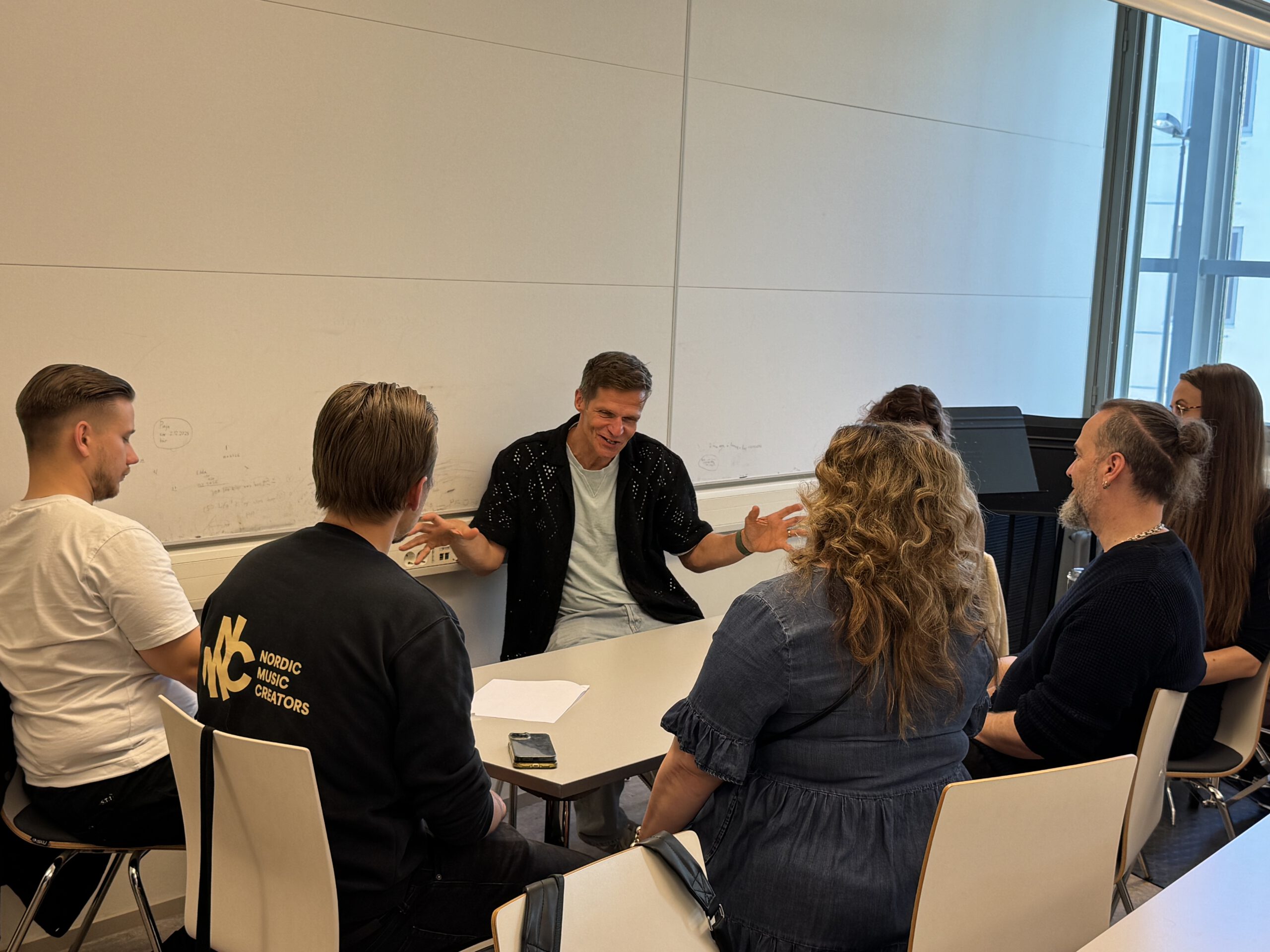
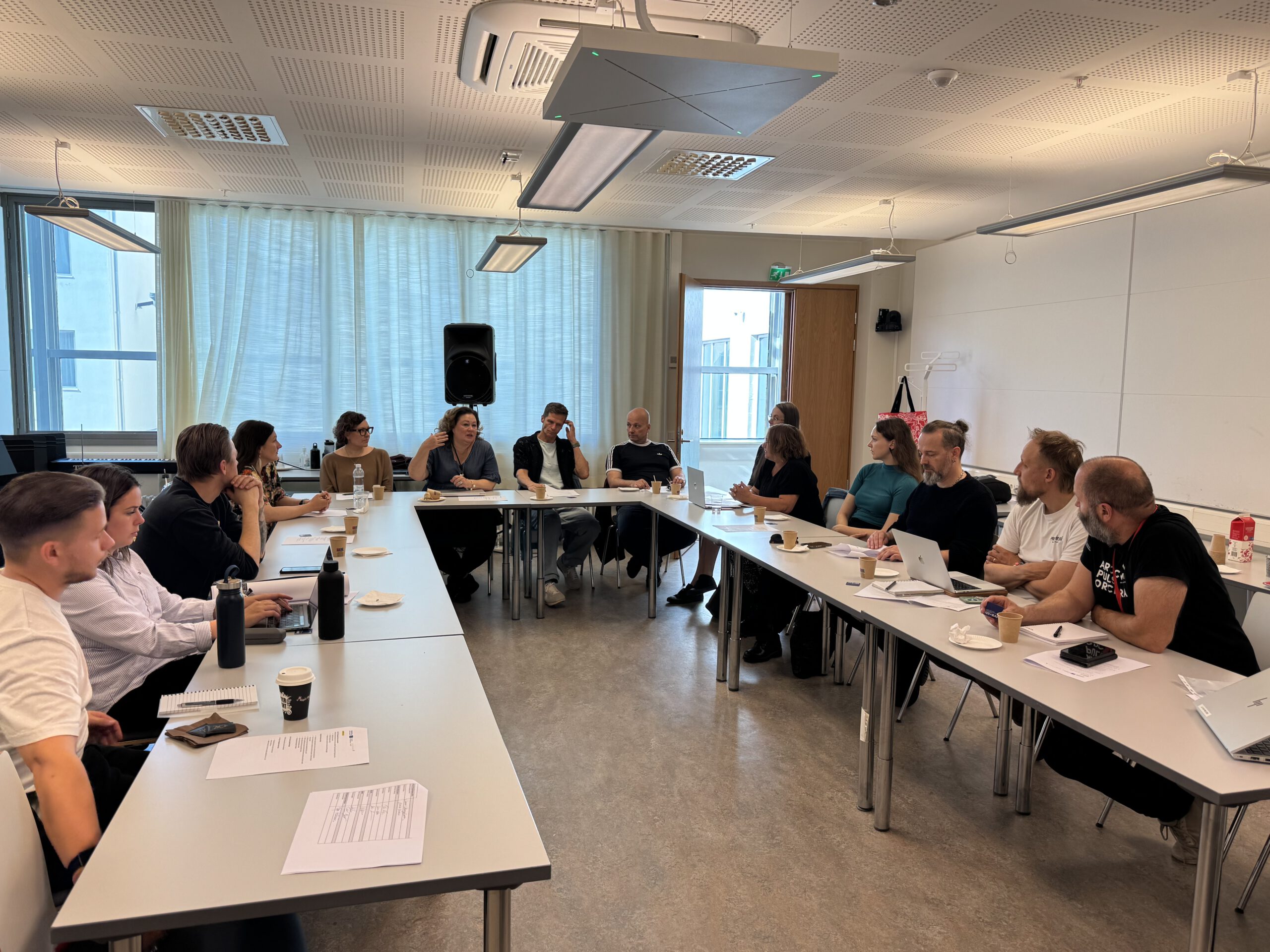
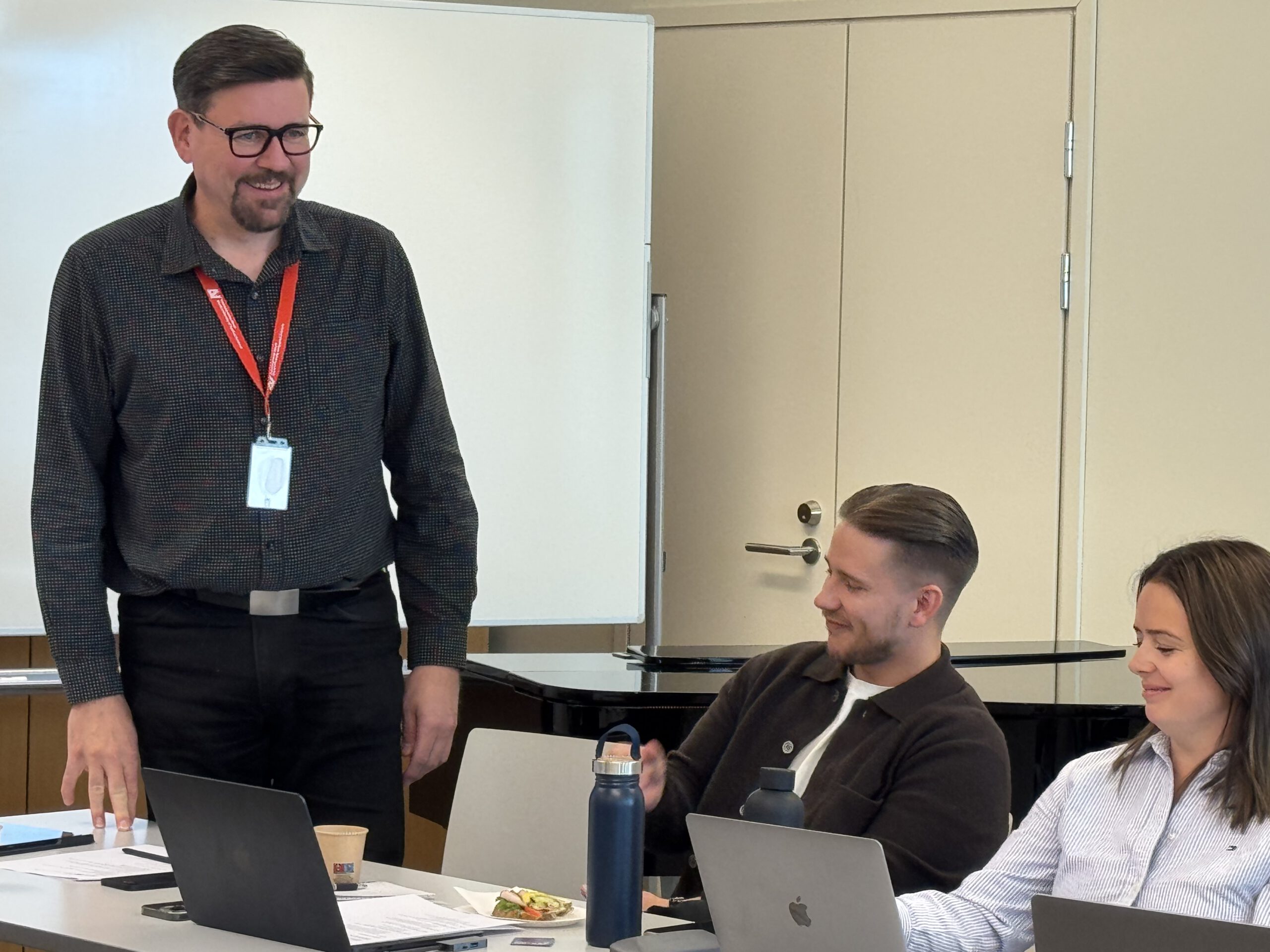
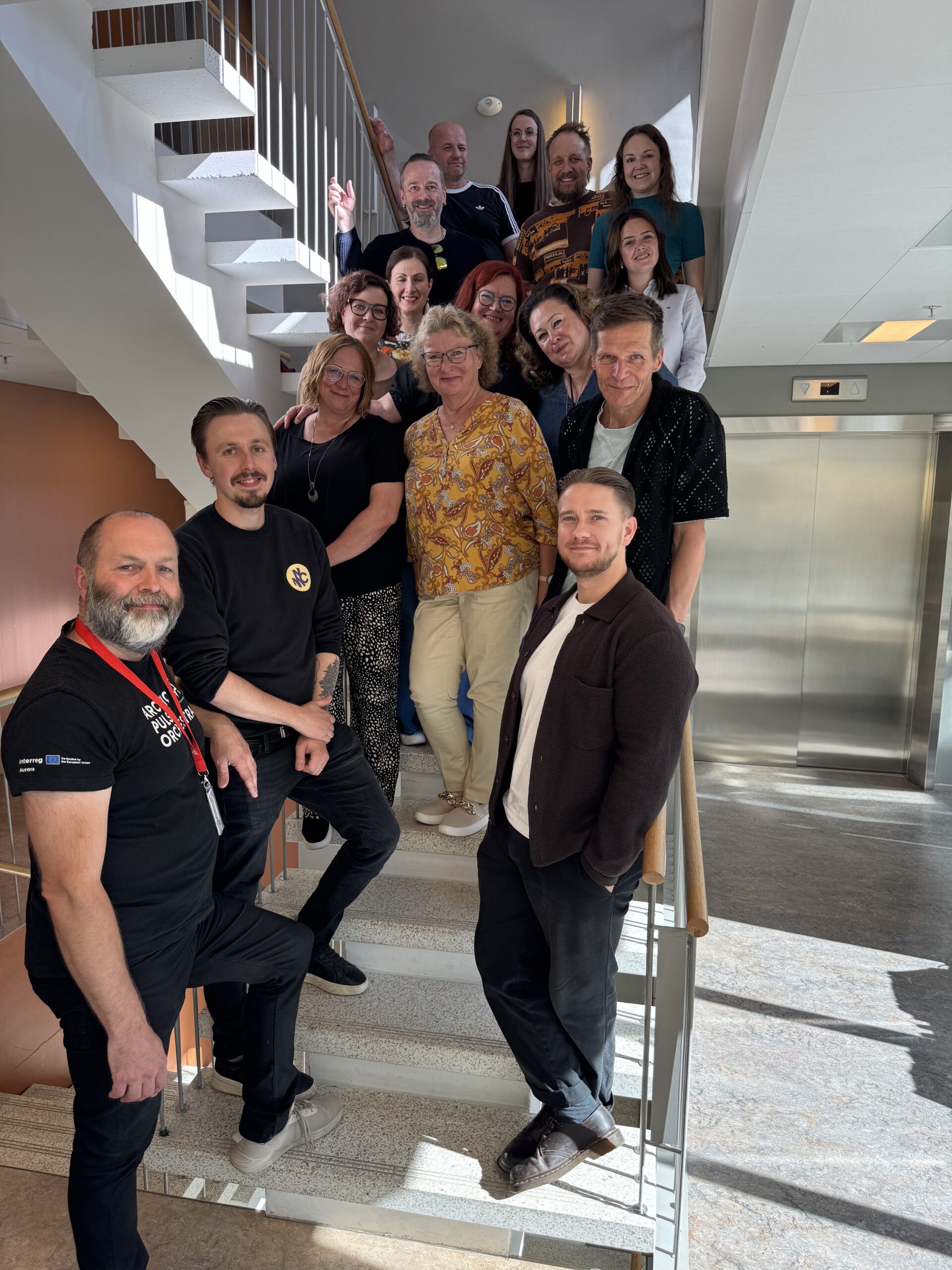
As part of MI-RAP’s ongoing work in the Vaasa region, local music and cultural organisations recently came together in Jakobstad/Pietarsaari for a workshop exploring how a shared understanding of the regional music ecosystem could strengthen collaboration across Ostrobothnia and beyond. Ostrobothnia region is home to two official languages in Finland: Swedish and Finnish.
Participants split into mixed groups by organisation and language to discuss the current state of cooperation in the sector, and the picture that emerged was clear: the region’s music and cultural actors are eager to move from occasional, project-based contact toward more structured, ongoing dialogue.
A recurring theme was the need to simply know who else is working in the field. Organisations such as the Youth’s Music Association in Swedish Finland (DUNK), the Seinäjoki Live Music Association (SELMU), the Rhythm Institute, University of Applied Sciences NOVIA, Seinäjoki University of Applied Sciences, and the Regional Council of South Ostrobothnia all pointed to the same gap: without a clear map of regional actors, funding cycles, and language groups, cooperation stays fragmented and dependent on personal networks.
The discussion translated directly into ideas for action. Suggestions included joint songwriting camps and student exchanges bridging Finnish- and Swedish-speaking communities, closer cooperation between events such as the Aurora Music Forum in Vaasa and MARS in Seinäjoki, and integrating a shared mapping tool into existing platforms like Klusteri. Participants also saw potential in linking mapping efforts to broader capacity-building work, reframing some traditional “education” activities as coaching and skills development instead.
Crucially, the workshop didn’t just surface ideas, it built momentum. Several organisations left with concrete next steps, from exploring small-scale mobility projects to discussing a joint Interreg application building on the former Mid-Nordic cooperation area. The next meeting will be arranged in Seinäjoki in October.
For MI-RAP, the session offered strong validation of the Mapping tool piloted through the project: not just as a reporting exercise, but as a genuine catalyst for new regional cooperation, in Vaasa, and potentially well beyond it.

Additional links
details
-
Homepage
-
Project typeCore Project
-
ImplementationNovember 2023 - October 2026
-
StatusOngoing
-
Contribution to EUSBSRPolicy Area Culture

-
Target groups
- Business support organisation
- Local public authority
- Sectoral agency
-
Social media
-
Additional links
-
Tags