




Lessons from BATS: what heps people walk and cycle all year round?
06 August 2026
Over the past three years, the BATS project has tested and evaluated a wide range of solutions to reduce barriers to Year-Round Active Mobility (YRAM) across the Baltic Sea Region. From innovative infrastructure and smarter traffic management to improved winter maintenance and citizen engagement, the project has demonstrated that supporting walking and cycling in winter requires more than a single intervention.
The evidence gathered through BATS shows that there is no universal solution that works everywhere. Instead, successful measures depend on local conditions, user needs, and the combination of different interventions. The thematic lessons from the project underline one central message: creating attractive year-round active mobility is not about finding one perfect measure, but about designing integrated, maintainable, and user-centred active mobility systems.
Infrastructure: designing for people and for winter
Infrastructure plays a crucial role in making people feel safe and comfortable when walking or cycling during winter. However, the BATS project demonstrated that there is not one infrastructure measure that is universally better than another. Rather, infrastructure must match a specific winter barrier and the needs of the person you are designing it for.
- Physical separators, kerbs, and other protective elements can significantly improve perceived safety where users experience conflicts with motor traffic, as demonstrated in Hamburg-Altona.
- Visual guidance measures, such as projected symbols, reflective elements or temporary lighting, help people navigate routes during darkness or poor weather. These interventions were trialled in Klaipeda and Umeå.
- Flexible lighting solutions can quickly improve strategic corridors before permanent investments are made, while immersive planning tools, including 3D simulations, help cities better understand how users experience new designs.
Perhaps the strongest lesson, however, is that infrastructure is only as effective as its maintenance. Surface quality, snow clearance and early involvement of maintenance teams are essential to ensure that investments continue to deliver benefits throughout the winter season.
Traffic management: reducing uncertainty, not just congestion
Traffic management measures contribute to year-round active mobility by making journeys easier, more predictable, and less stressful.
BATS pilots demonstrated that weather-sensitive traffic signals and automatic pedestrian and cyclist detection can reduce waiting times and improve user comfort. Real-time information on path conditions, surface temperatures, or icing risks supports both travellers and maintenance teams by improving awareness and operational decision-making.
At the same time, the project highlighted that technology alone is not enough. Reliable detection systems, integration with existing municipal infrastructure, and clear communication about how systems work are all necessary for users to trust and benefit from these solutions. Importantly, improvements in satisfaction or perceived convenience should not automatically be interpreted as changes in travel behaviour, which depend on many additional factors.
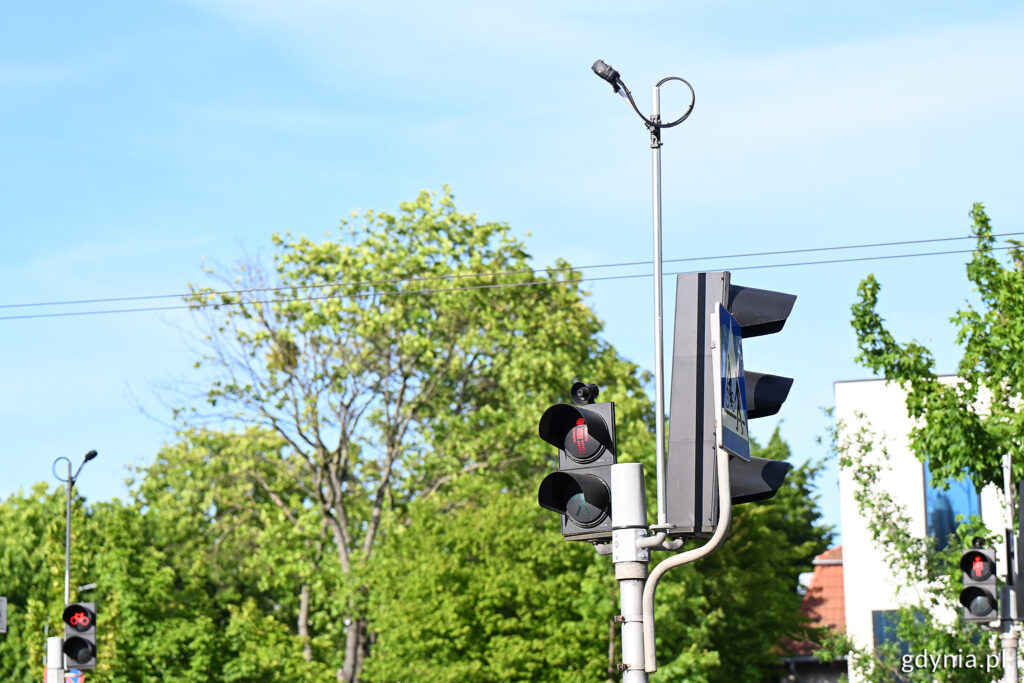
Weather-responsive traffic signals for pedestrians and cyclists in Gdynia, Poland
Winter maintenance: the foundation of year-round active mobility
Across all participating cities, one conclusion stood out above all others: maintenance quality determines whether other interventions can succeed.
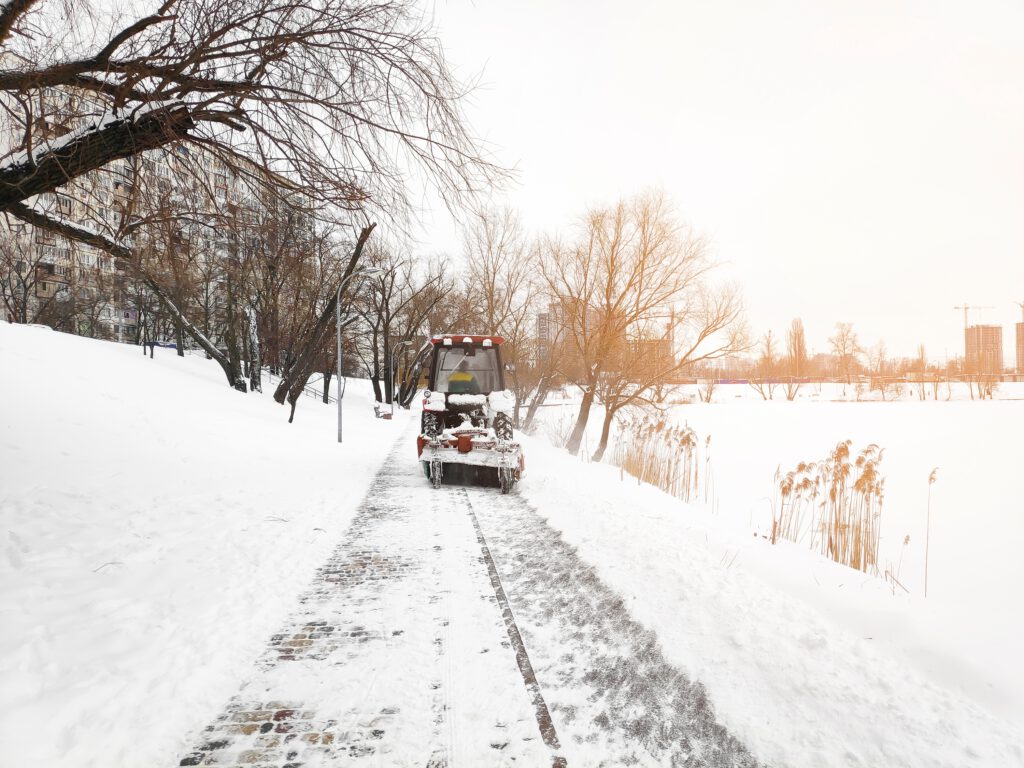
Even the best-designed infrastructure cannot encourage walking and cycling if routes remain icy, blocked by snow or difficult to navigate. BATS therefore placed particular emphasis on improving winter maintenance through better coordination, citizen reporting, specialised equipment, and systematic bottleneck identification.
The project showed that many active mobility routes cross different administrative responsibilities, often resulting in inconsistent maintenance standards. Mapping route ownership and coordinating maintenance across organisations proved just as important as investing in new equipment.
Citizen feedback also emerged as a valuable resource when combined with operational data. Reports from regular users help maintenance teams identify recurring problems and improve service quality, provided that reporting systems are easy to use and connected directly to maintenance operations.
Ultimately, winter maintenance should not be treated as a separate operational task, but as a core design factor for active mobility networks.
Citizen activation: supporting behaviour through practical action
BATS also explored how municipalities can encourage more people to continue walking and cycling throughout winter.
The project found that communication campaigns alone rarely overcome winter mobility barriers. Instead, citizen activation is most effective when it offers practical support and responds directly to people’s everyday challenges.
In Gdynia, school campaigns and gamification activities helped establish positive travel habits among children and families when combined with safe routes and cooperation with schools. Equipment support, such as winter tyre initiatives, reduced practical barriers for cyclists who lacked appropriate gear, as experienced in Kiili Municipality, Estonia. Citizen monitoring panels in Umeå and Porvoo created valuable links between users and maintenance teams by providing location-specific feedback that could directly improve winter services.
Route-awareness campaigns also proved valuable when they focused on specific commuting corridors or local destinations and informed future infrastructure or maintenance improvements, rather than simply promoting walking and cycling in general.
Looking beyond the pilots
While the four thematic tracks addressed different aspects of year-round active mobility, they all point towards the same overarching lesson: there is no single recipe for success.
The real value of BATS lies not only in the individual pilot measures, but in the planning approaches, methods and practical guidance developed throughout the project. The project demonstrates that cities benefit most when infrastructure, traffic management, maintenance and citizen engagement are planned together and adapted to local circumstances.
Although BATS focused on winter conditions, many of the lessons are equally relevant for other seasonal challenges, including increasingly frequent periods of extreme heat. Designing active mobility systems that remain attractive throughout the year means considering seasonality as a fundamental planning principle rather than an exception.
At the policy level, the project’s strongest recommendation is clear: active mobility must be prioritised in transport planning, while seasonal conditions should be systematically integrated into infrastructure design, operations and maintenance. Only by combining these perspectives can cities create walking and cycling networks that people trust and use throughout the entire year.
These insights are taken from our Impact Report, developed by Gdansk University of Technology. For more details, read the full report HERE.

Additional links
details
-
Homepage
-
Project typeCore Project

-
ImplementationNovember 2023 - October 2026
-
StatusOngoing
-
Contribution to EUSBSRPolicy Area Transport

-
Target groups
- Infrastructure and public service provider
- Local public authority
- Regional public authority
-
Social media
-
Additional links
-
Tags