

This wrap-up has been compiled by the Programme
PROGRAMME 2021-2027
Priority 2 Water-Smart societies
Objective 2.2 Blue economy
BEACH-SOS:
Wrap-up of project achievements
The Baltic coastline is under growing pressure from climate change: erosion, biodiversity loss, heatwaves and stronger storms threaten beaches, dunes, harbours and towns. Through the Interreg project BEACH-SOS, municipalities, environmental organisations, tourism experts and researchers from Denmark, Germany and Latvia joined forces to turn scientific evidence and local wishes into practical action plans for more climate-resilient and long-term visions for climate-resilient, thriving coastal tourism.
Solutions
BEACH-SOS
Highlights
BEACH-SOS
The project formed a replicable model of coastal adaptation that combines science, governance, and citizen engagement, covering the following elements:
- Coastal Climate Change Adaptation Pathways – a practical guide to support the development of local climate change adaptation plans
- Climate-Smart Community Action Plan for Saulkrasti (Latvia)
- Recommendation for Climate Smart Indicators and criteria for resilient beaches
- Interactive Storymap “Measuring Climate Change in coastal municipalities”
- Educational material for children “Get to know the Climate with Anna”
Project Details
Project type
Small project
Project duration
August 2023 – July 2025
Contribution to the EUSBSR
PA Tourism
PA Spatial Planning
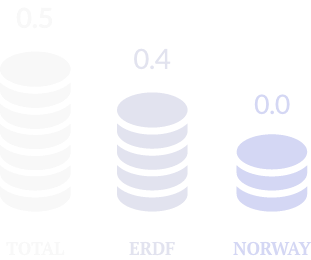
Budget in million EURO
0.5 total // 0.4 ERDF // 0.0 Norway
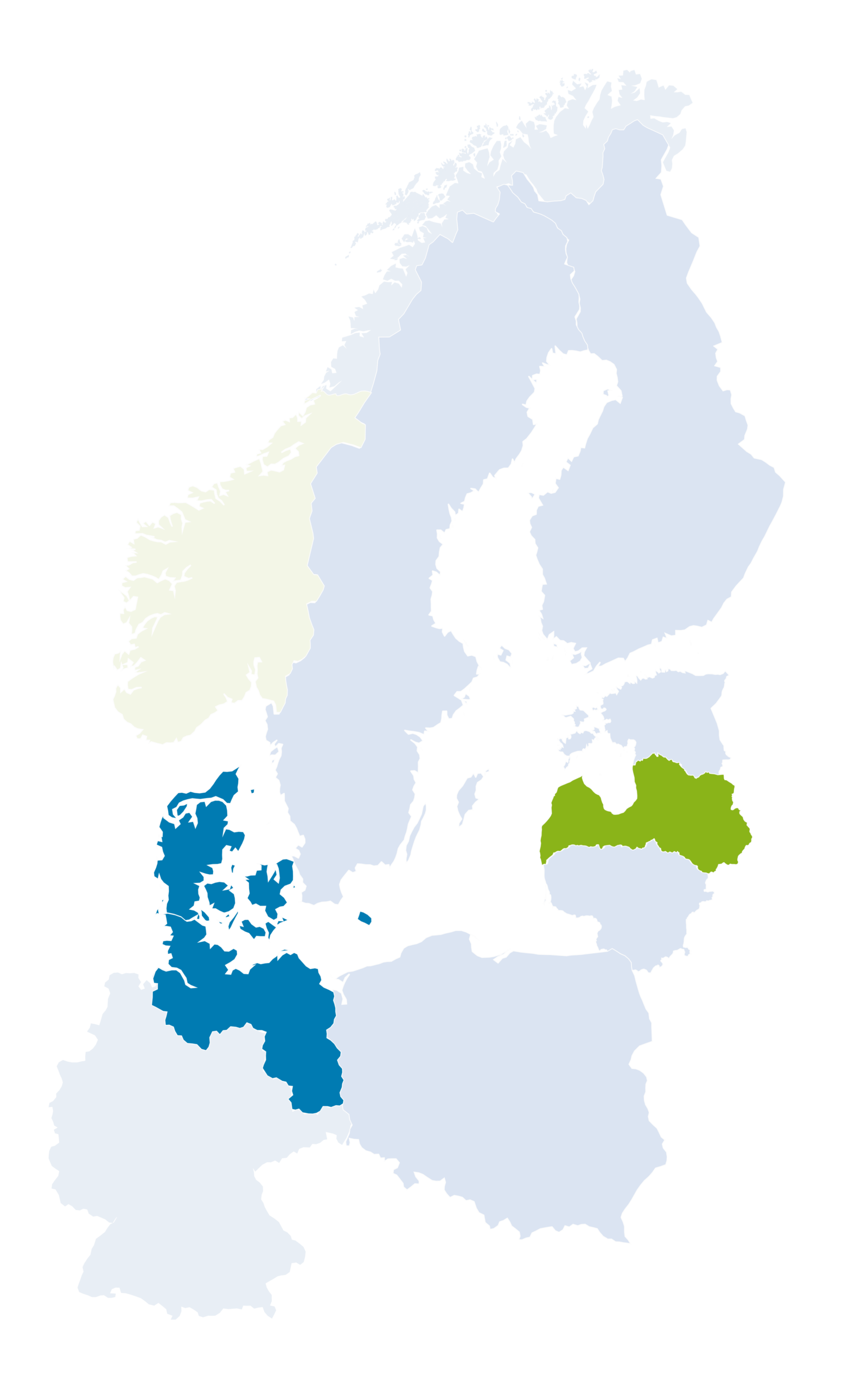
Involved Countries
Lead Partner: Germany
Project Partners: Denmark // Latvia // Germany
Coastal Climate Change Adaptation Pathways
Coastal Climate Change Adaptation Pathways
Developed by coastal communities from Denmark, Germany, and Latvia (together with NGOs), this practical guide is designed for coastal municipalities, NGOs, tourism associations, and academic organisations working on environmental protection and tourism across the Baltic Sea region. It provides methodologies and recommendations for developing community-based climate change adaptation pathways, including risk assessment, prioritising actions, and setting a monitoring mechanism. By improving access to relevant climate information, the guide supports adaptation planning and decision-making for sustainable coastal tourism development
Get inspired
Climate-Smart Community Action Plan
Climate-Smart Community Action Plan
This action plan provides a strategic roadmap for adapting coastal tourism to the growing challenges of climate change. It outlines how climate change is expected to affect coastal areas and sets out directions for future adaptation and resilience-building measures.
To ensure the plan reflects the needs and visions of the whole community, the Saulkrasti (LV) local authority coordinated its preparation together with citizens, neighbouring municipalities, scientists, NGOs, and regional and national institutions. The plan raises awareness of climate change and its expected impacts, improves access to relevant climate information, and supports decision-making at both community and municipal levels.
The participatory approach used to develop the plan, including data collection, engagement with local communities and organisations, and the integration of climate adaptation measures into planning, can be transferred and adapted by other regions facing similar challenges.
In numbers
7 organisations cooperating across borders
86 directly benefitting from project solutions
Measuring the impacts of climate change in coastal municipalities
Measuring the impacts of climate change in coastal municipalities
A series of workshops brought together research organisations, tourism organisations, and municipal representatives from Denmark, Germany, and Latvia to validate the project’s recommendations for climate-smart indicators and criteria for resilient tourist beaches in the Baltic Sea region.
The resulting set of 25 climate-smart indicators is grouped into physical and socio-economic categories and helps measure the impacts of climate change on beaches and coastal areas. Several indicators, such as sand temperature, were introduced based on participants’ feedback during the workshops held in Warnemünde (Germany), Saulkrasti (Latvia), and Køge Bay (Denmark). These indicators guide municipalities, tourism operators, and Blue Flag coordinators in monitoring climate impacts, improving beach management strategies, and integrating resilience considerations into coastal tourism certification and policy.
An interactive Story Map complements the indicators by presenting the main climate pressures affecting beaches across the Baltic Sea region, the key physical and socio-economic indicators for monitoring climate impacts, and examples of how municipalities are adapting their beach management strategies.
Get inspired
Interreg pays off
Follow-up activities
Interreg pays off: Follow-up activities
Thanks to Interreg and transnational cooperation, BEACH-SOS has triggered significant follow-up actions and new initiatives. The Foundation for Environmental Education (FEE) in Latvia incorporated climate action into the Blue Flag Latvia programme, promoting municipal engagement in adaptation planning for coastal tourism to support municipalities and NGOs.
Cooperation with municipalities in Mecklenburg-Vorpommern (DE) continues through the piloting of developed indicators and sustainable dune protection measures. The Coastal Union Germany (EUCC-D) maintains the Beach School Days in Warnemünde/Rostock (DE), which now emphasise coastal climate impacts.
Finally, project partners continue cooperation and building on achieved results in the Interreg Baltic Sea Region project platforms RegenT and Baltic PlaNet, whereas Saulkrasti Municipality (LV) applies its Community Action Plan within the Baltic PlaNet and Sea2Land Navigator platforms.
In focus
Small stories, big gains
In focus: Small stories, big impact
Can 150 people save a coastline?
Preparing Baltic coastlines for the climate challenges ahead
Every wave in the Baltic Sea reaches its 8,000 kilometres of coastline. Beaches, dunes, harbours and coastal towns have shaped life here for generations. Today, rising sea levels, stronger storms, erosion and heatwaves – driven by climate change – are reshaping this coastline instead.
In the picturesque coastal town of Saulkrasti, Latvia, just 17 kilometres of coastline became the starting point for change. The municipality invited more than 150 local residents, entrepreneurs and decision-makers to jointly envision what their coast should look like in 2050: from a sanctuary of nature to a year-round tourist destination. Based on these visions, and with the support of scientists and environmental and tourism experts from Latvia and Germany, Saulkrasti developed its own climate adaptation plan.
This action plan is part of a broader framework developed through the Interreg Baltic Sea Region BEACH-SOS project to help coastal municipalities like Saulkrasti become more climate-resilient and economically thriving, while protecting their coastlines. Grounded in 25 practical measures, the BEACH-SOS framework helps coastal communities in Denmark, Germany and Latvia better understand and respond to risks such as erosion, sea-level rise, sand temperature, and beach biodiversity.
Project
Details
Project type
Small project
Project duration
August 2023 – July 2025
Contribution to the EUSBSR
PA Tourism
PA Spatial Planning
Budget in million
EURO
Involved
Countries
Lead partner

Project partners