




Example in Action: Exploring Local Energy Initiatives in Dobele County, Latvia
05 June 2026
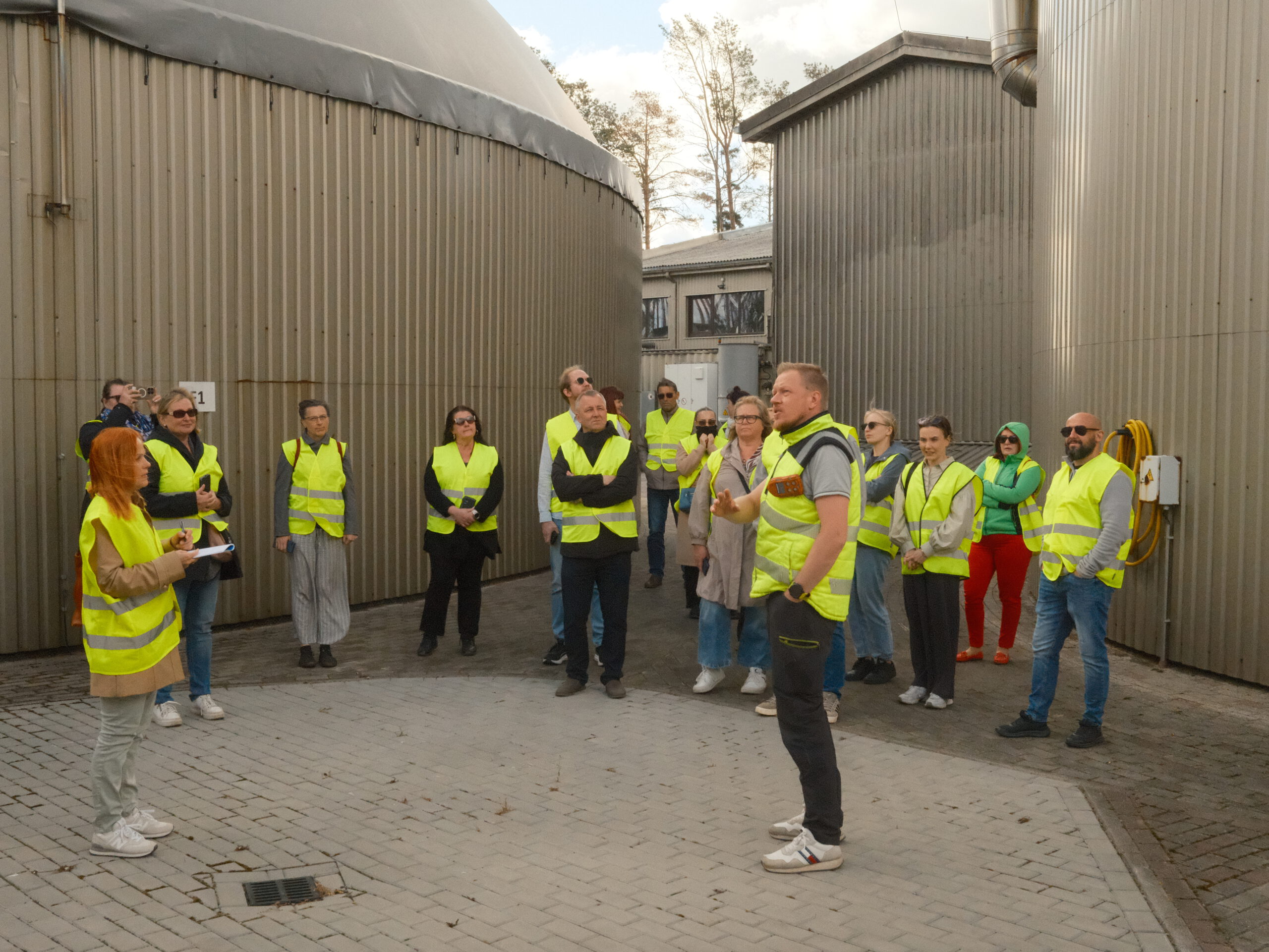
Zemgale Regional Energy Agency and Dobele County Municipality organised a series of study visits on May 27, 2026, to showcase various energy and climate initiatives to the Enercracy project partners in Dobele County. As an agricultural hub of Latvia, the study visits provided valuable insights into the driving forces of local energy transitions, where the scale and effort of various initiatives towards climate-neutral, resilient, and prosperous futures go hand in hand.
Advancing renewable energy production through cooperation – the case of ‘Agrofirma Tērvete’
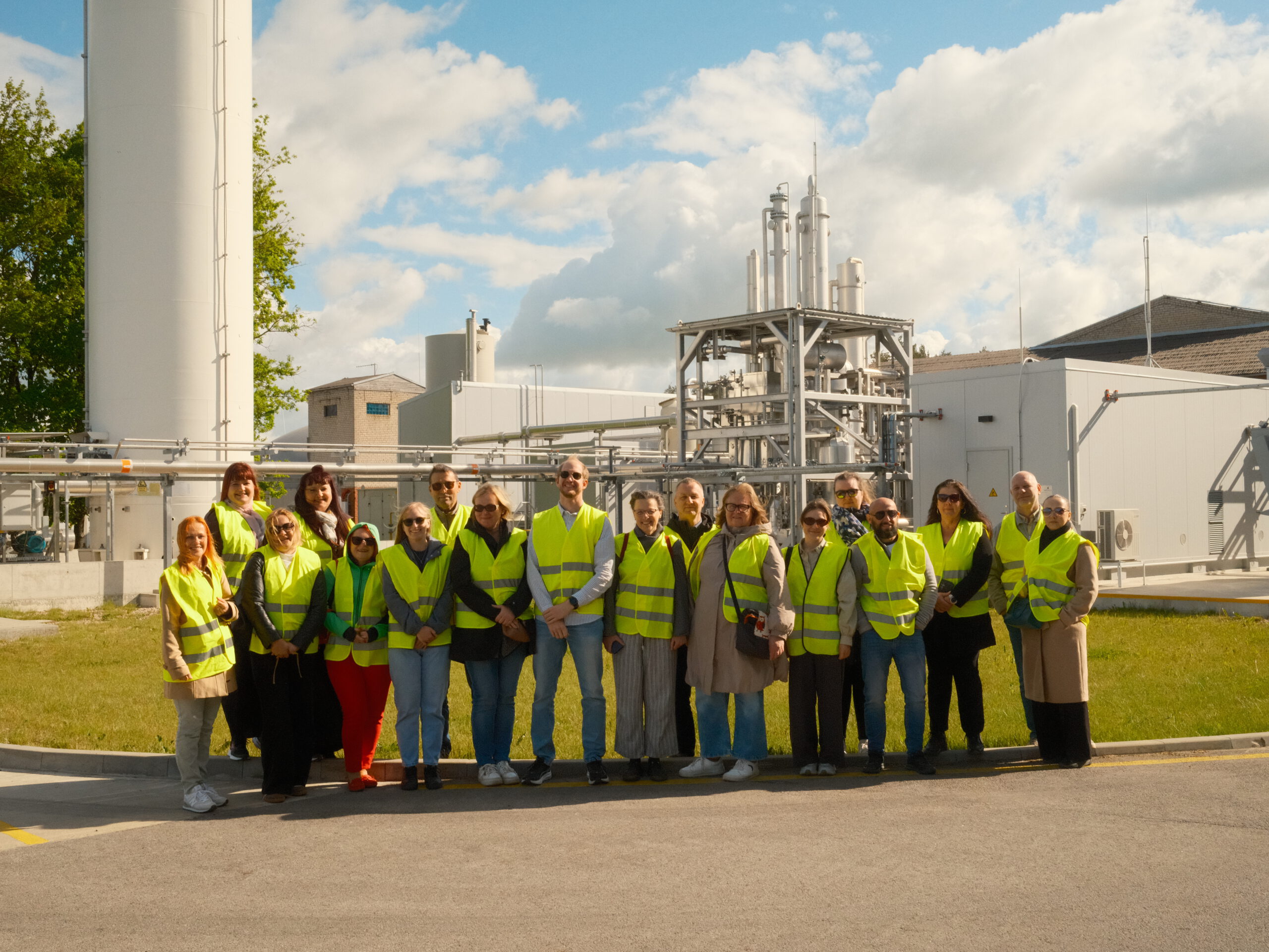
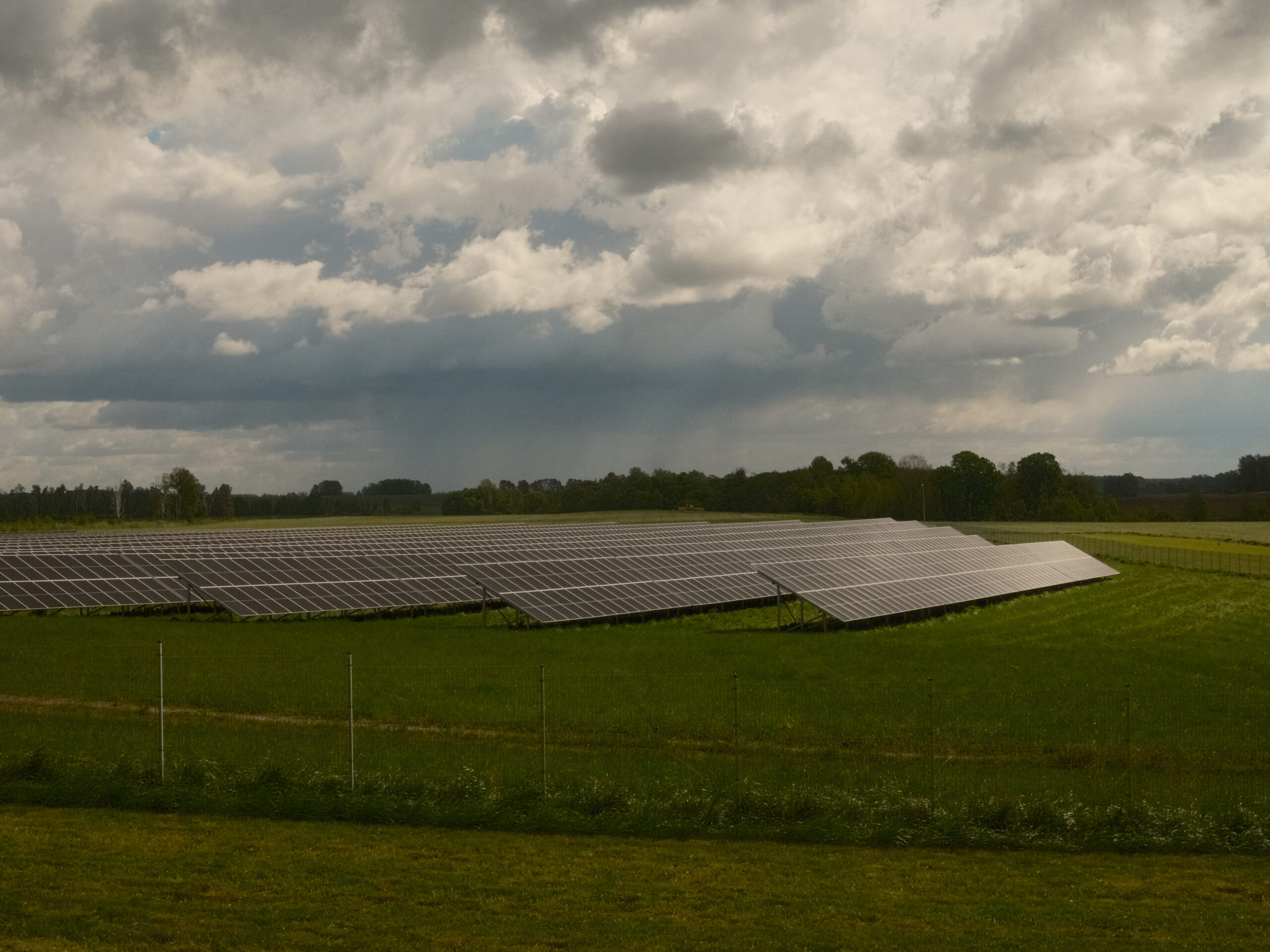
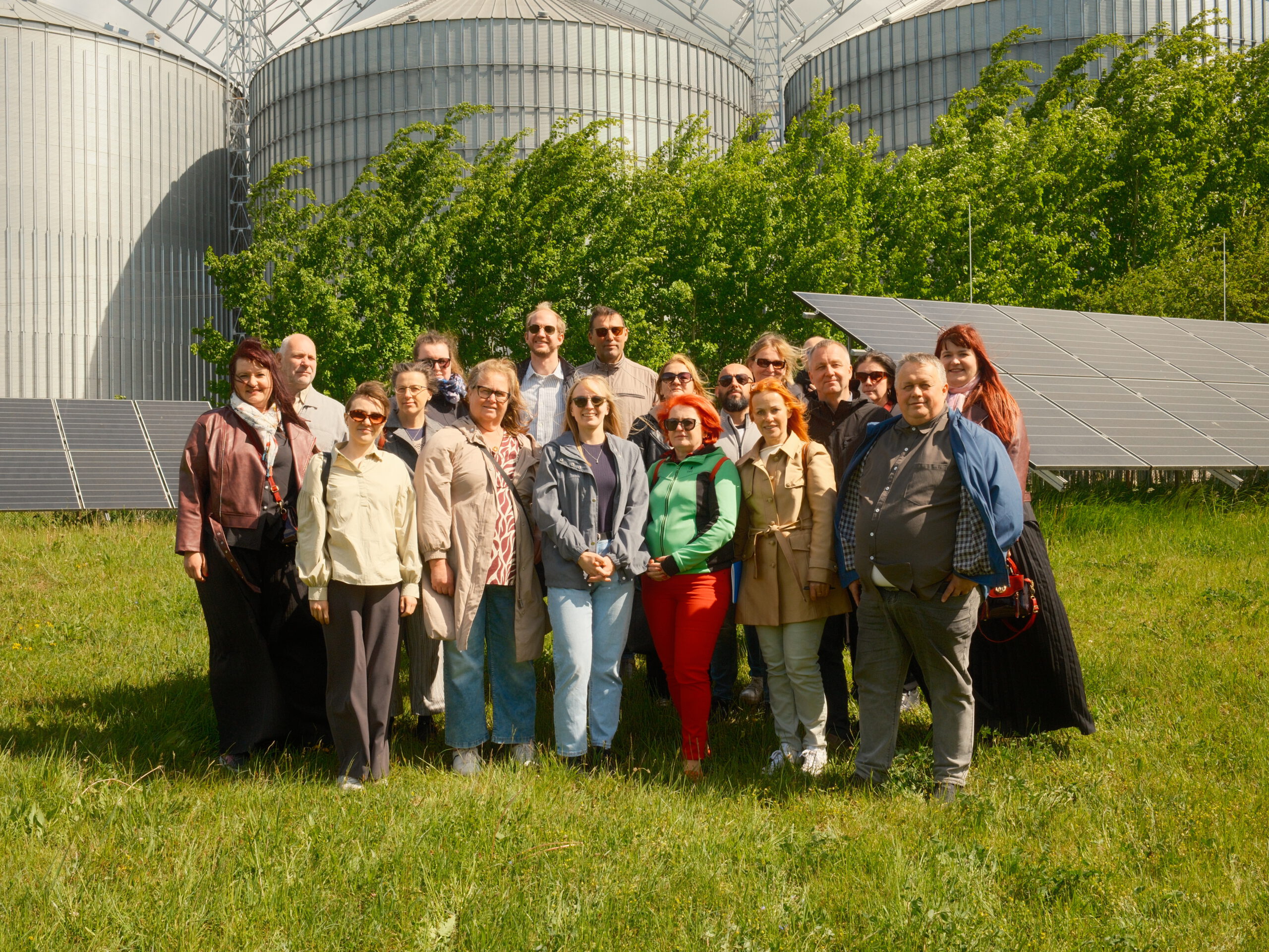
The first stop of the day of study visits was the ‘Agrofirma Tērvete’. Being surrounded by vast agricultural lands, the company has positioned itself in several key positions of energy transition. One of the company’s key on-site activities is bio-LNG production from cow manure. ‘Agrofirma Tērvete’ manages its own cow farm, as well as buys the cow manure from the surrounding farmers. During the production process, liquid methane with 99.95% purity is produced and subsequently exported. To maintain stable temperatures in fermenters, a 0.5 MW biogas cogeneration station was developed. The excess heat from the production processes is supplied to the nearby village of Kroņauce and the production company ‘Tervetes AL’. To further drive the energy independence of ‘Agrofirma Tērvete’, the company has built a 2.5 MW solar energy park with batteries to maximise self-consumption.
These developments, aimed at fostering energy independence and uplifting local residents and businesses, further highlight the importance of building interconnected local energy systems to achieve resilience and prosperity. As the representative of ‘Agrofirma Tērvete’ told the Enercracy project consortium members, the overall aim of all their actions is to achieve full coverage of their energy consumption with self-produced renewable energy sources. This vision positions energy independence, yet simultaneously, the activities fostering resilience go beyond their company and impact a larger pool of stakeholders.
Facilitating sustainable water management at ‘Dobeles ūdens’
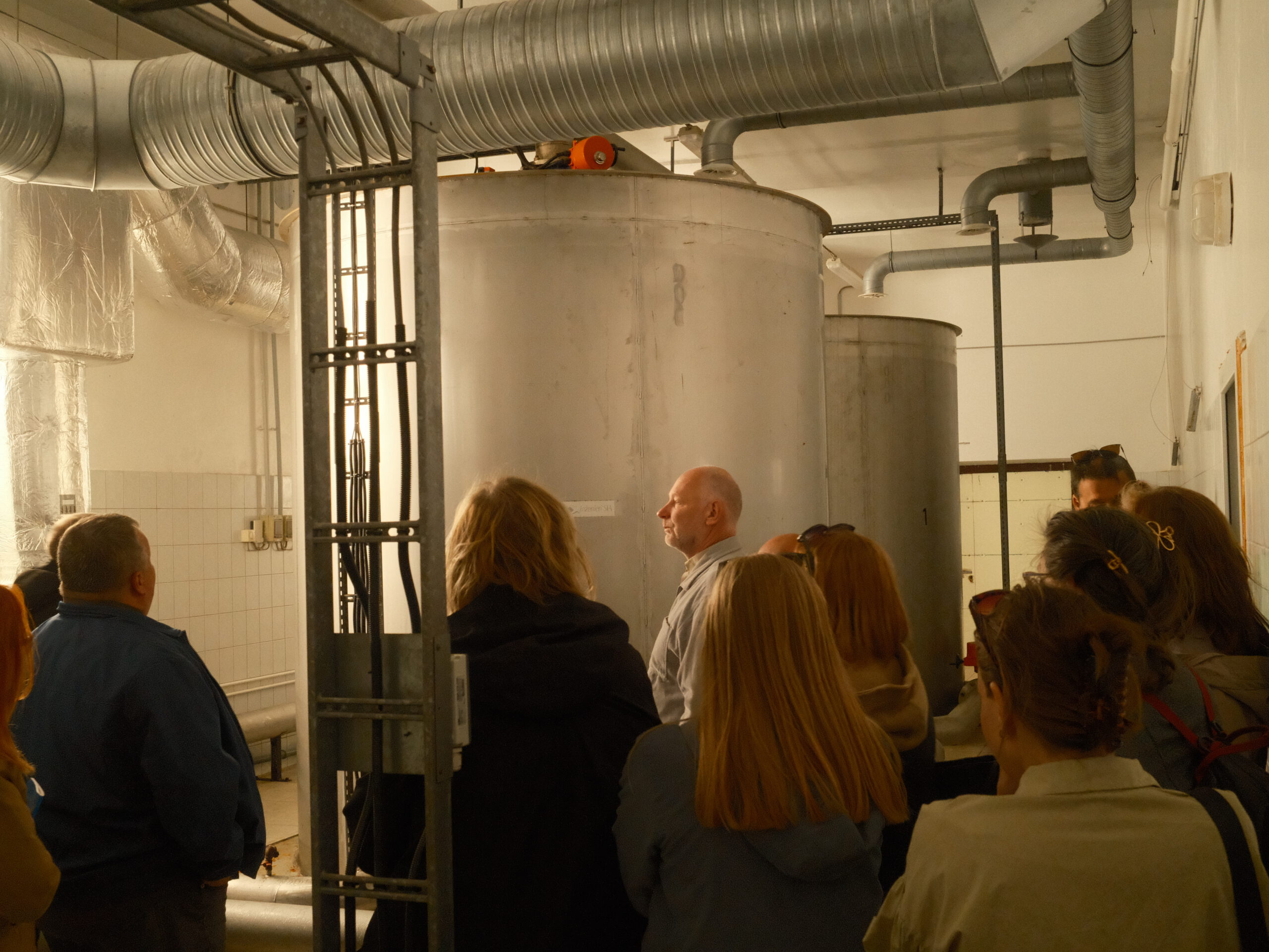
After visiting the ‘Agrofirma Tērvete’, the Enercracy project consortium went to Dobele, where the first stop was ‘Dobeles ūdens’ – a municipality-owned water utility company. The core activities of ‘Dobeles ūdens’ include water extraction, purification, supply, wastewater collection and treatment, as well as the overall maintenance of public water infrastructure. The company’s extensive infrastructure network includes water preparation stations, wastewater treatment plants, artesian wells and sewage pumping stations. The total length of the water supply and sewage networks in the county exceeds 100 kilometres.
Due to the energy intensity of water pumping, ‘Dobeles ūdens’ installed two solar panel systems with a combined capacity of 84.4 kW, achieving more than 20% self-sufficiency for the pumping stations. This is particularly interesting, as the director of the water utility openly discussed his scepticism towards the energy transition and climate change, particularly in their local context. However, the developments were still made, highlighting the increasing mundaneness of renewable energy solutions even within more sceptical audiences.
Discovering Dobele
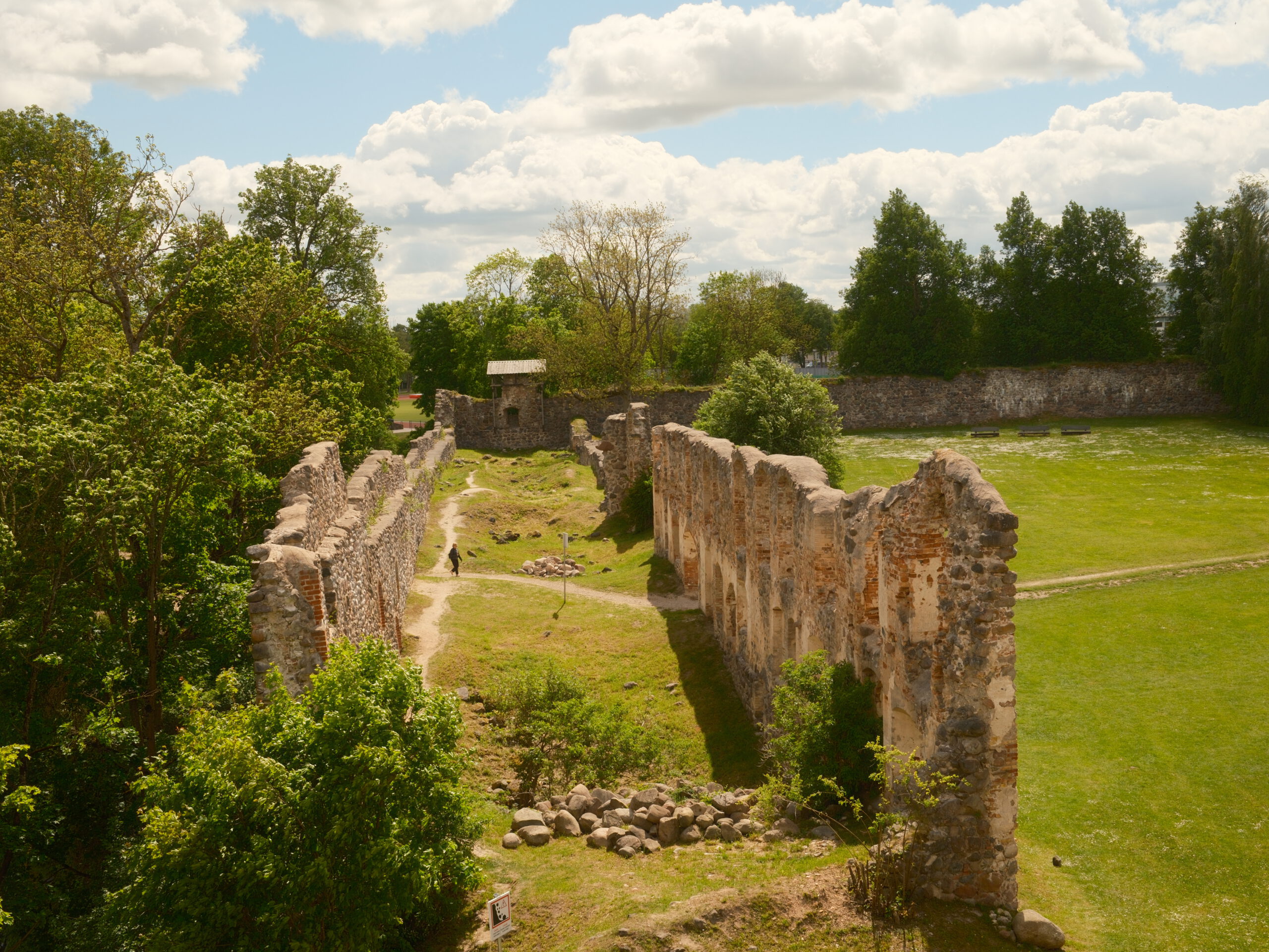
After the two site visits, the Enercracy project consortium visited the Dobele Castle. The place itself is a highlight of the long-standing resilience of local people in the face of change throughout its history. The most recent renovation of the Dobele Castle centred on preservation and minimising interventions to the historic structures, which reminded the participants about the importance of reducing consumption at large. Afterwards, the participants went on a city tour, which highlighted Dobele as a particularly strong industrial centre for its size. This serves as further inspiration to advocate for a just energy transition in municipalities of all sizes.
What did the participants take from the study visits?
The study visits overall showed that at the root of any successful transition lies cooperation – this was particularly highlighted by ‘Agrofirma Tērvete’ and the stories about Dobele itself. Furthermore, it exemplified that energy independence and transition itself go hand in hand with prosperity. The case of ‘Dobeles ūdens’ particularly highlights it, as even counter-narratives of climate change cannot stop renewable energy installations, as the economic benefits override beliefs. With this, we believe that the ongoing work to promote renewable energy technologies and community energy initiatives as simple, pragmatic actions can further enable achieving climate neutrality at the local level.

Additional links
details
-
Homepage
-
Project typeCore Project

-
ImplementationMarch 2025 - February 2028
-
StatusOngoing
-
Contribution to EUSBSRPolicy Area Energy

-
Target groups
- Infrastructure and public service provider
- Interest group
- Local public authority
- Regional public authority
- Small and medium enterprise
-
Social media
-
Additional links
-
Tags