




eRural Resilience Partners Met in Kaunas on 20.- 21. May 2026 to Validate a Piloted e-Bio-Business Launching Methodology
27 May 2026
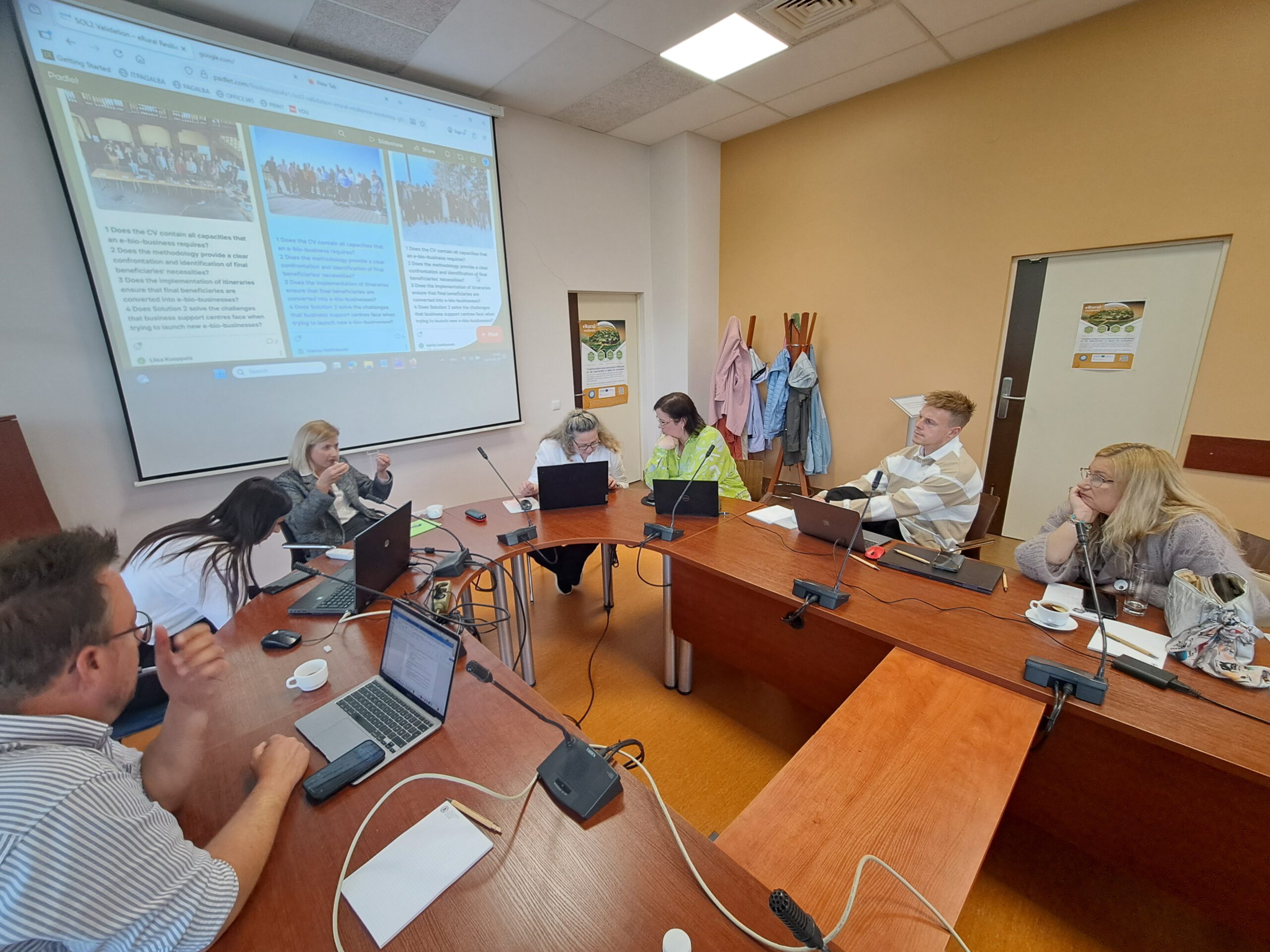
On 20.- 21.May, partners of the Interreg Baltic Sea Region project eRural Resilience gathered in Kaunas for a partner meeting focused on validating and refining the project’s methodologies for launching e-bio-businesses based on piloting results, as well as planning the long-term sustainability and scalability of the developed solutions after the project’s completion.
During the meeting, consortium partners analysed the outcomes of the pilot activities, validated the Methodology for e-bio-business Launching, and discussed the Exploitation and Business Plan for project results together with procedures for maintaining long-term transnational cooperation networks.
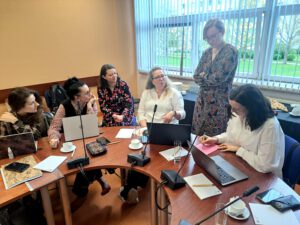
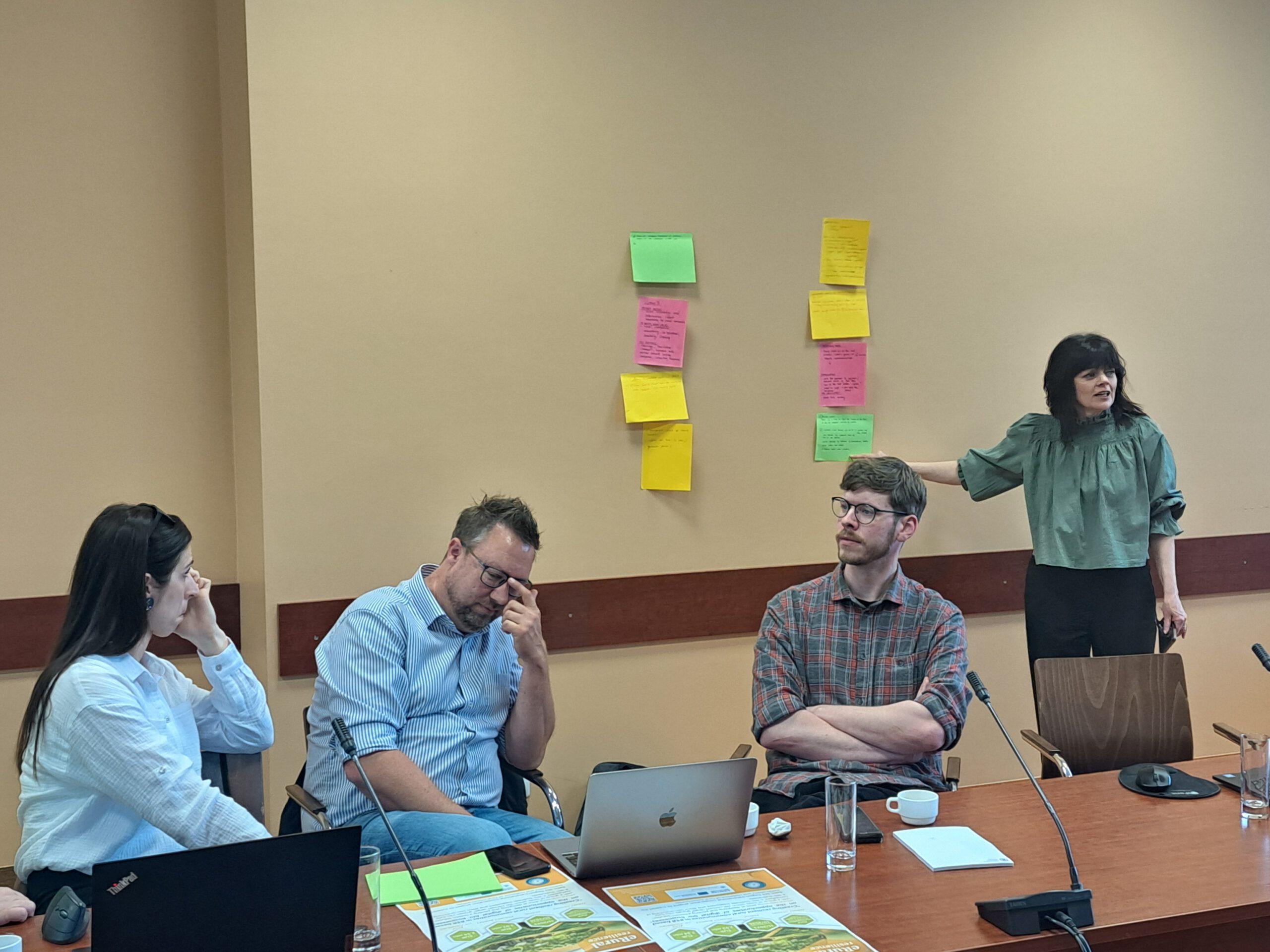
In addition,partners reviewed the overall project progress and held workshops dedicated to the development of long-term cooperation hubs and the further refinement of the methodology package.
The meeting also included discussions on the concept of an e-bio-business award and related marketing activities aimed at increasing the visibility of innovative rural bioeconomy initiatives.
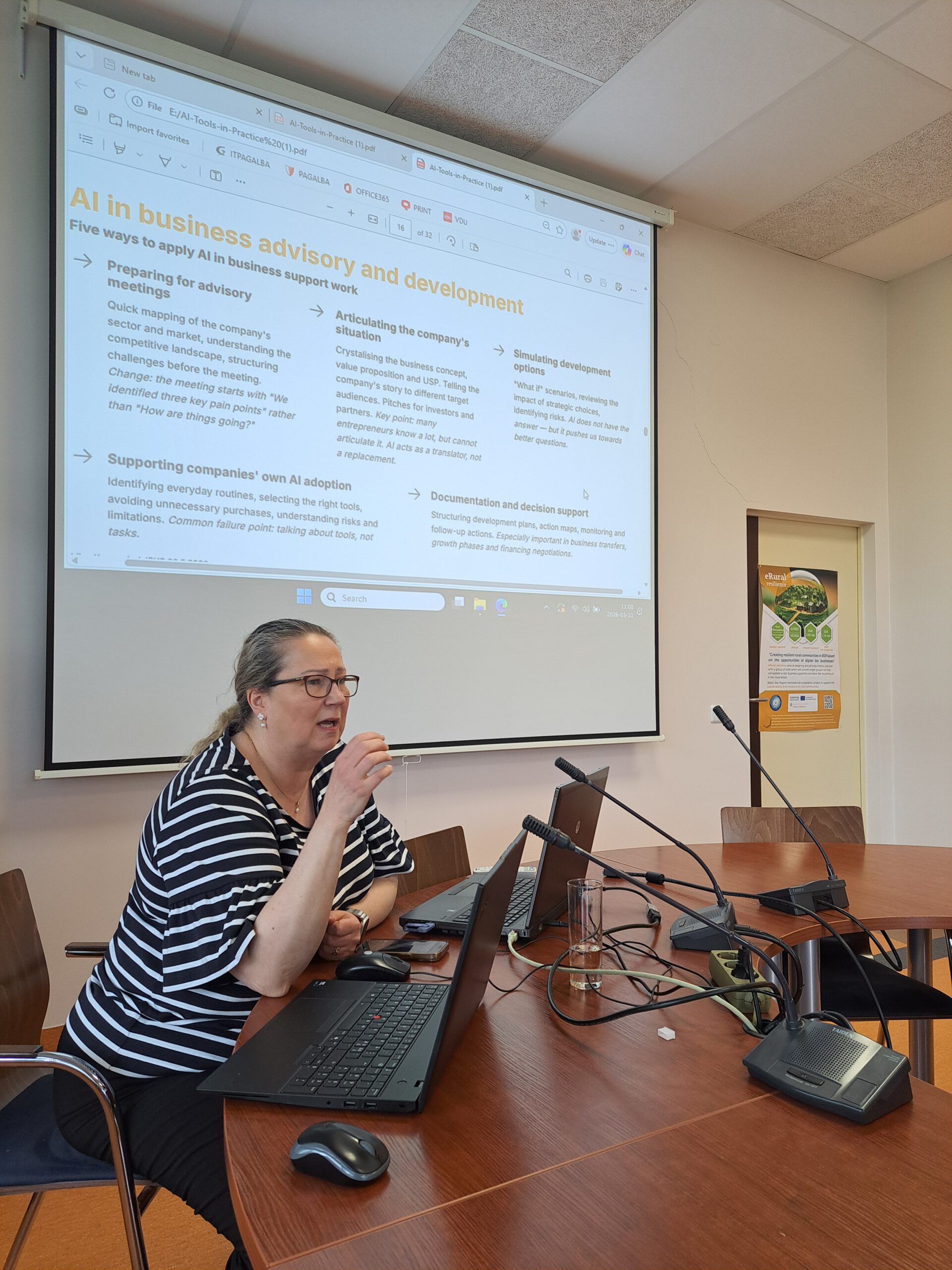
As digitalisation is a key focus area of the project, project partner JPYP, represented by Liisa Kuoppala, conducted an AI training session designed to strengthen the AI capacities of consortium partners for better supporting of regional SMEs.
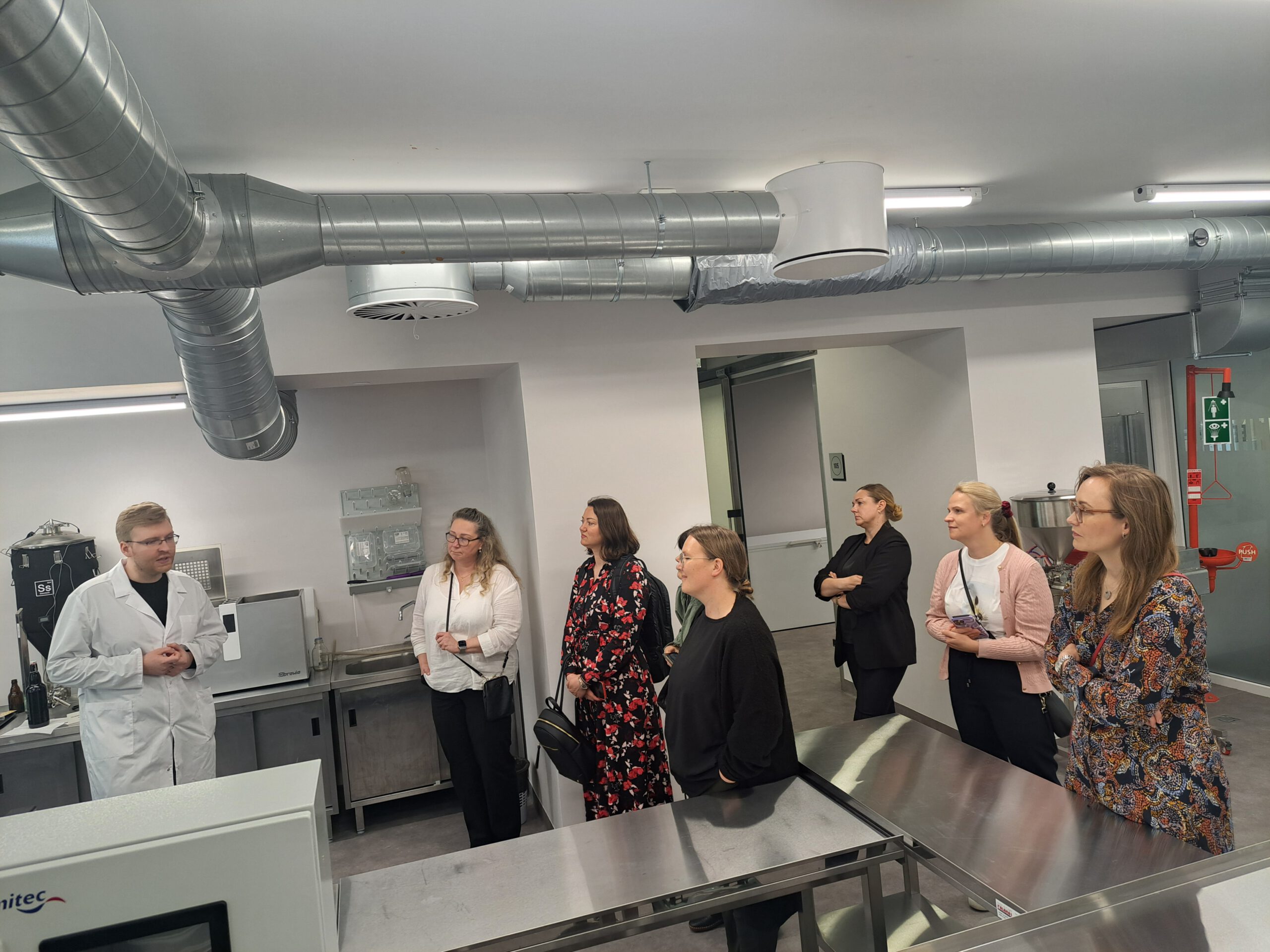
- An important part of the programme was dedicated to transnational showcase visits and study tours to local bioeconomy initiatives in the Kaunas region. Participants visited the VMU Agriculture Academy Aquaculture Centre, where aquaculture activities are closely integrated with research and innovation, as well as the BioTec Excellence Centre and the VMU Botanical Garden, which serves as an example of a multifunctional bio-business environment.
Piret Arusaar, Project Manager of the lead partner Association of Municipalities of Tartu County, highlighted that the eRural Resilience project has successfully developed competence assessment and advisory methodologies through close cooperation between consortium partners. These methodologies have already been piloted successfully in nearly one hundred business support organisations and bio-businesses.
“The assessment methodology helps organisations evaluate their readiness and competences to support digital and bio-based business development in rural areas. The methodology for supporting e-bio-businesses, together with the online assessment tool, helps rural entrepreneurs identify opportunities related to bioeconomy, sustainability, and digitalisation in a structured way, while also supporting the development of practical roadmaps and stronger cooperation networks across the Baltic Sea Region,” Arusaar explained.
Now approaching its final phase after two and a half years of cooperation and development work, the eRural Resilience project is currently focusing on identifying opportunities for scaling up the developed solutions and strengthening the long-term sustainability and continuity of the established partner network.

Additional links
details
-
Homepage
-
Project typeCore Project

-
ImplementationNovember 2023 - October 2026
-
StatusOngoing
-
Contribution to EUSBSRPolicy Area Bioeconomy

-
Target groups
- Business support organisation
- Local public authority
-
Social media
-
Additional links
-
Tags