




11 March 2026
New season, new standards: how to make your event more sustainable
WRITTEN BY: SUSIE HACQUIN
Public events often generate large amounts of waste. That’s why they are ideal places to test out and implement sustainable solutions. In this article, we focus on BALTIPLAST and Change(K)now!, two projects working on reducing plastic use and single-use packaging in the Baltic Sea region. For the purpose of the article, they kindly answered our questions about sustainability in public events, which allowed us to have precious insights on their projects’ work.
Why public events matter for sustainability
Before diving into the projects themselves, let’s take a step back and consider the bigger picture: you may ask yourself “why are public events a great place to start moving things around?”.
Lena Hansen, from Green Events Hamburg, a partner in Change(K)now! Project, explains it simply.
Public events offer three key three advantages:
- they tend to have a large ecological footprint by nature
- they gather all service providers and participants on a fixed date
- they serve as playground for innovation
From transportation and energy use to food packaging, water consumption and biodiversity impact, events leave behind a sizeable carbon footprint. But it means there is a large potential for improvement. Liina Karnabik from BALTIPLAST emphasises this point: sustainable changes at public events are highly visible and can show fast results. Since these events generate so much waste, reducing it sends a strong, immediate message: not just to participants, but also to service providers. Re-thinking public events in a sustainable perspective means taking a holistic approach. It’s not just about participant activities or comfort anymore, but thinking about mobility, food providers, and even ways of communication. And, because providers are all there on a fixed date, it becomes a unique opportunity to test new practices. That’s why Aija van der Steina, Change(K)now! project manager, talks about public events as “small-scale laboratories” and “examples of society everyday”.
We will now see how the change is made in these events, and how powerful education and awareness can be.

Changing habits through education and awareness
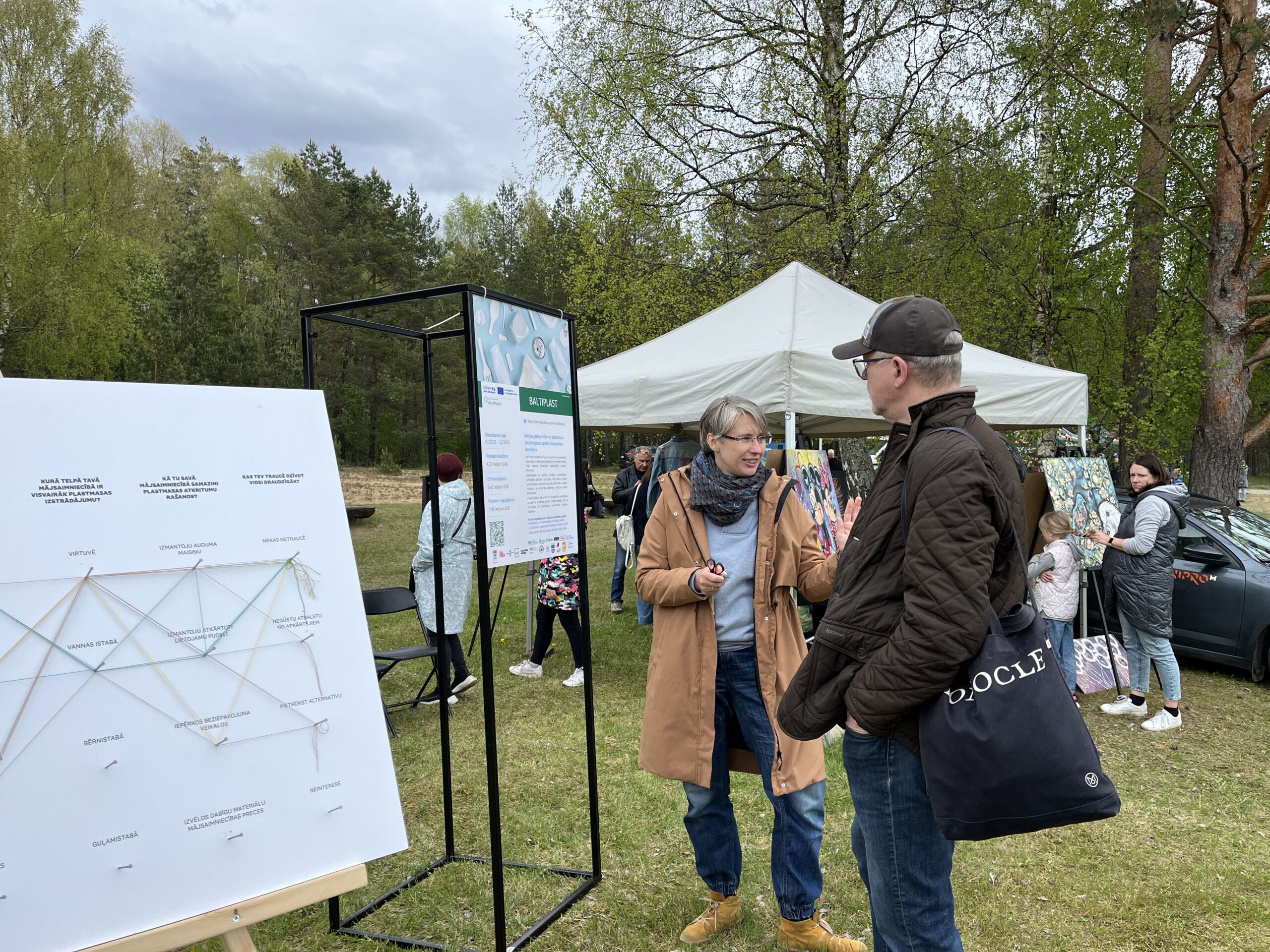
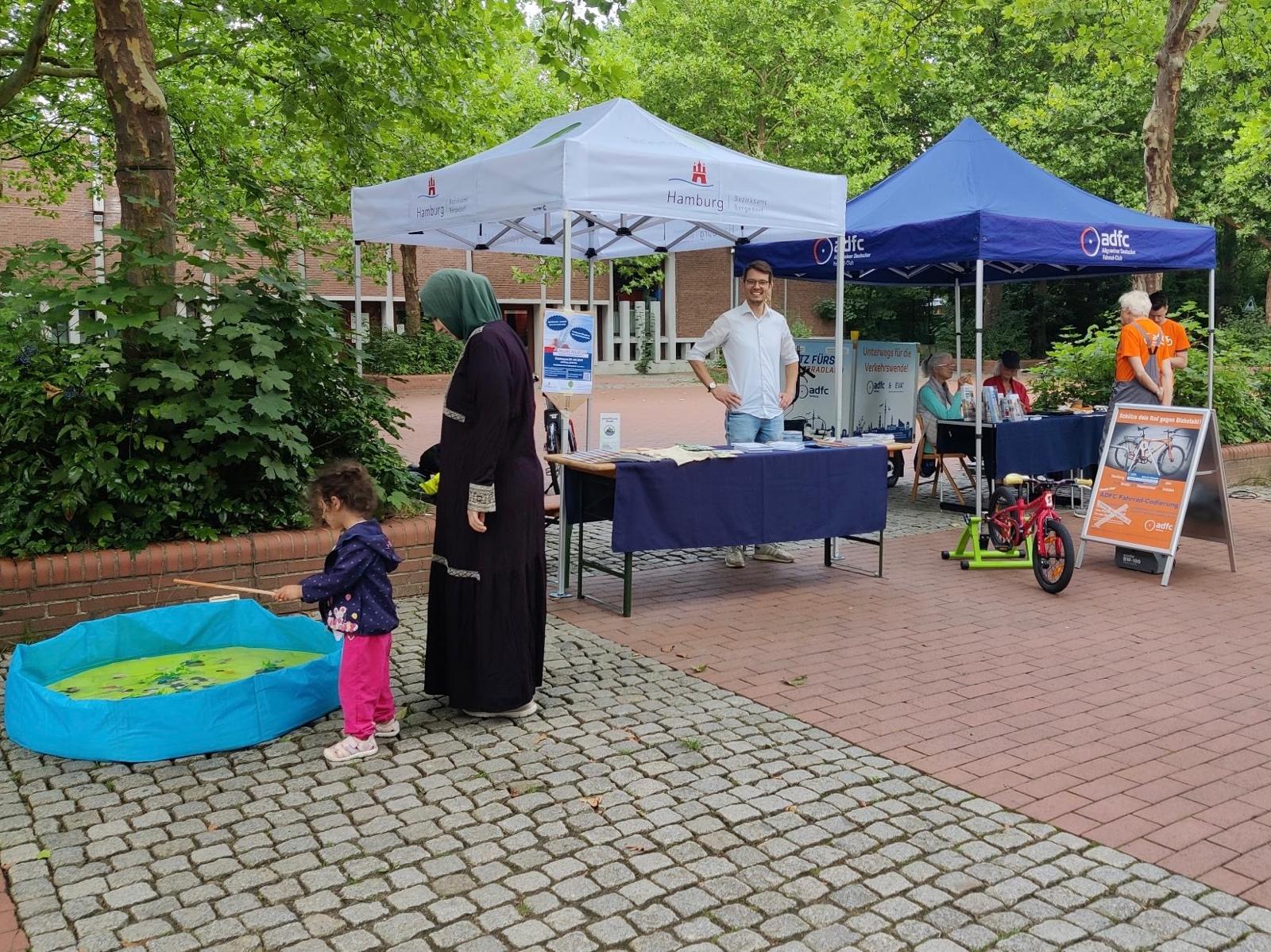
At the heart of both BALTIPLAST and Change(K)now! lies a powerful driver of change: education and awareness. When it comes to reducing plastic use and single-use packaging at public events, informing participants and service providers is just as important as implementing sustainable practices. The idea is to show participants and public providers the impact of their mobility and consumption on the environment in the event, and to demonstrate how minimal changes can have significant impacts.
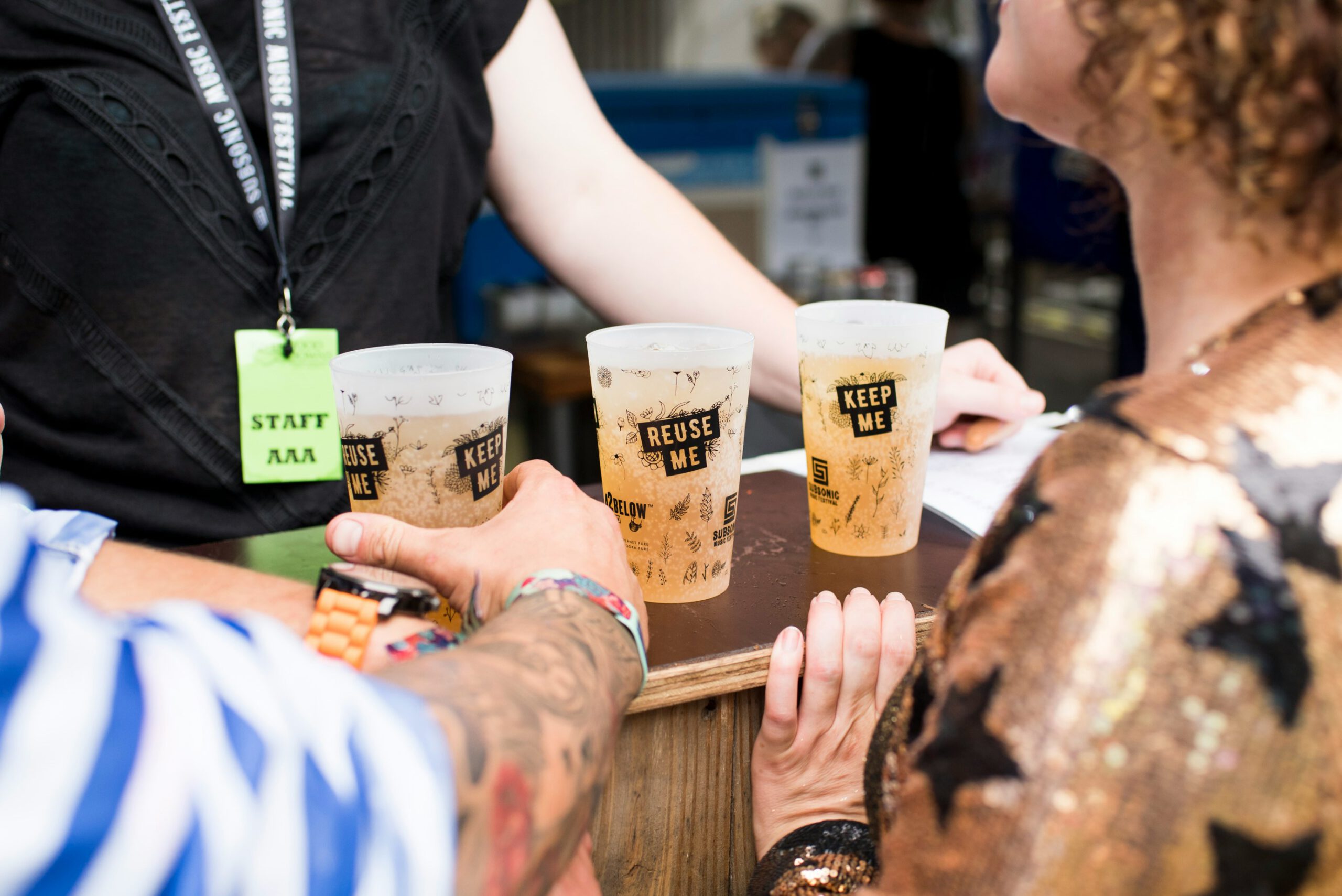
For example, the implementation of reusable tableware, such as the cup-deposit system, made visible changes. Not only did it cut down on waste, but it also made a noticeable difference: participants saw the venue clean at the end of the day. They are becoming part of this positive change, hence realising how easy it is to start the process. Just like that, “each event becomes a platform to educate” explains Liina Kanarbik from BALTIPLAST.
But BALTIPLAST and Change(K)now! do not act only on the day of the event, there are also awareness campaigns taking place through social media with posts, tips, training sessions, finding way to reach all levels. “People become aware, it changes their behaviour”, underlines Aija van der Steina from Change(K)now!. You can check the social media channels of both projects here: Change(K)now LinkedIn & BALTIPLAST LinkedIn.
The specific context of a transnational project within the Interreg Baltic Sea Region also drives this change.
The Interreg approach: the push to initiate the change
The scope of Interreg projects allow partners to work on this transnational topic of circularity on a transnational level: there is a need for joint frameworks to ease the process towards more sustainability in public events. Giving voices to the ones with the actual authority to act on their level, such as municipalities, event organisers and service providers, these Interreg projects are here to make a real change.
The cooperation between Valmiera region, Latvia and Tallinn city, Estonia, as presented by Liga Biezina and Liina Kanarbik, is a very inspiring case of how partners can learn from each other and come out stronger. Estonia had had strong guidelines about reusable dishes for many years. Since January 2024, only reusable dishes are allowed in public events in Estonia. BALTIPLAST project was a way for the city of Tallinn to go even further in the process while spreading good practices. As the project manager, Jelena Babir, puts it, it was a way to “pass on the word” about these practices. Meanwhile, for Valmiera, it was a chance to kickstart a meaningful transition and “begin a major shift”, according to Liga Biezina. Thanks to these Interreg funds, it was possible for the partners to visit each other and see first-hand examples of sustainable practices at public events. The cooperation was made possible.
Beyond transforming public events, the projects have a real impact on partners themselves. Lena Hansen from Green Events Hamburg explains that this project expanded their network and opened up new cooperation. It also allowed them to focus on a specific aspect of sustainability in public events: single-use packaging.
And the change is not just professional, it is also personal! Aija from Change(K)now! even points out that she is now always carrying a reusable cup. In fact, no single-use packaging was used in the meetings of Change(K)now! project: a small but powerful sign of how deeply the project’s values have taken root.
What’s next for a plastic free future
Last year, Change(K)now! participated in the implementation of sustainable practices in FanZone in Hamburg during the Eurocup. Food and drinks were served in reusable glasses and plates, you can watch videos here. Now, the project is gearing up for another active season, with pilots and public events planned in Tallinn, Riga, and Copenhagen.
For BALTIPLAST, this is now the third phase of the project: transferring good practices to others. The reusable cup system introduced last year will be used again at major events such as the Song and Dance Festival in Estonia and the Valmiera City Fest. The goal? Keep raising awareness, event by event.
Both projects are working to turn sustainable practices into everyday. And signs of lasting change are already here, for example in Tallinn, the water-refill bottle stations piloted as part of the project were reused this year without the intervention of the project!
Caring for the planet is a shared commitment, so bring your reusable and be part of a plastic-free region!
More recent news
This September take Cooperation Further!
On 21 September, Interreg Cooperation Day brings projects across Europe out of the meeting room and into the streets. Here’s how your project can join in, and why it’s worth the effort.
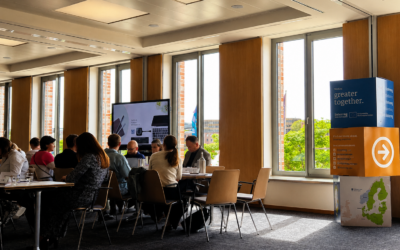
Getting ready to turn ideas into action, new small projects gather in Kiel
25 June 2026 Getting ready to turn ideas into action, new small projects gather in Kiel Written by Anna ZaccaroBefore new projects can create...
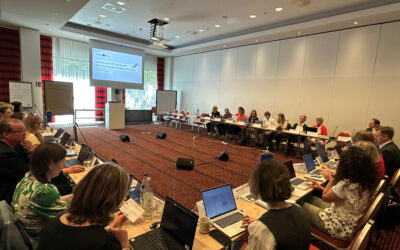
From achievements to ambitions: shaping the future Interreg Baltic Sea Region
While the current Interreg Baltic Sea Region Programme is delivering results across the region, preparations for the next Programme are already gaining momentum. This dual focus was at the heart of the Monitoring Committee meeting held in Berlin on 9–10 June 2026.
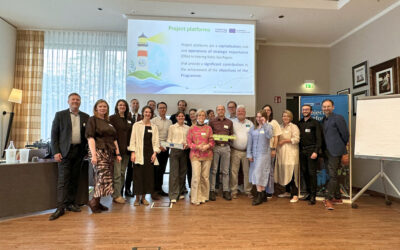
High five: new project platforms onboard!
Five strong transnational partnerships, five strategic topics addressed, and endless opportunities to showcase the power of Interreg: the new project platforms, designated as Operations of Strategic Importance, met for their kick-off meeting in Berlin on 9 June.