




Regional science-policy dialogue launched by EMPEREST
04 February 2026
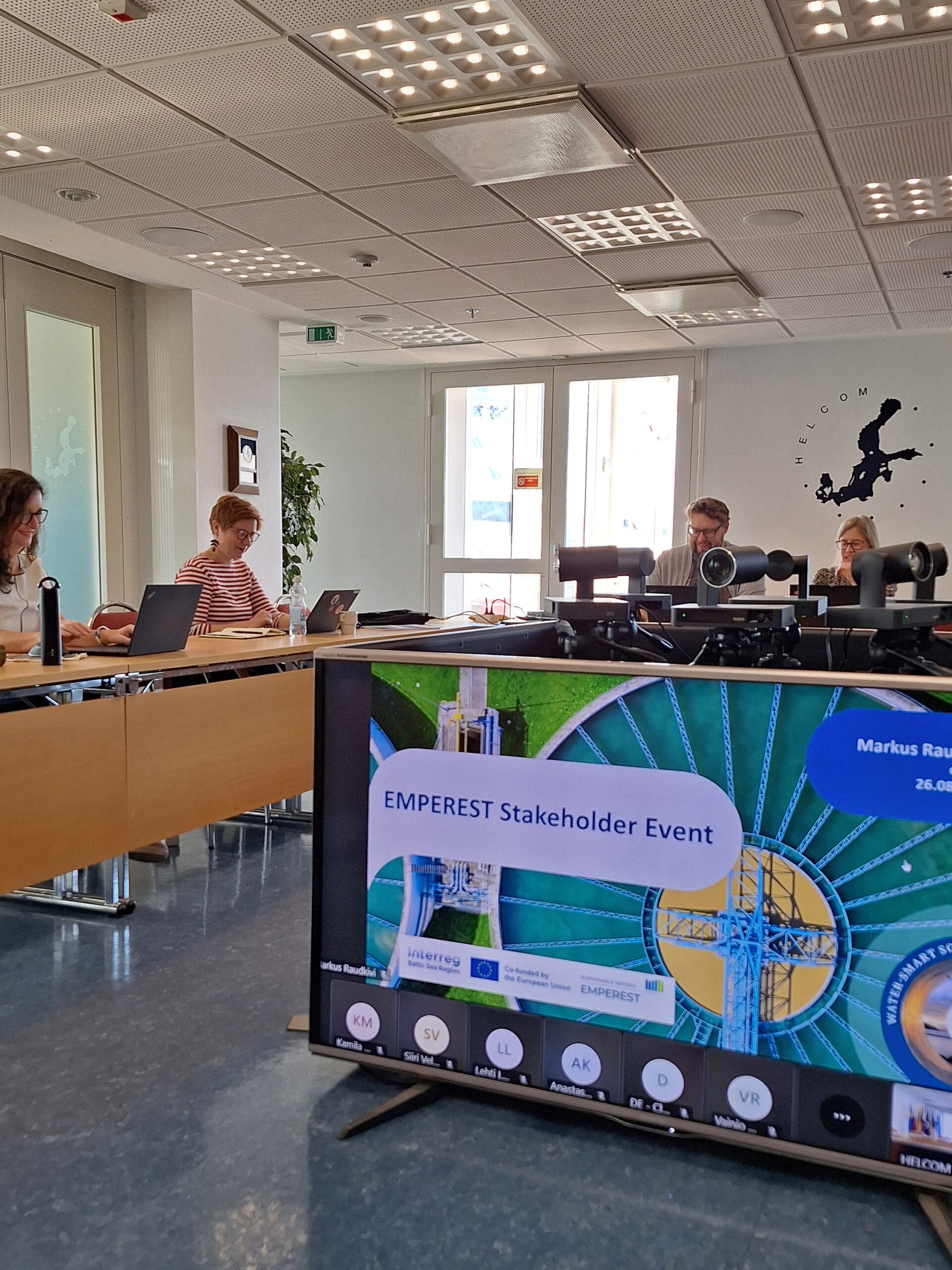
All EMPEREST results have had an immediate impact by reaching the designated target groups: national authorities are now reviewing and adopting parts of the methodological recommendations for PFAS monitoring, local authorities map PFAS hotspots with the dedicated EMPEREST tool, and water utilities can now plan their upcoming major infrastructure investments with support from the project’s extensive testing results.
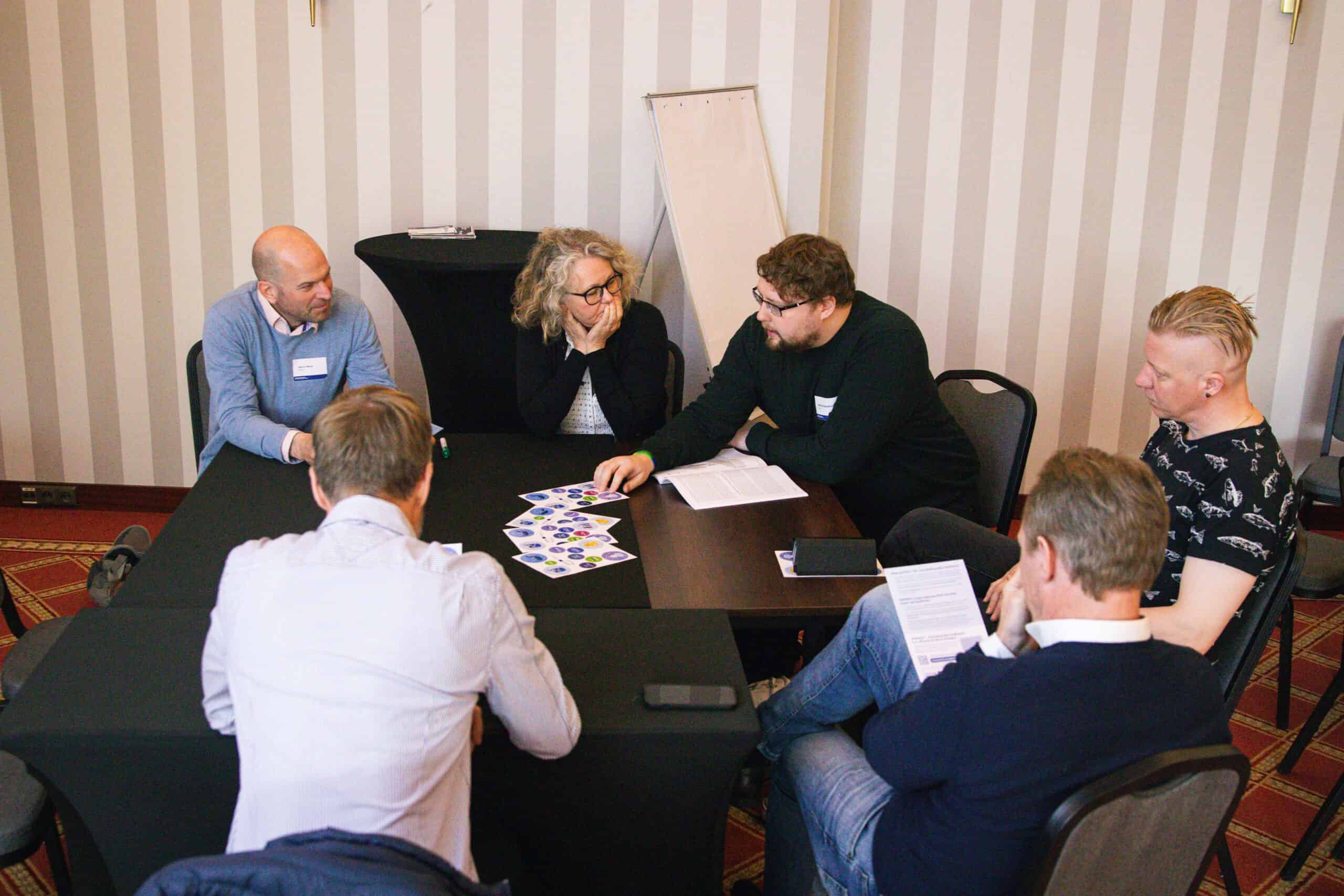
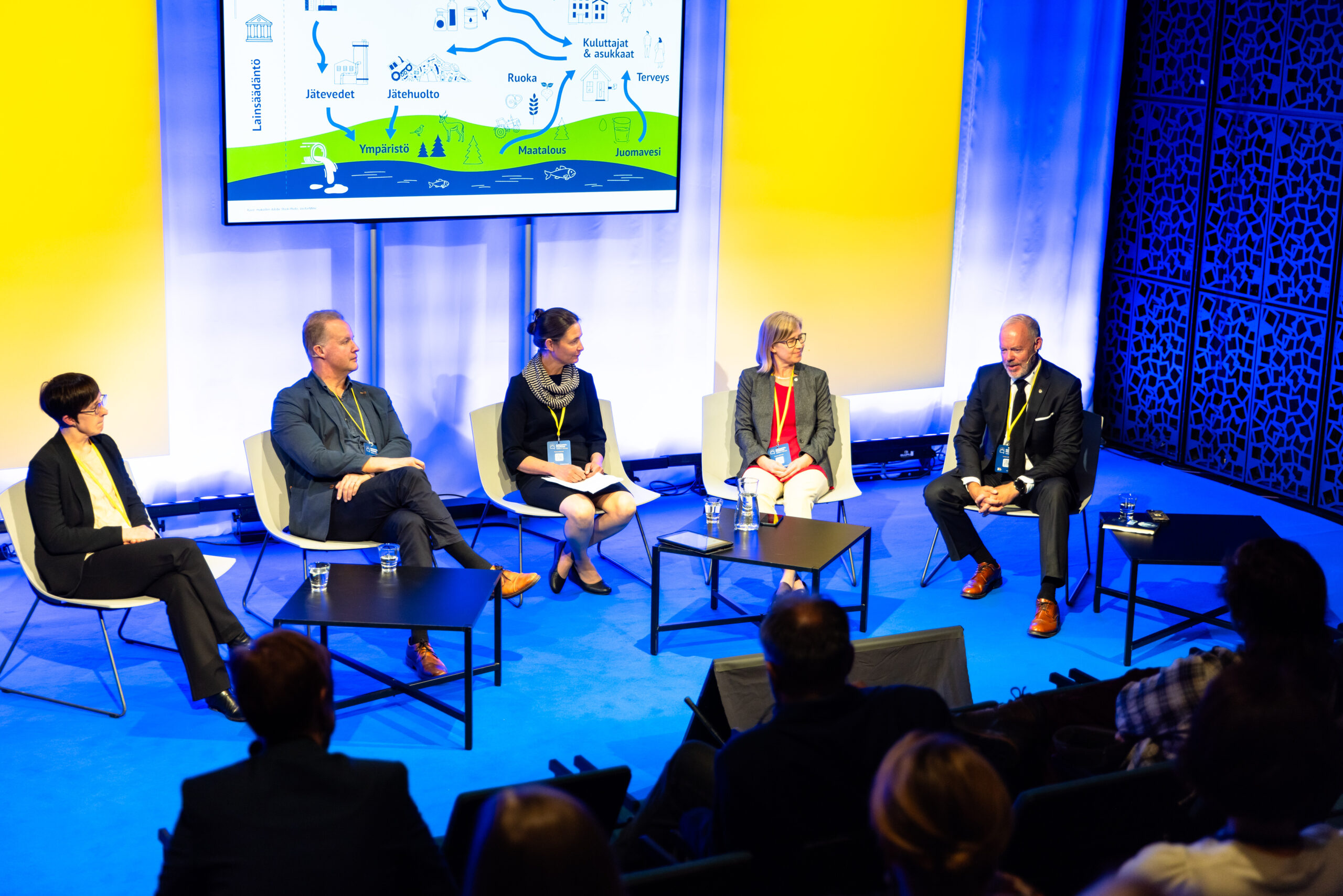
Given the substantial scientific work and data processing carried out in the project, the consortium set out to transfer as much of this knowledge as possible to the political level through the regional science-policy dialogue.
Our joint messages, backed by a strong cross-sectoral consortium, advocate for the necessity of urgent large-scale action on the PFAS group of substances. They showcase empirical evidence of the pollution and help increase general knowledge and awareness of the PFAS-related developments at both regional and global levels.
During the preparation of the EMPEREST project, one of the main issues we expected on the science-policy dialog level was a general lack of awareness and information. Coincidentally, right at the start of the project implementation, PFAS began gaining widespread public visibility, with several large-scale reports and exposés published in a short period. This shift made part of the work on the political level much easier, as with increased interest on the national public authorities and at the international governmental organisations level (HELCOM and OSPAR) came many more opportunities to contribute meaningfully to the regional policy development.
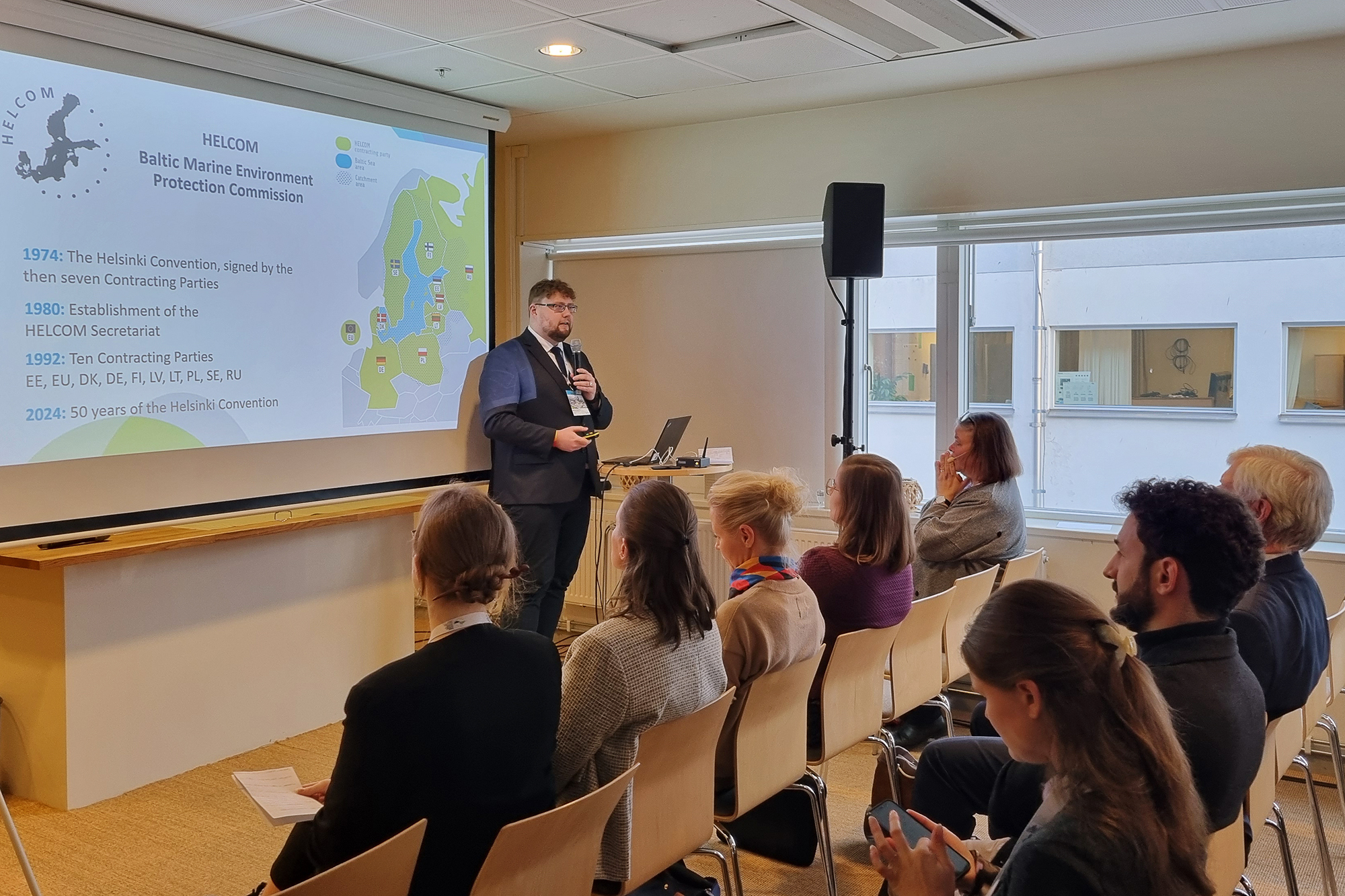
Within HELCOM, EMPEREST provided valuable input to the Baltic Sea Action Plan, especially to the action on developing a strategic approach to hazardous substances, including monitoring, indicators, and priority substances. Thanks to the timely gathering and dissemination of data, the project managed to support a substantially more comprehensive consideration of PFAS. Instead of addressing only PFOS, PFOA or a limited list of a few dozen specific PFAS, the whole group of PFAS was added to the new HELCOM Priority Substances list, which was adopted by HELCOM Contracting Parties on 28 March 2025.
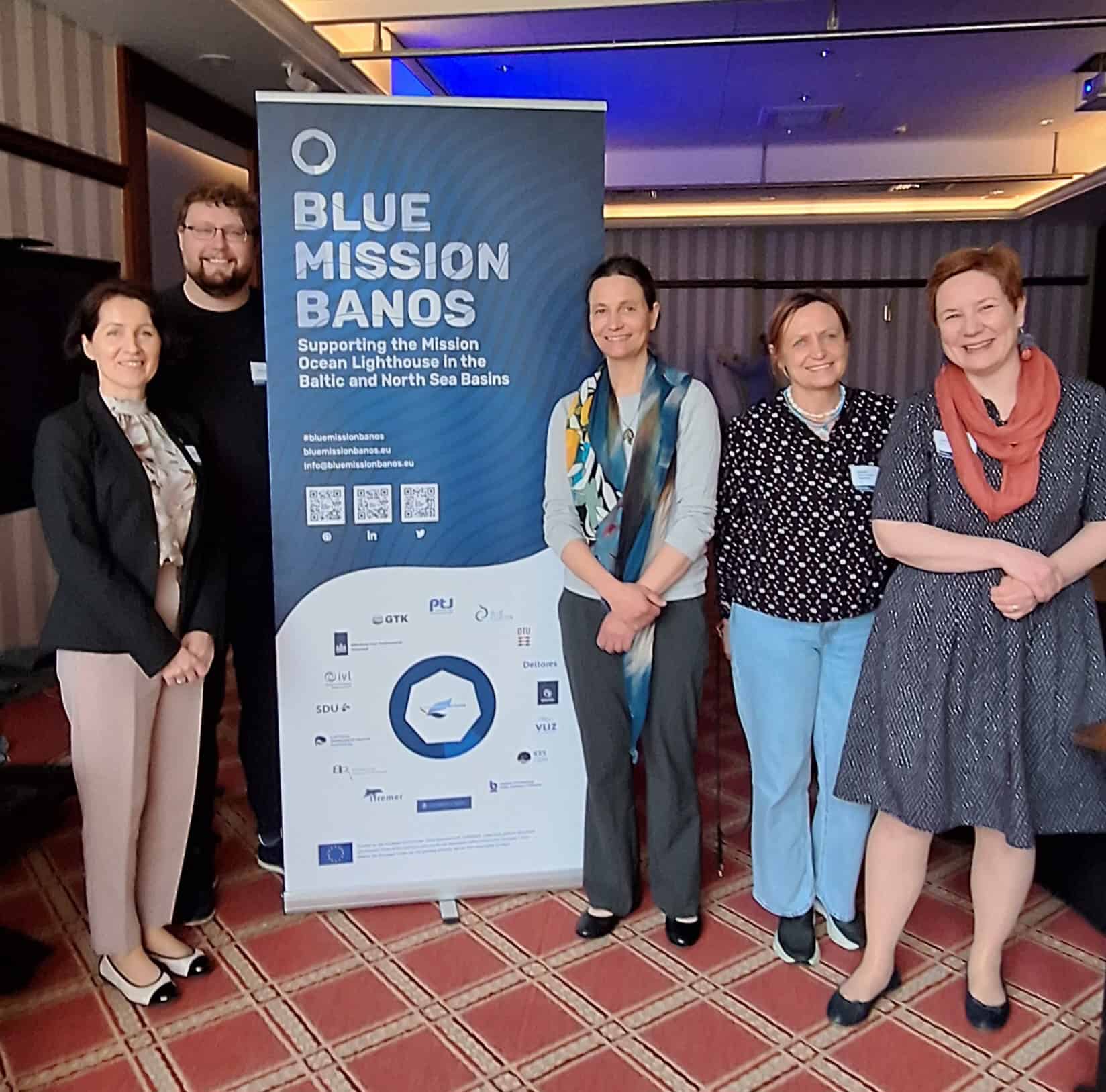
The impact of EMPEREST extended beyond the Baltic Sea Region: our methodological recommendations for PFAS monitoring were even shared with OSPAR Convention (The Convention for the Protection of the Marine Environment of the North-East Atlantic). Representatives from the EMPEREST project were invited to discuss these recommendations in the context of monitoring and assessment at the North-East Atlantic region, and several elements of our assessment approach were also tested in that region.
The new HAZGONE platform is now taking this science-policy dialogue even further. Launched in 2025 and spanning for three years, the platform has already made its mark by proposing ways to strengthen the HELCOM Recommendation 28E/5 on municipal wastewater treatment.
We expect the HAZGONE platform to inherit the regional science-policy mantle from EMPEREST and take several of the processes initiated under this project even further.
Article written by: Markus Raudkivi, Mariia Andreeva



Additional links
details
-
Homepage
-
Project typeCore Project
-
ImplementationJanuary 2023 - December 2025
-
StatusCompleted
-
Contribution to EUSBSRPolicy Area Hazards

-
Target groups
- Infrastructure and public service provider
- Interest group
- International governmental organisation
- Local public authority
- National public authority
-
Social media
-
Additional links
-
Tags