




20 June 2023
24 new ways of shaping the Baltic Sea region
By Anna Gałyga
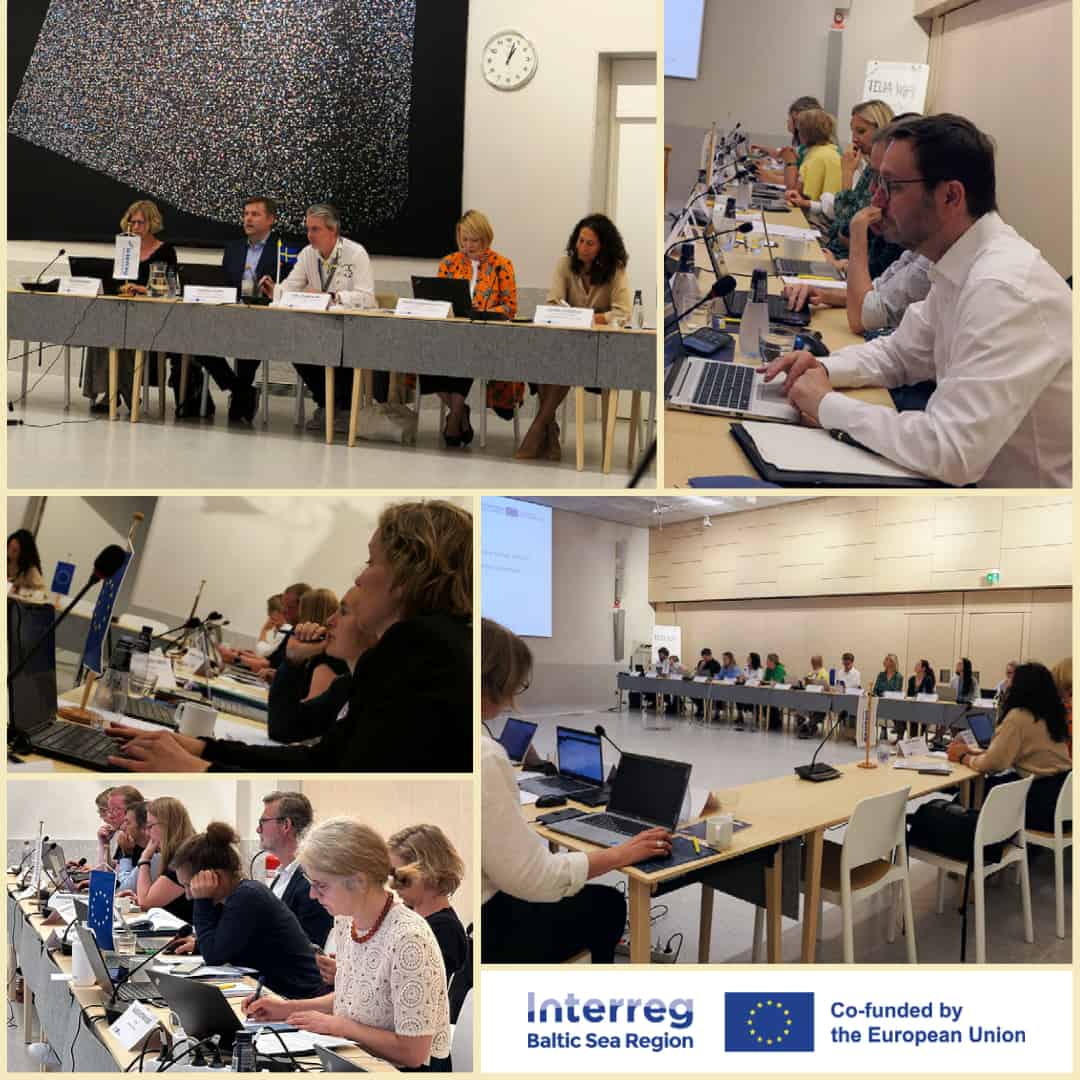
On 19-20 June, members of the Monitoring Committee met in Stockholm to check on the Programme and select new projects for funding. All in all, 24 new projects will receive funding to have their share in shaping the region.
Great ideas to shape the Baltic Sea region!
The highlight of the meeting was the selection of new projects o drive the green and resilient Baltic Sea region. The Monitoring Committee selected 24 projects for funding. All in all, they allocated EUR 65.7 million of the European Regional Development Fund and EUR 1.1 million from the Norwegian funding to the projects.
Chair of the Monitoring Committee, Carl-Johan Klint
“Congratulations to the projects approved! We are glad that we were able to select these new projects which – we hope – will contribute to building our green and resilient Baltic Sea region. We look forward to following the implementation and results of them.”

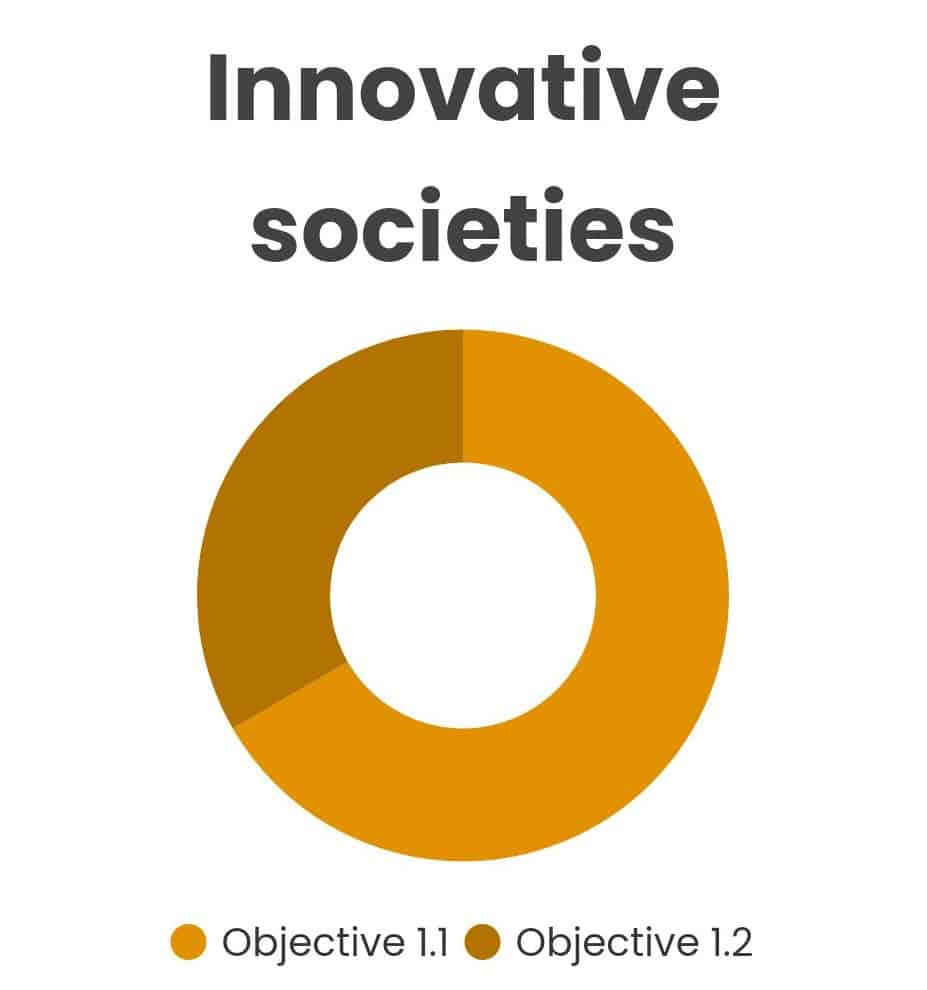
In priority 1 Innovative societies, the Monitoring Committee members approved six projects: four in Programme objective 1.1 Resilient economies and communities and two in Programme objective 1.2 Responsive public services.
The approved projects cover a variety of topics, e.g. internationalisation of enterprises and support to small and medium-sized enterprises, resilience of the music industry, challenges related to the seasonal character of tourism, social innovation or using nature for therapeutic purposes.
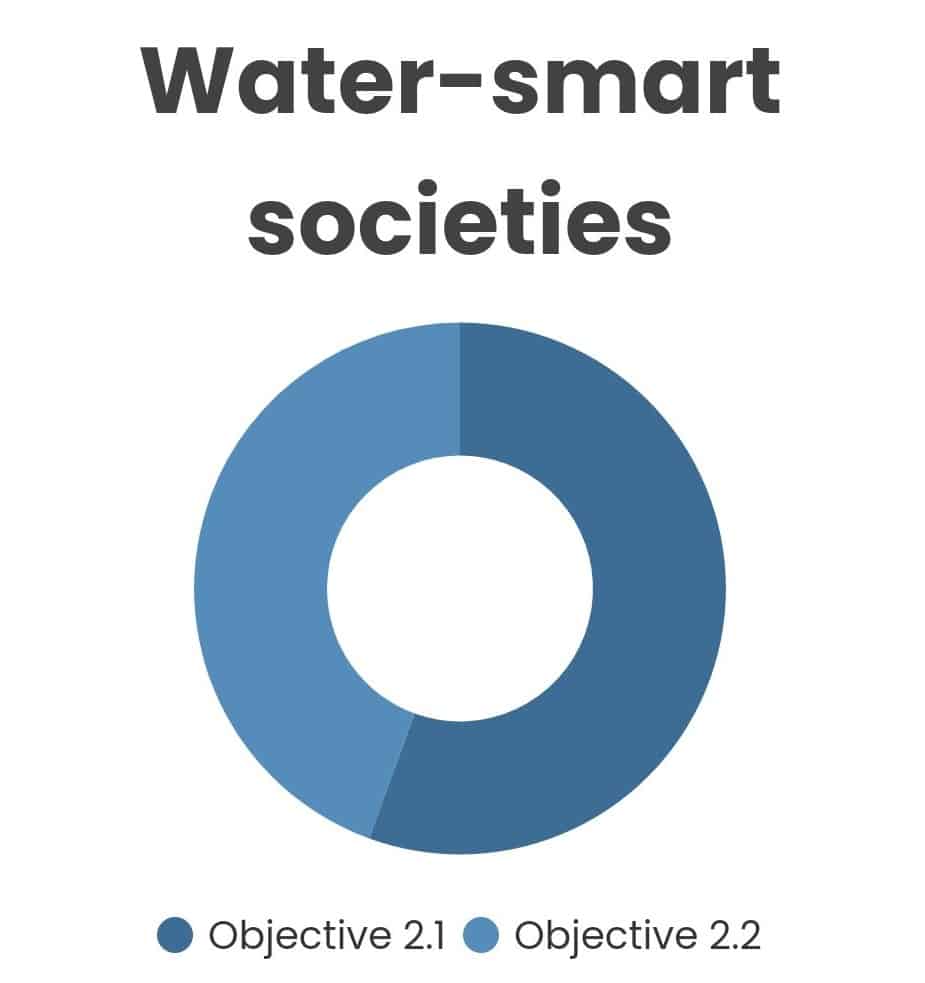
In priority 2 Water-smart societies, the Monitoring Committee members approved nine projects: five in Programme objective 2.1 Sustainable waters and four in Programme objective 2.2 Blue economy.
The selected project will help solve challenges related to e.g. eutrophication of coastal waters, micropollutants, navigation systems, risk management in maritime accidents, and managing urban watershed systems.
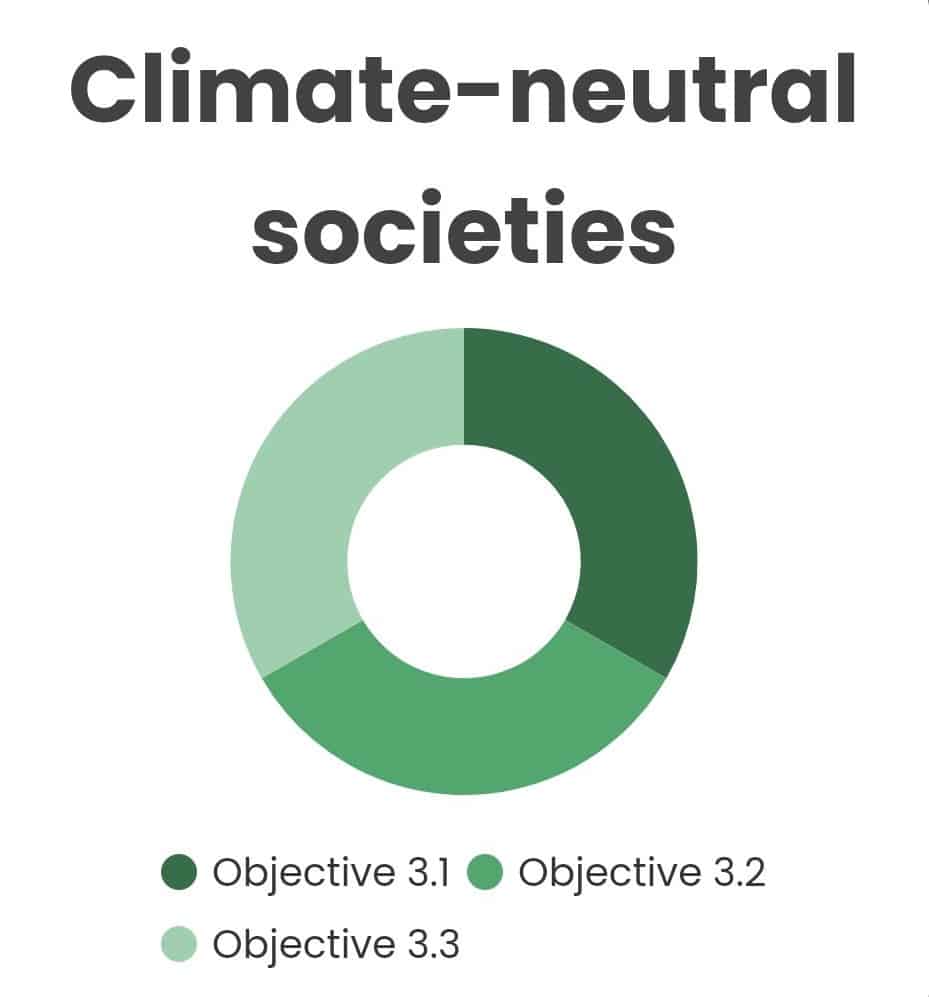
In priority 3 Climate-neutral societies, the Monitoring Committee members approved nine projects: three in Programme objective 3.1 Circular economy, three in Programme objective 3.2 Energy transition and three in Programme objective 3.3 Smart green mobility.
The projects address a variety of challenges in the region e.g. in the circular economy related to food delivery, use of nutrients and new approaches to cultural and creative industries. The projects will also drive the energy transition by establishing energy communities, developing strategic climate actions and improving energy efficiency in public buildings and small companies. The projects also help introduce hydrogen fuel at airports, year-round active mobility and sustainable urban mobility.
The Programme well on track
The fourth Monitoring Committee meeting took place a year after the official adoption of the Programme. In addition to the selection of projects, the Monitoring Committee members took a closer look at the progress in the Programme implementation. The overall conclusion was the Programme is progressing well in achieving the goals set at its start. With the next round of projects approved for funding, the Programme is also advancing well in allocating funds to projects who demonstrate novel ways to bring in the necessary change to the region.
The Monitoring Committee members approved amendments to the Programme Manual which guides both applicants and project partners in their ways in the Programme. They also agreed on the financing of the Managing Authority/Joint Secretariat in the years to come.
Moreover, the Monitoring Committee members discussed the portfolio of all approved projects and put on the table the first ideas for future calls for applications.
©IB.SH
#DidYouKnow
Core projects is the main tool to deliver the change that Interreg Baltic Sea Region aims at. Core projects prepare, pilot and transfer practical and durable solutions to the challenges they choose to tackle. In addition to core projects, the Programme funds small projects that offer a simpler application and implementation processes and in particular address those who have not applied with our Programme before.
More recent news
Continuing the dialogue with the EUSBSR on future transnational cooperation
What should Interreg Baltic Sea Region, as a transnational cooperation programme, address after 2027? As work on the future Programme progresses, dialogue with regional stakeholders helps us further develop the cooperation needs identified by the Programme countries. The EUSBSR is of particular importance in this process, bringing the macro-regional strategic perspective and helping to ensure that future cooperation needs are firmly rooted in the updated EUSBSR Action Plan and its implementation. The opening of the Danish EUSBSR Presidency provided a timely opportunity to bring this perspective into the ongoing Programme development dialogue.