




21 January 2025
Future Interreg should allow cross-sectoral approaches
Written by Eeva Rantama
The Harvesting Report from the stakeholder consultation on transnational cooperation in the Baltic Sea Region post-2027 highlights the need to continue cooperation and take cross-sectoral approaches to tackle the region’s challenges.
300 Respondents through a survey and consultation meetings
To prepare the post-2027 Interreg Programmes, the European Commission invited all Interreg Programmes to run a consultation with their stakeholders about the opportunities, needs and challenges of cooperation in their area. Interreg Baltic Sea Region followed that request and received feedback from 300 representatives of different organisations all around the Baltic Sea region during 2024. The Programme collected the feedback through an online survey, consultation interviews, and a workshop at the EUSBSR Annual Forum in Visby, together with the Central Baltic Programme.
Cross-sectoral approaches and capacity building needed
The consultation outcomes highlighted the need to sustain transnational cooperation in the Baltic Sea region. They further showed that the multifaceted societal and environmental challenges in the region cannot be resolved through interventions by actors representing a single thematic field. The post-2027 interventions of the Programme should take a cross-sectoral approach allowing integrated place-based interventions.
The main thematic fields for which the respondents identified the need for transnational cooperation support the region’s transition toward greater resilience and security as well as a greener and climate-neutral region. Joint capacity-building should continue to be a cornerstone in future transnational activities to achieve these goals.
What works well in Interreg Baltic Sea Region and where the challenges are
The features of the Programme that the stakeholders appreciated should be continued and further strengthened. These are, in particular, the focus on cooperation activities of organisations on the local and regional level, project types enabling capacity building and piloting, the broad variety of Programme communication tools and the use of simplified cost options to reimburse the costs of the project partners.
The need for improvements in the Programme implementation was taken up as well. These relate in particular to further simplification of procedures and making access to cooperation easier for small organisations and new target groups, in particular youth.
The Programme bodies thank all participants who committed their time to giving feedback on transnational cooperation in the region. The consultations’ outcomes provide a strong basis for further discussion about the future Interreg Baltic Sea Region.
More details about the consultation outcomes you can find in the report here: Consultation of Stakeholders for Interreg post-2027 | Interreg Baltic Sea Region
Don’t miss these links
More recent news
This September take Cooperation Further!
On 21 September, Interreg Cooperation Day brings projects across Europe out of the meeting room and into the streets. Here’s how your project can join in, and why it’s worth the effort.
Getting ready to turn ideas into action, new small projects gather in Kiel
25 June 2026 Getting ready to turn ideas into action, new small projects gather in Kiel Written by Anna ZaccaroBefore new projects can create...
From achievements to ambitions: shaping the future Interreg Baltic Sea Region
While the current Interreg Baltic Sea Region Programme is delivering results across the region, preparations for the next Programme are already gaining momentum. This dual focus was at the heart of the Monitoring Committee meeting held in Berlin on 9–10 June 2026.
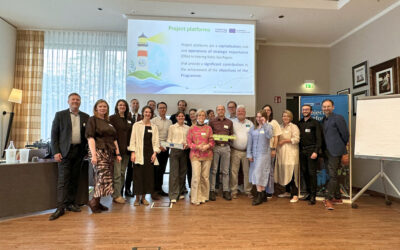
High five: new project platforms onboard!
Five strong transnational partnerships, five strategic topics addressed, and endless opportunities to showcase the power of Interreg: the new project platforms, designated as Operations of Strategic Importance, met for their kick-off meeting in Berlin on 9 June.