




10 December 2025
Designing Interreg Baltic Sea Region that belongs to everyone
Written by Eeva Rantama
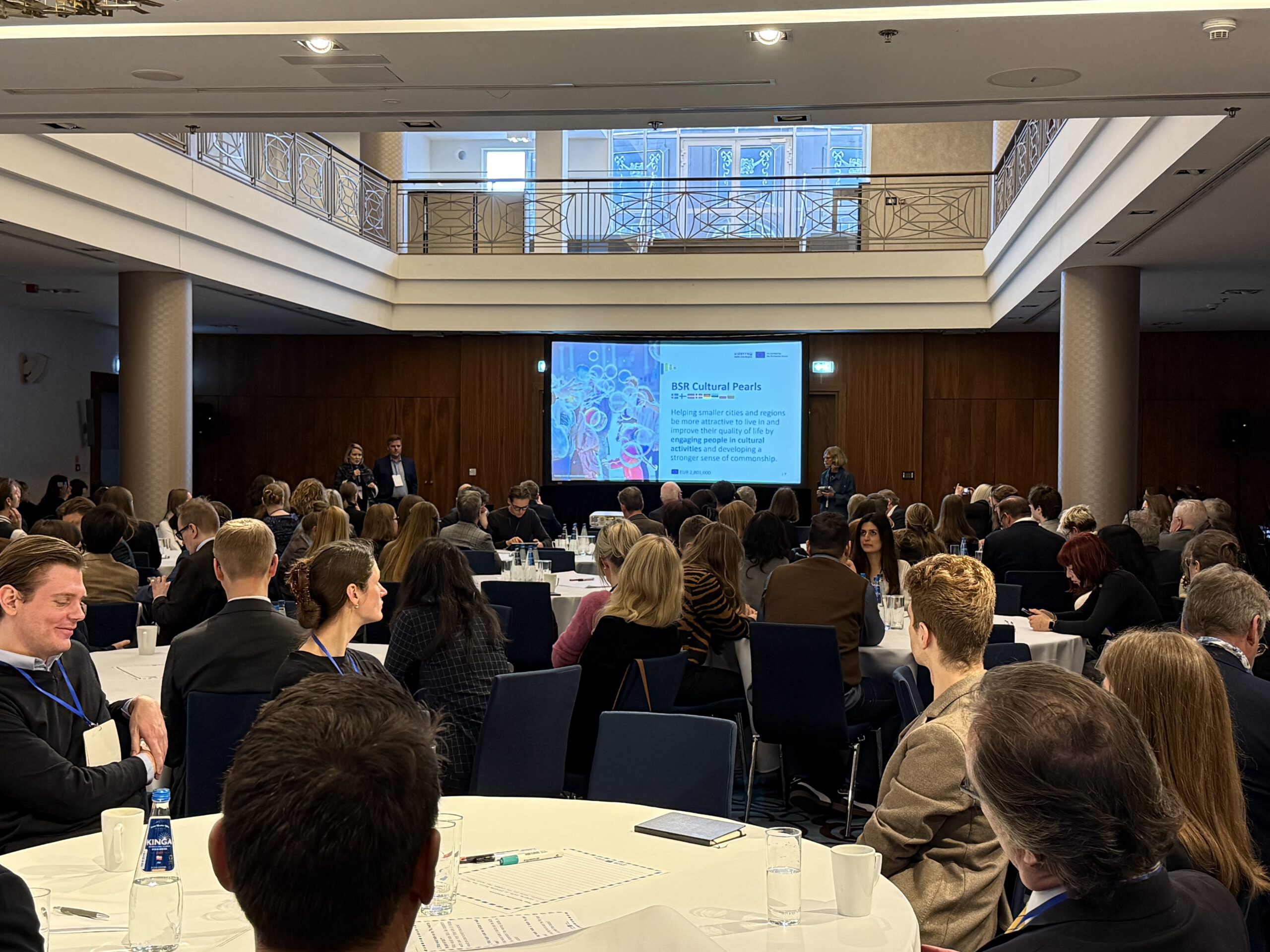
What if the next Interreg Baltic Sea Region post-2027 was built to include everyone – by design? At the BSSSC Day of Cities and Regions on 28 October 2025 in Sopot, 170 participants, including 50 youth representatives, explored how the Programme could become more approachable, especially for small municipalities and young people.
Letters to the Monitoring Committee: Messages for Change
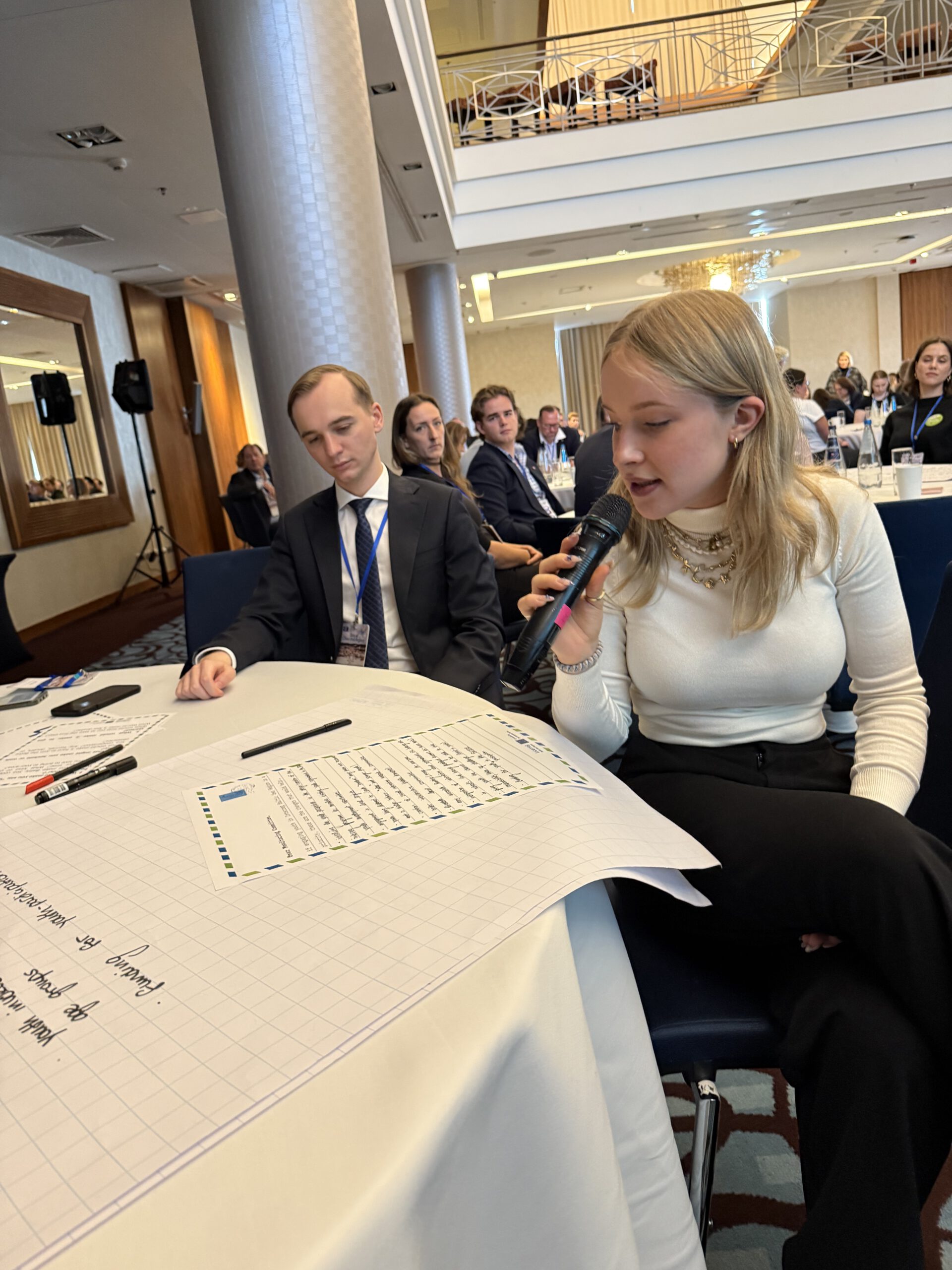
What needs to change for small municipalities and youth to engage more easily in Interreg Baltic Sea Region? The moderators could sense the eagerness of the participants to share their ideas. Around lively round tables, participants exchanged experiences, frustrations, and hopes, concluding them in 16 letters addressed to the Programme’s Monitoring Committee. Each letter captured concrete proposals for a more accessible and user-friendly Programme for small municipalities or youth.
Practical outcomes from projects important for small municipalities
Unsurprisingly, reducing administrative burden was high on the agenda in letters taking a small municipal perspective. Regional or national brokers supporting municipalities could also be of help in partner search and understanding programme requirements. Smaller project types, concrete pilot activities, and clearer translation of results into local action plans would make participation of small municipalities more manageable and meaningful. Focusing on local context and practical outcomes from the projects are important. Showcasing municipalities that have successfully used international cooperation to strengthen local work could inspire and empower others to join.
©IB.SH
Youth want to be taken seriously and engaged meaningfully
Letters focused on youth participation echoed similar calls for simpler language and procedures. Funding should be easily accessible and designed for small-scale youth initiatives. Youth connect best when activities are local, hands-on, and relevant to their everyday lives. Dedicated funding would be needed for travel, training and youth positions in projects. Youth want to be taken seriously. When young people are the target group, their involvement should be made a clear requirement in programme design, project development, and decision-making. The letters also stressed the importance of visibility.
Interreg should be more present in places where young people already are, such as schools, NGOs, and local communities, with communication designed specifically for young audiences. Inviting students to experience project results firsthand could further spark interest and engagement.
The Monitoring Committee kicked off the new Programme preparation
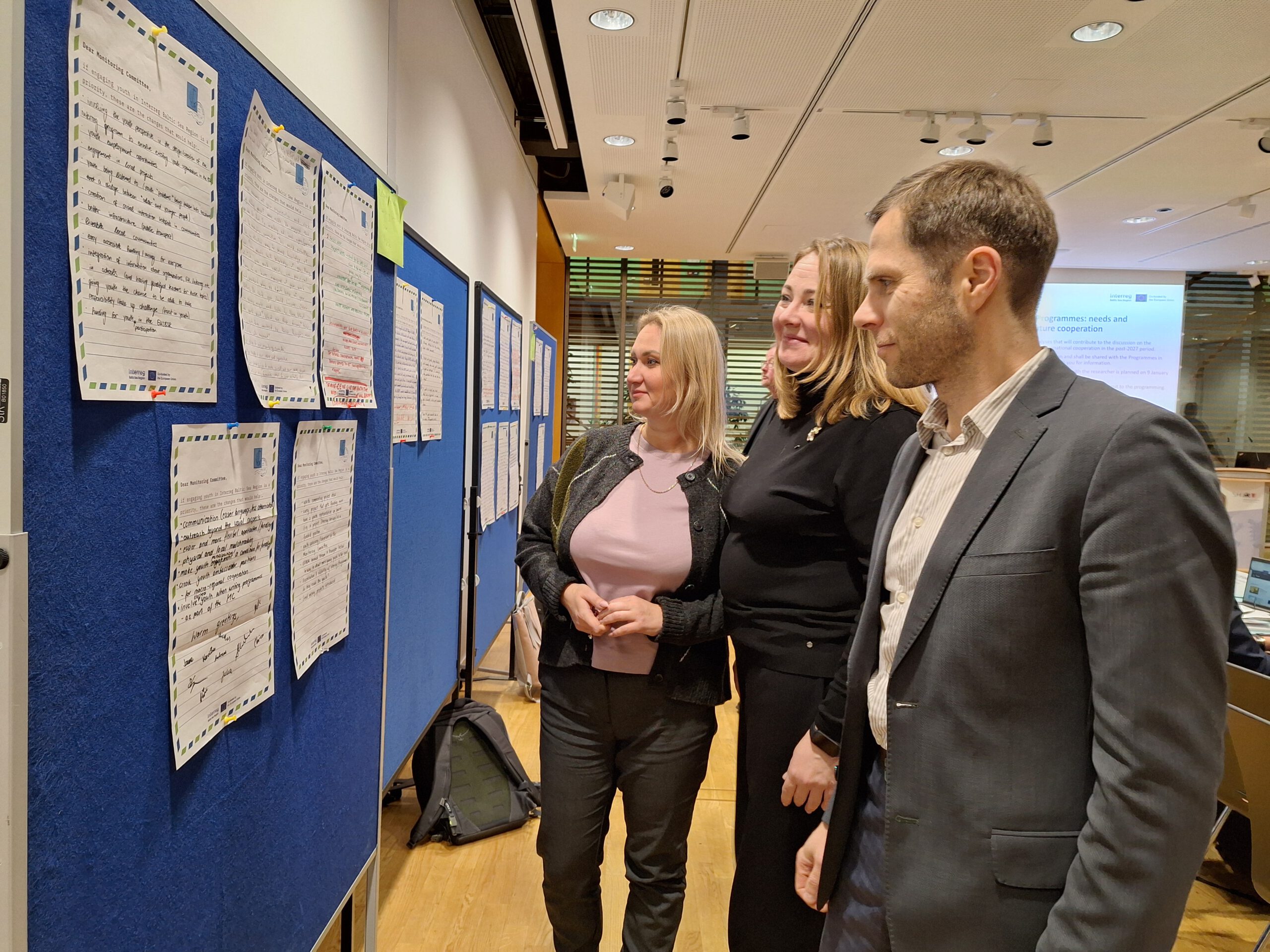
A few weeks after the Sopot workshop, the Monitoring Committee of Interreg Baltic Sea Region kicked off the development of the future Programme post-2027. The letters from the workshop lined the meeting room wall for the Committee Members to study and draw inspiration from.
©IB.SH
At this early stage of programming, the Monitoring Committee focused on reviewing the values of Interreg Baltic Sea Region and exploring possible thematic orientations. The resilience of regions emerged as the central topic for the future. The Members agreed that resilience grows strongest from the bottom up through active, empowered communities. The inclusion of different places and groups of people is vital. Fostering a sense of belonging to the Baltic Sea Region, particularly among youth, was highlighted.
The legal framework for the future Cohesion Policy programmes is still under development. The Monitoring Committee and the MA/JS sincerely hope that the forthcoming regulations for Interreg will allow for flexible approaches that engage diverse communities at the local level. The Programme bodies have begun shaping the first proposals for the next period. These will be thoroughly discussed with stakeholders over the coming two years as the new Programme is prepared. Stay tuned—new information will start appearing on the Programme website early next year.
Check these links
More recent news

Shaping the Programme’s future with care
With the current Programme in full swing and the last tranches of EU funds allocated, Interreg Baltic Sea Region is already looking ahead to the next programming period. Are you ready for what comes next?

Boarding complete: last projects selected for funding
On 24–25 March 2026, Interreg Baltic Sea Region Monitoring Committee members met in Tallinn to take stock of the Programme’s progress and, for the final time in this programming period, select new projects for funding.

New season, new standards: how to make your event more sustainable
Public events bring people together, and they also offer powerful opportunities to act more sustainably. As we look ahead to the upcoming event season, we are exploring how festivals and fairs can reduce their footprint while keeping the fun intact.

Grand results of the first round of small projects!
Despite the winter scenery, the results of 17 finalised Interreg Baltic Sea Region projects are in full bloom! And behind them lie two years of intensive work across borders, mutual learning and inspiration, and connections that last.