




A Collaborative Approach to Stream Restoration in Jönshytteån
12 August 2026
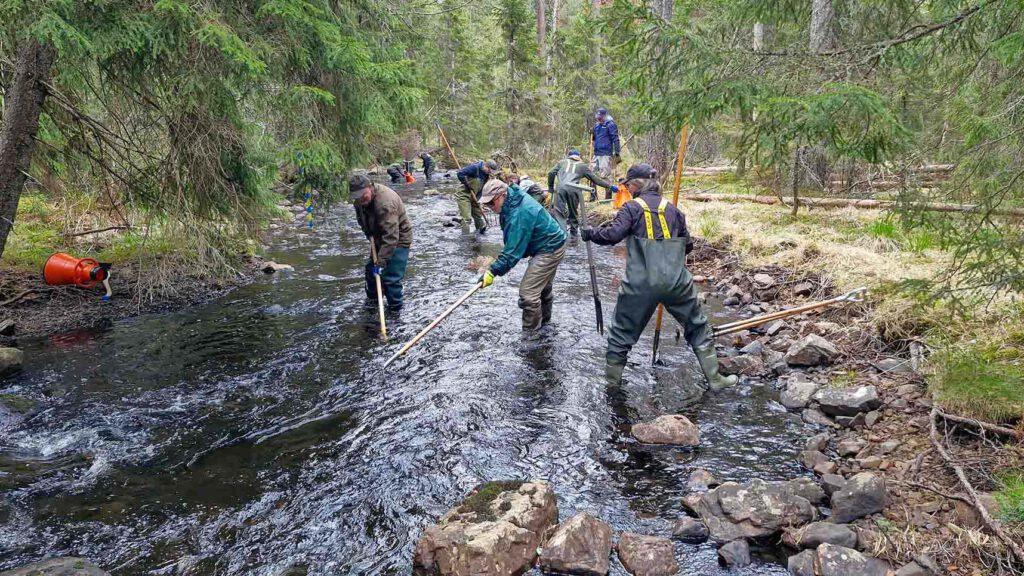
Volunteers loosen gravel and construct spawning beds for trout in the Jönshytteån stream. Photo: Magnus Pamp
Biosphere Reserve Nedre Dalälven has established Jönshytteån as a learning site for stream restoration and ecological education. The initiative demonstrates how nature-based solutions can support biodiversity, strengthen ecosystems, and engage local communities.
Restoring Habitat for Brown Trout
Brown trout depend on clean, oxygen-rich gravel beds for spawning. Over time, sediment and organic matter can clog and harden these habitats, making successful reproduction more difficult.
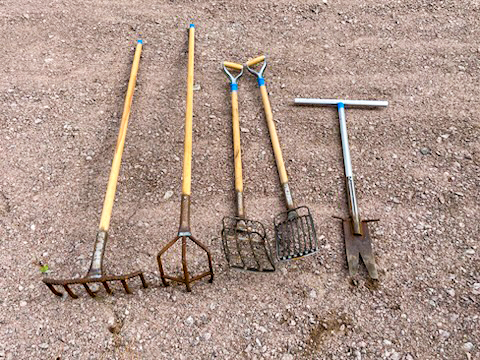
Hartijoki tools for manual restoration of fish spawning and nursery habitats juvenile rearing habitats in running waters. Photo: Mikael Melin
During practical restoration days in spring 2025, volunteers worked alongside experts from the County Administrative Board of Dalarna and Säter Fishery Conservation Association (FVOF). Using manual restoration techniques and Hartijoki tools, volunteers loosened compacted streambeds, moved stones, and improved spawning and nursery habitats for trout.
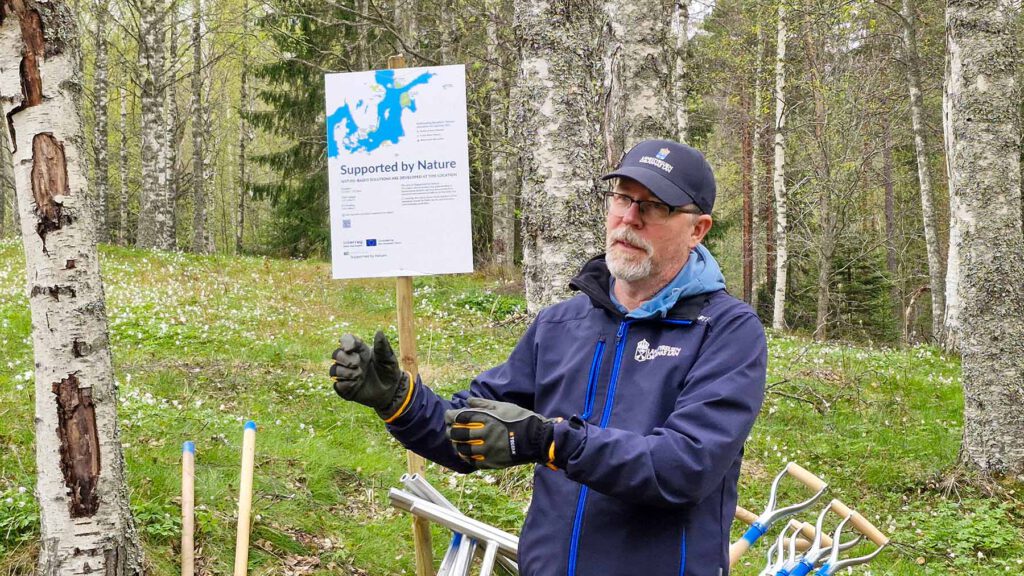
Mikael Melin of the County Administrative Board of Dalarna demonstrating the Hartijoki restoration tools. Photo: Magnus Pamp
“Giving people the opportunity to restore trout spawning habitats themselves helps them understand how important these environments are,” said Mikael Melin of the County Administrative Board of Dalarna. “Simple measures can make a significant difference for life in the water.”
Monitoring Fish Populations
Understanding whether restoration efforts are successful requires ongoing monitoring.
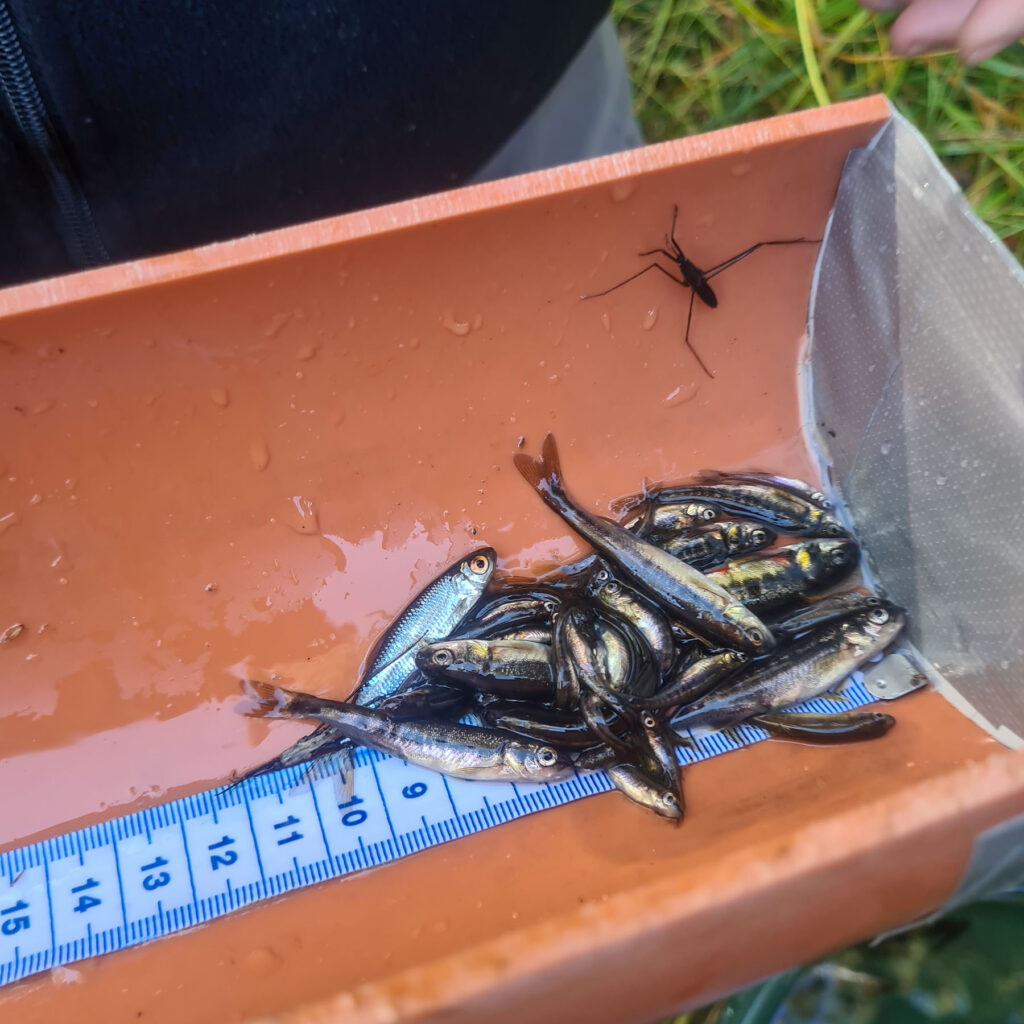
Roach and minnows caught during an electrofishing survey. Photo: Magnus Pamp
In autumn 2024, electrofishing surveys were conducted in Jönshytteån. The surveys recorded species including European minnows, while previous surveys in other parts of the stream had documented brown trout. Future monitoring will help determine how fish populations respond to the restoration measures.
The project is also using environmental DNA (eDNA) analysis. Water samples contain tiny traces of genetic material left behind by fish and other organisms. By analysing these samples over time, researchers can identify which species are present and track changes in biodiversity.
According to Karl Lundén, researcher and environmental assessment specialist at the Swedish University of Agricultural Sciences (SLU), eDNA complements traditional electrofishing and may reveal species that are otherwise difficult to detect.
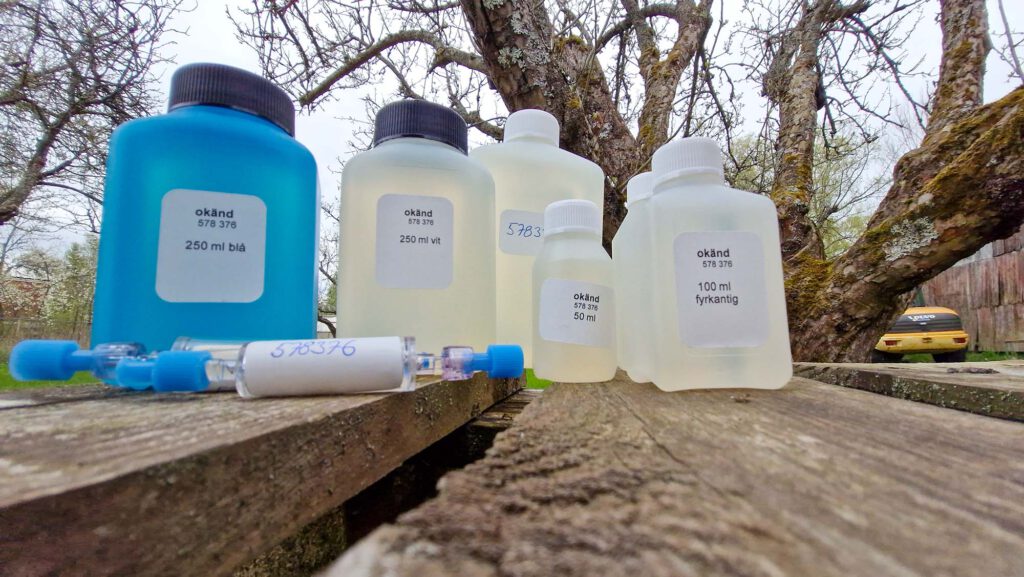
When taking water samples, it is important to ensure that the samples are not contaminated. Photo: Magnus Pamp
Restoration Requires Collaboration
Stream restoration affects many stakeholders and therefore depends on careful planning, dialogue, and permits.
Before restoration work began in Jönshytteån, project partners consulted landowners, the local road association, and the regional hydropower company. Because the area contains valuable cultural heritage remains dating back to the medieval iron-making era, the restoration plans were also submitted to the County Administrative Board, which approved the proposed habitat improvements.
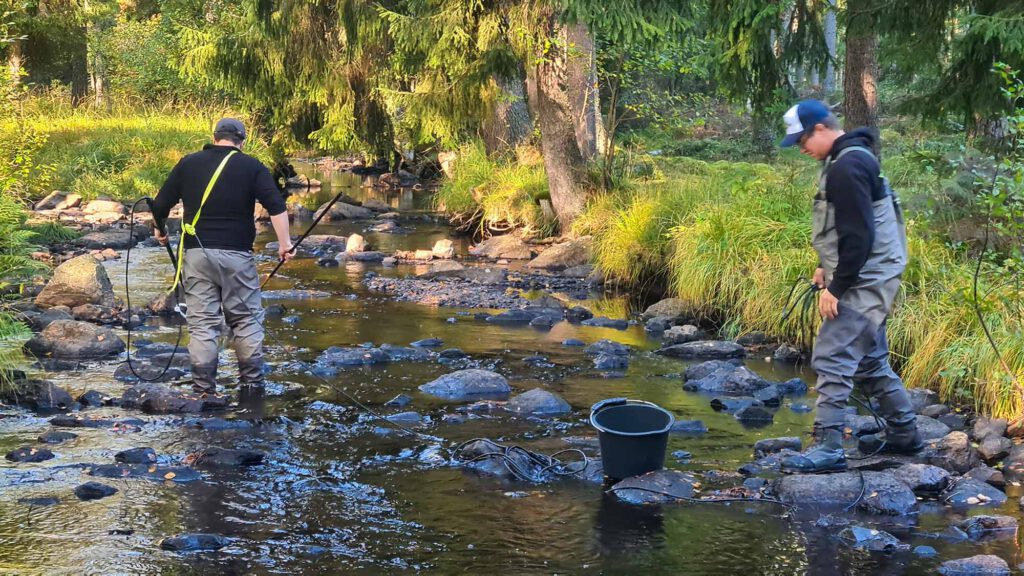
Electrofishing surveys in the Jönshytteån stream are conducted to help determine how fish populations respond to the restoration measures. Photo: Magnus Pamp
Learning from the Landscape
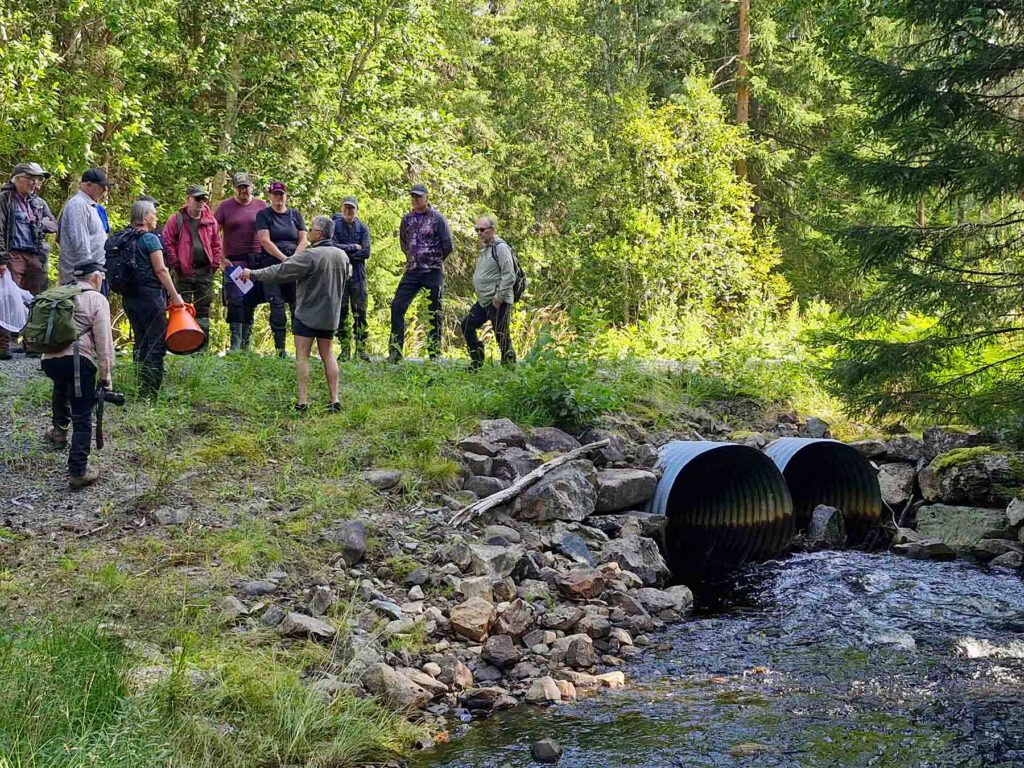
In August 2025, the learning site hosted a stream walk led by Ulf Ljusteräng, Chair of Säter Fishery Conservation Association. Participants explored how human activities have altered the stream over centuries. They observed channel modifications, reinforced banks, blocked side channels, road culverts, and other changes affecting water flow and aquatic habitats.
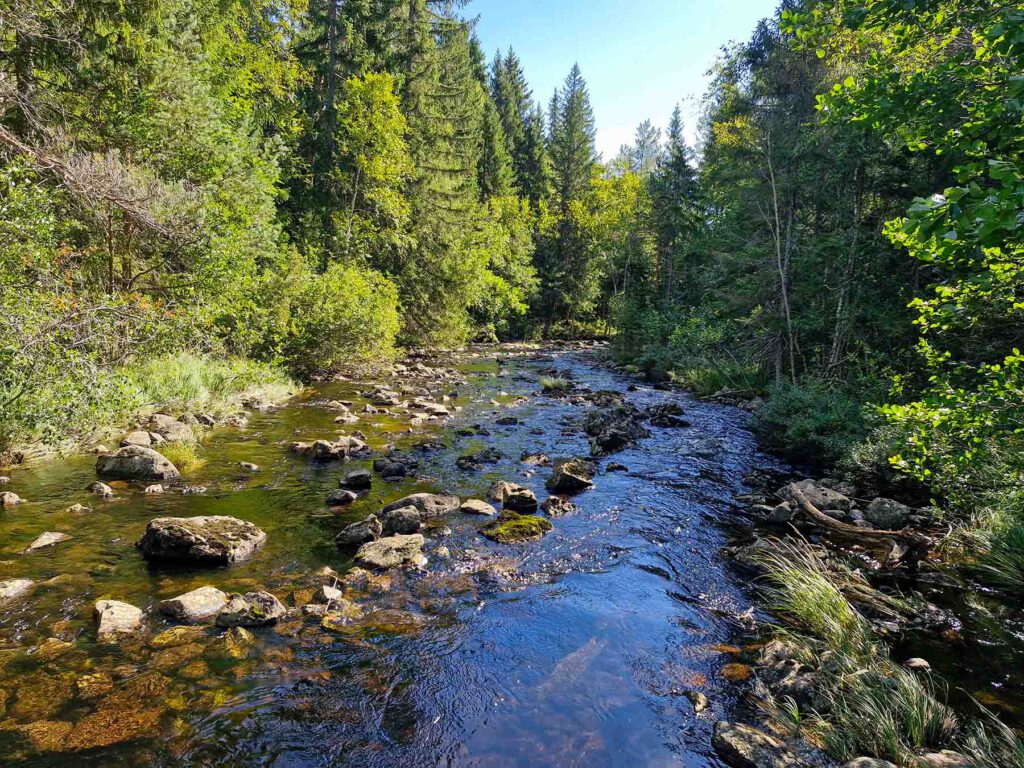
A stone-lined channel can be clearly seen in the water. Photo: Magnus Pamp
The event also highlighted the close connection between streams and surrounding forests. Participants learned about the importance of riparian vegetation, shading, dead wood, and habitat diversity for maintaining healthy freshwater ecosystems.
Entomologist Lars-Ove Wikars discussed insects associated with moist environments and explained how climate change and habitat loss are contributing to declines in some species.
Inspiring the Next Generation
The learning site has also proven successful in engaging young people.
In October 2025, a group from the Swedish youth environmental organisation Nature and Youth Sweden participated in a hands-on restoration day. Several participants highlighted how valuable it was to see the effects of human impacts on waterways firsthand and to learn practical methods for ecological restoration.
Many noted that restoration often seems complex, yet effective measures can sometimes be surprisingly simple.
The event demonstrated the importance of combining knowledge-sharing with practical experience to inspire future environmental professionals, conservationists, and volunteers.
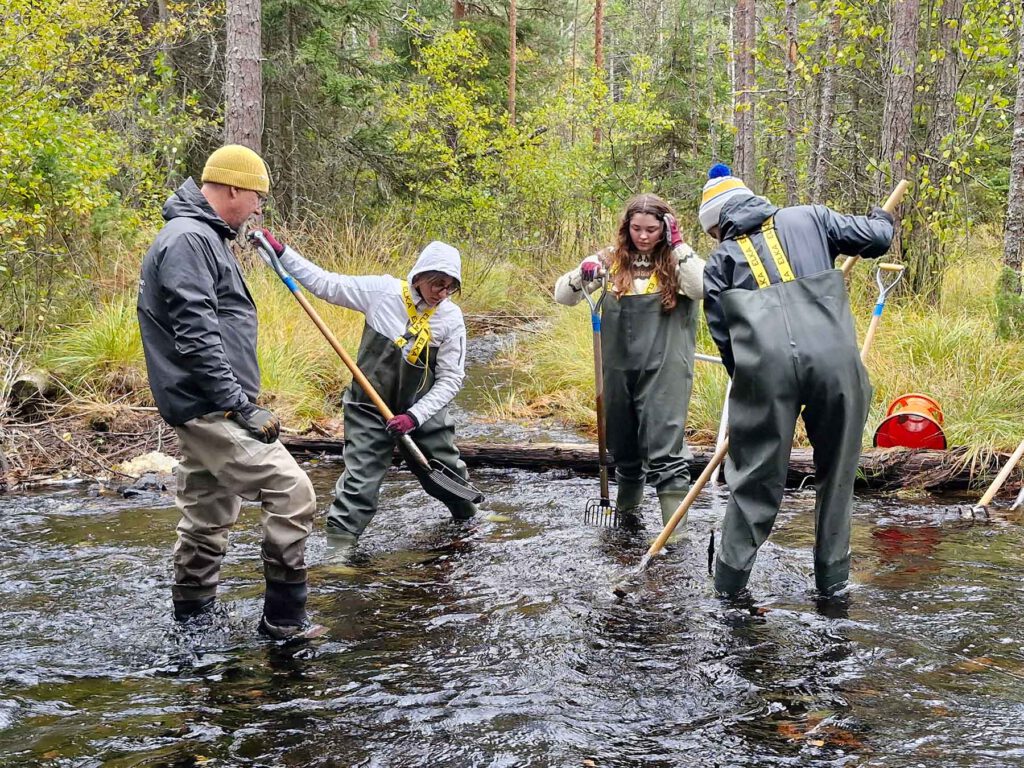
Restoration often seems complex, yet effective measures can sometimes be surprisingly simple. Hands-on restoration by volunteers from Nature and Youth Sweden. Photo: Magnus Pamp
Connecting People and Nature
By bringing together scientific knowledge, local expertise, and public engagement, Jönshytteån demonstrates how nature-based solutions can help restore freshwater ecosystems while strengthening people’s connection to nature.
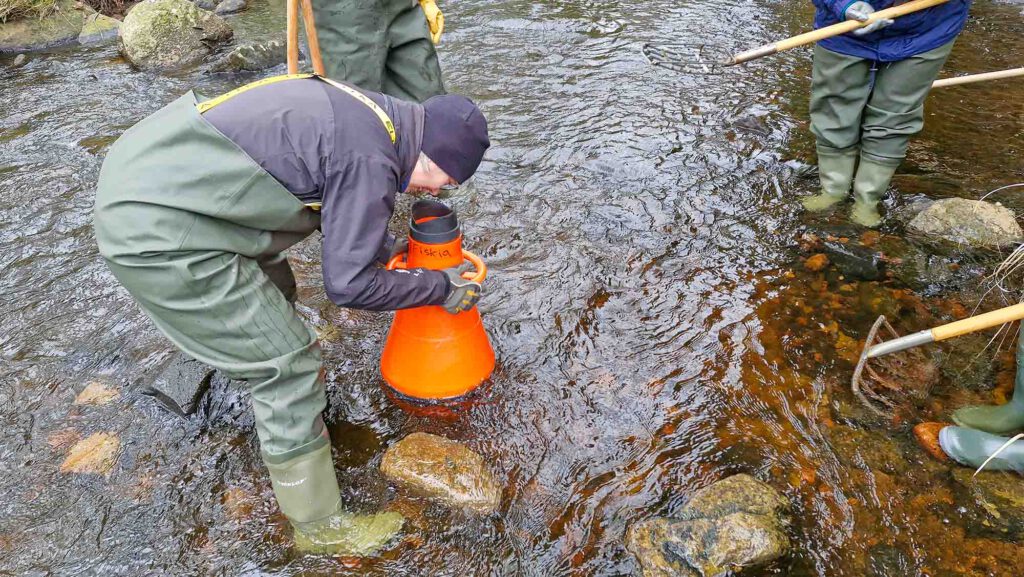
Experiencing nature firsthand encourages curiosity and active engagement. Photo: Magnus Pamp
Learn more
Learn more about the activities and view a wide range of photos (pdf 1,9 MB, in Swedish)
Learn what Biosphere Reserve Nedre Dalälven is doing within the Supported by Nature project (in Swedish)
Learn more about the Biosphere Reserve Nedre Dalälven (in Swedish)

Additional links
details
-
Homepage
-
Project typeCore Project

-
ImplementationNovember 2023 - October 2026
-
StatusOngoing
-
Contribution to EUSBSRPolicy Area Nutri

-
Target groups
- Higher education and research institution
- Interest group
- Local public authority
-
Social media
-
Additional links
-
Tags