




One challenge, many perspectives: learning from the first Sense BSR partner visit
22 September 2026
Looking at services from the user’s perspective
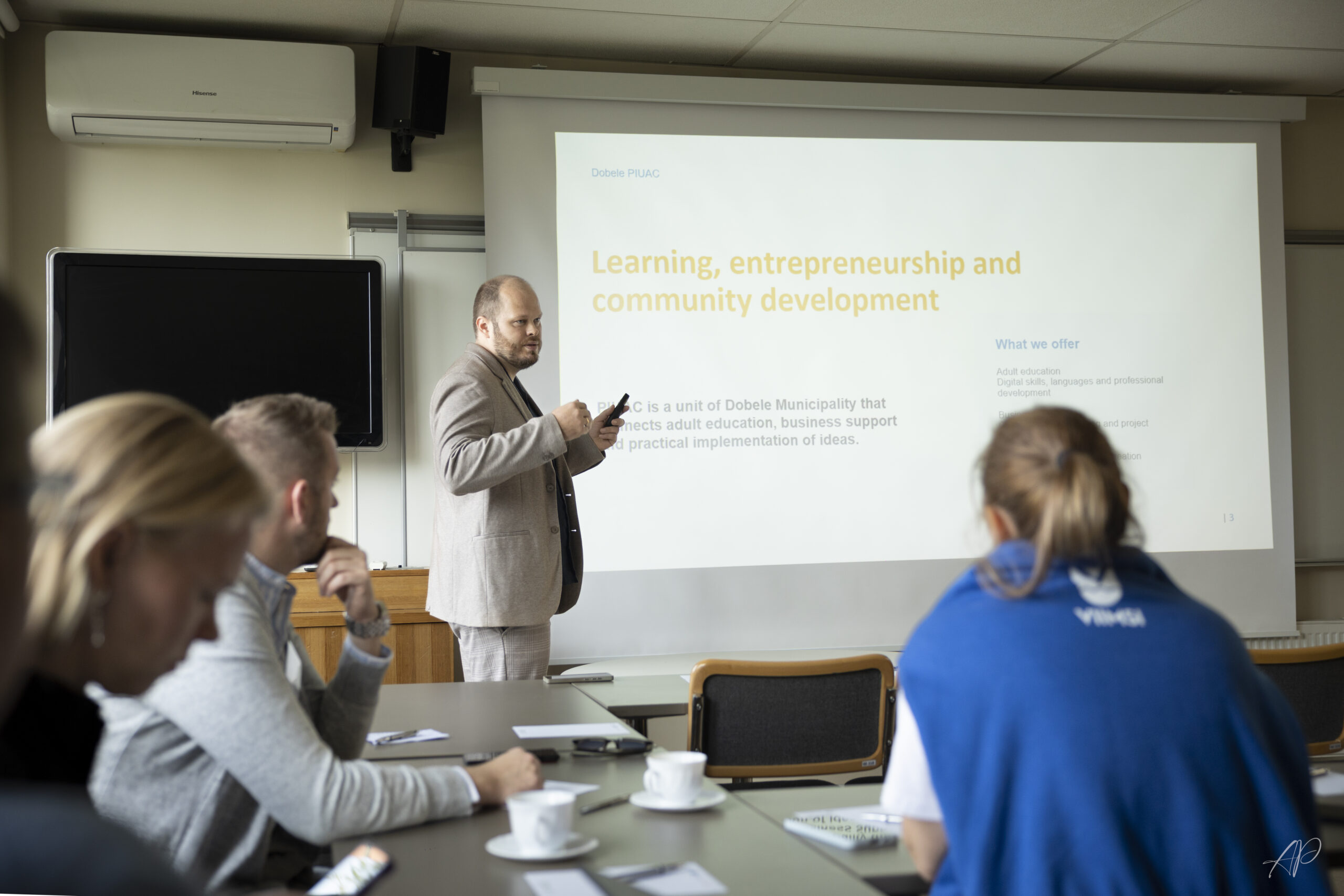
One of the key questions explored during the visit was: how can services be designed so that neurodivergent people can use them more independently? Expert discussions covered different aspects and solutions, from individual support, adaptive communication and understanding each person’s needs to the physical design of services and environments. Such desired services should allow and enable people to participate together, rather than separate them because of their needs.
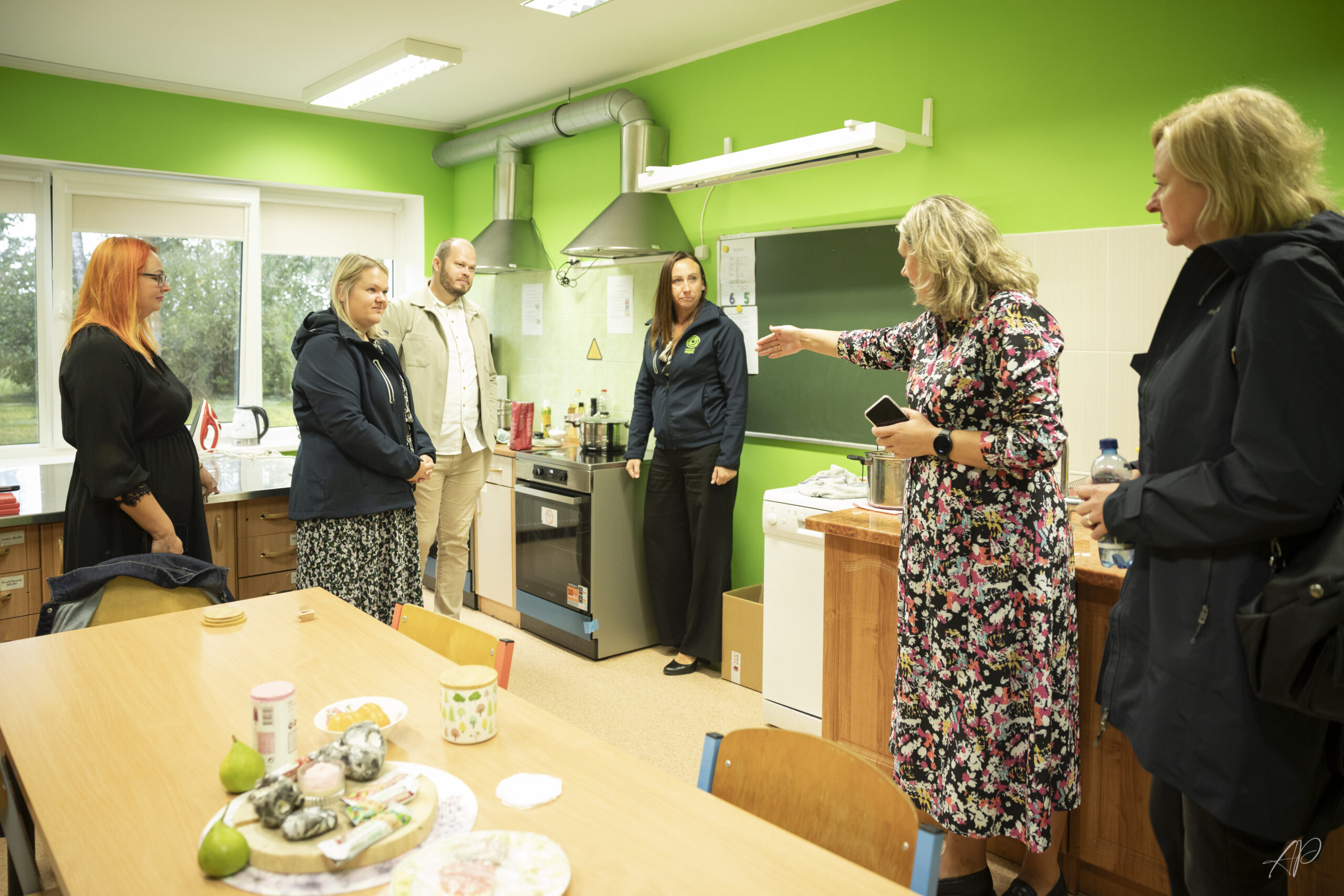
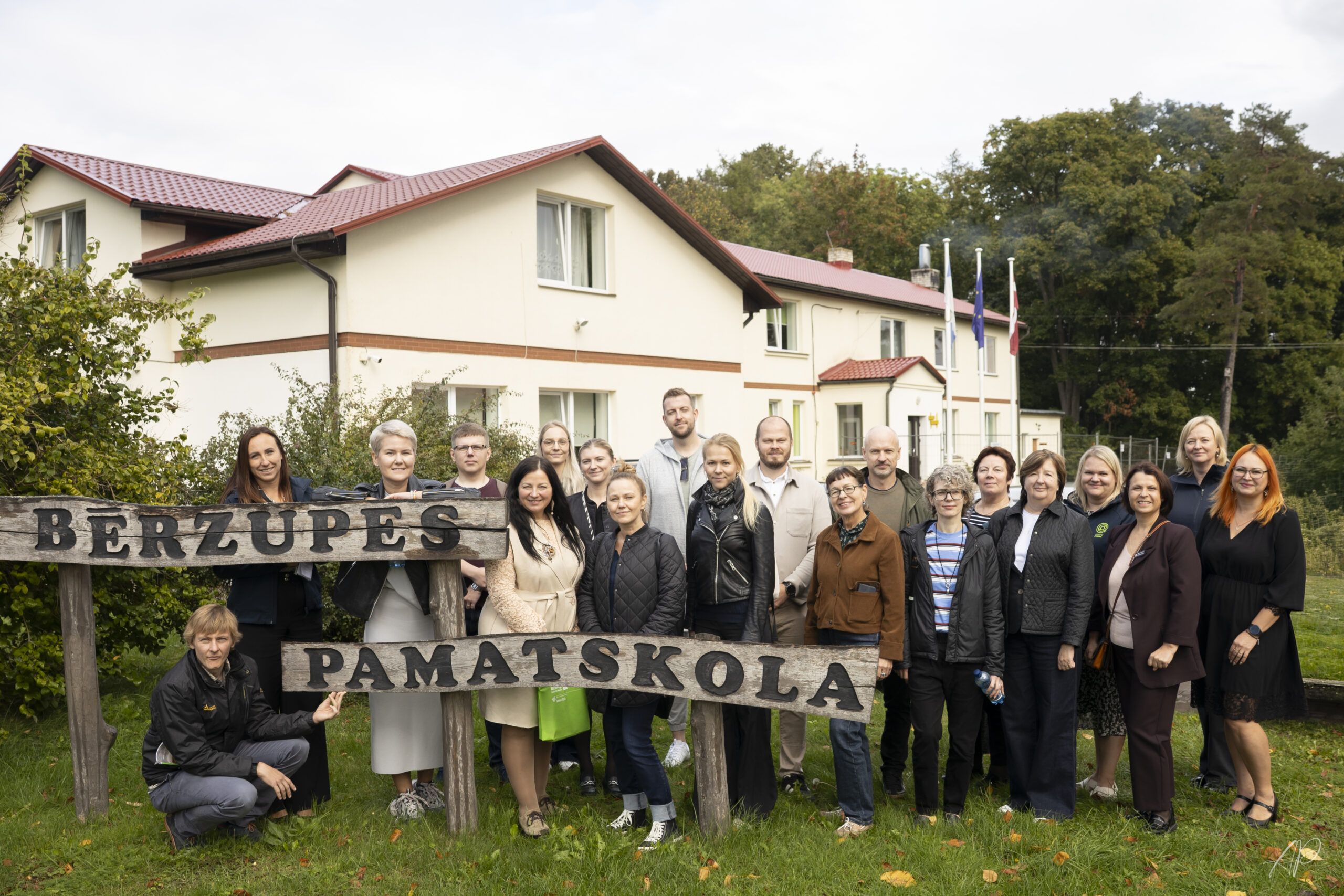
One practical example came from Bērzupes pamatskola, a school for students with special educational needs. Staff noticed that some students found automatic soap dispensers and hand dryers difficult to use when they encountered them outside the school. The school therefore installed similar equipment so that students could become familiar with it in a safe and familiar environment. Over time, this helped them feel more comfortable and use the technology more independently. This simple initiative showed how small changes in the environment can remove barriers and support greater independence. Similar approaches will be explored further in the Sense BSR project and considered for adaptation by recreational service providers.
Learning beyond the meeting room
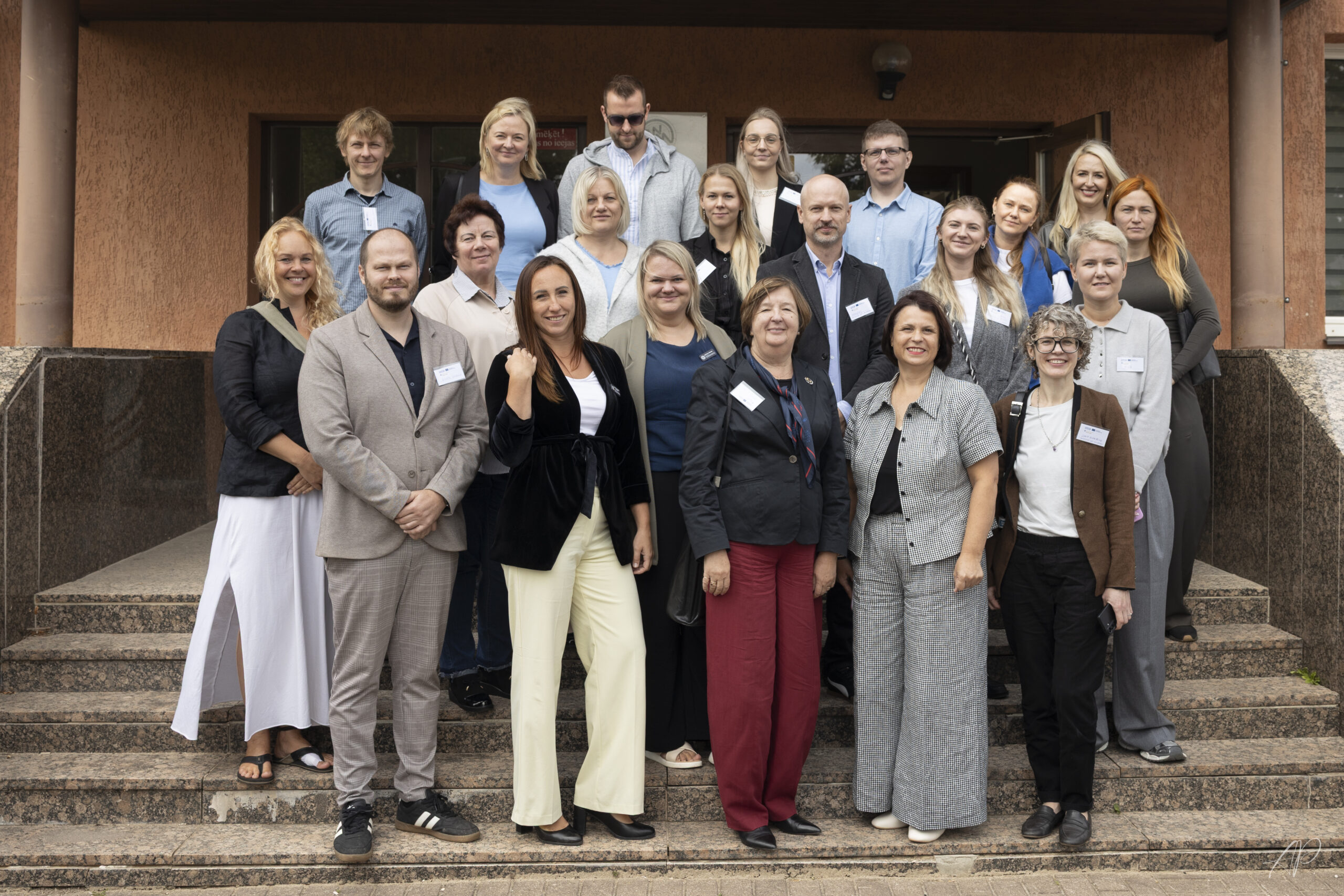
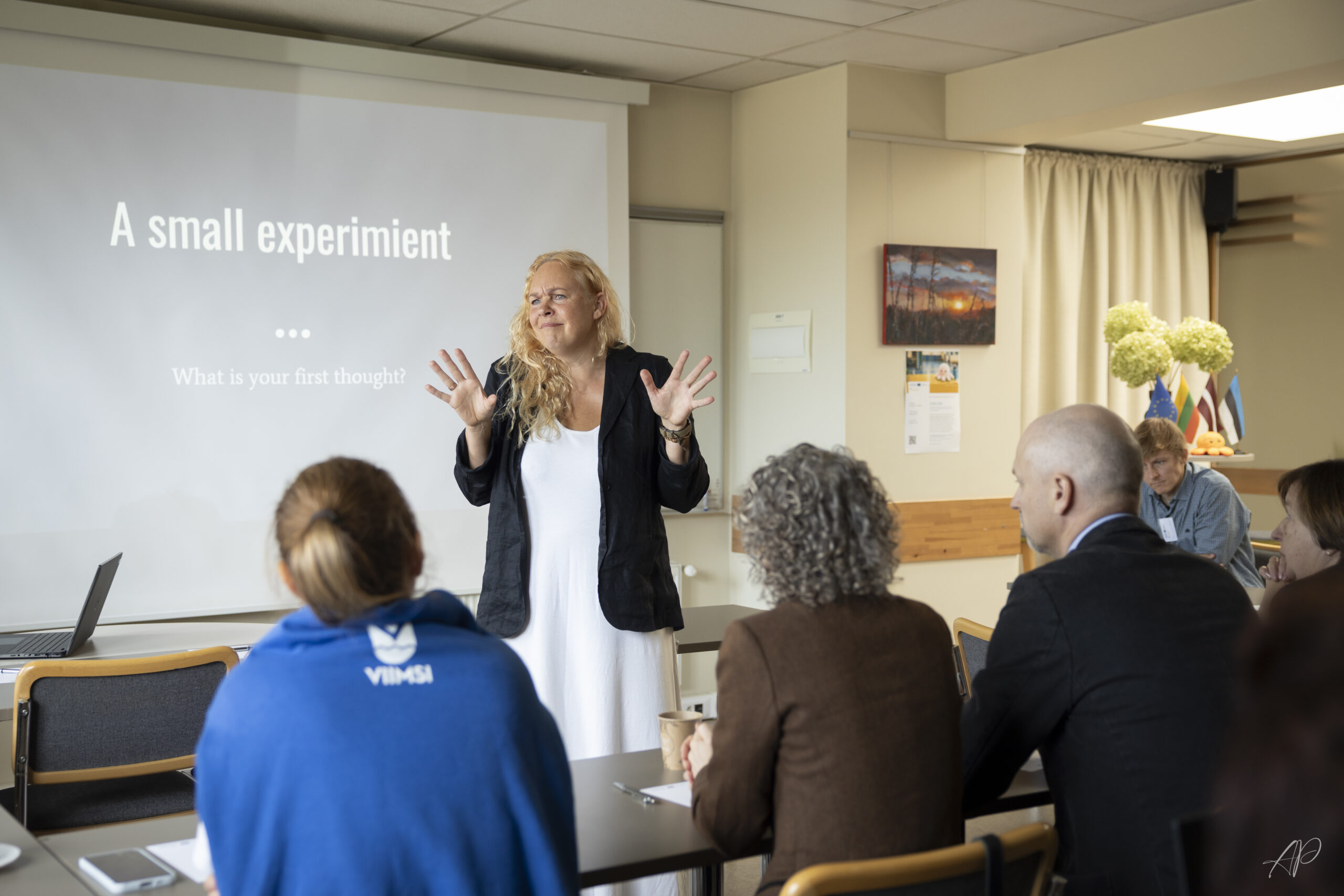
The exchange continued beyond formal discussions with visits to local recreational spaces, including Tērvete Nature Park and Dobele Castle, as well as a workshop with behaviour development expert. The activities provided an opportunity to consider inclusion in diverse environments: education, public services, cultural and leisure spaces. Bringing together people who work in these different fields also emphasized the value of looking at inclusion as a shared responsibility. A more accessible society is not created by one organisation or one sector alone. It emerges when different actors understand each other’s perspectives and consider accessibility as part of how services and places are designed from the beginning.
A starting point for the Sense BSR work
The first Sense BSR partner visit strengthened the value of transnational cooperation in bringing new ideas to familiar challenges and adapting ready-made solutions. The Dobele visit was an important starting point for the next stage of the Sense BSR project, helping partners identify key question for the needs analysis with the project’s target groups. The findings will help partners better understand the barriers and expectations of different users and inform the development of more inclusive recreational services.
Follow our LinkedIn page for the latest project news and activity updates: https://www.linkedin.com/company/sense-bsr/

Additional links
details
-
Homepage
-
Project typeSmall Project
-
ImplementationJuly 2026 - June 2028
-
StatusOngoing
-
Contribution to EUSBSRPolicy Area Health

-
Target groups
- Local public authority
-
Social media
-
Additional links
-
Tags