




EUSBSR Annual Forum 2026: SEABAS Gathering Multisectoral Insights into Regional Maritime Spatial Planning Processes
21 May 2026
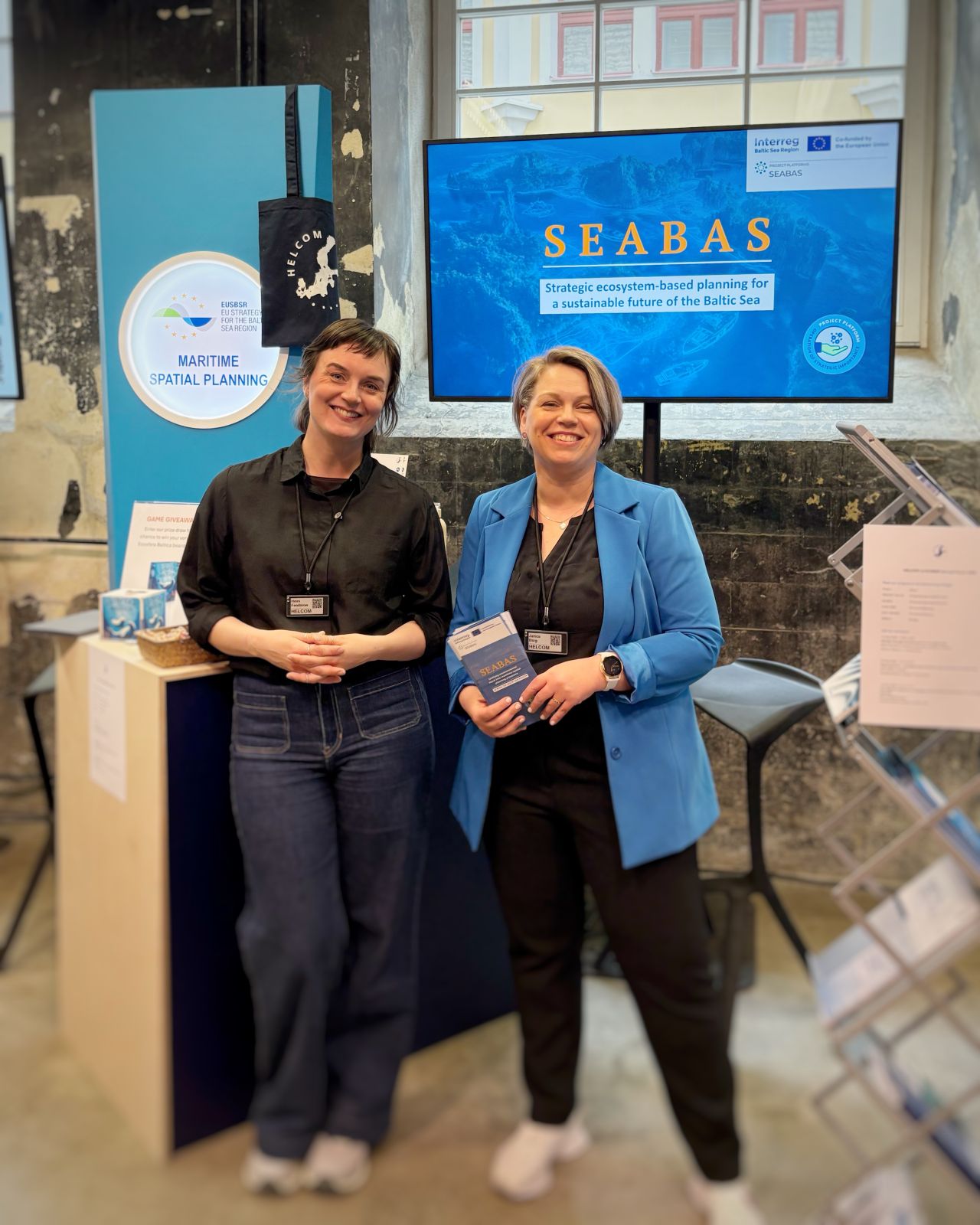
SEABAS took part in the 17th EUSBSR Annual Forum, held in Tallinn, Estonia, on 12-13 May 2026. Bringing together policymakers, experts, and researchers, the forum offered insightful discussions on resilience, the central theme of the event. SEABAS contributed to this topic, highlighting the key role of maritime spatial planning in strengthening environmental resilience. The project shared HELCOM’s stand in the Networking Village under Policy Area Spatial Planning, alongside Protect Baltic.
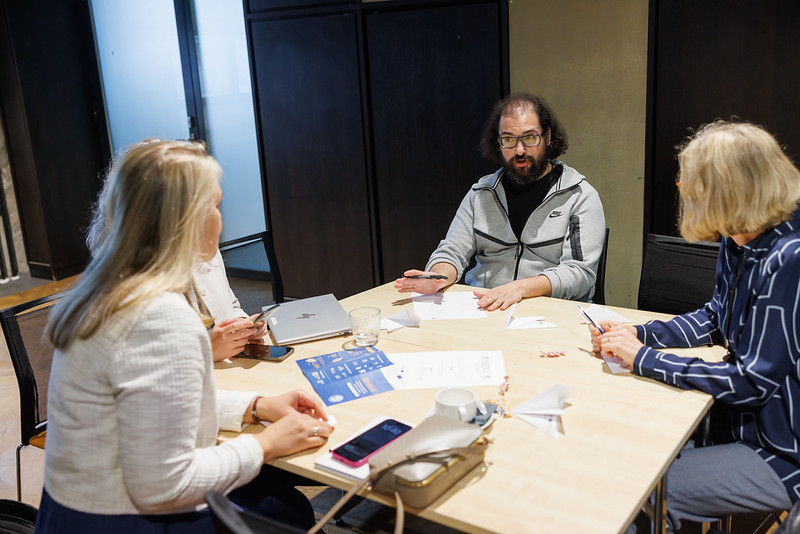
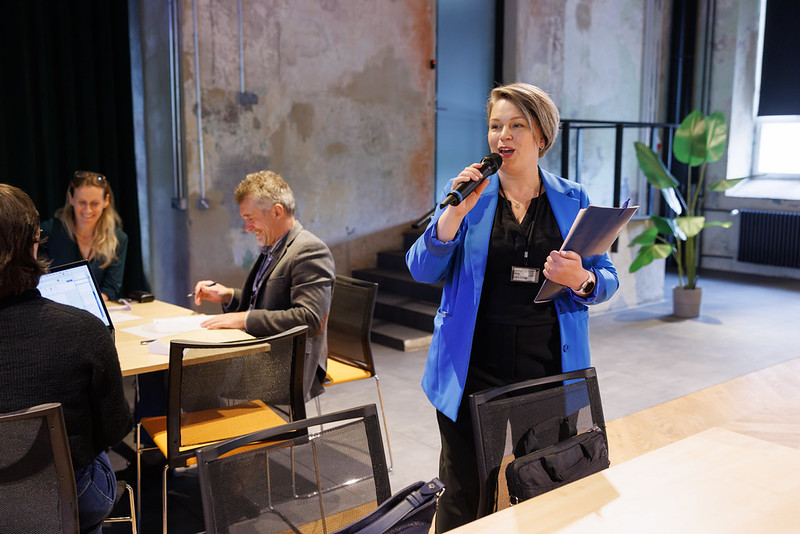
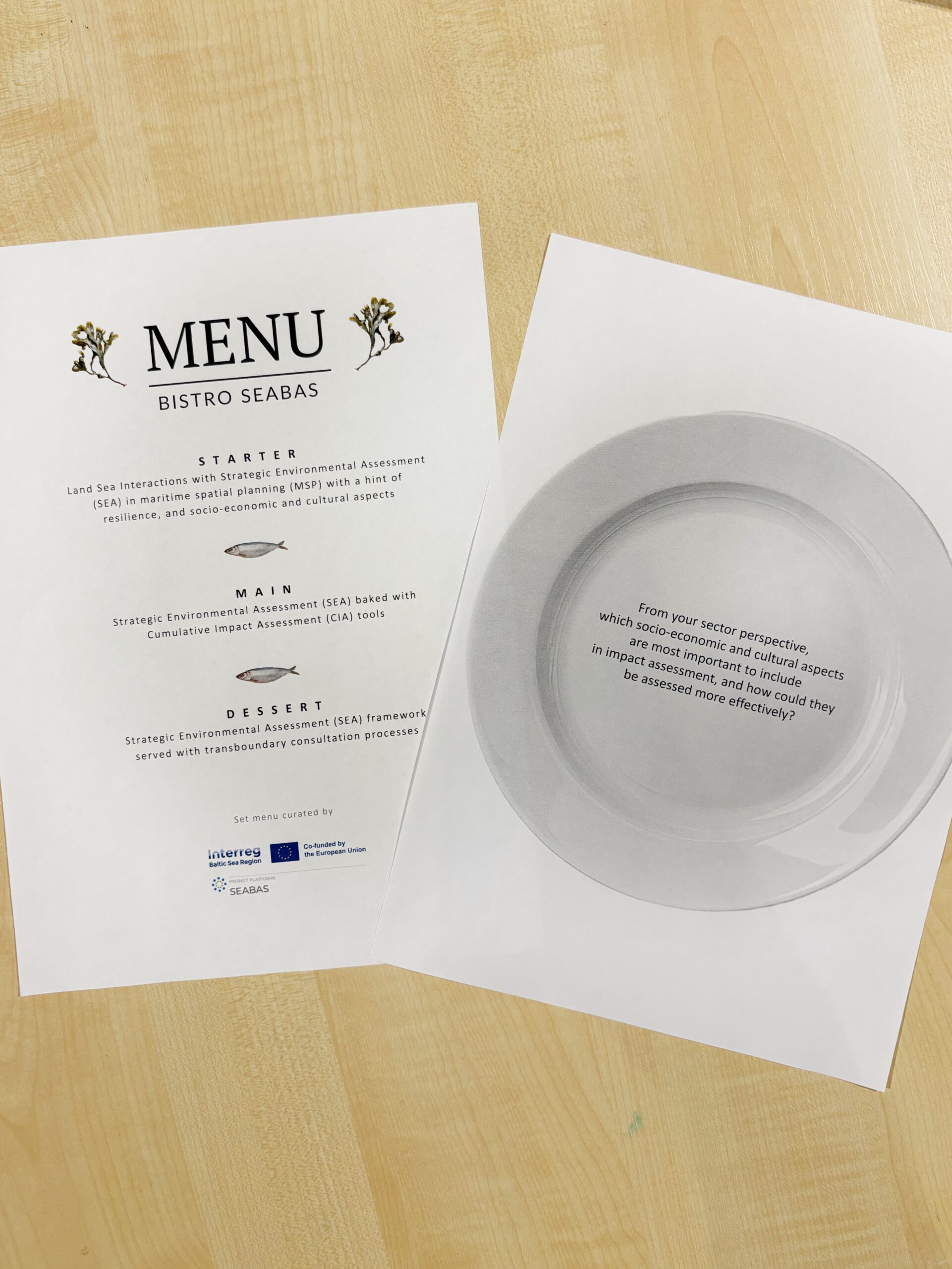
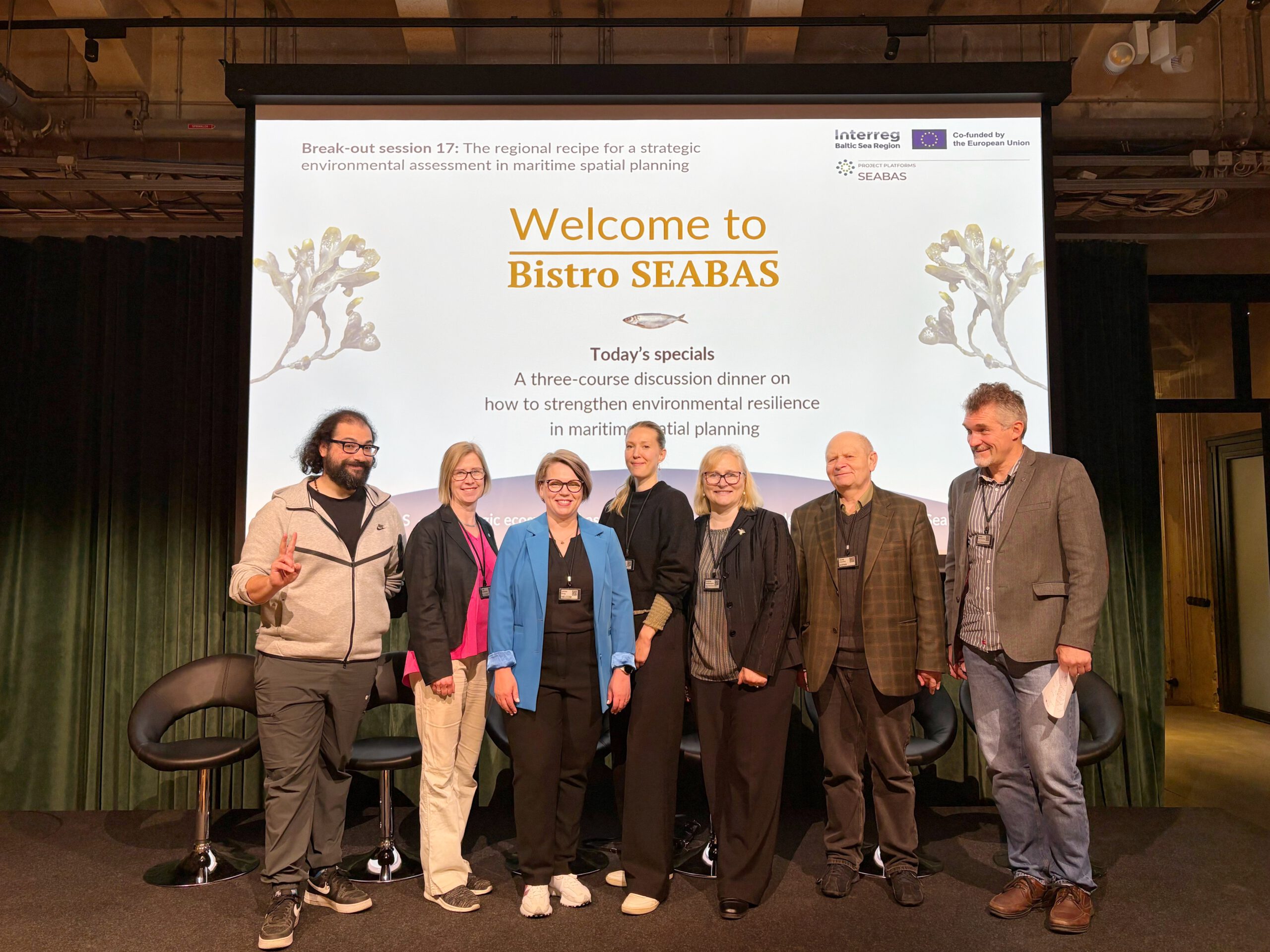
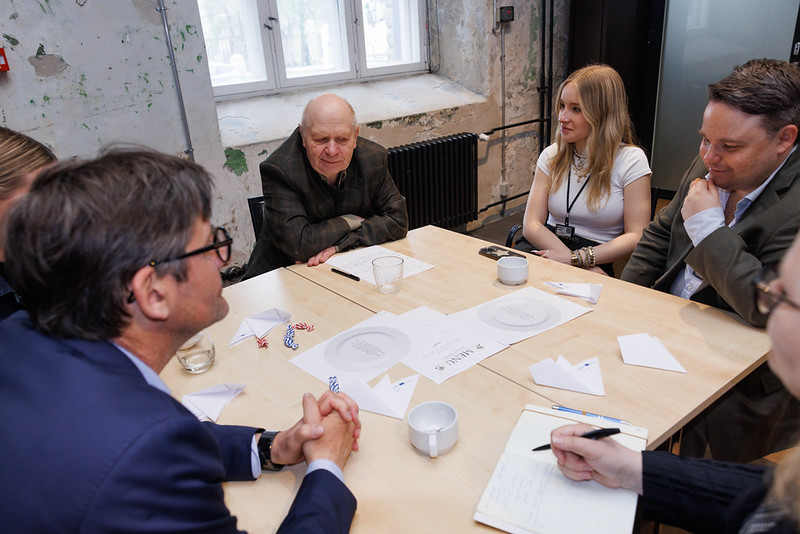
SEABAS organized a breakout session titled ‘The regional recipe for a strategic environmental assessment in maritime spatial planning’ at the EUSBSR Annual Forum. The forum provided a fertile ground to engage representatives from various sectors for a truly transboundary session to discuss regional maritime spatial planning (MSP) and Strategic Environmental Assessment (SEA). The session introduced Bistro SEABAS, serving a three-course discussion menu for the participants, designed to support the ongoing work of the SEABAS deliverables.
“Coming together in the same room with stakeholders from different countries is a great way to understand the challenges we need to overcome on national level to strengthen the regional approach to maritime spatial planning in the Baltic Sea. The exchange of information and best practices is especially valuable for improved transboundary consultations in strategic environmental assessments which aim at reducing the negative environmental impacts when developing the use of our shared sea area.”
-Janica Borg, SEABAS Project Manager at HELCOM Secretariat
Transboundary Impacts at Aea: How to Address Them with Your Neighbour?
The Baltic Sea is one interconnected system, and one country’s activities can have far‑reaching impacts all the way to the neighbouring countries’ sea areas. Therefore, the Baltic Sea countries discuss and negotiate their maritime spatial plans in both formal and informal consultation processes.
During the session, the need for early informal consultations prior to the formal ones was highlighted to prevent surprises in the formal process, build trust, and create personal contacts. Equally, understanding other countries’ planning frameworks and legislation through regular cooperation would increase the accessibility of the planning documents and lead to higher-quality comments during formal consultations. The participants emphasized the improvements that shared practices in consultation processes would bring to cross-border maritime spatial planning.
“Best practices for transboundary Strategic Environmental Assessment consultations will be a step towards more meaningful exchanges on maritime spatial planning within the Baltic Sea region. We are looking forward to implementing the lessons learned in the Finnish MSP process.”
-Laura Pietilä, Project Planner at Coordination of Finnish MSP Cooperation
From Individual Actions to Assessing Cumulative Impacts
A common ground on cumulative impacts at sea was quickly established; the true impacts of human actions at sea may not come to light when assessing actions individually. Furthermore, a more holistic view of environmental pressures, with all activities considered together, could provide the countries with several benefits. For example, incorporating Cumulative Impact Assessments into maritime spatial planning could provide scientific evidence for regional and sectoral decision-making and thereby support more transparent discussions on the environmental consequences of planning choices.
The Yearning for Data: Socio-economic and Cultural Values
Ecological impacts are often assessed more systematically than socio-economic and cultural impacts in maritime spatial planning processes. However, social, economic, cultural, and environmental changes often appear interconnected to the members of coastal communities. The challenge is the lack of data on Baltic Sea related issues from cultural heritage to recreational issues, and from transportation to overall information about economic and monetary values.
The need for information derived from data was a common denominator during the discussions. Qualitative data gathered by e.g. interviews could better address the relevance of developments and their perceived impacts by community members, whereas different types of quantitative transport data, such as cargo categories and volumes could help illustrate the importance of ports on regional, country, and Baltic Sea levels.
“While strategic environmental assessment primarily aims to ensure a high level of marine environmental protection in the Baltic Sea through national maritime spatial planning, the participants of the SEABAS workshop reaffirmed that regional SEA frameworks must also integrate socio-economic and cultural aspects to safeguard the communities and livelihoods connected to the sea. The participants highlighted that national maritime spatial plans should place greater emphasis on local knowledge, cultural values, and the diverse ecosystem services provided by marine and coastal ecosystems.”
-Kristina Veidemane, Senior Environmental Expert & Project Manager at Baltic Environmental Forum Latvia

Joint Discussions for a Collaborative Process
The Annual Forum treated us with valuable discussions with sectoral representatives, as well as insights from various stakeholders during the SEABAS breakout session. The session’s key takeaway is multifaceted; by bringing stakeholders from such a diverse background around the Baltic Sea region together to discuss unifying environmental input into regional maritime spatial planning processes, the most valuable asset was bringing these stakeholders together for discussion. Equally, the participants provided input to the SEABAS deliverables, which, in return, will benefit industries, and maritime spatial planning experts in the future across the Baltic Sea region. At its core, maritime spatial planning is a collaborative process that calls for the careful integration of all sectors into shared and sustainable outcomes.


Additional links
details
-
Homepage
-
Project typeProject Platform

-
ImplementationJuly 2025 - December 2027
-
StatusOngoing
-
Contribution to EUSBSRPolicy Area Spatial Planning, Policy Area Ship

-
Target groups
- Higher education and research institution
- International governmental organisation
- National public authority
- NGO
-
Social media
-
Additional links
-
Tags