




Transnational cooperation highlights the need for accessible renovation support at RenoWave stakeholder event
10 December 2025
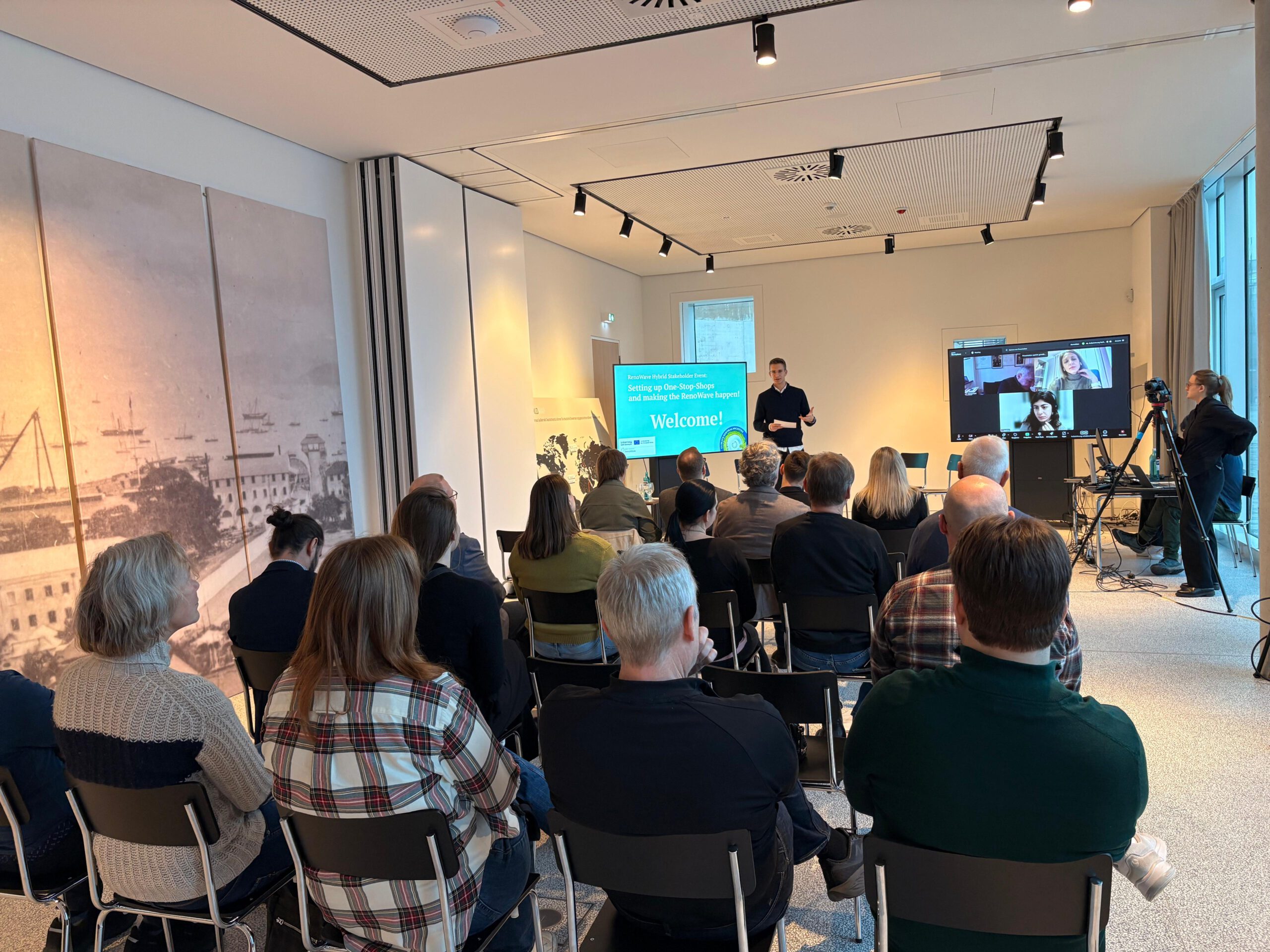
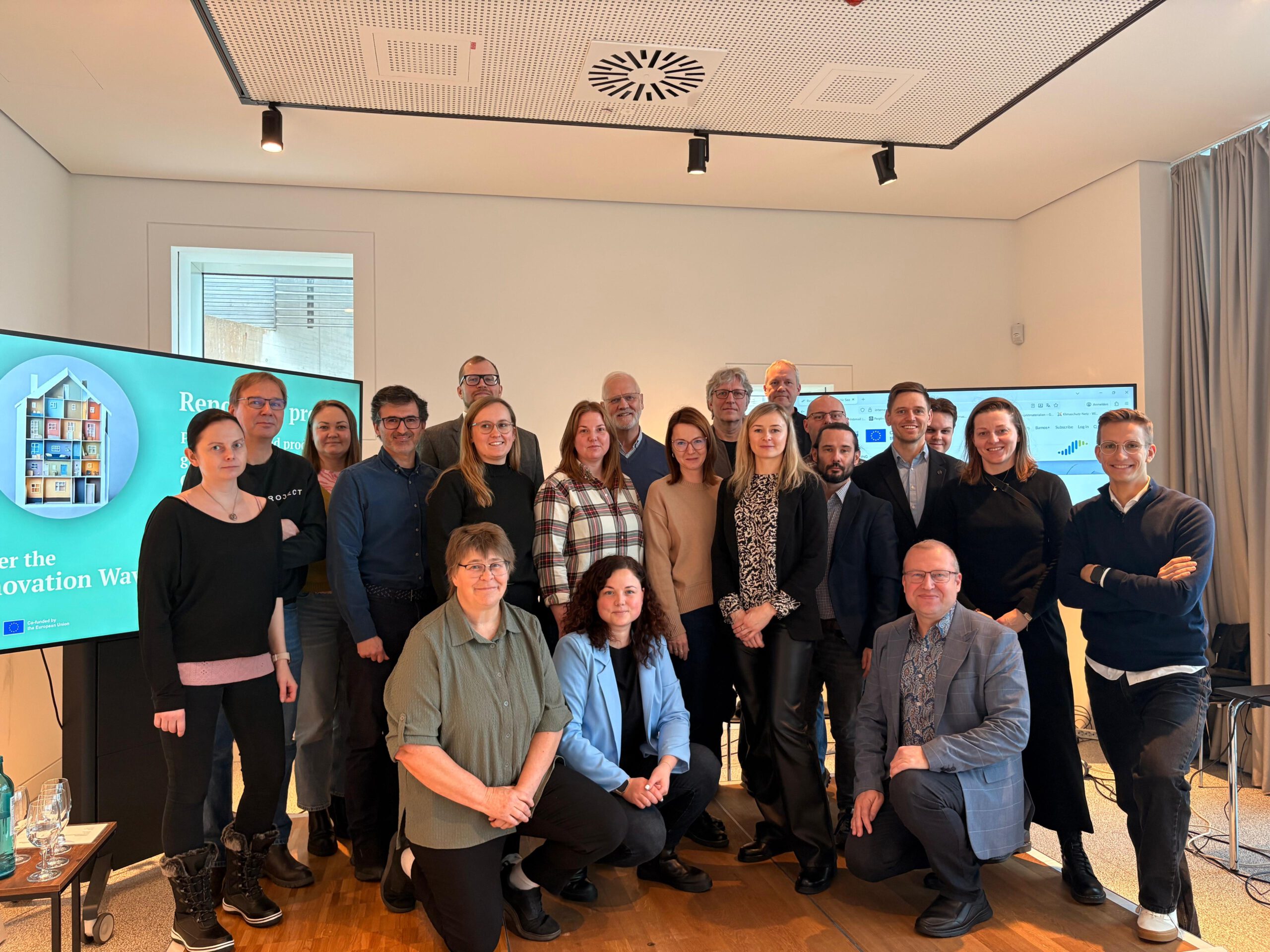
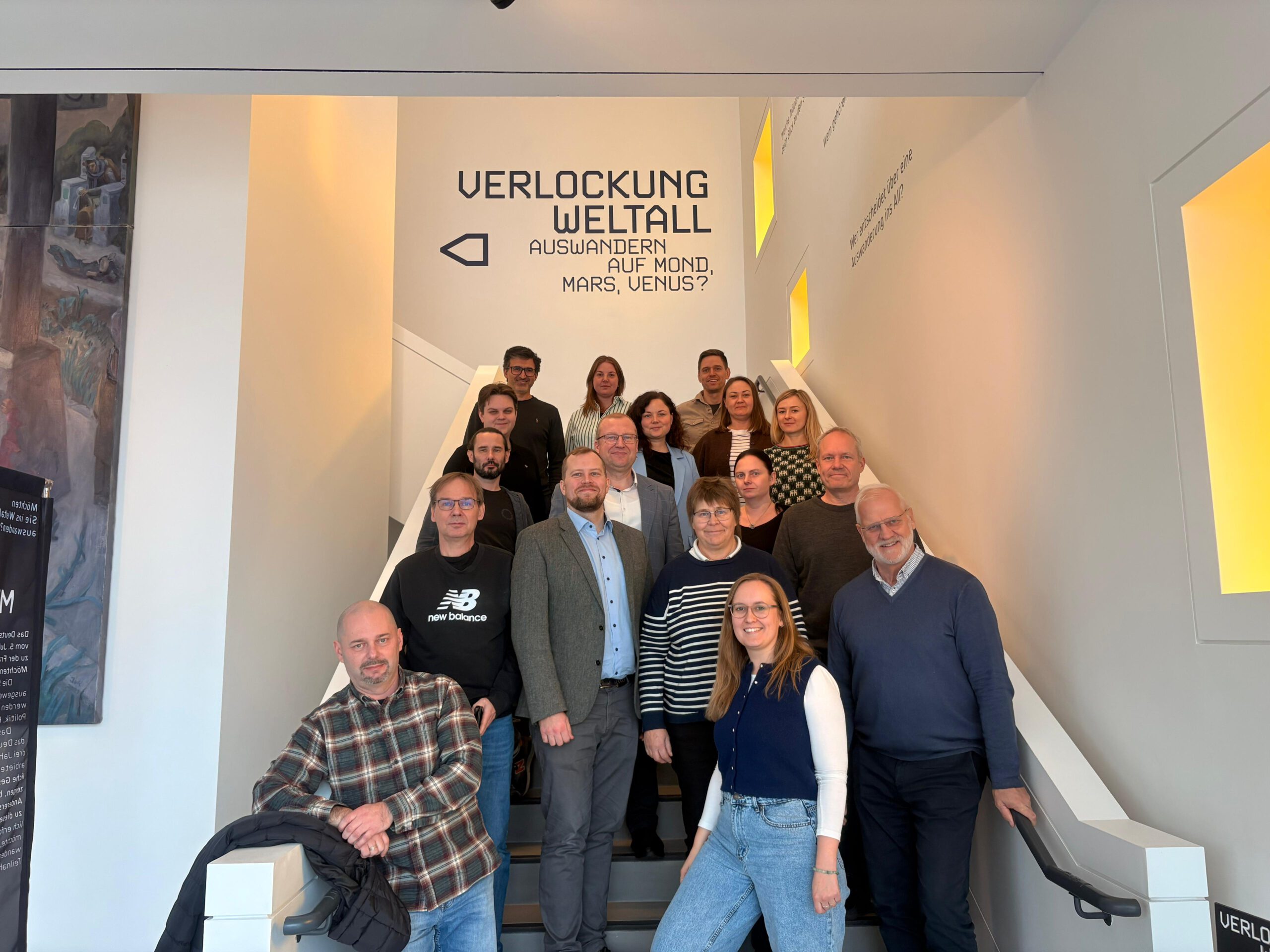
On 4 December, RenoWave partners, municipalities and energy stakeholders came together both online and in Bremerhaven to revisit a central question that has followed the project from the beginning: how can people living in multi-apartment buildings be better supported in starting renovation? The discussions focused on One-Stop-Shop (OSS) models as a practical way to make this journey clearer, more guided and easier to begin.
The event opened with insights from Anca Sinea, an energy policy researcher at the Department of Political Science of Babes-Bolyai University, Romania. She reminded participants that building renovation today is not only a technical obligation but also closely linked to financial stability and well-being. As she explained: “Energy Performance of Buildings Directive is one of the cornerstones in the EU climate and energy policies. It does something fundamental — it brings conversations of buildings out of the technical box and places it in the heart of social policies as a tool for economic security and individual well-being.”
She also highlighted that OSS should not be seen simply as information points: “OSS represents much more than administrative platforms. They should be integrators in multiple dimensions of renovation – simplify complexity, personalise the journey, and connect actors in specific local environments.” According to A. Sinea, OSS help transform policy ambition into meaningful benefits for households because renovation decisions are made locally, through trust, familiarity and cooperation.
What RenoWave has achieved
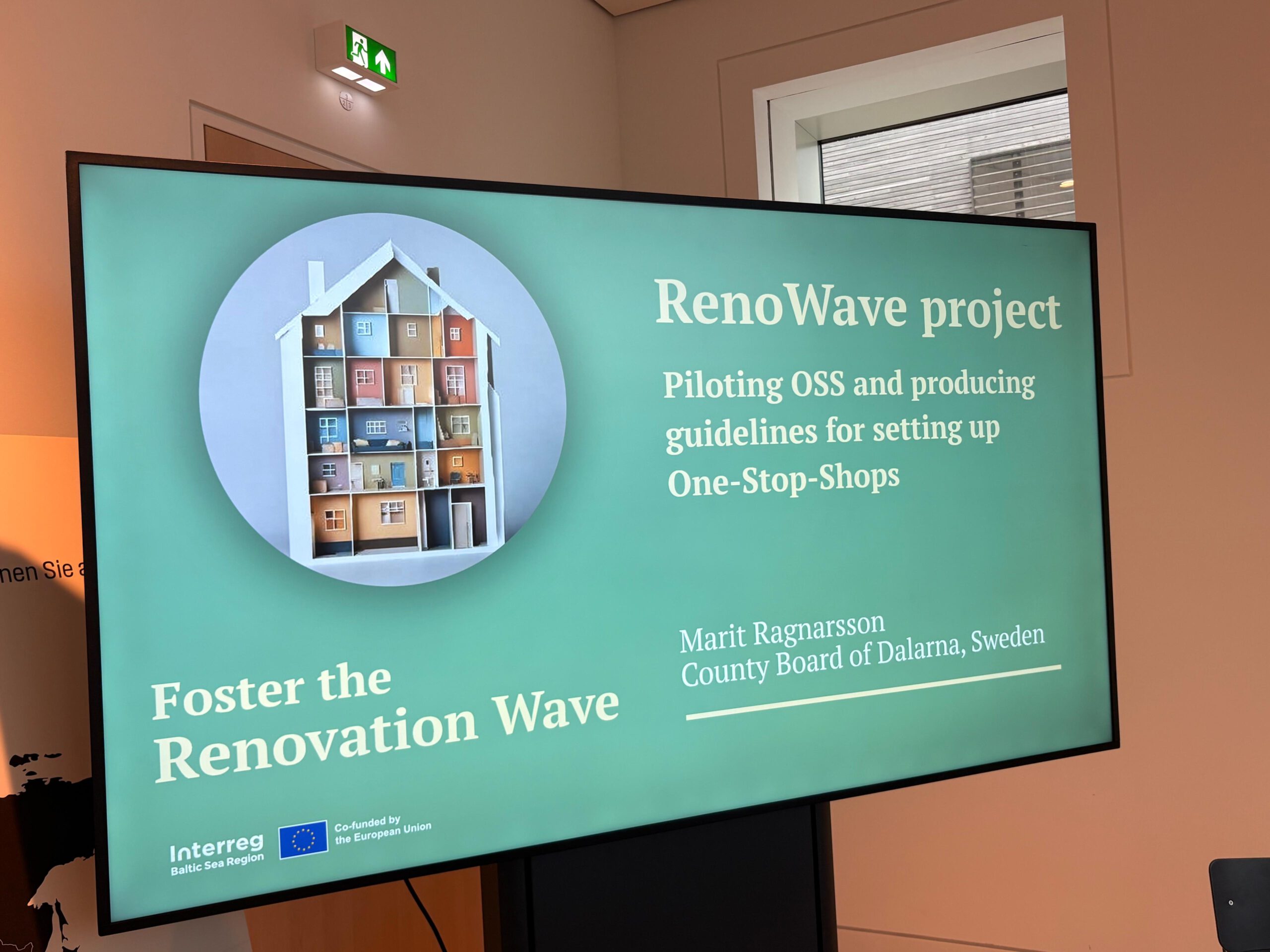
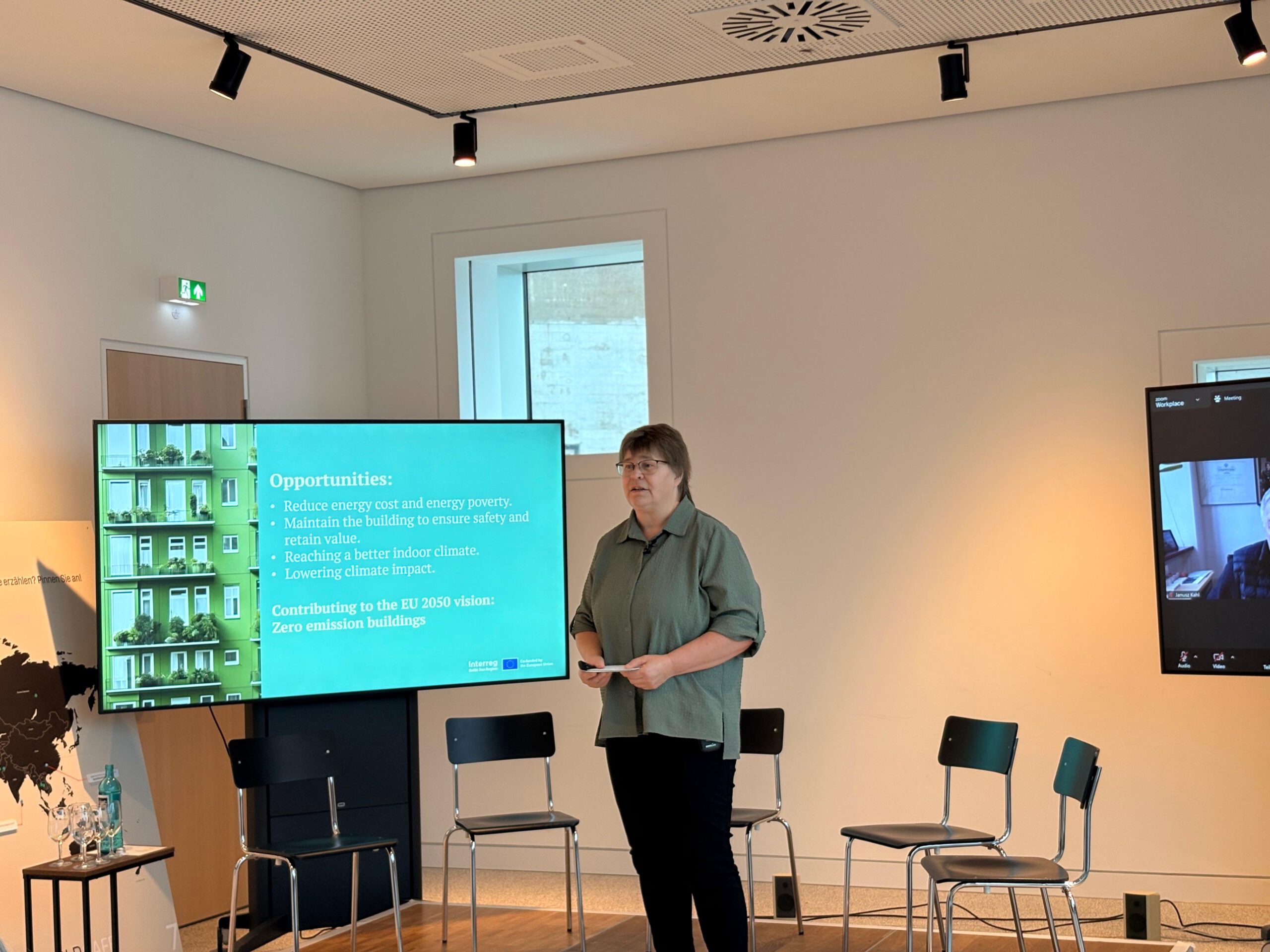
The keynote was followed by a presentation by Marit Ragnarsson, County Board of Dalarna (Sweden) and lead partner of RenoWave. She summarised what the consortium has achieved over the project duration, underscoring that multi-apartment buildings were at the core of every pilot. These buildings, she emphasised, combine shared ownership, differing investment capacities, and limited access to technical expertise—factors that make targeted advisory support particularly necessary.
M. Ragnarsson walked participants through the development journey of RenoWave, from early research to regional pilots implemented. Despite differences in context and local governance, one finding was universal: residents need structured and continuous support to successfully navigate renovation. She noted: “Our work confirmed that multi-apartment buildings require a dedicated support system — not only for technical planning, but for building confidence among residents. The solutions tested within RenoWave helped regions understand how advisory structures can actually guide people through decision-making, rather than simply informing them.”
A recurring thought throughout the day was the value of doing this work together, across regions and countries. RenoWave has shown that the challenges are similar, even if the pace and context differ. The project made it possible to look at what others are already doing — in some cases almost like a glimpse into the future. As partners noted, this has only been possible because of transnational cooperation enabled by the Interreg Baltic Sea Region programme.
All information and materials available: https://interreg-baltic.eu/project/renowave/
Four pilots – different methods, same needs
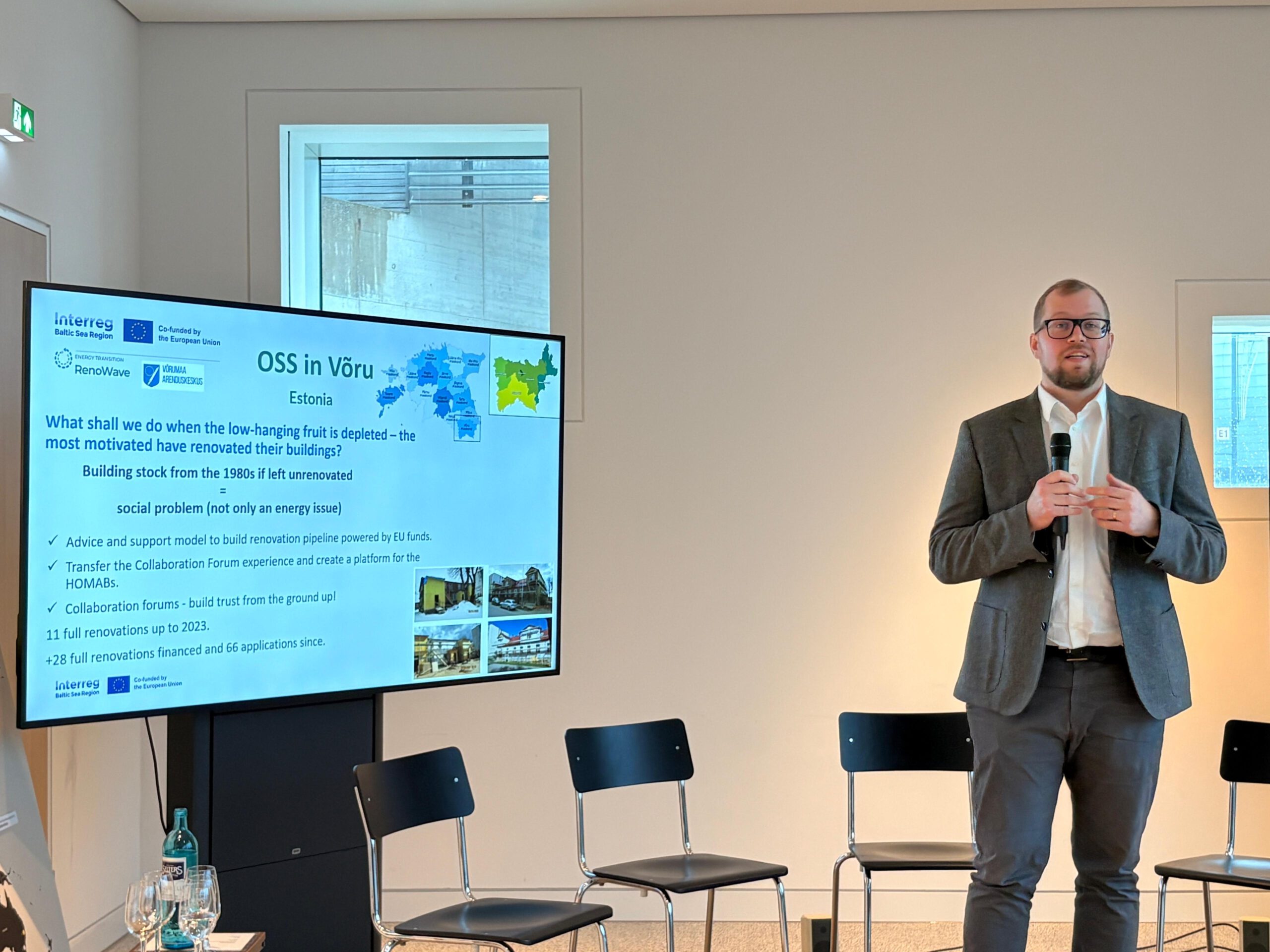
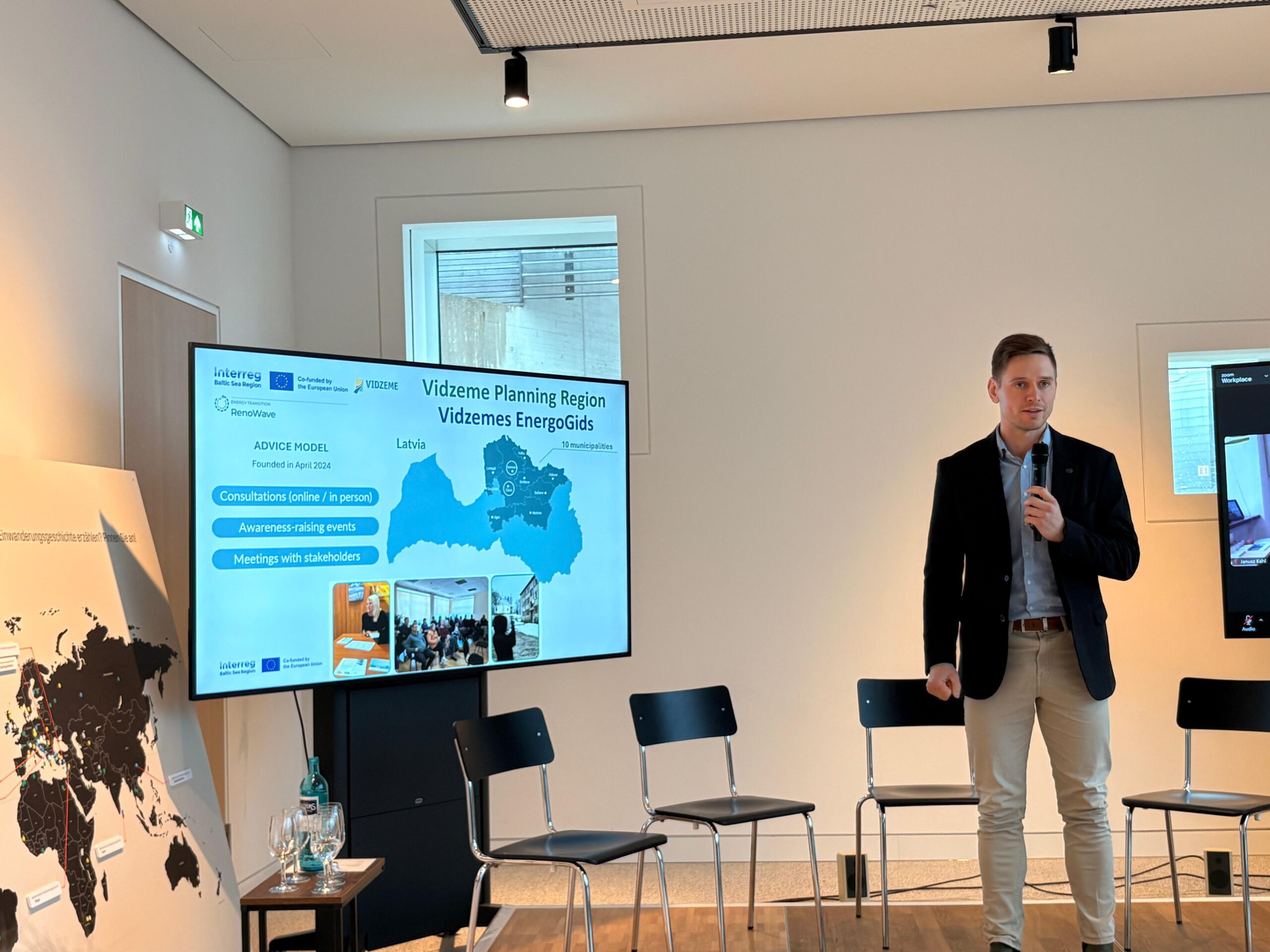
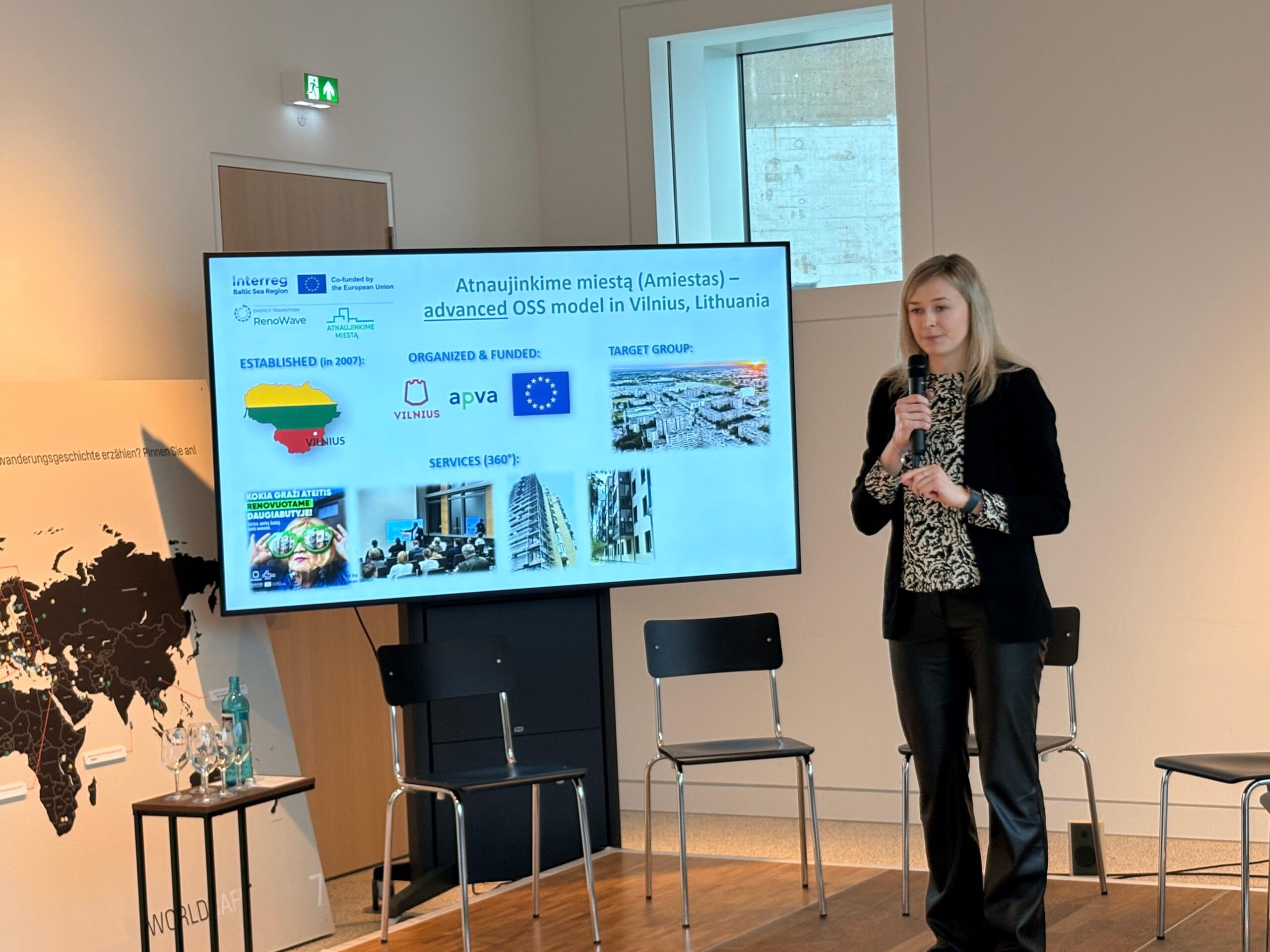
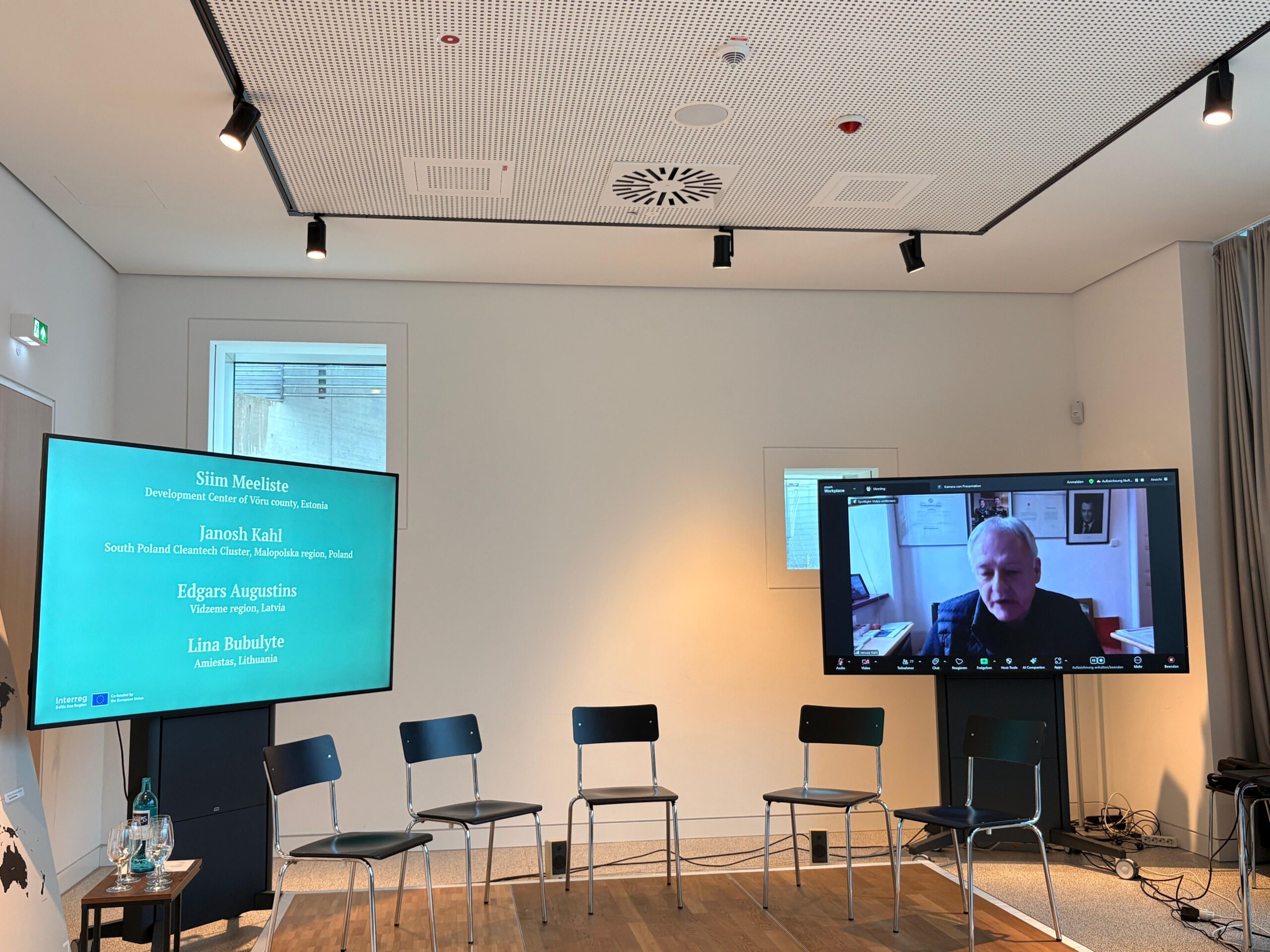
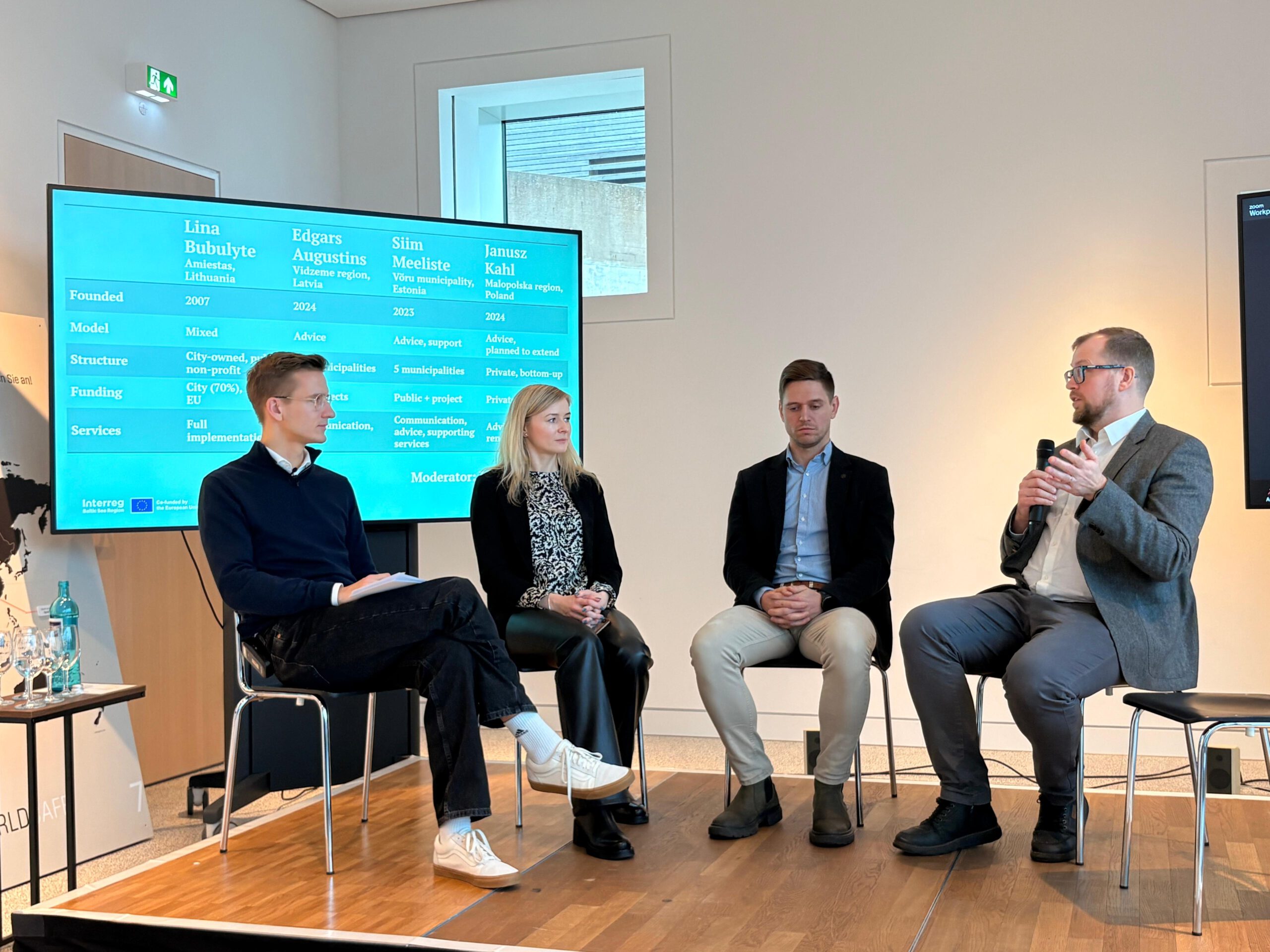
The event also showcased four OSS models tested through RenoWave:
- Lithuania — implementation model in Vilnius https://interreg-baltic.eu/project-pilots/lithuania-oss-in-vilnius-is-revitalising-multi-family-buildings-through-innovative-renovation-solutions-2/
- Latvia — advisory-based OSS in region supporting apartment meetings https://interreg-baltic.eu/project-pilots/latvia-encouraging-neighbors-to-start-the-renovation-conversation-2/
- Estonia — regional approach enabling renovation decisions https://interreg-baltic.eu/project-pilots/estonia-a-regional-model-making-renovation-possible-2/
- Poland — digital-cluster model supporting decision-making https://interreg-baltic.eu/project-pilots/poland-how-oss-is-making-renovation-smarter-in-poland-2/
Though approaches differed, presenters agreed that the decisive factor is accessibility of support where residents are, not expecting residents to initiate the process alone.
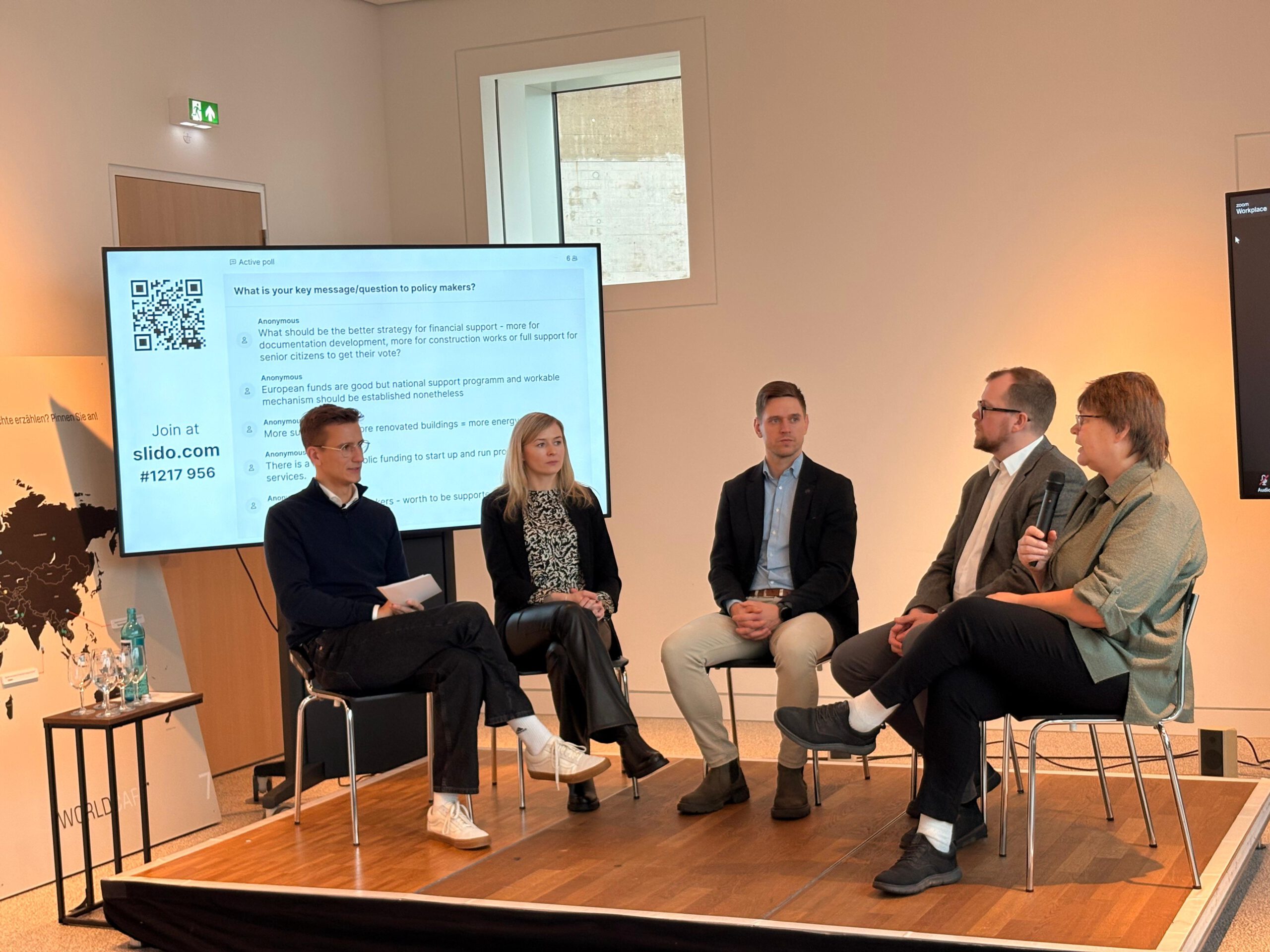
Participants’ messages to policymakers
During the event, participants shared thoughts and questions through a live poll, and their responses pointed in the same direction. Many emphasised that advisory services need to continue beyond single projects, otherwise interest and willingness to renovate can fade before decisions are actually made.
There was a clear expectation that support systems should be backed at national level and remain accessible over time—not only when external funding is available. These reflections reminded that renovation decisions take time, involve many conversations and often require reassurance. When guidance is stable and present throughout the process, communities are more likely to stay on track and move from intention to real renovation steps.
Looking ahead
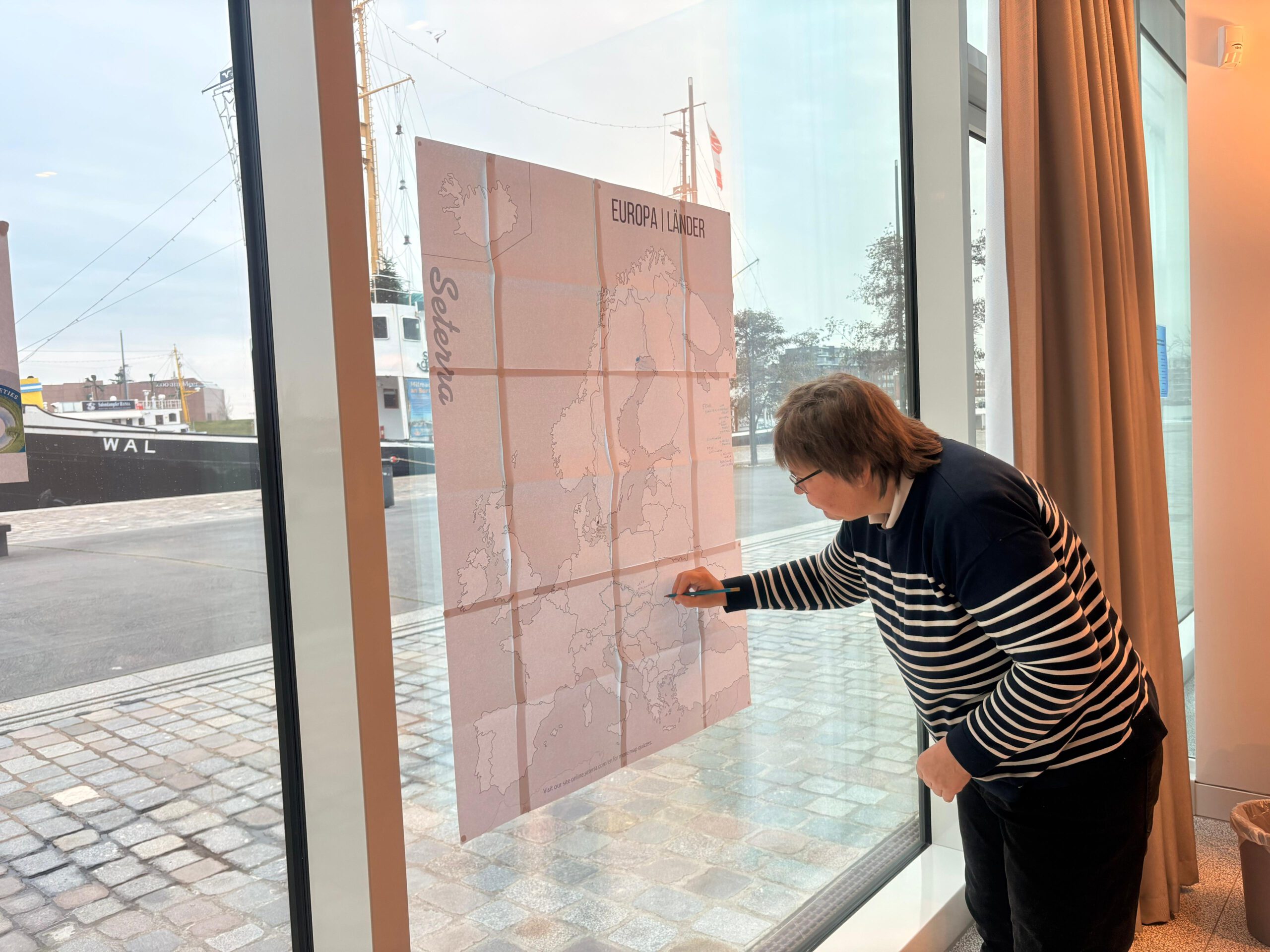
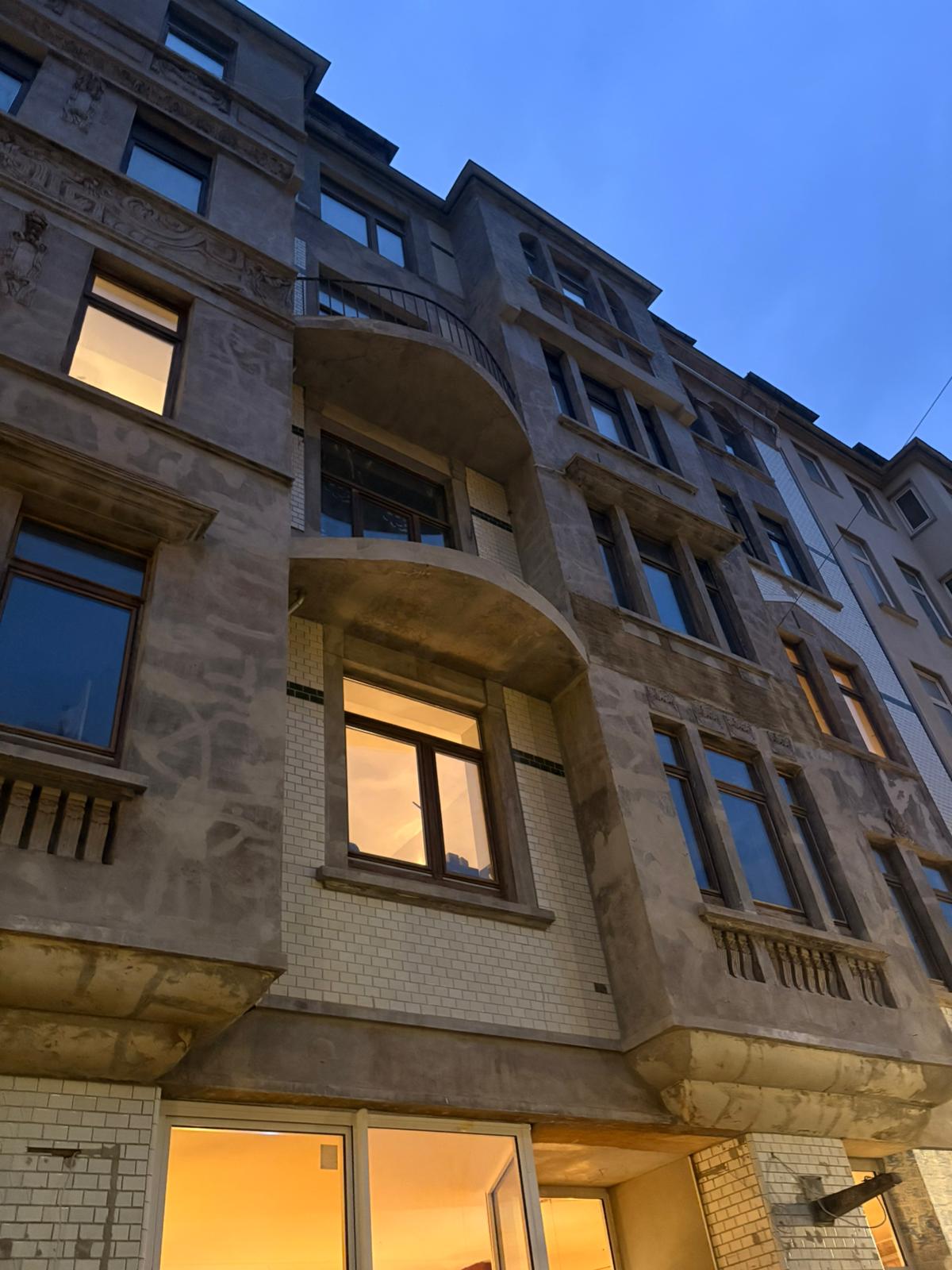
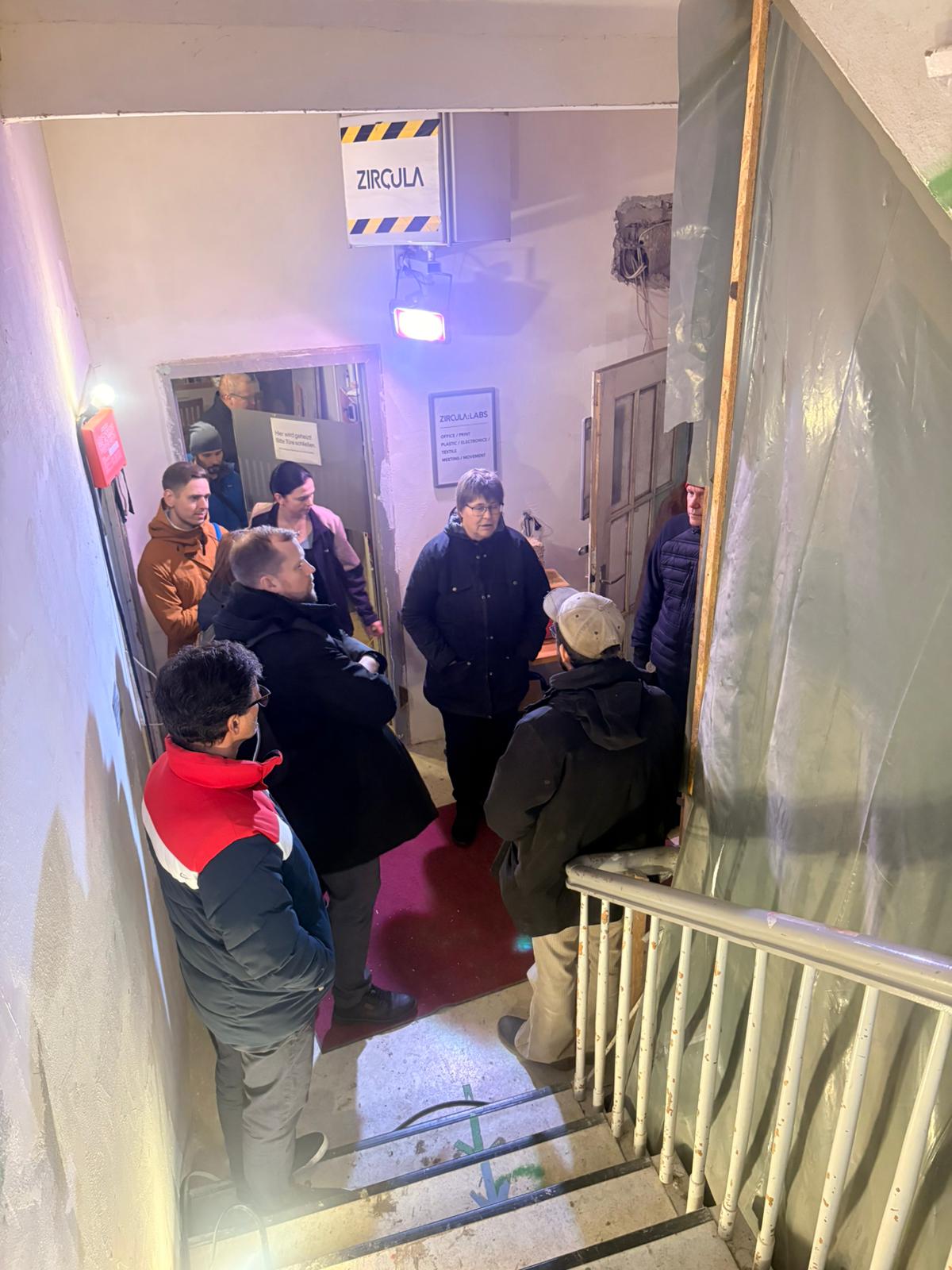
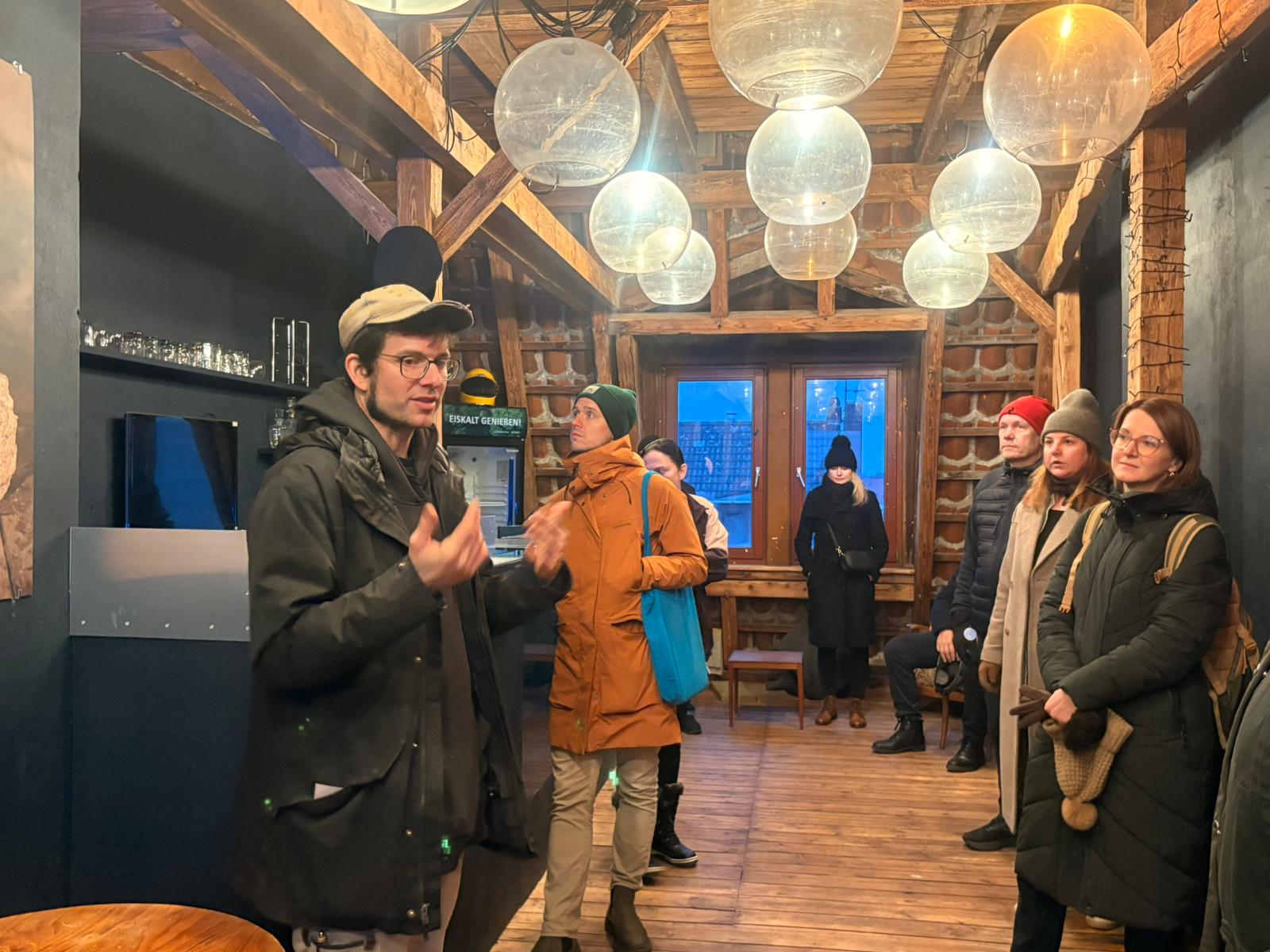
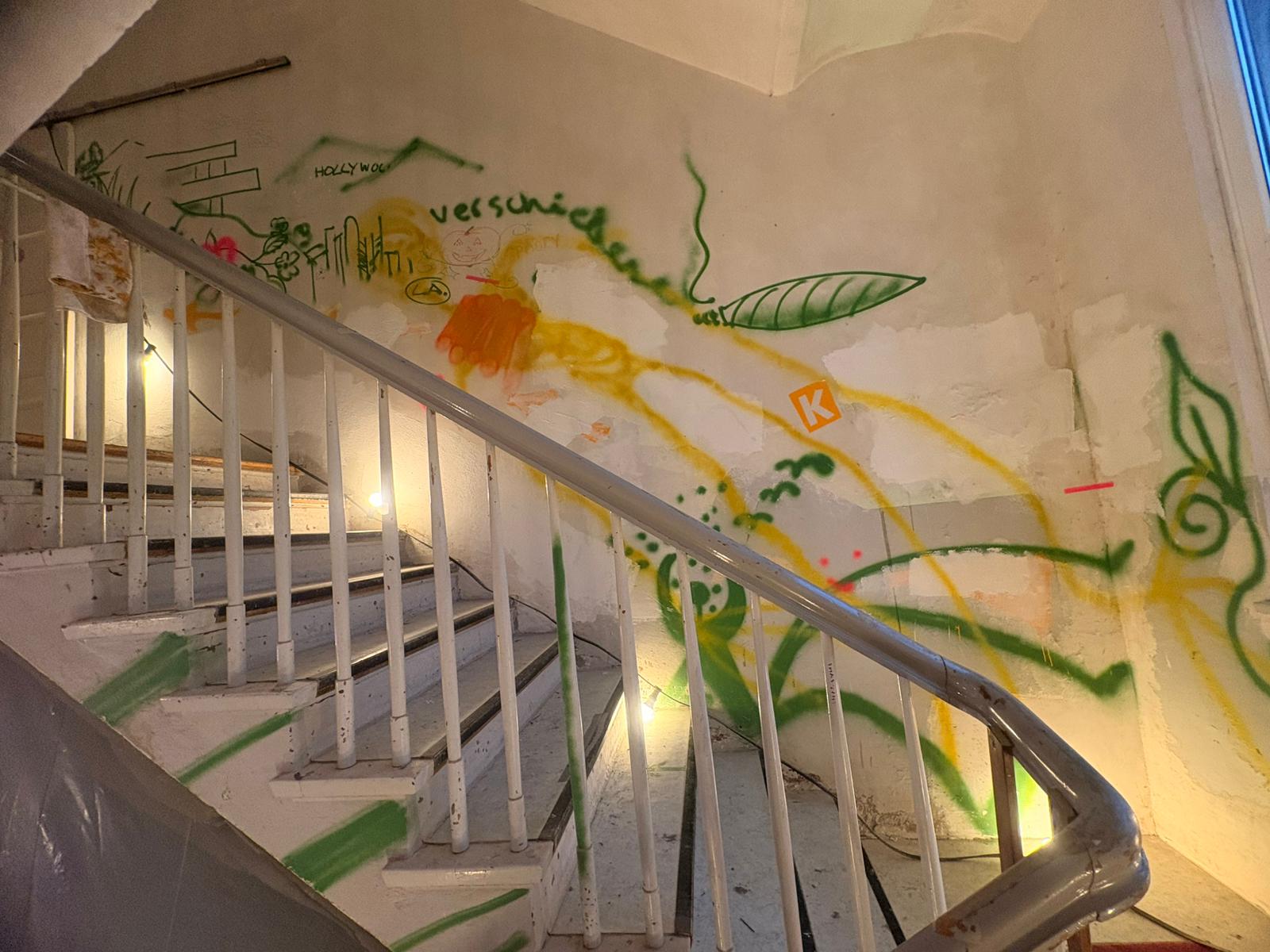
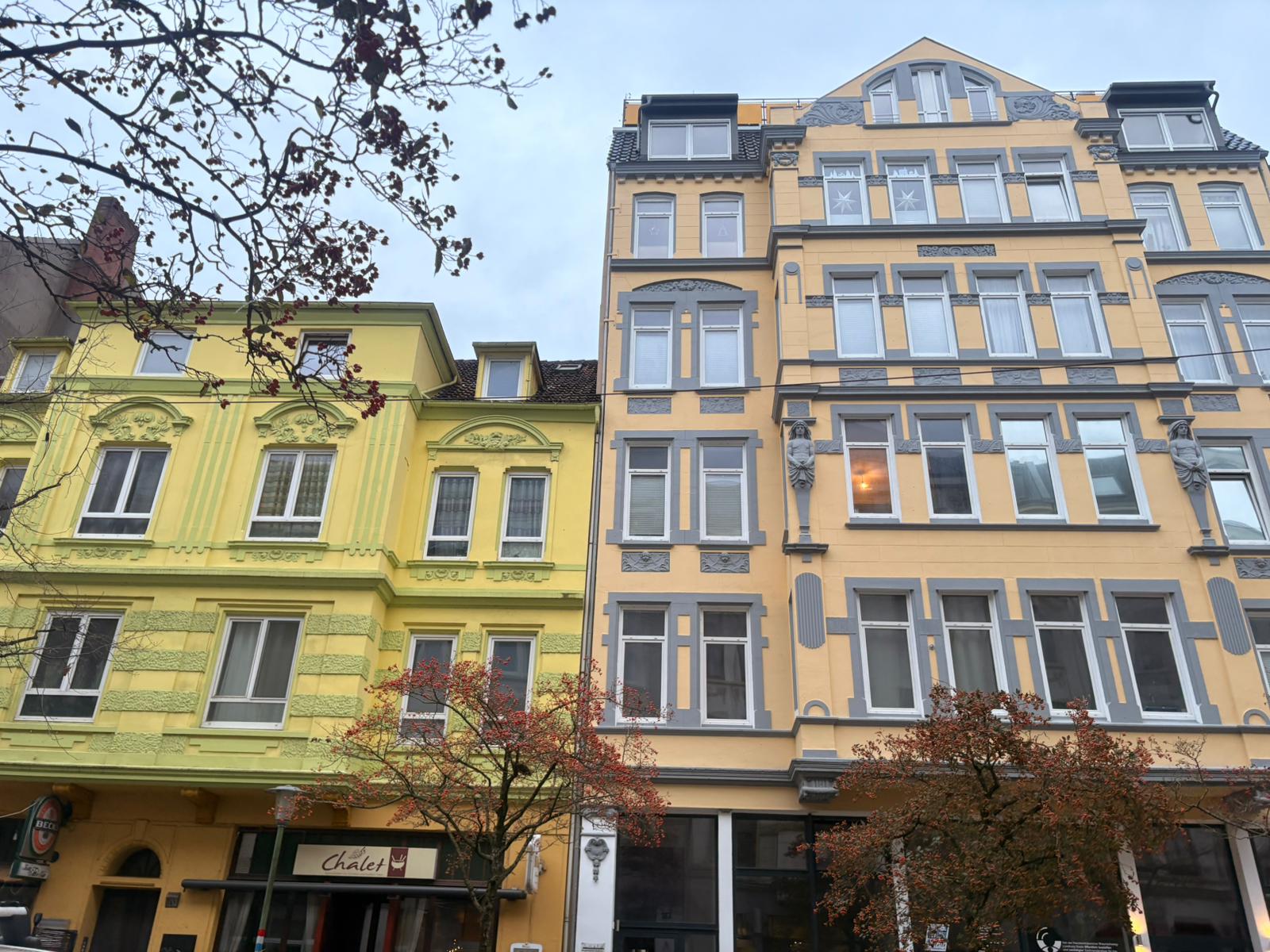
A short study visit after the event allowed partners to observe renovation happening step-by-step in a multi-apartment building in Bremerhaven. It was a reminder that renovation is not implemented overnight. It grows from small improvements, shared planning and clear information about what will follow.
Throughout the day, a consistent understanding emerged: OSS are not simply communication tools. They are structures that help people feel confident to commit to renovation. They bring knowledge closer, create trust and translate technical steps into something understandable.
In closing, M.Ragnarsson reminded that the journey made within RenoWave was only possible because regions worked together, learned from each other and compared real situations. She emphasised that it was the Interreg Baltic Sea Region programme that made this possible—providing space not just for piloting, but for genuine exchange. Partners expressed hope that this cooperation will continue, as there is still much to learn from how others approach renovation at different scales and levels of maturity.
The materials, stories and approaches created through RenoWave will continue to be available even after the end of the project. Although they were developed with multi-apartment buildings in mind, many insights are equally applicable to other building types and public facilities where renovation decisions involve multiple stakeholders. They can inspire regions, municipalities and organisations to shape advisory systems that genuinely support people in improving their buildings—sustainably, gradually and with shared understanding.
Information prepared by Baiba Šelkovska, Communication Manager, Vidzeme Planning Region, Latvia. E-mail: baiba.selkovska@vidzeme.lv


Additional links
details
-
Homepage
-
Project typeCore Project

-
ImplementationJanuary 2023 - December 2025
-
StatusCompleted
-
Contribution to EUSBSRPolicy Area Energy

-
Target groups
- Interest group
- Regional public authority
- Sectoral agency
- Small and medium enterprise
-
Social media
-
Additional links
-
Tags