





RegenT partners meet in Kurzeme to advance regenerative tourism practices
17 April 2026
Hosted at Nature Park Laumas near Talsi, by partner Kurzeme Planning Region, the meeting marked an important milestone in the project’s progress towards synthesising regenerative tourism practices across the Baltic Sea Region.
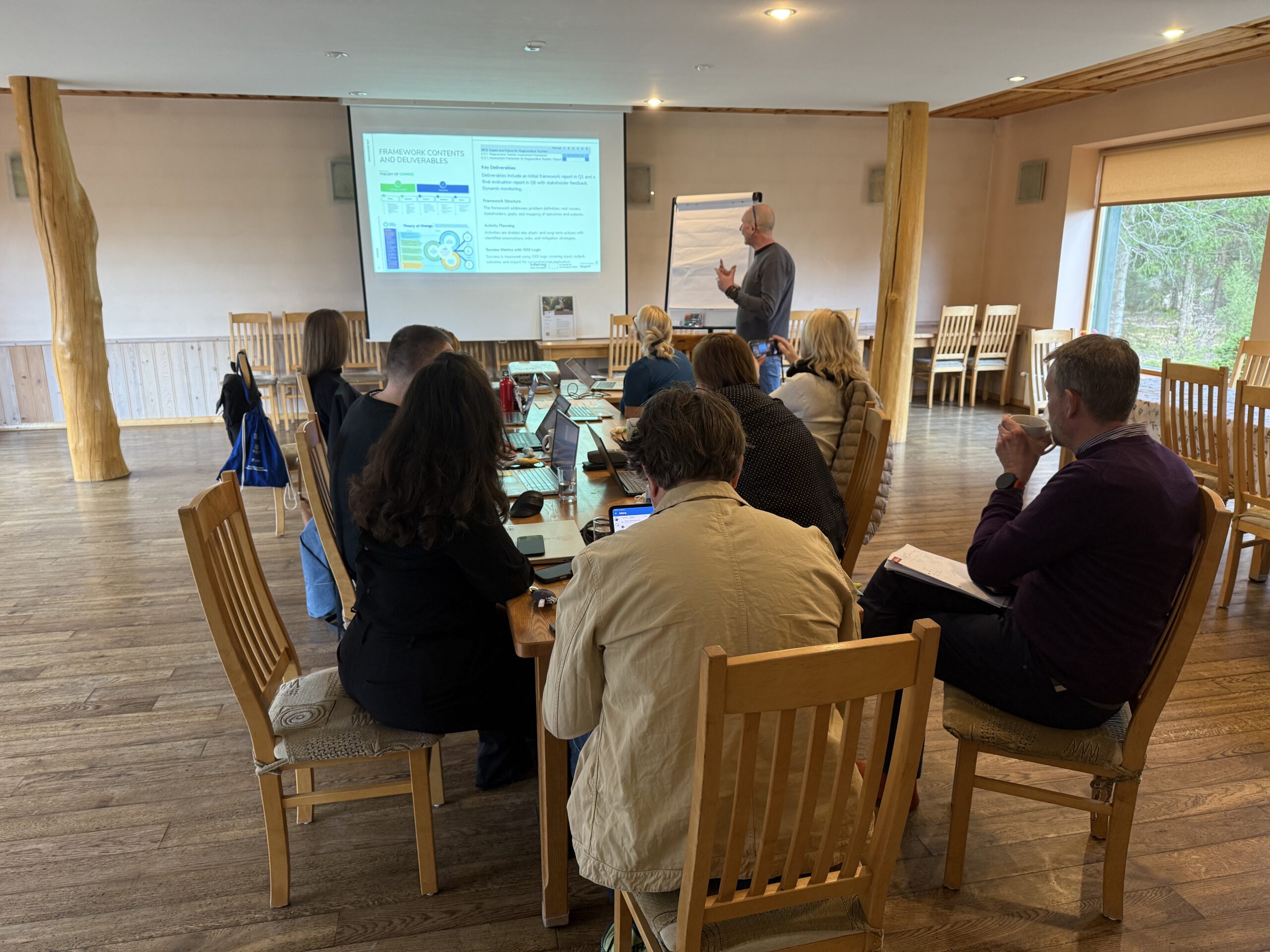
Over three days, partners reviewed progress made since the start of RegenT in 2025 and aligned next steps for the remainder of the implementation period. Discussions focused on consolidating project methodologies, synthesising outputs from the seven platform projects, and shaping the forthcoming RegenT Knowledge Hub and policy‑relevant deliverables.
Advancing RegenT’s common framework
Working sessions concentrated on connecting the different regenerative foundations and tools developed within the platform projects into a coherent framework that can support destinations, public authorities and tourism developers. Partners explored how key findings and lessons learned can be translated into practical guidance for regional and national tourism planning, while maintaining the core principles of regenerative tourism and avoiding concept dilution.
The meeting also addressed upcoming stakeholder engagement activities, biannual webinars, including the projects first open webinar on 3rd of June, peer‑to‑peer exchange formats and future transnational events, ensuring a strong connection between project results and real‑world implementation.
Experiencing regenerative tourism in practice
A central element of the Kurzeme meeting were site visits, offering concrete examples of how regenerative and accessible tourism principles are applied on the ground in Kurzeme Region.
Z/s Drubazas, a small local farm near Sabile in Talsi County, showcased a nature‑based tourism model rooted in landscape restoration and local value creation. The family‑run farm focuses on preserving natural meadows and river valley cultural landscapes while offering visitors quiet nature experiences, canoeing and hiking, complemented by tastings of locally produced meat and wines made from the farm’s own grapes and berries.
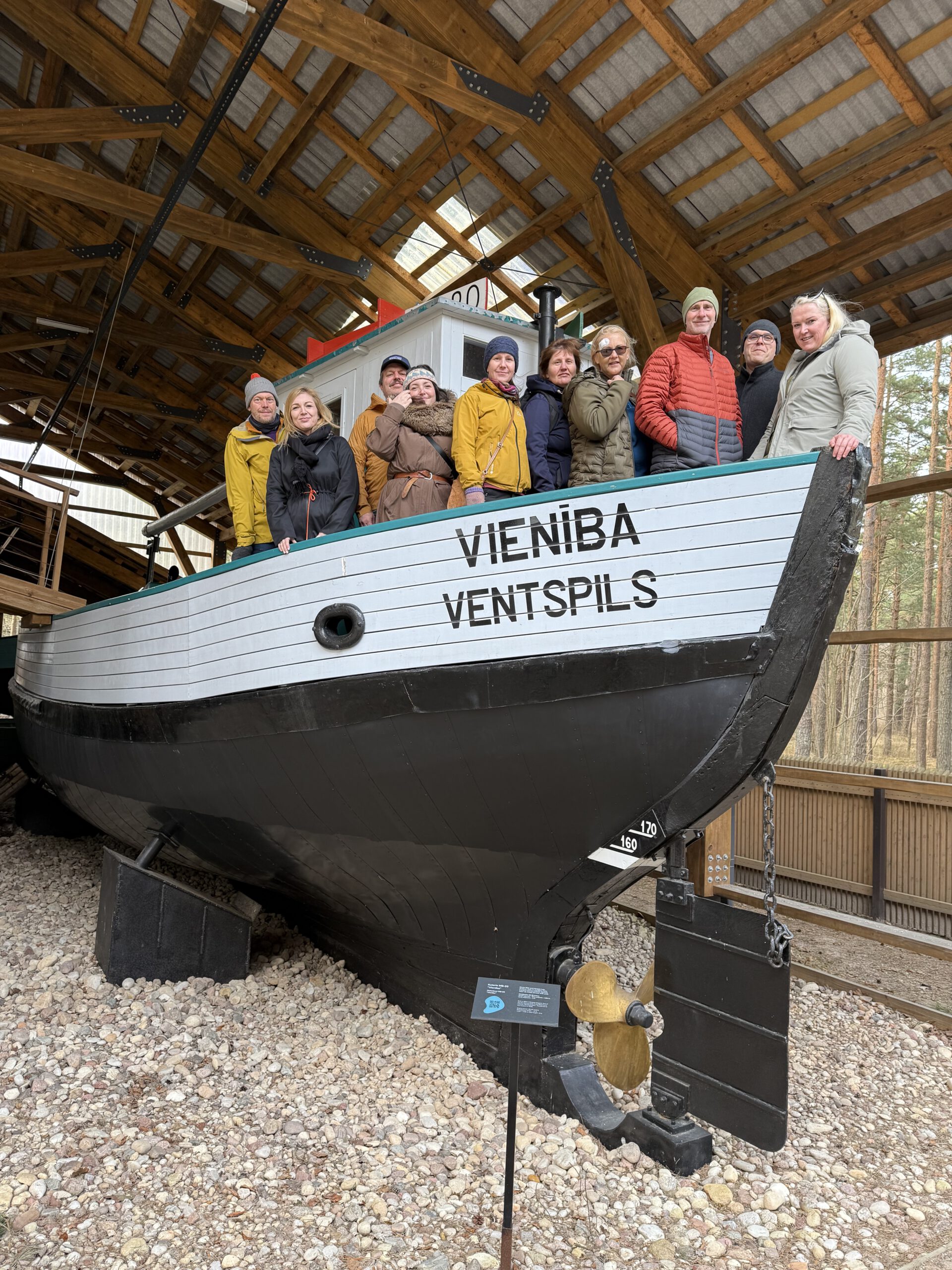
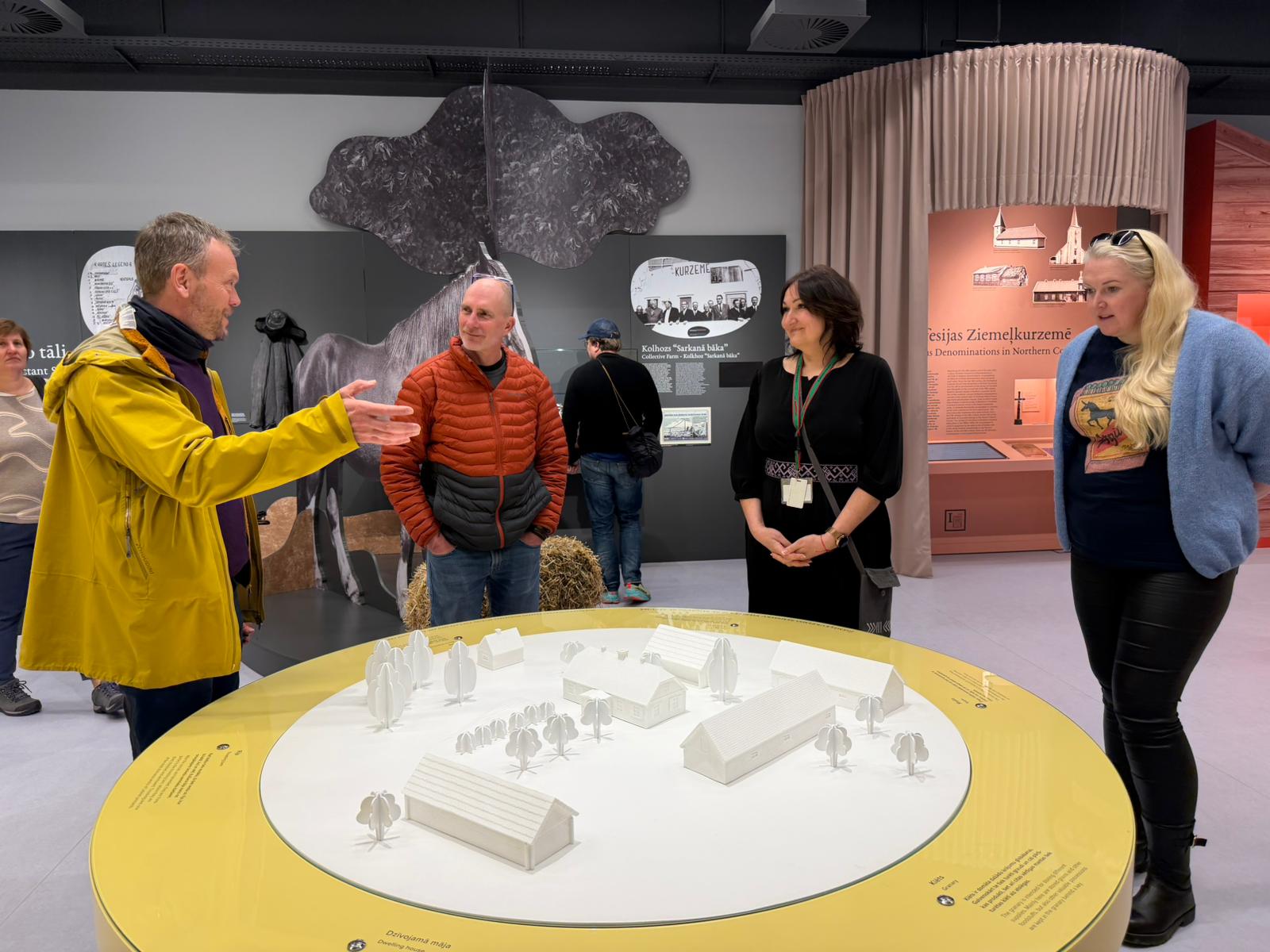
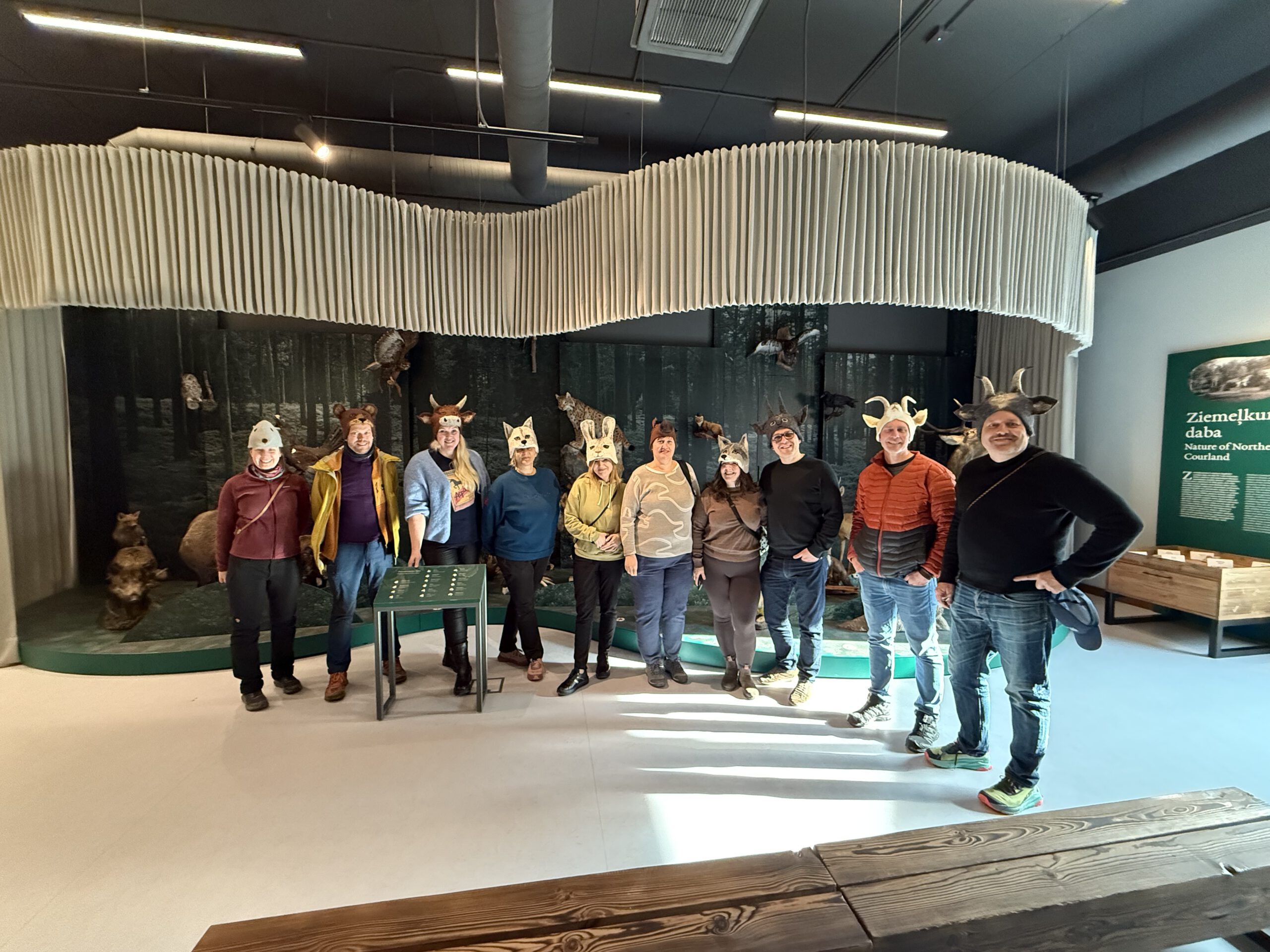
In Ventspils, partners visited the accessible Seaside Open‑air Museum, which presents the history of the Kurzeme coast and the livelihoods of Latvian and Livonian farmers and fishermen. The visit also introduced the Travelling Museum – an innovative, mobile exhibition chest containing miniature objects that make local history accessible to everyone, including children and people with visual or mental disabilities. The idea was originally developed during an accessibility hackathon in Estonia and later realised in cooperation between six museums in Kurzeme and project partners. Today, Travelling Museum chests are available in six museums in Kurzeme and three in Estonia.
Another site visit took place at Lake Būšnieki beach, improved as part of the Access Routes project – one of the seven projects forming the RegenT platform. The area demonstrates inclusive design in practice, featuring accessible paths and boardwalks, resting areas, changing cabins, an outdoor gym and tactile bird figures accompanied by bird sounds native to the lake environment.
Hosting regenerative tourism
The meeting venue itself, Nature Park Laumas, provided an inspiring setting aligned with RegenT’s values. With more than 20 years of experience as a family‑run tourism business, the park combines accommodation, hiking trails, sauna traditions, local food and environmental education activities for children, schools and summer camps.
Connecting platform projects
The Kurzeme meeting highlighted the strong links between RegenT and its platform projects. The Access Routes project, led by the Kurzeme Planning Region with partners from Latvia and Estonia, aims to improve accessibility in tourism destinations and expand the mapeirons.eu platform with accessible routes, cultural heritage sites, accommodation and services. By developing and testing accessible 1–3 day travel routes, the project contributes concrete solutions aligned with RegenT’s broader regenerative tourism objectives.
Local communities and municipalities participated in choosing the sites for increased accessibility, thus showing how tourism can support initiatives that have benefits for locals and visitors alike. “The European Commission estimates that over 87 million people in the EU live with some form of disability, while an even larger number of travellers face temporary mobility limitations due to age, injury or family circumstances. Improving accessibility in tourism therefore benefits not only specific groups but a much wider share of society. Creating destinations that are accessible to everyone contributes to inclusive urban environments, better visitor experiences and stronger local economies.”
Looking ahead
The partner meeting in Kurzeme reinforced the value of combining strategic collaboration with real‑life examples. By learning directly from places and initiatives that are already putting regenerative and inclusive principles into practice, RegenT continues to build a shared understanding and a solid foundation for lasting change in tourism across the Baltic Sea Region.

Additional links
details
-
Homepage
-
Project typeProject Platform
-
ImplementationJuly 2025 - June 2028
-
StatusOngoing
-
Contribution to EUSBSRPolicy Area Tourism

-
Target groups
- Interest group
- International governmental organisation
- Local public authority
- Regional public authority
- Sectoral agency
-
Social media
-
Additional links
-
Tags