





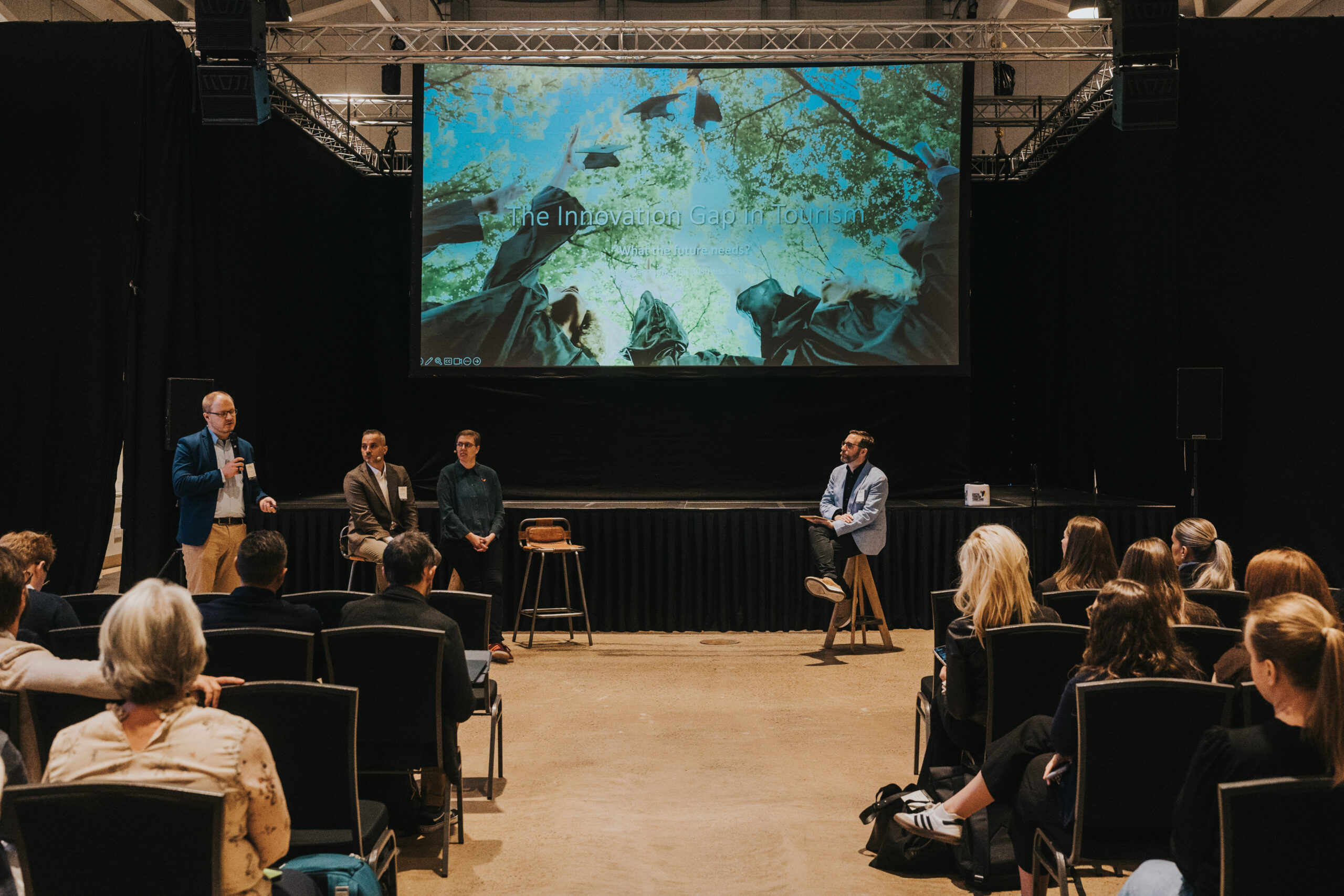
RegenT joins the tourism conversation at DTTT CAMPUS 2026 in Turku
02 October 2026
For RegenT, the event was particularly relevant through the participation of two project partners participated. It also provided another opportunity to strengthen our cooperation with the Digital Tourism Think Tank (DTTT). DTTT is working with RegenT on the development of the project’s knowledge hub, helping us consider how knowledge and tools from the project can be made useful and accessible to destinations and tourism developers.
It was also great to hear RegenT’s regional work was mentioned on the CAMPUS stage, bringing experiences from the Baltic Sea Region into the wider discussion about the future of tourism.
The presentations offered plenty of food for thought for the project. One recurring question was how we define success in tourism. A presentation on “Wonderful KPIs” from Chile questioned the reliance on traditional indicators such as arrivals, expenditure and GDP alone. Instead, destinations were encouraged to involve residents and other local actors in deciding what matters and to consider cultural, ecological and community wellbeing alongside economic measures.
Visit Finland presented how moving “from pledge to plan” showed how climate action can go beyond reducing emissions to include biodiversity, nature-based solutions, climate adaptation and regenerative approaches.
Various models for influencing visitor behaviour through gamification principals were shown by destinations in the dolomites Copenhagen’s famous CopenPay where visitors can be encouraged to make positive choices through a simple reward model. The initiative has developed from a four-week pilot in 2024 into a year-round model, with the wider Destination Pay approach now being shared with other destinations.
So how can we support destinations in their transition to a tourism based on local value creation? Paganella and Val di Sole tourism boards showed that over a ten-year perspective, using bold leadership and collaborative design utilising community based fur´ture labs, they transitioned their roles from Destination Marketing Organisations to Destination Management Organisations, realigning their budgeting focuses from marketing towards 80% based on destination stewardship. “Conflicts and contrasts aren’t friction, they are its vital energy.” they said.
For RegenT, these discussions connect well with the work already taking place in the development of the RegenT Knowledge Hub and learning platform and gave a broader understanding of the support that is needed. They are also a useful reminder that regenerative tourism needs both the bigger discussion about what we want tourism to contribute to a place, and practical ways for destinations and businesses to start making that change.


Additional links
details
-
Homepage
-
Project typeProject Platform

-
ImplementationJuly 2025 - June 2028
-
StatusOngoing
-
Contribution to EUSBSRPolicy Area Tourism

-
Target groups
- Interest group
- International governmental organisation
- Local public authority
- Regional public authority
- Sectoral agency
-
Social media
-
Additional links
-
Tags