





Meet the Final Three Projects Driving Regenerative Tourism in the Baltic Sea Region
30 April 2026
Developing a New Language for Regenerative Tourism
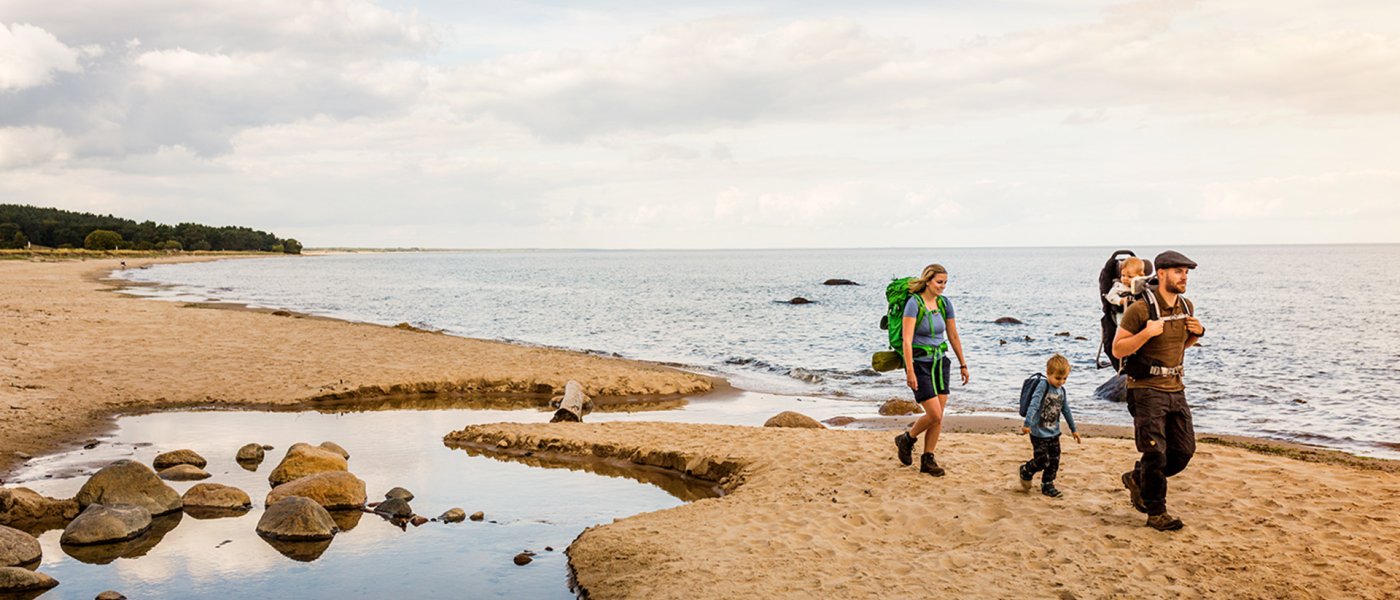
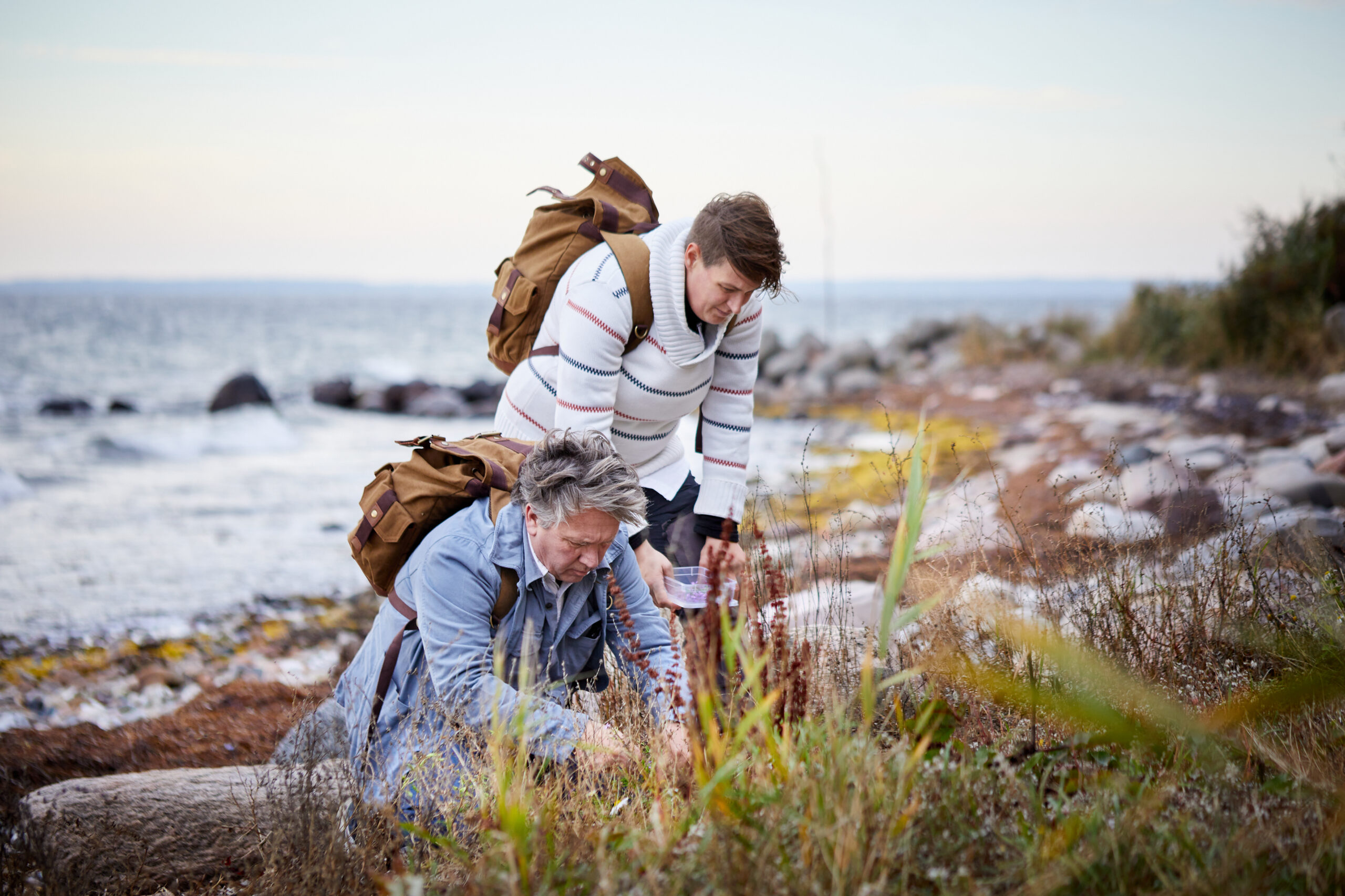
What does regenerative tourism actually look like on the ground, and how do you design experiences that actively restore the places they touch? That is the central question ReTour is working to answer. Bringing together regions across five South Baltic countries, the project goes beyond theory to co-create unexpected, locally defined experiences in nature, gastronomy, and culture, each shaped by the specific conditions and needs of the place in which it is rooted. Through a structured programme of product development, cross-border knowledge exchange, and practical tool-building, ReTour is creating a Regenerative Transformation Toolbox, a self-assessment tool, and a Common Positioning Strategy for the South Baltic area. The result is not a one-size-fits-all model, but a shared framework flexible enough to honour what makes each place unique and ambitious enough to help it thrive.
Building the Collaborative Capacity to Change
Even the best regenerative ideas can stall without the right people, skills, and structures to carry them forward. 3ST – Speeding up Sustainability Skills in Tourism focuses on building these foundations. Uniting eleven partners across the North Sea Region, from DMOs and municipalities to academic institutions, the project researches what it actually takes to make collaboration work in tourism destinations. Through nine regional pilot projects focused on reducing energy, waste, and water use, 3ST tests and refines models for multi-stakeholder value creation, grounded in Theory of Change methodology. Its outputs, including a Best Practice Catalogue, a Monitoring Framework, and a Sustainable Tourism Development Strategy, are designed to be transferable, giving destinations across the region the tools and confidence to lead their own transitions. The core insight is simple but powerful: no single actor can drive regenerative change alone.
Opening Tourism Up to Everyone
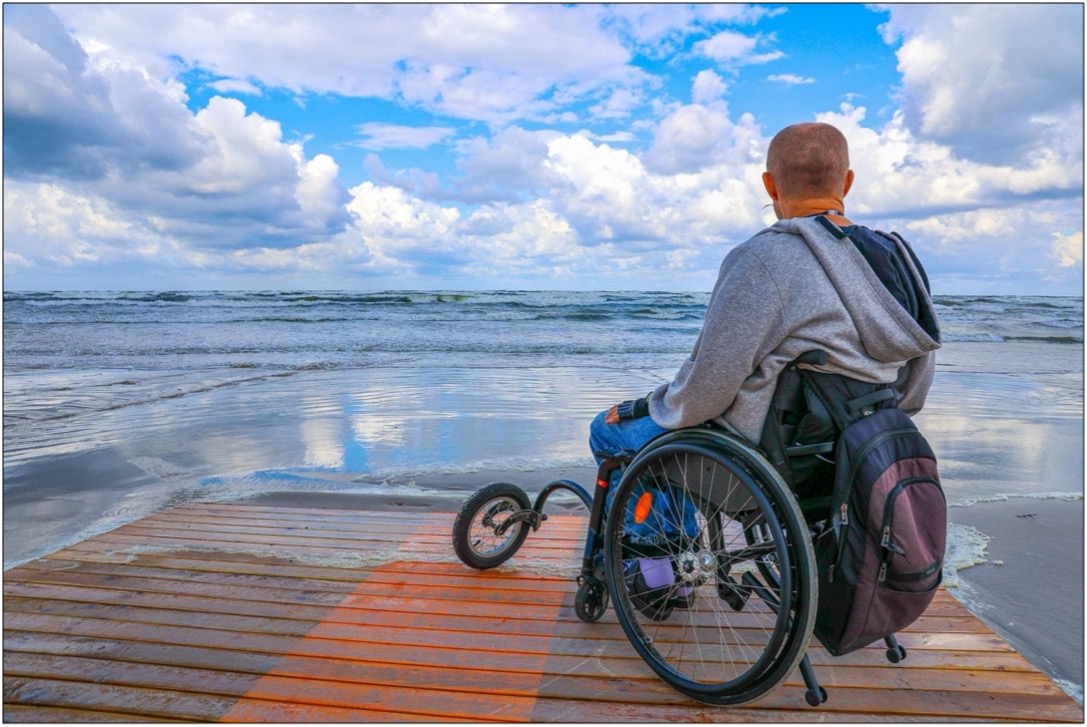
Regeneration is not only about restoring nature. It is also about restoring the relationship between people and place, and ensuring that relationship is open to all. This is what Access Routes set out to do. Working across Estonia and Latvia, the project developed 30 safe, tested, and accessible 1-3 day routes through nature and cultural heritage, including cross-border itineraries. Tactile and sensory installations at 21 sites invited visitors of all abilities to experience local landscapes in new ways, while a unified accessibility quality standard ensured consistency and trust across the entire network. By investing in inclusive access, Access Routes broadened who tourism is for, welcoming people with disabilities, seniors, and families into spaces and experiences previously out of reach, and in doing so deepened the duty of care that defines truly regenerative destinations.
RegenT – Connecting the Dots
What unites ReTour, 3ST, and Access Routes, and indeed all seven RegenT projects, is a shared conviction that tourism must do more than sustain. It must restore. Restore ecosystems under pressure. Restore rural and coastal communities. Restore access, equity, and meaning to the visitor experience. And restore the collaborative relationships between people and places that make long-term regeneration possible.
RegenT exists to carry this conviction forward, connecting the knowledge, tools, and lessons of seven projects into a platform that equips public authorities, destination managers, and businesses across the Baltic Sea Region to make regenerative tourism not an aspiration, but a strategy.

Additional links
details
-
Homepage
-
Project typeProject Platform
-
ImplementationJuly 2025 - June 2028
-
StatusOngoing
-
Contribution to EUSBSRPolicy Area Tourism

-
Target groups
- Interest group
- International governmental organisation
- Local public authority
- Regional public authority
- Sectoral agency
-
Social media
-
Additional links
-
Tags