





From knowledge to action: RegenT partners meet in Lahemaa
14 October 2026
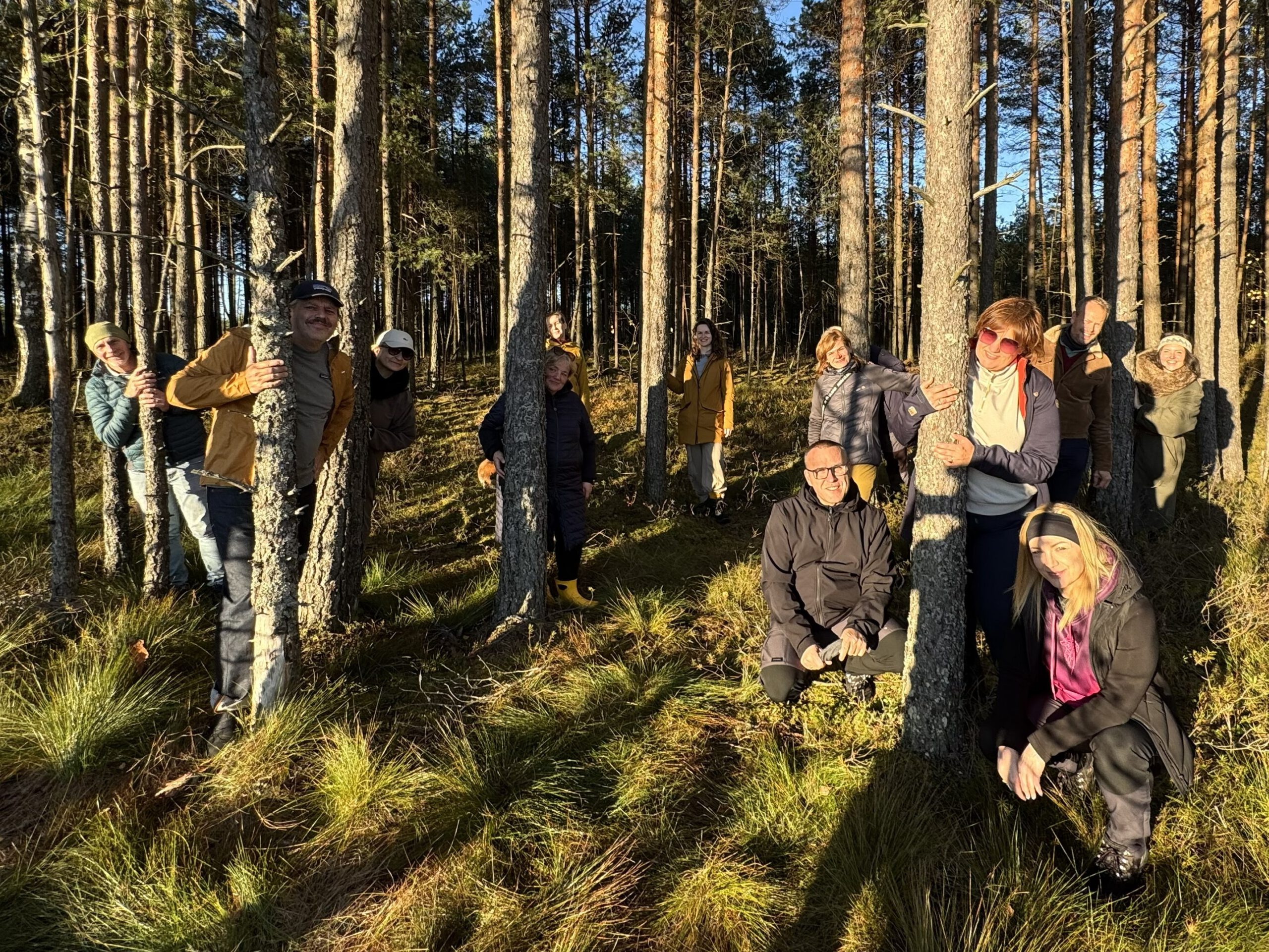
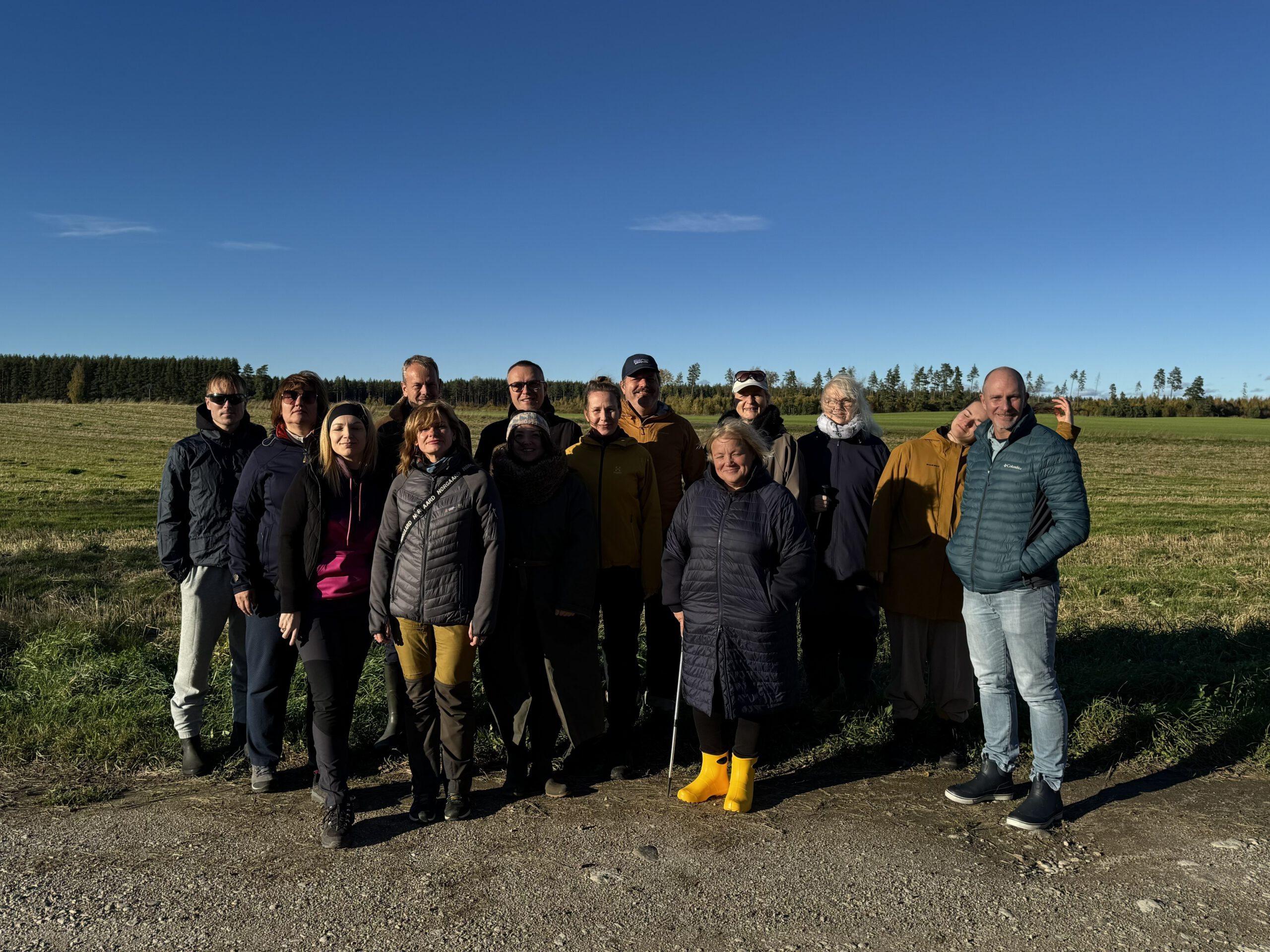
The meeting hosted by project partners, the Estonian Rural Tourism Organisation was held at four different venues where local entrepreneurs have been involved in the contributing projects’ development work. This began with a visit to Valgejõe Winery, a pilot company from the BASCIL project, where partners heard about experiences from the project and the use of local heritage and local procurement in developing tourism offers. Common for all entrepreneurs that we met was their commitment to the local community and nature conservation as they all were located within the Lahemaa National Park cooperation are.
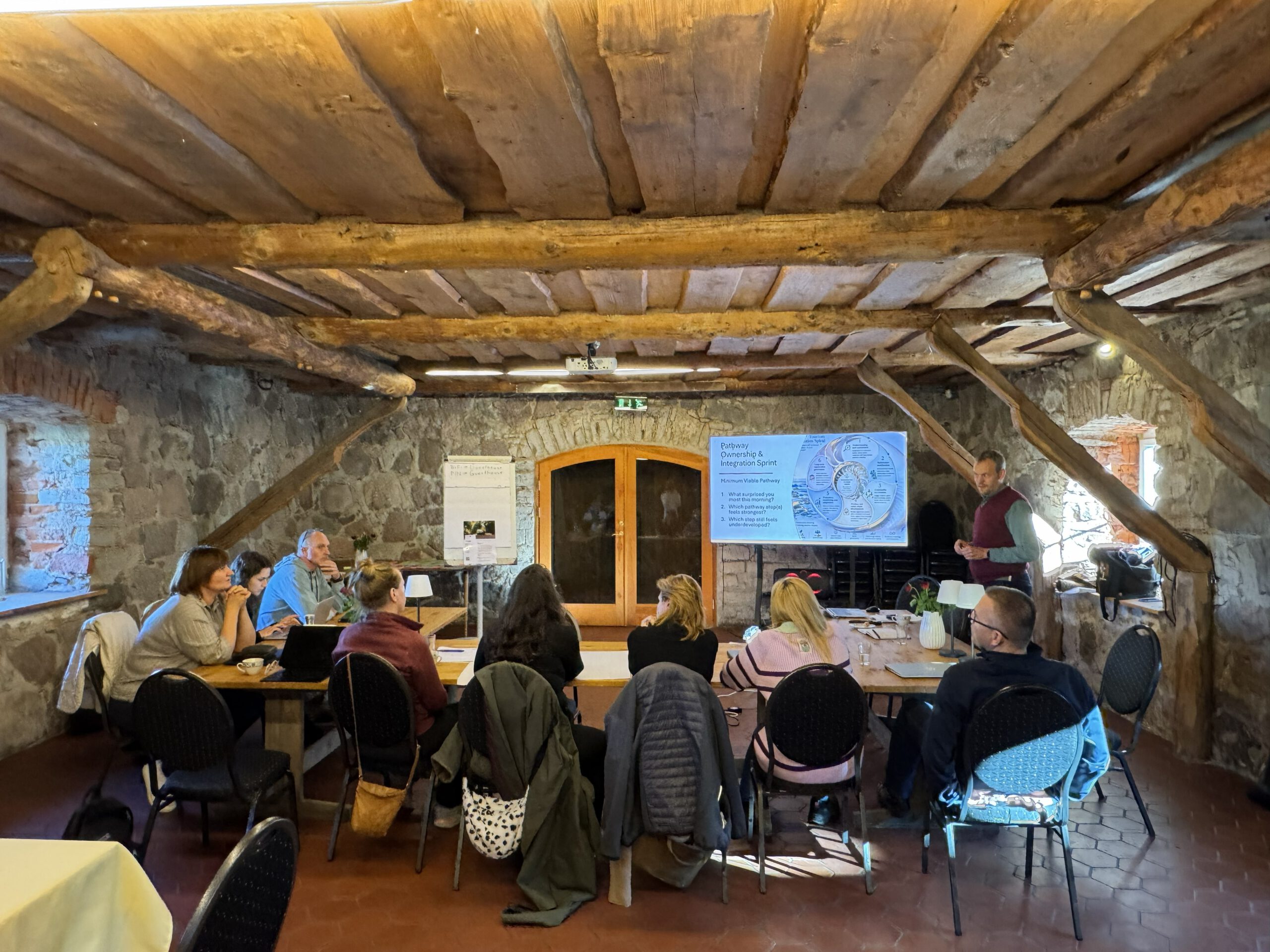
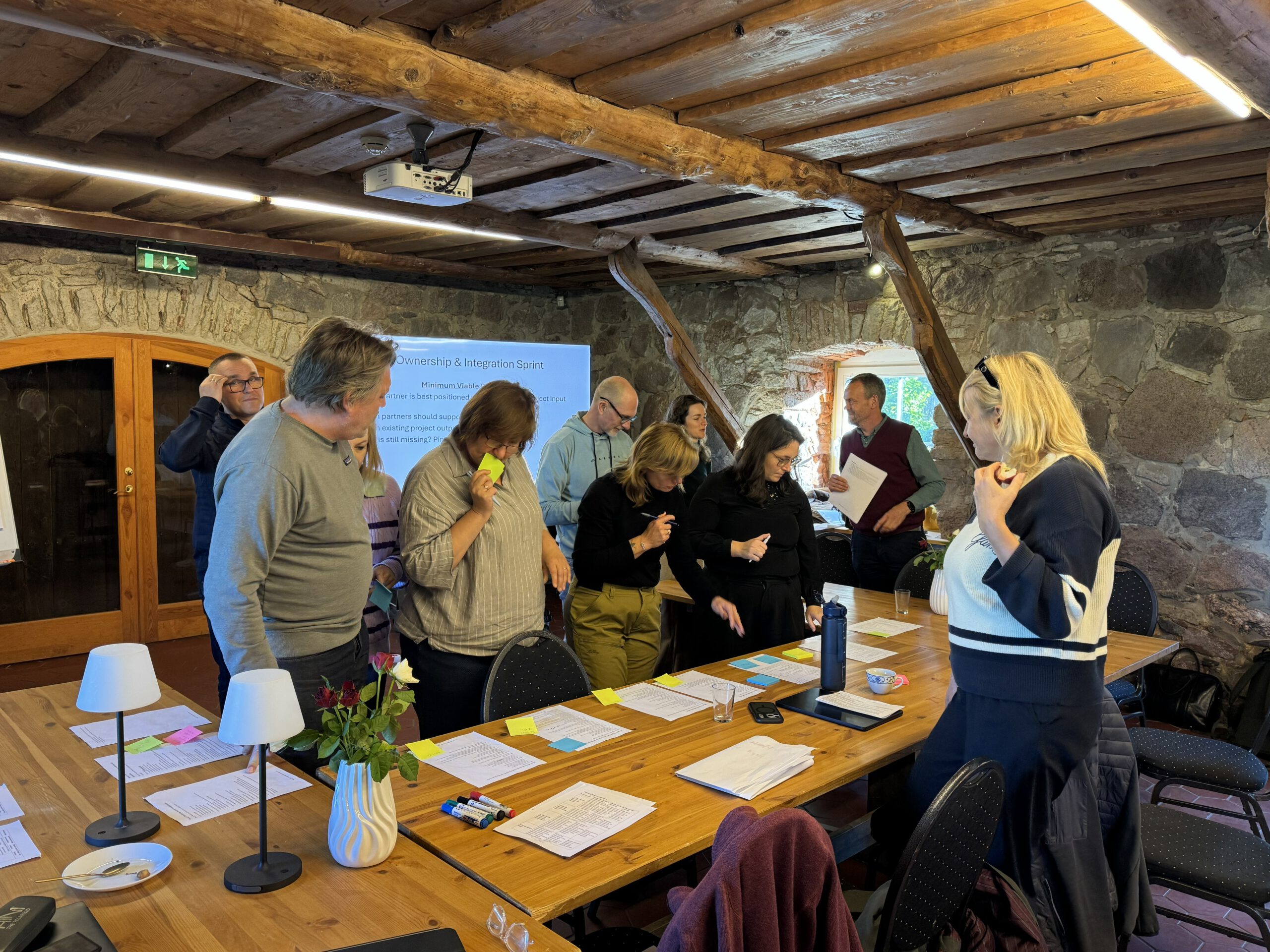
The main working sessions then turned to one of RegenT’s key outputs: the Regenerative Tourism Knowledge Hub. Partners worked together on the Hub’s established pathway, mapped existing project tools and resources to the pathway. Not a simple exercise for a pathway framework that should offer accessible entry points but also depth in its strategic advice.
A central question was how the Hub can help destinations move from understanding regenerative tourism to actually putting this into practice. Recent gap analysis highlighted the need for less discussion about the concept itself and more practical support for implementation, measurement and stakeholder engagement. The Hub is therefore being developed as a process-oriented resource, connecting systemic change with practical tools and guidance that destinations can use at different stages of their regenerative journey
The discussions in Lahemaa helped take this a step further. The emerging RegenT pathway moves through ten questions, beginning with why a destination should work with regenerative tourism and who needs to be involved, before moving towards action, experimentation, measuring progress and maintaining regeneration over the long term, all illustrated with the contributing methodologies and tools from our seven projects.
Climate resilience and adaptation was another important part of the meeting. The changing climate conditions facing the Baltic Sea Region were presented. The regional outlook includes continued warming, changes in precipitation, declining sea ice and rising sea levels, although the impacts vary considerably across different parts of the Baltic Sea. This was then transferred to the impacts they have upon tourism operators. A climate adaptation tool is one of the components of the knowledge hub.
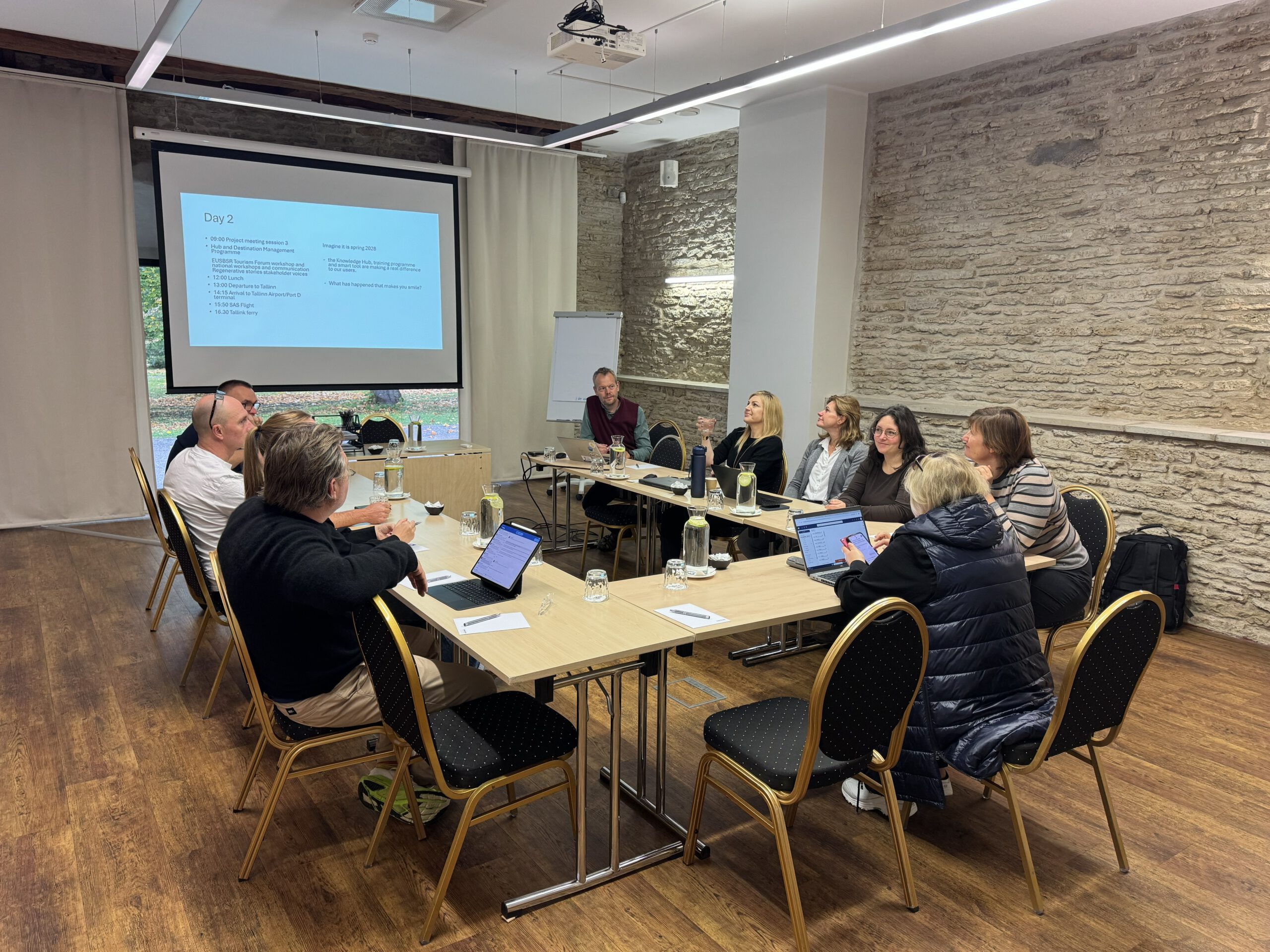
The meeting also looked beyond the Knowledge Hub itself and the connection to the planned Regenerative Destination Management Programme, the Strategy Navigator and future personalised guidance, so that knowledge, training and practical action support the same regenerative transition process. The capacity-building programme is planned around six modules covering the foundations of regenerative tourism, destination transformation, climate action, visitor-centred regenerative economies, stakeholder engagement and implementation. The first cohort of the programme will launch in autumn 2027 by a live event, following cohorts will be eld through a self-guided process.
By the end of the meeting, the focus had shifted firmly towards the next stage of RegenT: making the knowledge gathered from across the Baltic Sea Region useful in practice and the project legacy stage from2028-2033. The work in Lahemaa helped connect the different pieces of RegenT into a clearer journey for destinations, from understanding and participation to action, learning and long-term stewardship.

Additional links
details
-
Homepage
-
Project typeProject Platform
-
ImplementationJuly 2025 - June 2028
-
StatusOngoing
-
Contribution to EUSBSRPolicy Area Tourism

-
Target groups
- Interest group
- International governmental organisation
- Local public authority
- Regional public authority
- Sectoral agency
-
Social media
-
Additional links
-
Tags