




Partner meeting in Kaunas
02 November 2026
Practical insights shape the next phase of REDIRECT
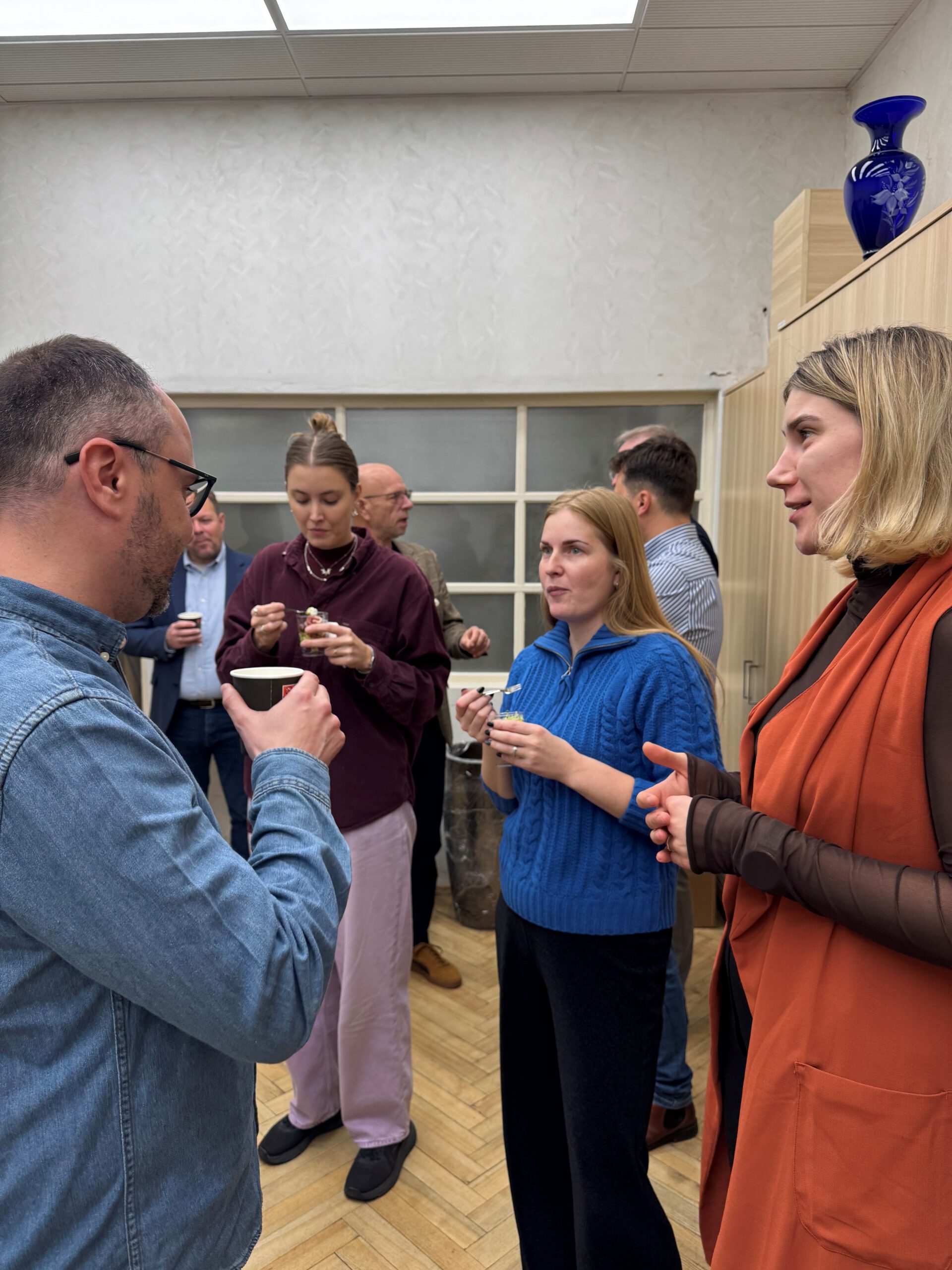
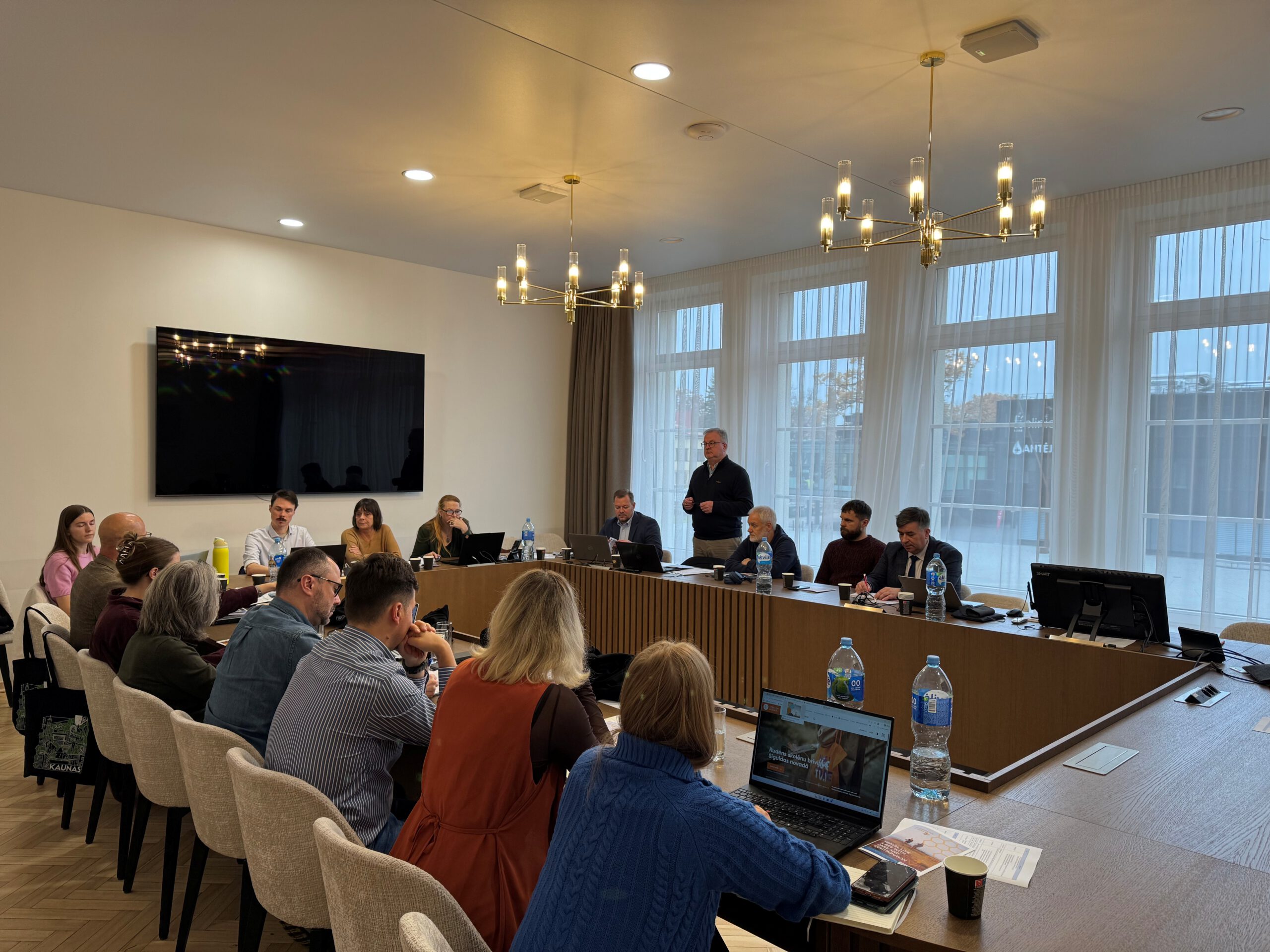
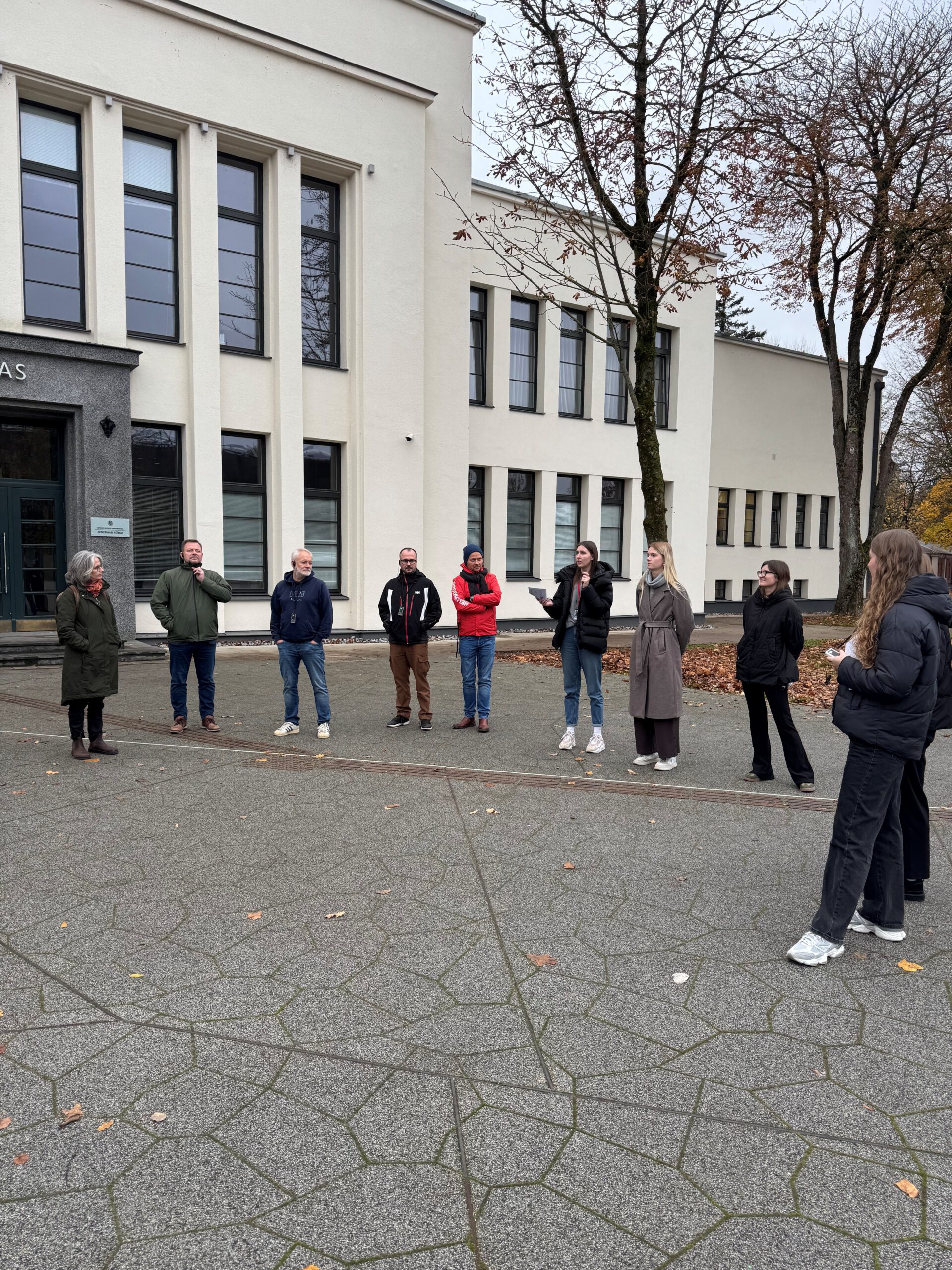
As REDIRECT continues refining its Regenerative Tourism Toolkit, practical experiences and stakeholder feedback are helping shape the project’s next phase. At the partner meeting in Kaunas, Lithuania, on 28–29 October 2026, representatives from across the Baltic Sea Region reviewed findings from the testing phase, discussed improvements to the Toolkit and prepared for the development of regenerative tourism experiences in the pilot destinations.
Making regenerative tourism tools more accessible
A central focus of the meeting was the consolidated feedback gathered through testing REDIRECT’s tools with stakeholders in different destination contexts.
The discussions highlighted the importance of ensuring that the Toolkit is not only methodologically sound, but also accessible and relevant to the organisations, businesses and communities expected to use it.
Several areas for refinement were identified, including clearer guidance, more practical approaches and stronger connections between the individual tools.
The Step-by-Step Regenerative Tourism Planning Guide, for example, has been further developed towards a more practice-oriented approach. Discussions around The Regenerative Tourist Savoir Vivre Manual emphasised the importance of accessible language, visual communication and adaptation to local destination contexts.
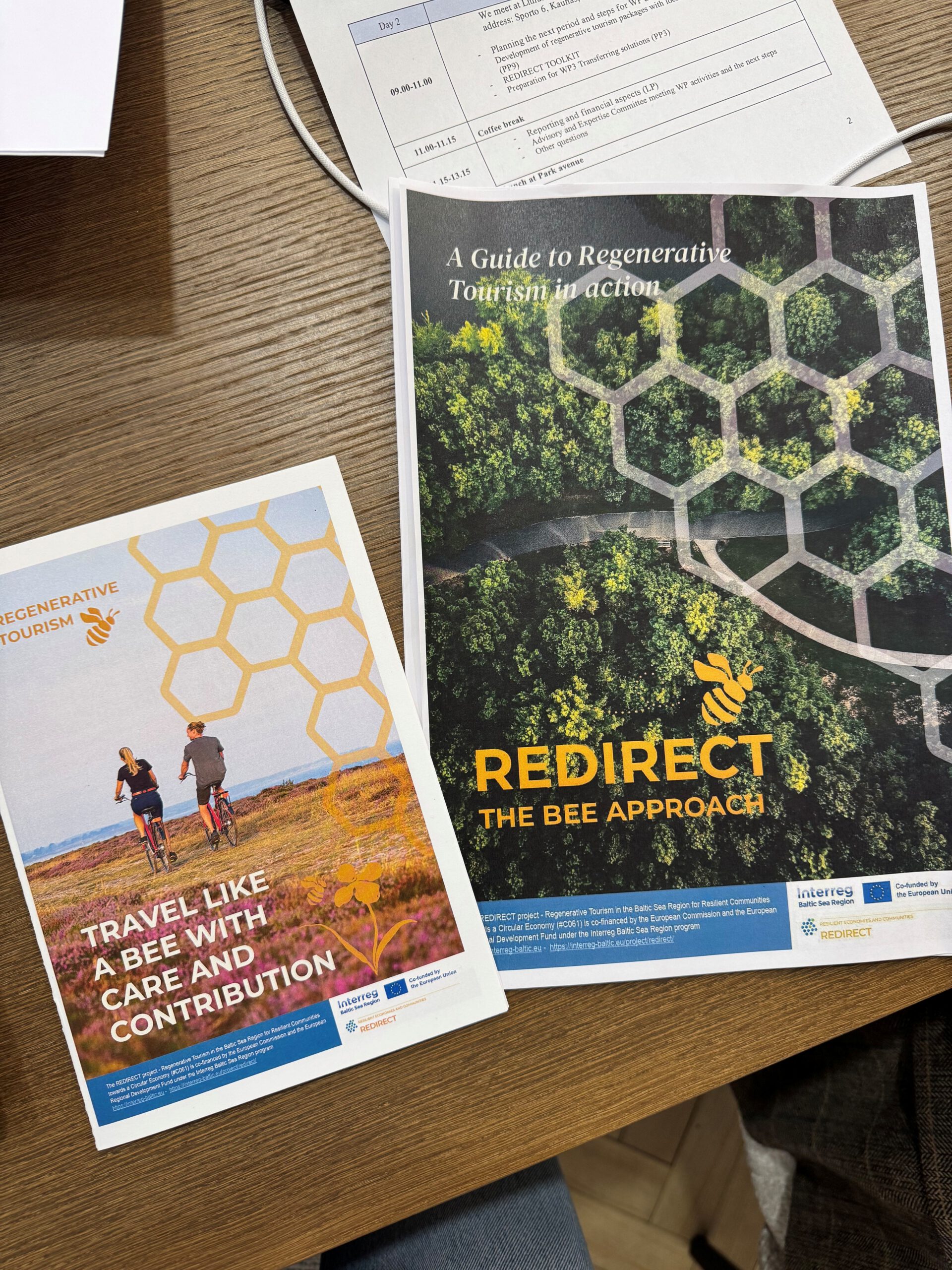
REDIRECT’s Travel Like a Bee narrative also received positive feedback as a way of communicating regenerative tourism through a shared metaphor. By illustrating how visitors can help nourish a flourishing destination, the narrative connects individual behaviour with the wider ecological, social, cultural and economic systems that shape a place.
Together, these insights underline the importance of balancing methodological depth with practical accessibility while allowing flexibility for local adaptation.
Preparing six Regenerative Tours across the Baltic Sea Region
The meeting also provided an opportunity to prepare REDIRECT’s next phase, where the Toolkit will support the development and demonstration of regenerative tourism experiences.
As part of Work Package 3, six promotional Regenerative Tours are planned across the project’s pilot destinations in 2027. These tours will enable relevant stakeholders to experience how regenerative tourism principles can be translated into concrete, place-based activities.
Rather than functioning as conventional sightseeing tours, the activities will demonstrate how tourism can contribute positively to destinations through collaboration with local actors, engagement with natural and cultural resources, and consideration of tourism’s wider impacts.
The tours will draw on the REDIRECT Toolkit and be documented through participant feedback, photographs, videos and assessments of their regenerative impact. The experiences will contribute to knowledge sharing across the partnership and support the potential application of regenerative approaches in other destination contexts.
Connecting with wider European tourism initiatives
The meeting also included a presentation by John Fitzgibbon, Managing Director of NECSTouR, the Network of European Regions for Competitive and Sustainable Tourism.
The exchange provided perspectives on regional destination management, climate action and knowledge sharing, including the role of European networks in connecting tourism initiatives and expertise.
Discussions also explored the relevance of data and opportunities for continued dialogue with wider European tourism networks.
Building on the experiences from Kaunas
The experiences shared in Kaunas will inform the continued refinement of the REDIRECT Toolkit and preparations for the next phase of practical activities.
Alongside the planned Regenerative Tours, the partnership will also prepare for the REDIRECT conference on Læsø, Denmark in September 2027, where project experiences and practical approaches to regenerative tourism will be shared with a wider audience.
Through continued transnational cooperation, stakeholder involvement and practical application, REDIRECT aims to strengthen the capacity of destinations to integrate regenerative principles into tourism development and create positive ecological, social, cultural and economic value for local communities.
A warm thank you to everyone involved for their valuable contributions and constructive discussions throughout the meeting. Special thanks go to our hosts at Lithuanian Sports University for their excellent hospitality and for organising another productive and insightful partner meeting. The programme also offered opportunities to discover Kaunas and its cultural heritage, adding a memorable dimension to the experience.

Additional links
details
-
Homepage
-
Project typeCore Project
-
ImplementationMarch 2025 - February 2028
-
StatusOngoing
-
Contribution to EUSBSRPolicy Area Tourism

-
Target groups
- Local public authority
- Small and medium enterprise
-
Social media
-
Additional links
-
Tags