




From local businesses to nature restoration
15 September 2026
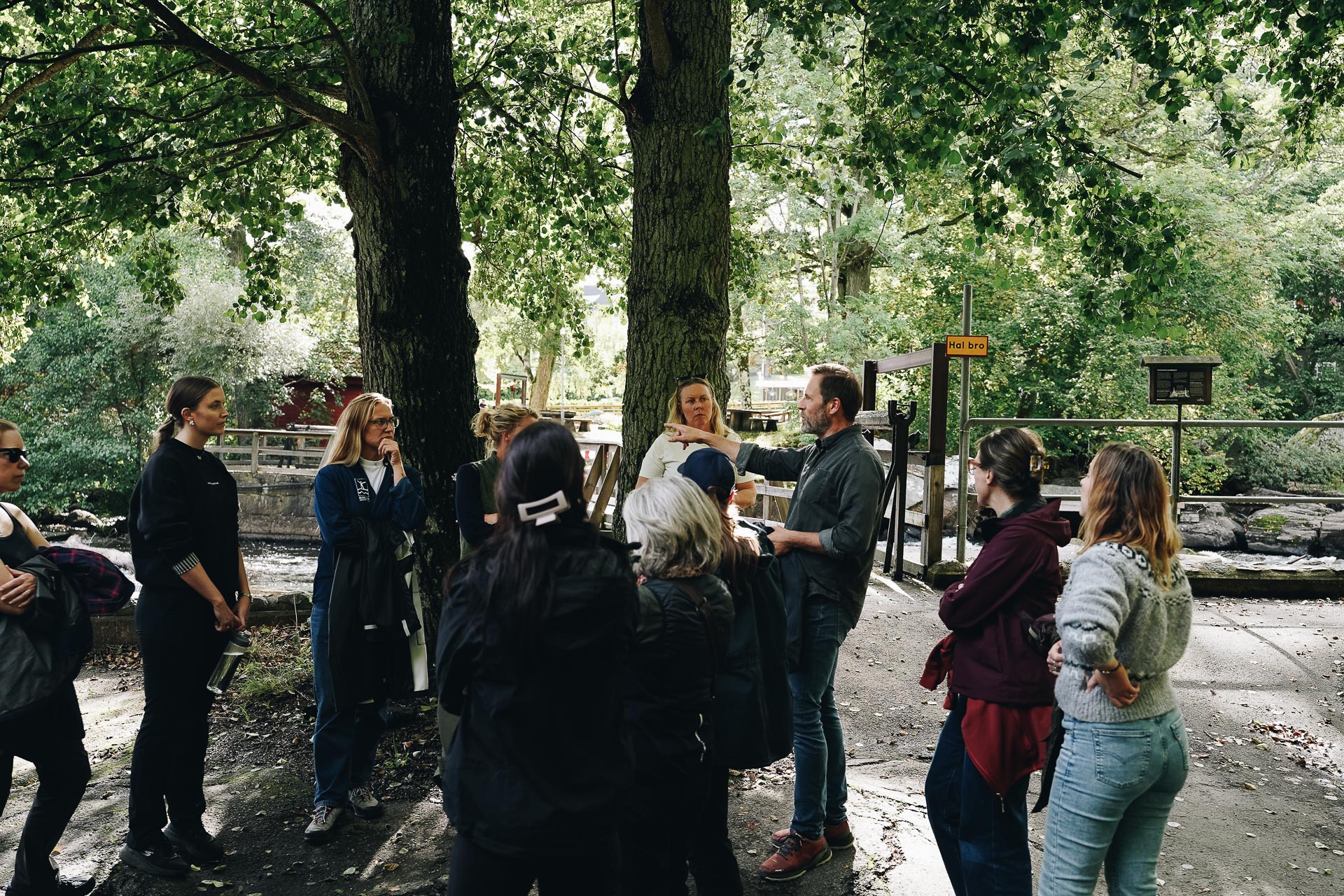
On 15–16 September, representatives from Storkriket Biosphere Reserve visited Blekinge Archipelago to exchange experiences and explore different approaches to sustainable tourism, local engagement and nature conservation.
For REDIRECT, the visit offered an opportunity to look beyond the project itself and learn from existing practices. Several of the initiatives highlighted themes that are central to regenerative tourism: cooperation, stronger connections between visitors and place, local value creation, learning and active care for natural environments.
Connecting tourism with local communities
One of the initiatives explored during the visit was Ark56, a network of walking, cycling, paddling and boating trails through Blekinge Archipelago.
Sixteen hubs along the routes connect visitors with information, transport options, local food, accommodation and experiences. Around 100 local businesses are part of the network, including accommodation providers, restaurants and cafés, guides and experience providers.
The businesses are not only promoted through the network but also act as ambassadors for their local area and the biosphere reserve. Regular networking activities provide opportunities to exchange experiences and strengthen cooperation between local actors.
For REDIRECT, this is an interesting example of how tourism can be connected more closely with local businesses and communities – and how cooperation can help create a stronger relationship between the visitor experience and the place itself.
Turning experiences into understanding and engagement
Other initiatives demonstrated how tourism and outdoor experiences can create opportunities for learning and engagement.
In Saxemara, marine allotments use seaweed cultivation as a way of increasing knowledge and curiosity about marine ecosystems. Activities invite people to learn about life beneath the surface, food from the sea and the importance of healthy marine environments.
Blekinge Archipelago also works with biosphere ambassadors and outdoor learning sites, helping people learn about the area’s nature, culture and sustainability efforts directly in the landscape.
These examples raise an important question for regenerative tourism: how can a visit create not only an experience, but also a deeper understanding of a place and encourage people to care for it?
Where tourism and nature conservation meet
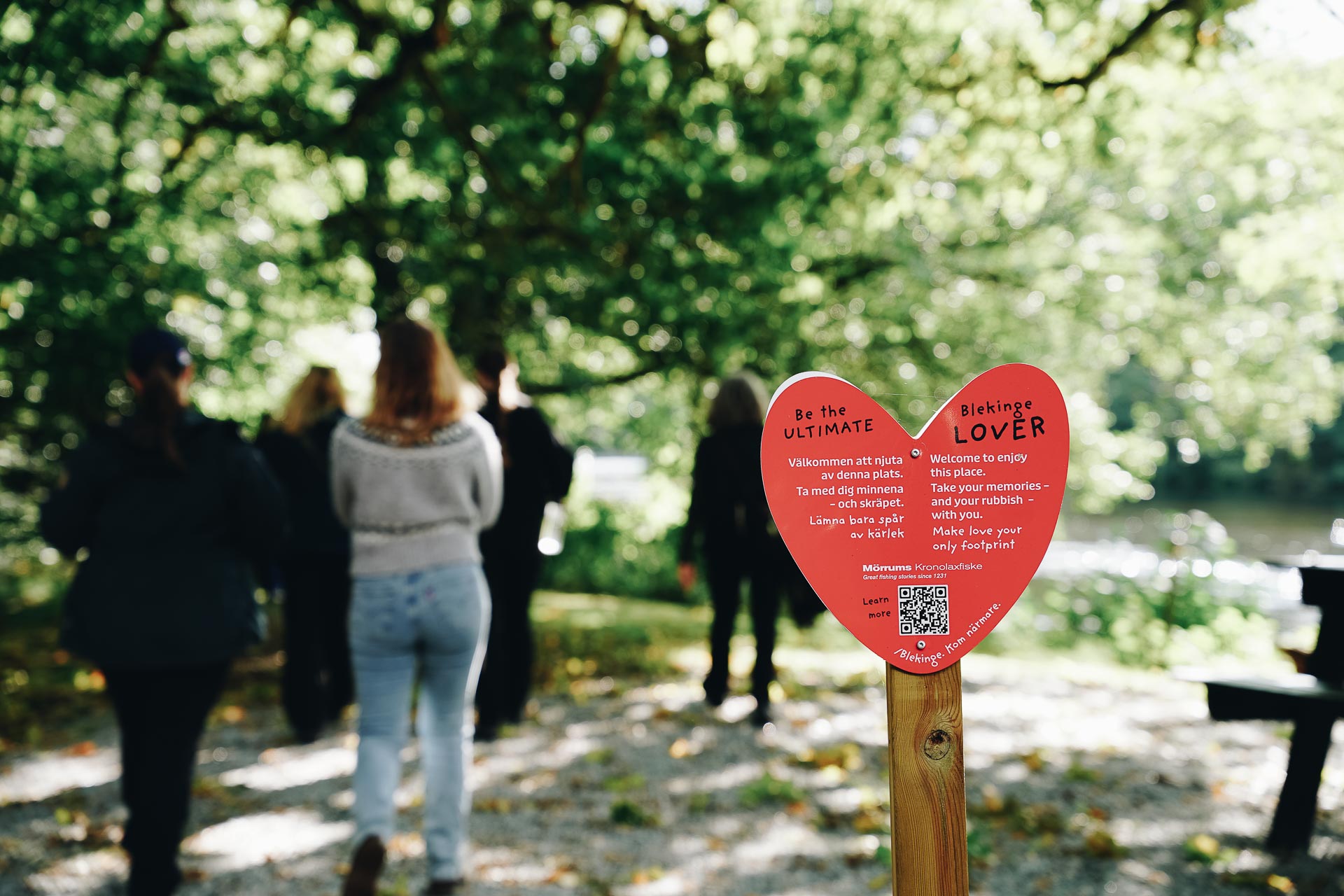
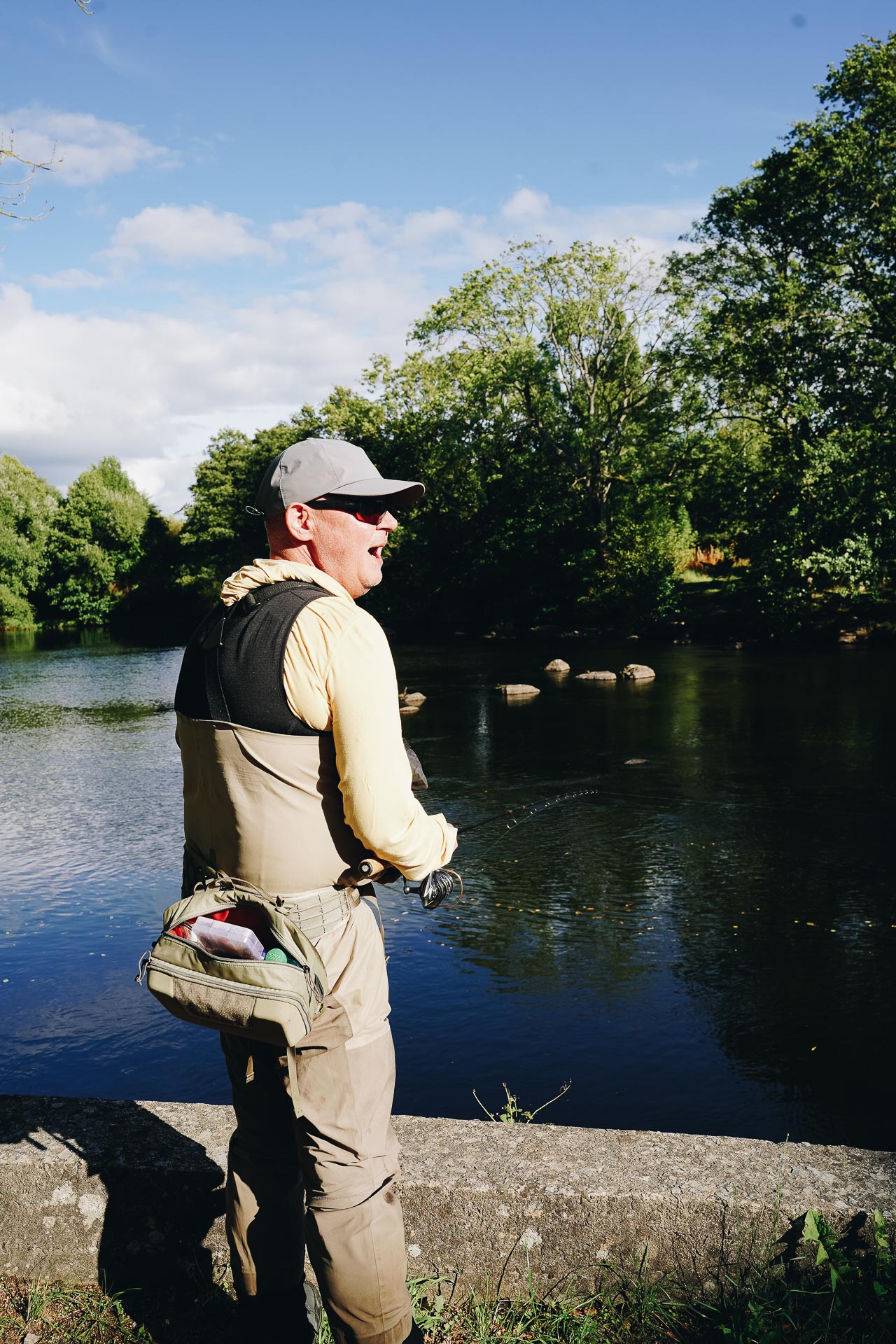
At Mörrums Kronolaxfiske, the group explored an area where tourism, outdoor recreation and nature conservation exist side by side.
The Mörrumsån river is known for salmon and sea trout fishing, while the surrounding area also offers walking, cycling and paddling. Guided activities help visitors understand the river and its ecosystem, while restoration work aims to improve conditions for fish, mussels, insects and other species.
The example illustrates how visitor experiences can be linked with education and active efforts to improve natural environments – moving the conversation beyond how tourism can reduce its negative impacts towards how it might contribute positively to a place.
Learning across destinations
The study visit also included a joint workshop focusing on tourism, cooperation and communication, giving participants an opportunity to compare approaches, discuss common challenges and bring new ideas back to their own destination.
This exchange of experiences is particularly relevant to REDIRECT. Regenerative tourism cannot simply be copied from one destination to another. Each place has its own ecosystems, communities, businesses, challenges and opportunities.
What destinations can do, however, is learn from one another.
As REDIRECT continues to test its tools and approaches across the partner regions, experiences such as the visit to Blekinge provide valuable perspectives on how regenerative principles can take shape in practice – and how tourism can contribute to places rather than simply take place in them.

Additional links
details
-
Homepage
-
Project typeCore Project

-
ImplementationMarch 2025 - February 2028
-
StatusOngoing
-
Contribution to EUSBSRPolicy Area Tourism

-
Target groups
- Local public authority
- Small and medium enterprise
-
Social media
-
Additional links
-
Tags