




Different contexts, recurring lessons: what REDIRECT is learning from testing
24 July 2026
Different contexts, recurring lessons: what REDIRECT is learning from testing
When REDIRECT began testing its Toolkit with stakeholders, one of the central questions was whether similar needs and challenges would emerge across different tourism contexts – and where experiences would differ.
As testing has progressed across the partner regions, a clearer picture is beginning to emerge.
The experiences are not identical. Destinations, organisations, tourism businesses and visitors have different starting points and needs. Yet several recurring lessons are becoming visible: the tools need to be accessible to the people expected to use them, they need to make sense within different local contexts, and useful content alone does not necessarily lead to active engagement.
These insights are now informing the continued testing and refinement of the REDIRECT Toolkit.
Different users need different ways into the Toolkit
Regenerative tourism brings together ecological, social, cultural and economic perspectives and involves actors ranging from public authorities and destination organisations to small tourism businesses and visitors. Testing is showing why this diversity matters when regenerative principles are translated into practical tools.
Across the feedback collected so far, stakeholders have highlighted the importance of accessible language, manageable formats, practical examples and clearer guidance on where to begin. The testing has also raised questions about how much information different users need and how the individual components of the Toolkit should connect.
In Sweden, testing highlighted that material intended for smaller tourism actors needs to be manageable alongside their everyday work. Participants called for clearer target groups, shorter and more accessible formats and stronger adaptation to the people expected to use the tools.
German stakeholders similarly recognised the value of the Toolkit’s comprehensive approach while identifying a need for more practical examples, accessible language and clearer guidance through and between its different components.
These experiences suggest that a common Toolkit does not necessarily require an identical user journey. A municipality, destination organisation, small tourism business and visitor approach regenerative tourism from different positions and may therefore need different routes into the material.
Regenerative tourism has to make sense in the local context
Testing is also reinforcing the importance of place. Regenerative tourism is concerned with contributing positively to destinations, but what constitutes a meaningful contribution depends partly on the destination itself.
In Denmark, testing has highlighted how regenerative value can relate not only to nature and ecological restoration, but also to culture, traditions, social relationships and local economic development. Local resources, challenges, relationships and existing actors therefore become important when regenerative principles are translated into practical activities.
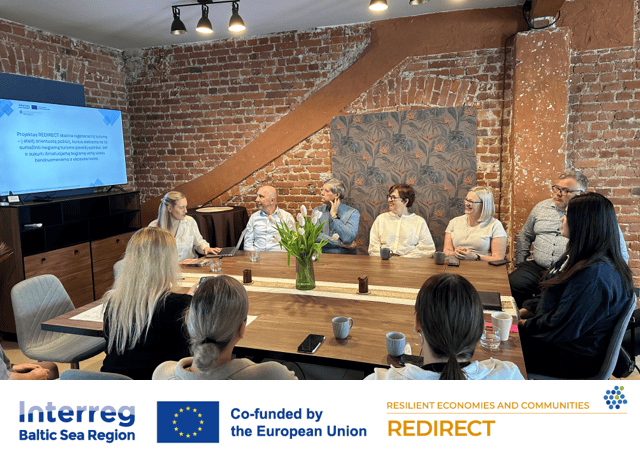
A recent workshop in Lower Silesia, Poland, provides another example. Local authorities, tourism organisations, nature management, civil society and tourism businesses worked with the REDIRECT Toolkit and discussed how local craftsmanship, gastronomy, historical sites and nature could become part of future regenerative visitor experiences.
The purpose is not to identify activities that can simply be replicated across destinations. Instead, the testing helps REDIRECT explore how common regenerative principles can be translated into different forms of action according to local resources, relationships and priorities.
A useful tool is not automatically a used tool
As testing moves closer to practical application, another question is becoming increasingly relevant: what encourages people to actually engage with a tool?
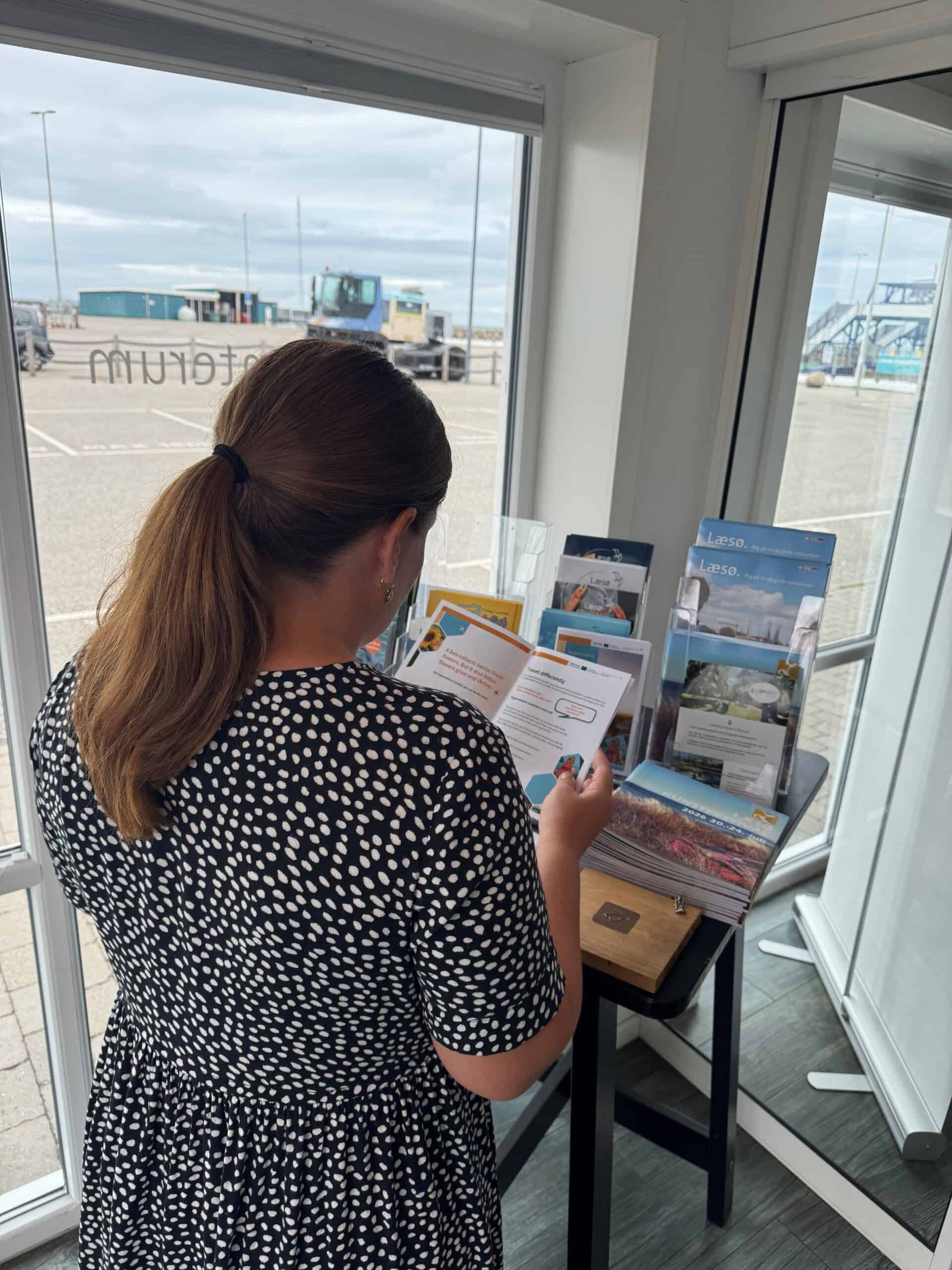
Bremerhaven provides an early example. Following a German validation workshop in June, testing has continued at local level. The Savoir Vivre material has been made available directly to visitors at the Tourist Information and was also distributed during Havenputz, a local clean-up activity in September.
So far, active engagement with the material at the Tourist Information has been limited. At stakeholder level, a similar distinction is emerging: there is general interest in regenerative tourism and the REDIRECT approach, but encouraging organisations and businesses to invest time in actively testing and evaluating the tools remains challenging.
This is an important finding in itself. The relevance of the content is only one aspect of practical usability. Presentation, accessibility and a clear reason for engaging with the material also influence whether a tool is actually used.
Testing in Bremerhaven will continue in October through another structured feedback round with German stakeholders using the updated Toolkit.
Testing to refine the Toolkit
The purpose of the testing phase is not to confirm that the tools are already finished, but to understand how they function when applied by different users and within different destination contexts.
Some findings concern individual tools, while others point to broader questions about usability, target groups, local adaptation, stakeholder engagement and the relationship between the Toolkit components. The consolidated feedback gathered through the testing process will inform their further refinement and finalisation.
The differences between the partner regions are therefore an important part of the process. They enable REDIRECT to identify recurring needs across different settings while also recognising where flexibility and local adaptation are necessary.
As testing continues, the focus is increasingly moving from what a regenerative tourism toolkit should contain towards what it takes for different people and organisations to actually use it in practice.

Additional links
details
-
Homepage
-
Project typeCore Project

-
ImplementationMarch 2025 - February 2028
-
StatusOngoing
-
Contribution to EUSBSRPolicy Area Tourism

-
Target groups
- Local public authority
- Small and medium enterprise
-
Social media
-
Additional links
-
Tags