




PlanHeat contributes to WaterWarmth Live Event with workshop on stakeholder engagement
03 June 2026
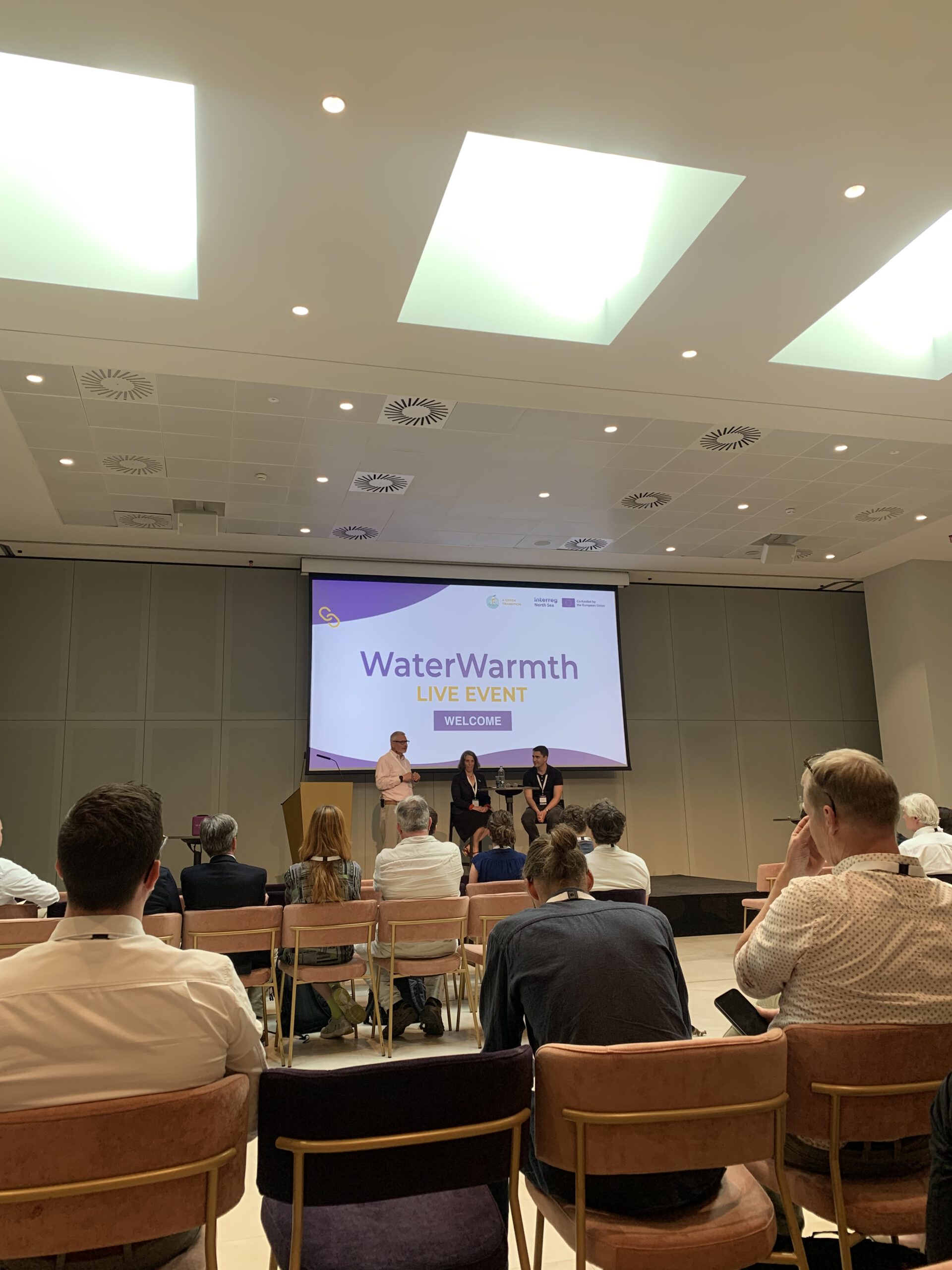
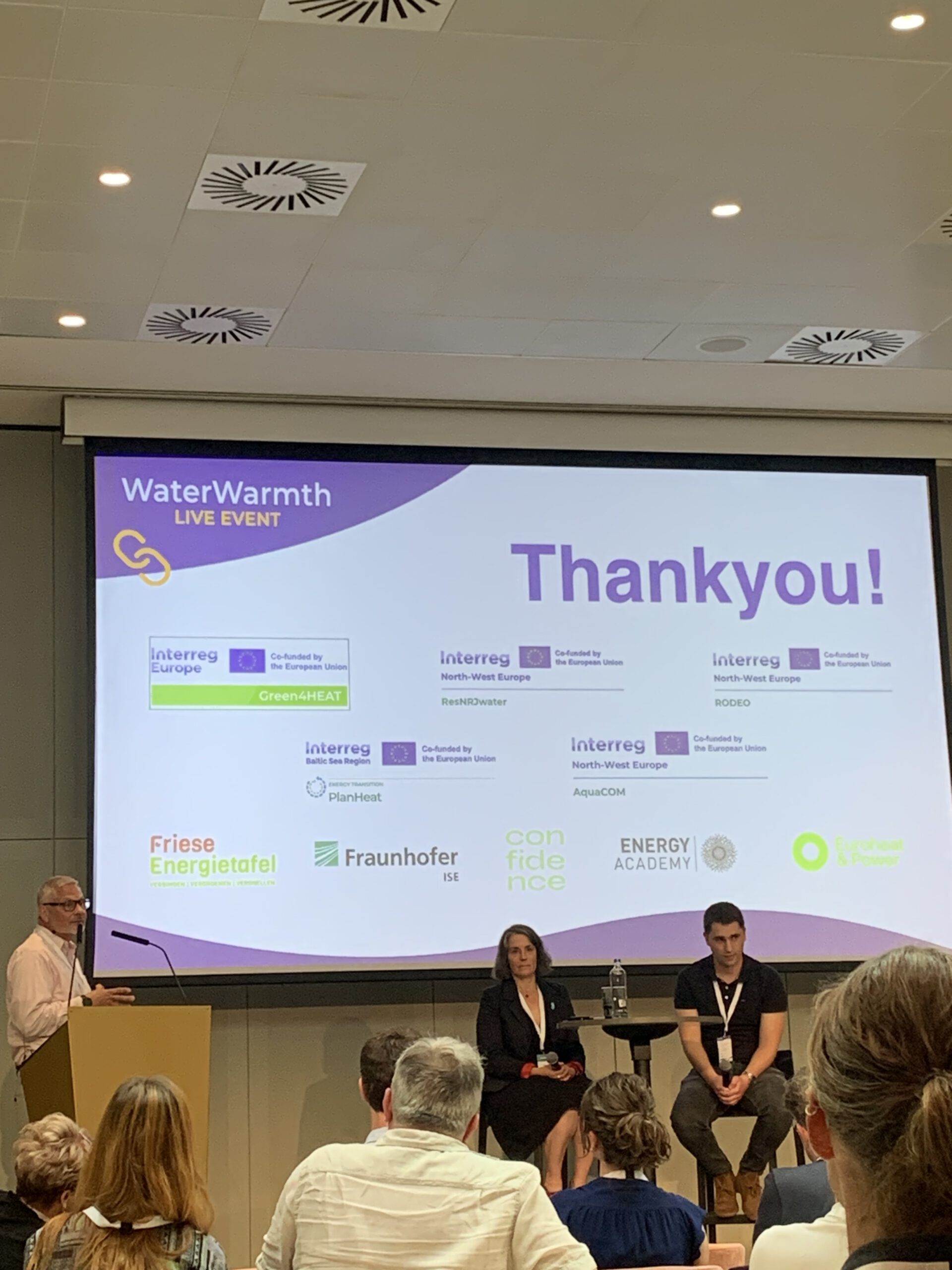
On 26th May 2026, PlanHeat participated in the WaterWarmth Live Event “On the way to sustainable heating!”, held in Antwerp, Belgium, by organising a workshop titled “Successful Stakeholder Engagement in LHP”. The event was organised in the framework of the Interreg North Sea project WaterWarmth and brought together European projects, experts, cities and practitioners working on different aspects of sustainable heating. The programme addressed a broad range of topics relevant to the heat transition, including practical experiences from pilot projects, financing strategies for district heating, aquathermal energy in practice, and tools that can support local action.
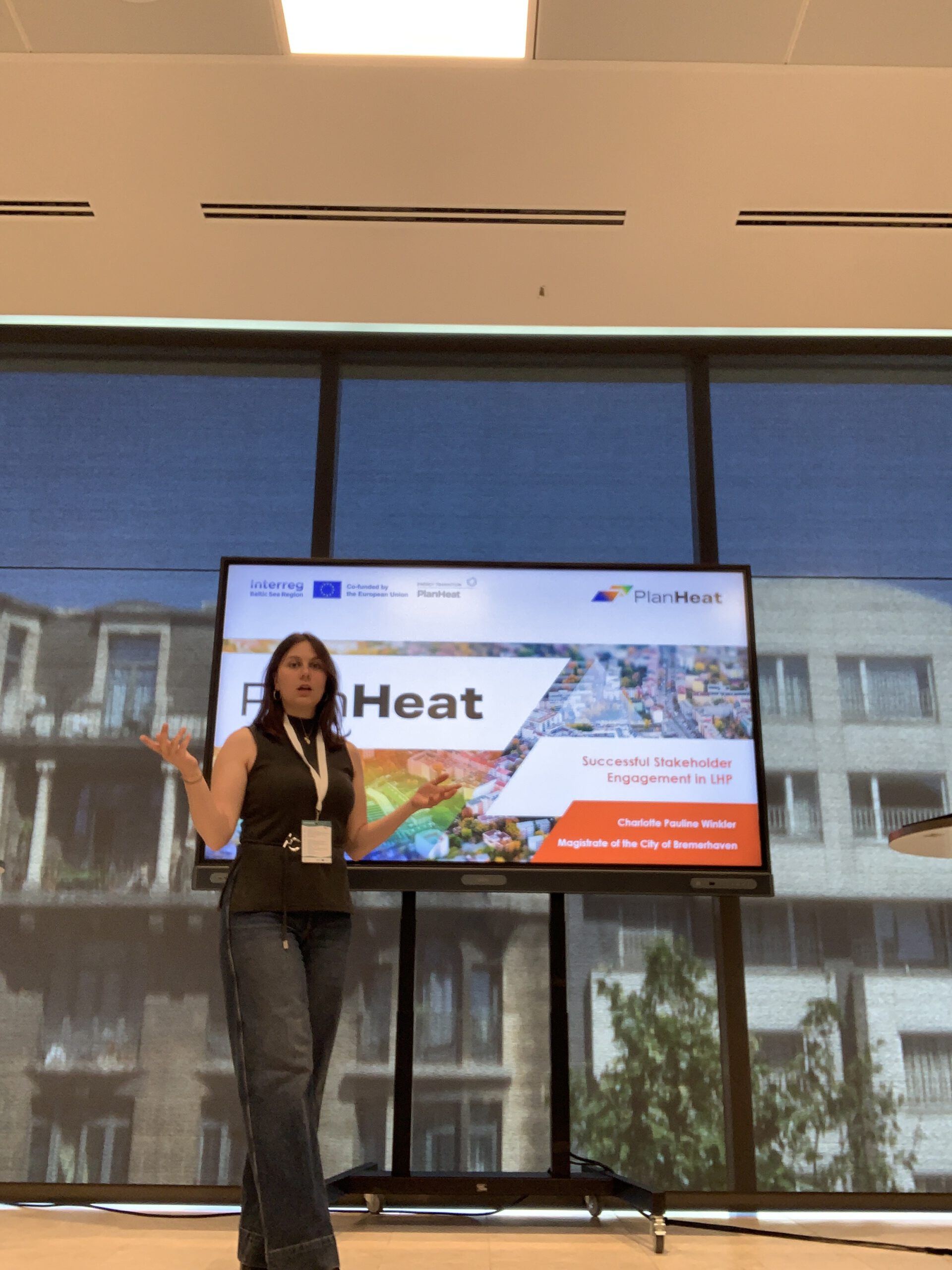
The workshop on stakeholder engagement was delivered by Charlotte Winkler from the PlanHeat Lead Partner City of Bremerhaven. Together with the participants, she discussed why involving local actors is essential for the successful implementation of heat projects, how engagement processes can be designed, and which aspects should be considered from the beginning of local heat planning processes.
A key message of the workshop was that local heat planning is not only a technical or infrastructural task. While data, planning tools and technologies are essential, the successful implementation of heat projects also depends on dialogue and trust between municipalities and citizens. Meaningful engagement can help identify local needs, increase acceptance and create a shared understanding of the steps required for the heat transition.
The workshop provided an opportunity to connect the discussion with concrete practice. Charlotte Winkler shared PlanHeat’s experience with the Climate Mile in Bremerhaven as a best-practice example of how stakeholder engagement can support local transition processes on the ground. Participants also exchanged views on the Net-Zero Hackathon in Riga and further practical examples from the Netherlands and Belgium.
The exchange demonstrated how valuable peer learning between European cities and projects can be when addressing the social and organisational dimensions of sustainable heating. By sharing experiences from different local contexts, participants were able to reflect on practical approaches that can help bring local heat planning closer to the people and organisations affected by it.

Additional links
details
-
Homepage
-
Project typeCore Project

-
ImplementationMarch 2025 - February 2028
-
StatusOngoing
-
Contribution to EUSBSRPolicy Area Energy

-
Target groups
- Infrastructure and public service provider
- Interest group
- Local public authority
- National public authority
- Sectoral agency
-
Social media
-
Additional links
-
Tags