




From citizen engagement to resilient heating systems: PlanHeat partners meet in Lithuania
27 October 2026
On 20th and 21st October 2026, the project partners of PlanHeat gathered in Kaunas and Alytus, Lithuania, for their fourth Transnational Partner Meeting. Over two days, participants discussed the status of project implementation, exchanged experiences on citizen engagement in local heat planning, and explored Lithuania’s approaches to municipal heat planning and modernising district heating infrastructure.
Putting people at the centre of local heat planning
The first day in Kaunas began with the Local Heat Planning Expert Forum under the title “From plans to people: inspiring approaches to citizen engagement in Local Heat Planning”, moderated by the Lead Partner of PlanHeat – the City of Bremerhaven. Following a brief introduction to PlanHeat by Britta Schmigotzki from aconium, Zofia Michlowicz from the Association of Municipalities Polish Network “Energie Cités” (PNEC) presented the project’s practical guidance on engaging citizens and stakeholders in local heat planning.
The forum continued with best practices on stakeholder involvement from across Europe. Kristina Akulova from Alytus’ district heating company, Alytaus šilumos tinklai, illustrated how Lithuania’s district heating companies communicate with residents and work with housing associations via consumer education schemes, providing seminars, consultations, training and energy-saving advice. Sofia Mattsson from the City of Helsingborg presented approaches to engaging local businesses and organisations, while Ilari Rautanen from Tampere University of Applied Sciences highlighted the role of energy expert training in strengthening community engagement.
A recurring message was that effective participation requires more than providing information: Direct dialogue, trusted intermediaries and approaches tailored to local circumstances are essential.
Learning from Ukraine: Building trust before a crisis
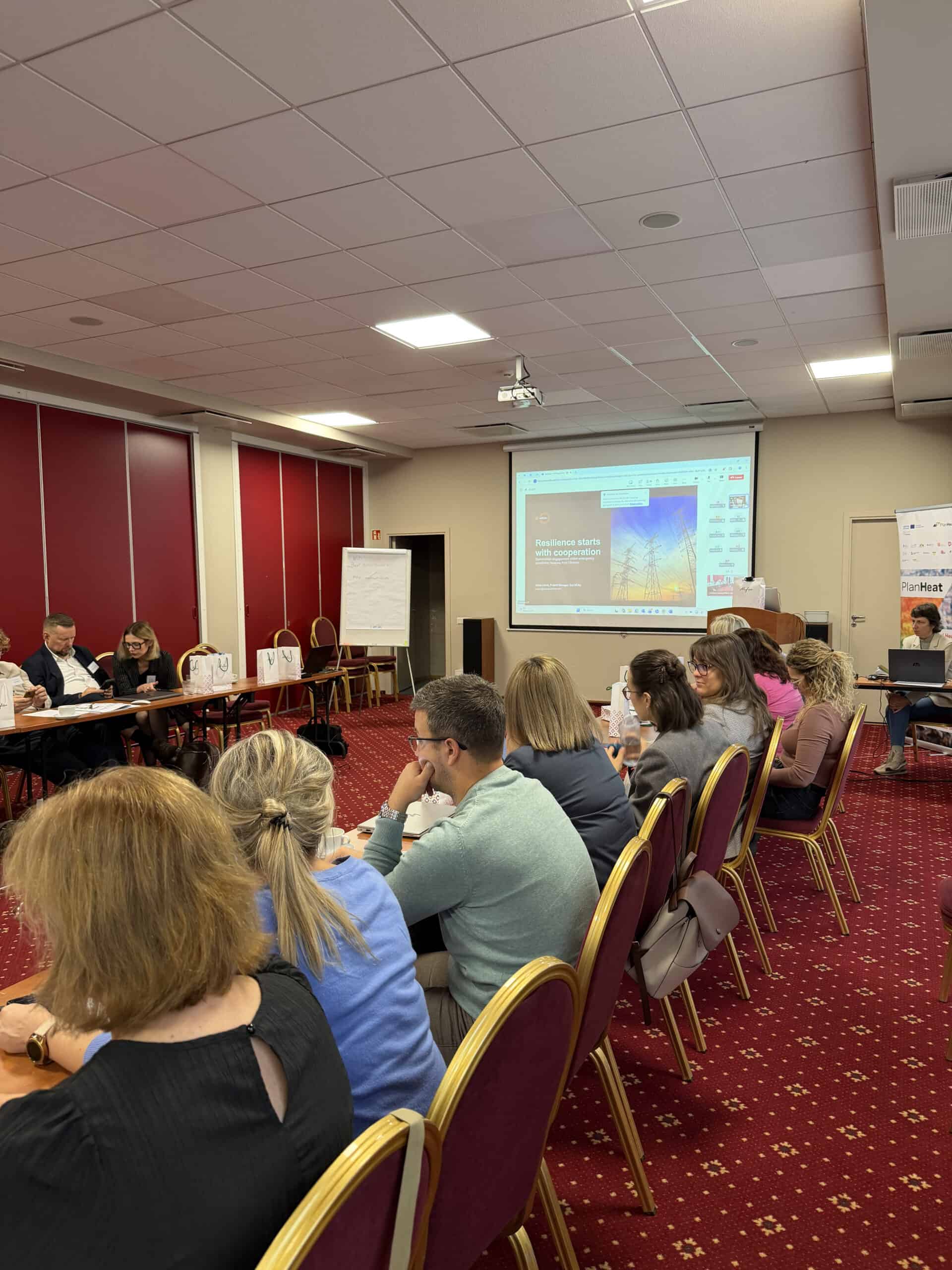
A highlight of the LHP expert forum was the contribution by Yuliia Lidich from GoLocal, PlanHeat’s Ukrainian Associated Organisation, entitled “Resilience starts with cooperation: Stakeholder engagement under emergency conditions – lessons from Ukraine”.
Drawing on Ukraine’s experience of maintaining and restoring energy services under emergency conditions, she explained how cooperation between municipalities, logistic hubs and international partners enables the coordination of urgently needed equipment and assistance.
Her central message was that resilience depends not only on technical infrastructure but also on established relationships, clear responsibilities and flexibility. As she emphasised, it is essential to “build relationships before a crisis, as the trust built in calm times is what can be relied on when something breaks”.
Sharing experiences on stakeholder engagement and Ambassador Regions and Cities
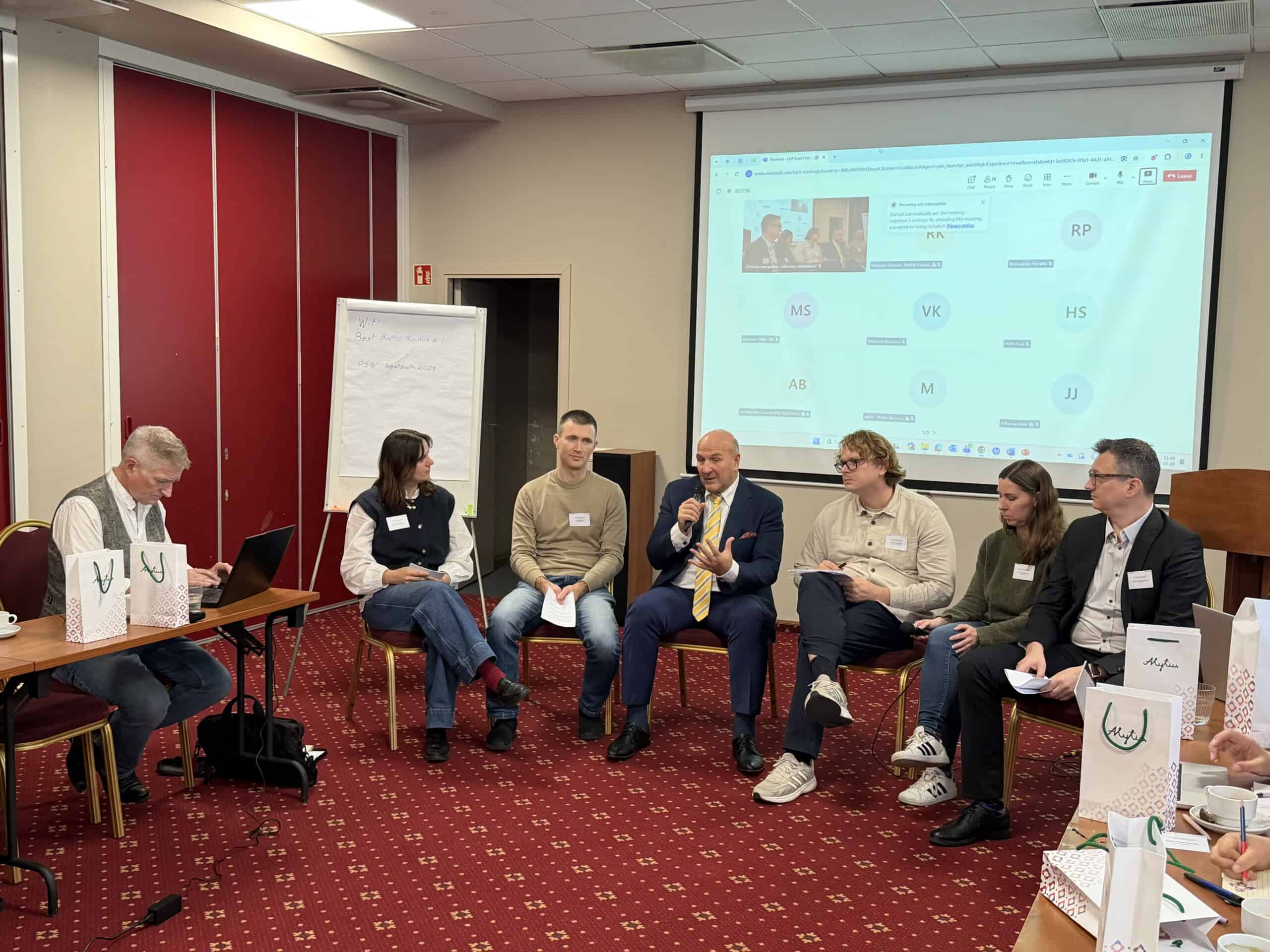
The LHP Expert Forum continued with a panel discussion, featuring representatives from the PlanHeat pilot municipalities of Bremerhaven, Konin, Alytus and Rakvere.
The discussion highlighted different engagement approaches among the piloting municipalities. Andres Jaadla, member of the European Committee of the Regions (CoR) and representative of Rakvere City Council, shared how the city engages specifically housing associations in local heat planning, including through training programmes that help their representatives better understand heating systems and communicate with residents.
In contrast, Konin focuses particularly on older citizens who may be less accessible through digital channels and public information events. In Alytus, extensive know-how on how to reach and inform its residents already exists. Therefore, the focus of the pilot in Alytus will be on how to actively engage and collaborate with relevant stakeholders in local heat planning. In addition, Bremerhaven outlined, how the city is adapting its engagement strategy as its first local heat plan made clear that decentralised heating solutions will become of crucial importance for the city until 2035 and beyond.
Later, partners reviewed the involvement of PlanHeat’s Ambassador Regions and Cities and discussed preparations for upcoming activities to strengthen cooperation and knowledge exchange beyond the pilot municipalities.
Developing the Transnational Manual for Local Heat Planning
The first day concluded with a collaborative workshop on the development of PlanHeat’s forthcoming Transnational Manual for Local Heat Planning. Working in three groups, project partners discussed the manual’s structure and the practical challenges it should address.
A central point of discussion was how municipalities can become equipped to self-assess their own readiness for local heat planning: what data, expertise and resources are already available, what is still missing and which activities need external support. In this regard, partners also discussed the need to address practical aspects in the Transnational Manual such as a step-by-step guide for municipalities and a check-list on how to procure external services fulfilling all requirements related to local heat planning, deriving from Article 25.6 of the Energy Efficiency Directive (EED).
The workshop provided valuable input for shaping the Transnational Manual around the actual needs and capacities of municipalities across the Baltic Sea Region.
Exploring local heat planning in practice in Alytus
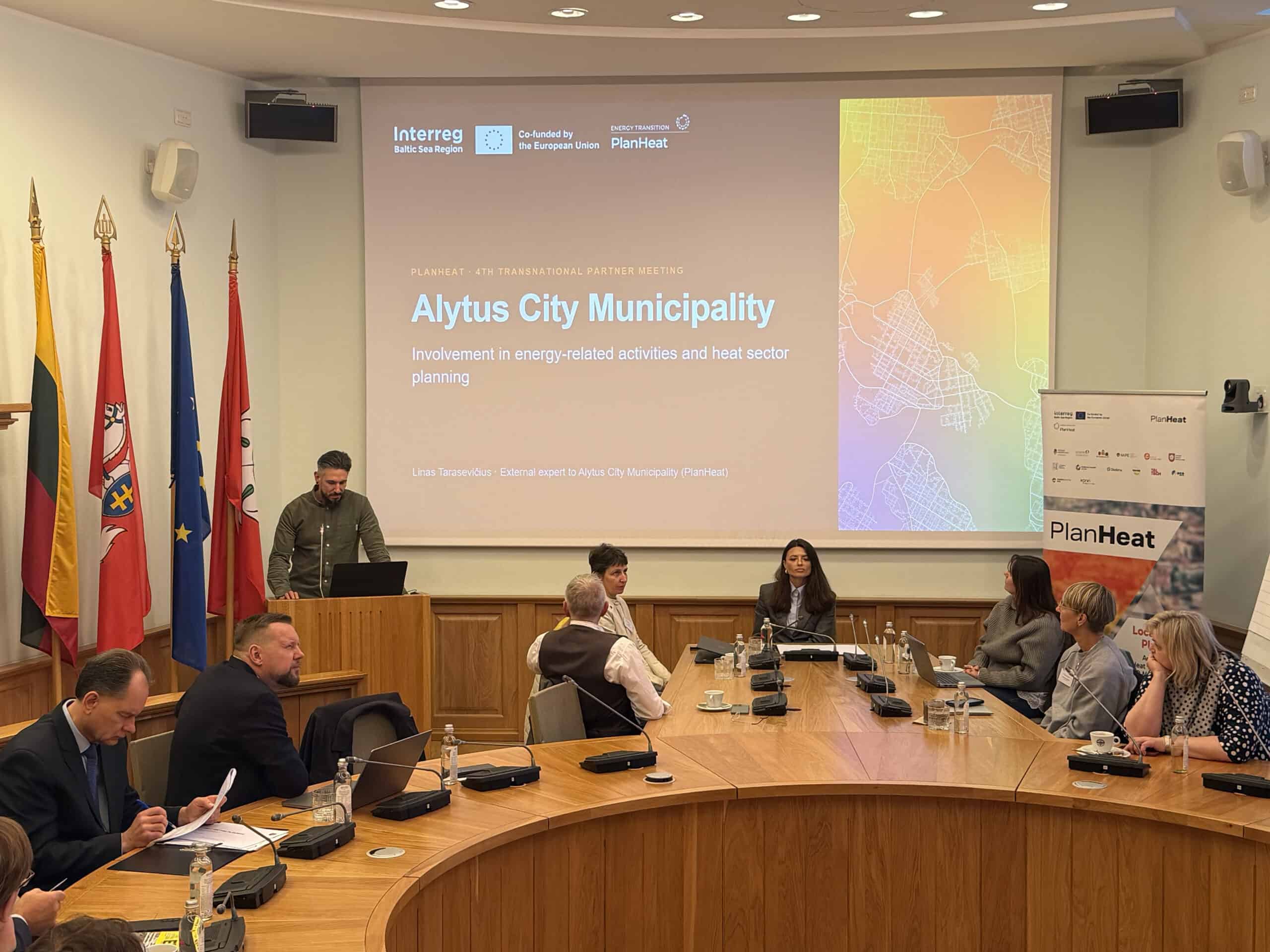
On the second day of the partner meeting, partners travelled to Alytus, where they were welcomed at Alytus City Hall by Vice Mayor Lina Gaidžiūnaitė. Linas Tarasevičius of Alytus City Municipality presented the municipality’s activities in the heating sector, including heat planning, energetic building renovation, monitoring of energy consumption and providing financial support to low-income households to partially cover their heating costs. Particular attention was given to Lithuania’s established system of municipal heat supply planning, which identifies different heating zones and guides infrastructure development and investment decisions.
Kaišiadorys District Municipality, one of PlanHeat’s Lithuanian Ambassador Cities, also contributed to the programme. Its representative, Dr. Gintaras Adžgauskas, presented the municipality’s approach to heat supply planning and the structure of the heating sector in Kaišiadorys. He introduced the audience to the planning process, heating zones and the connection between municipal heat supply plans and long-term investments via 10-year investment plans prepared by the local district heating company.
Behind the scenes of Alytus’ district heating system
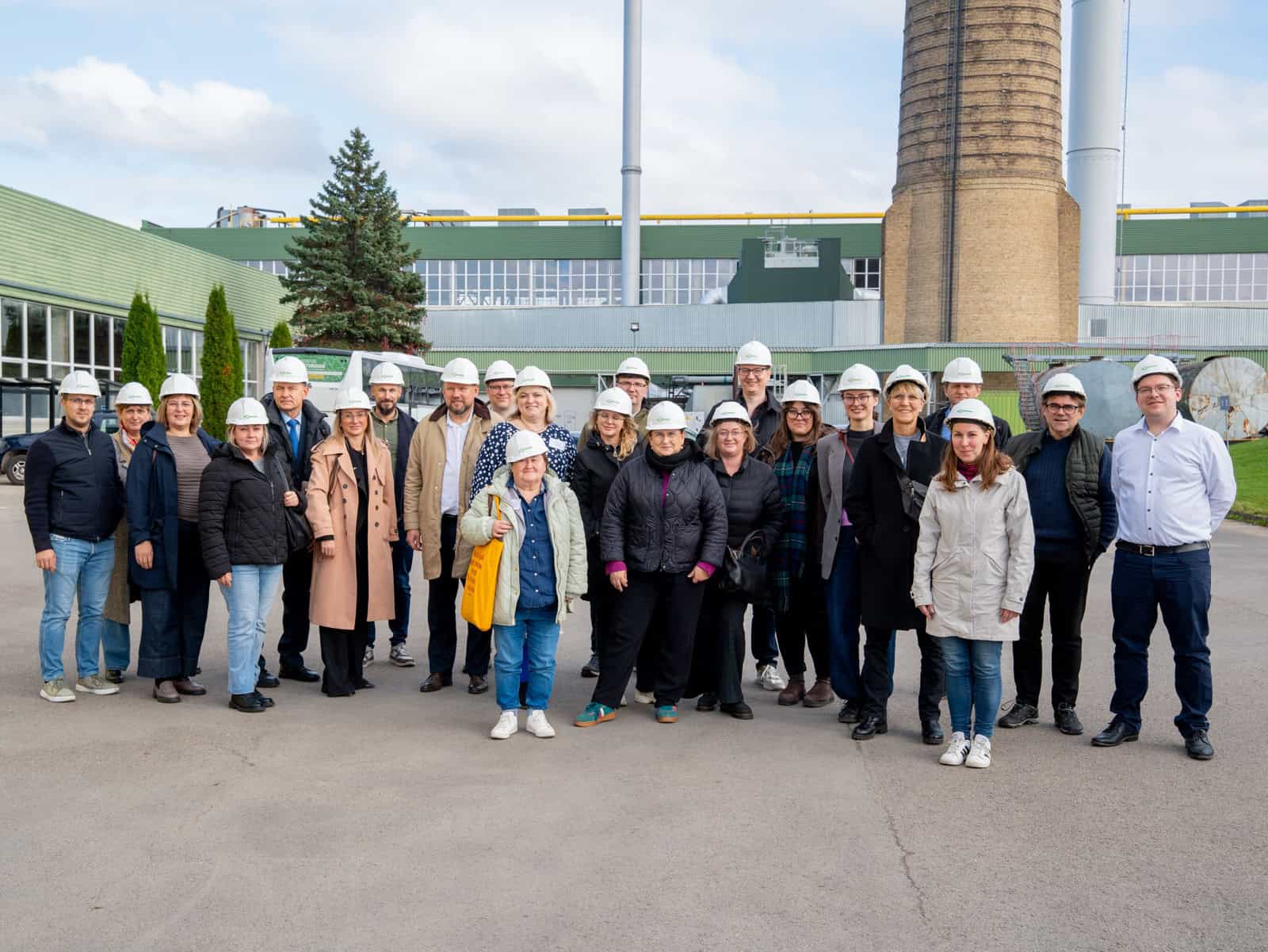
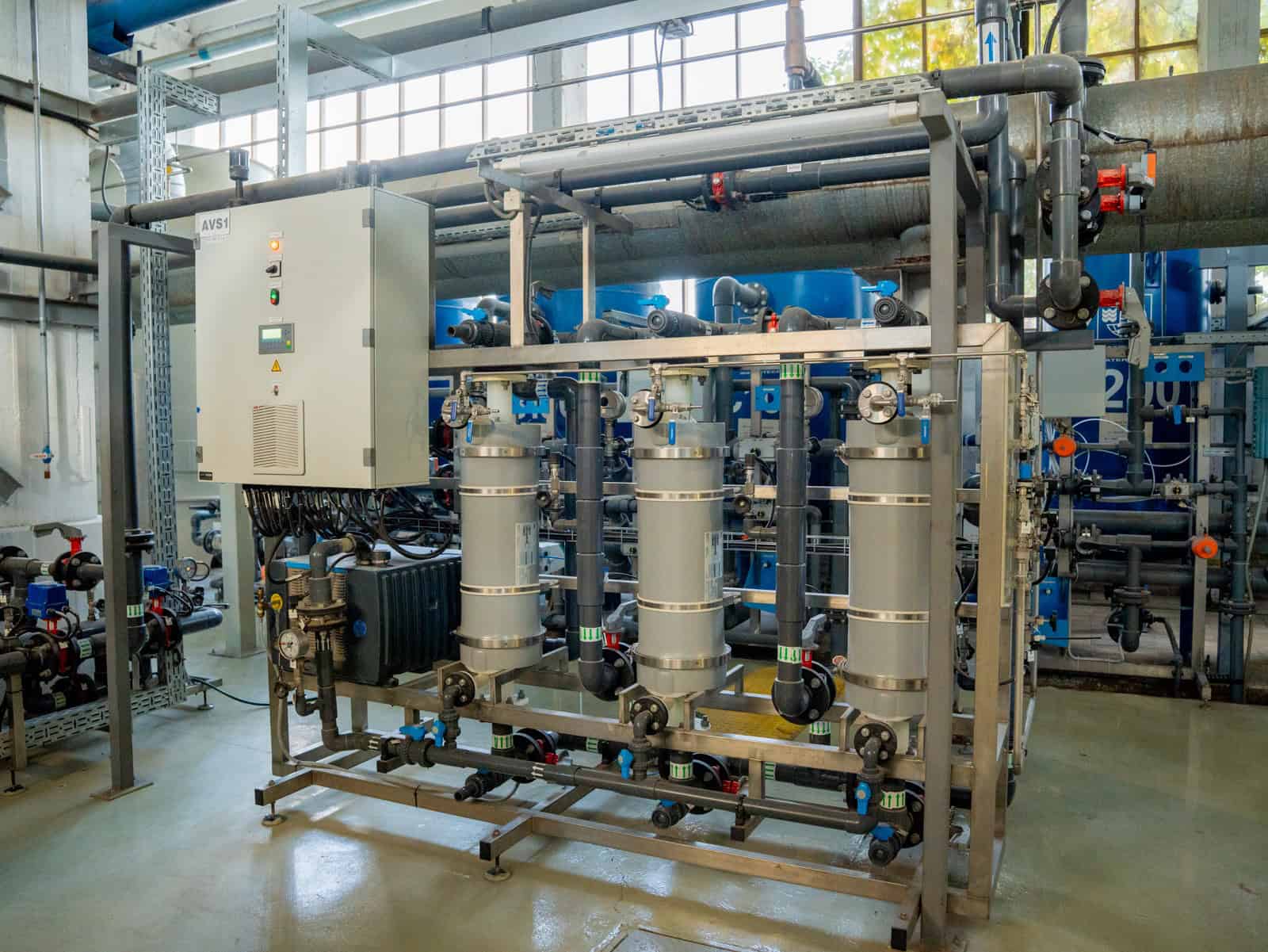
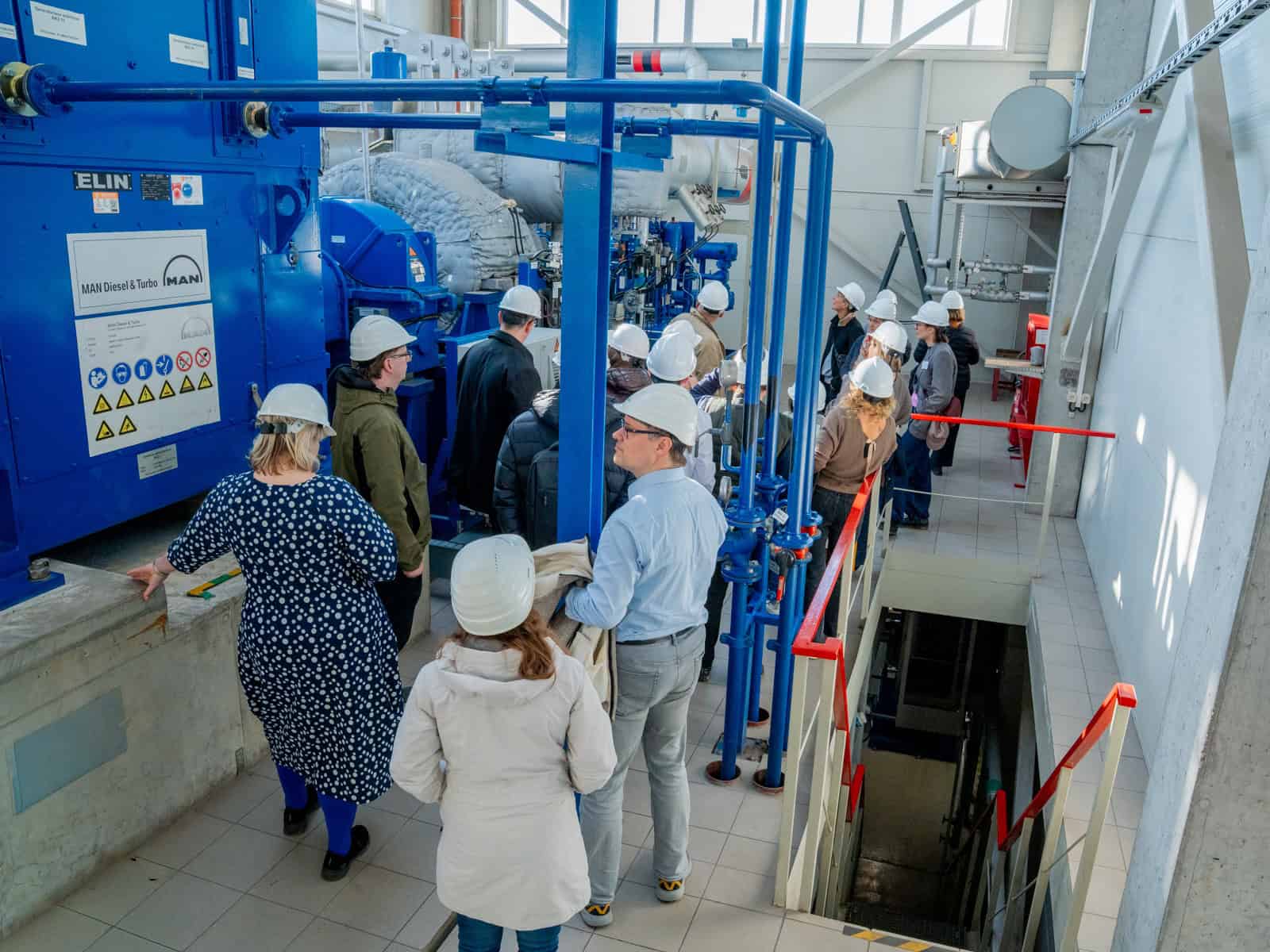
The meeting concluded with a technical visit to Alytaus šilumos tinklai, Alytus’ district heating company. Following a detailed presentation given by Mindaugas Nevardauskas, CEO at Alytaus šilumos tinklai, on the company’s recent undertakings and investments, partners explored the company’s combined heat and power (CHP) plant and learned about infrastructure modernisation, automated consumption monitoring and digital solutions for improving network efficiency.
The company also presented measures to strengthen energy security and diversify heat supply, demonstrating how investment and innovation contribute to more resilient heating systems.
More than a technical challenge
The meeting in Lithuania showed that local heat planning is about much more than choosing the right technologies. It requires engaging people, understanding local needs and translating ambitious plans into practical solutions. From Ukraine’s lessons on building resilience through cooperation to Alytus’ investments in modern heating infrastructure, the discussions offered valuable insights for municipalities across the Baltic Sea Region.

Additional links
details
-
Homepage
-
Project typeCore Project

-
ImplementationMarch 2025 - February 2028
-
StatusOngoing
-
Contribution to EUSBSRPolicy Area Energy

-
Target groups
- Infrastructure and public service provider
- Interest group
- Local public authority
- National public authority
- Sectoral agency
-
Social media
-
Additional links
-
Tags