




Improving resilience to the spread of plant diseases via a regional Pest Common Data Space
PestSpace
First PestSpace Stakeholder Meeting in Poland
24 April 2026
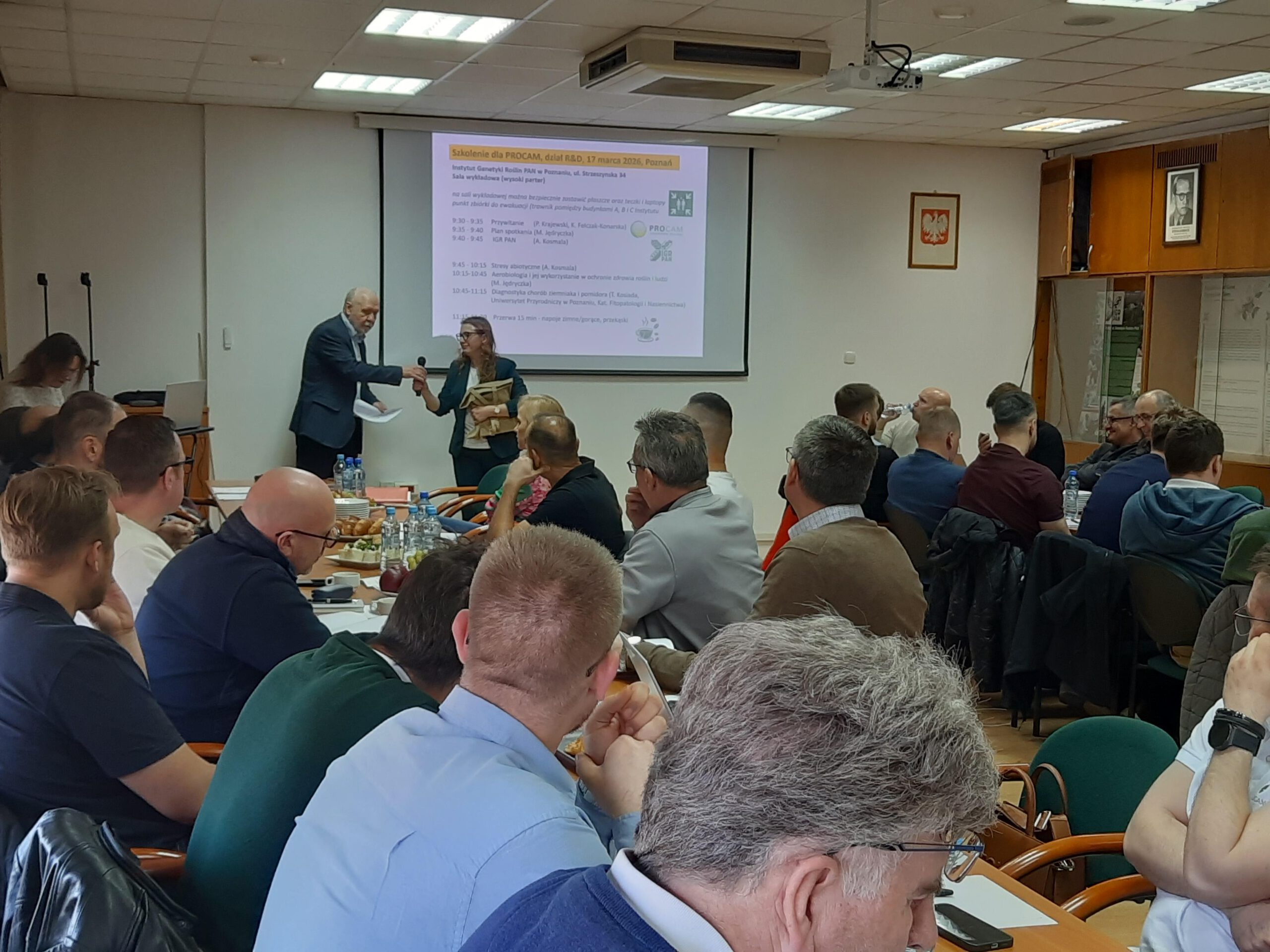
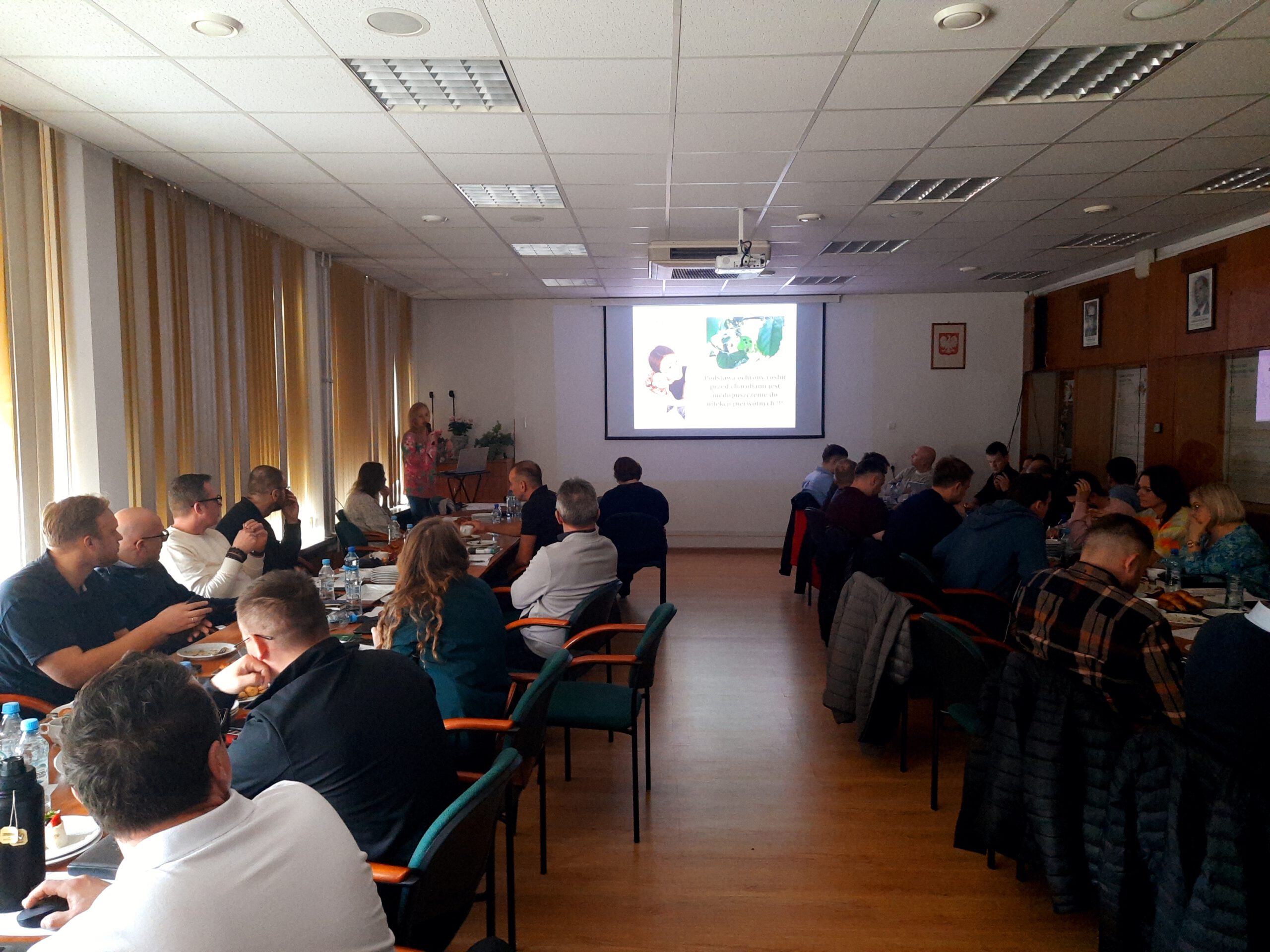
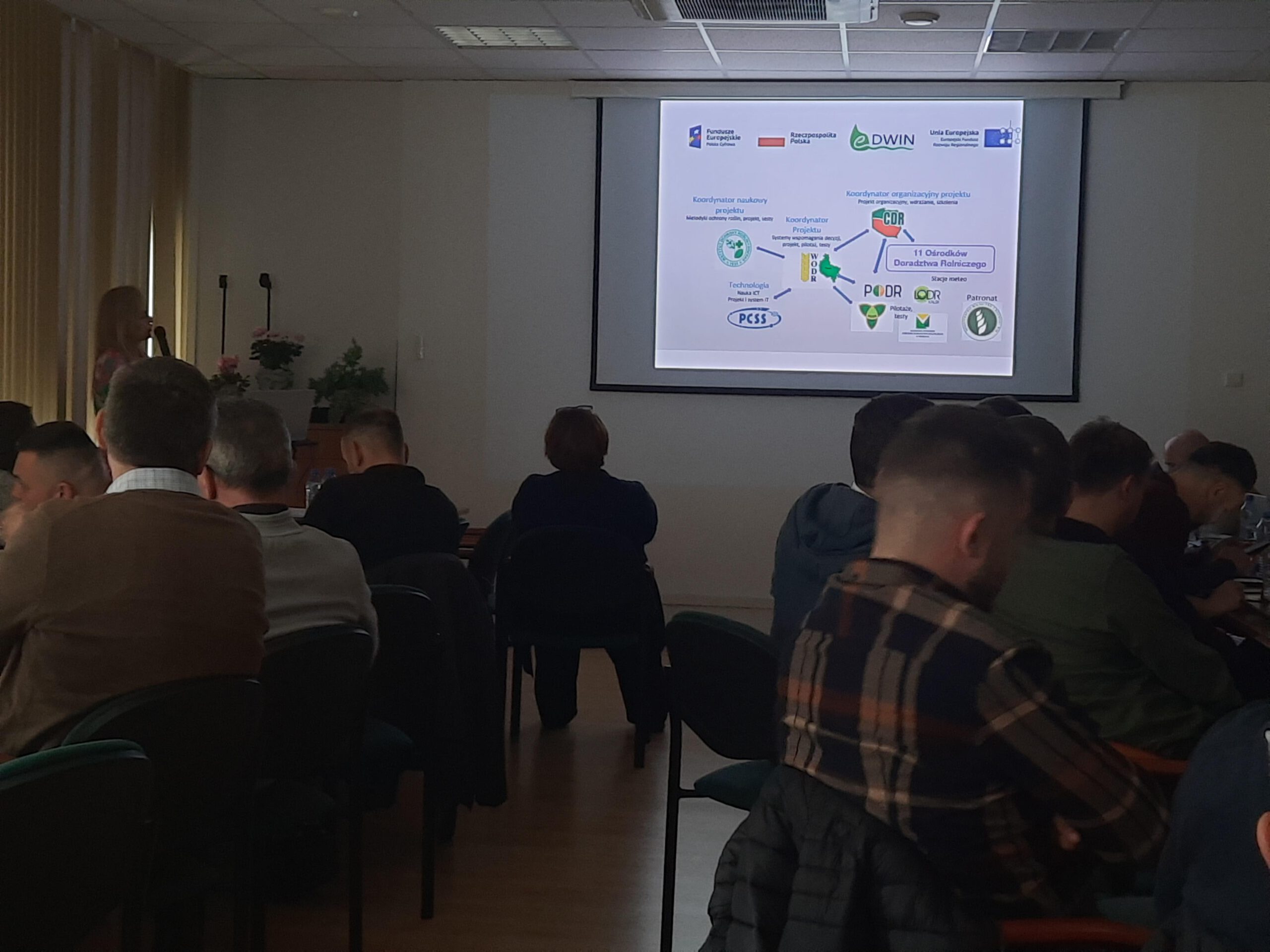
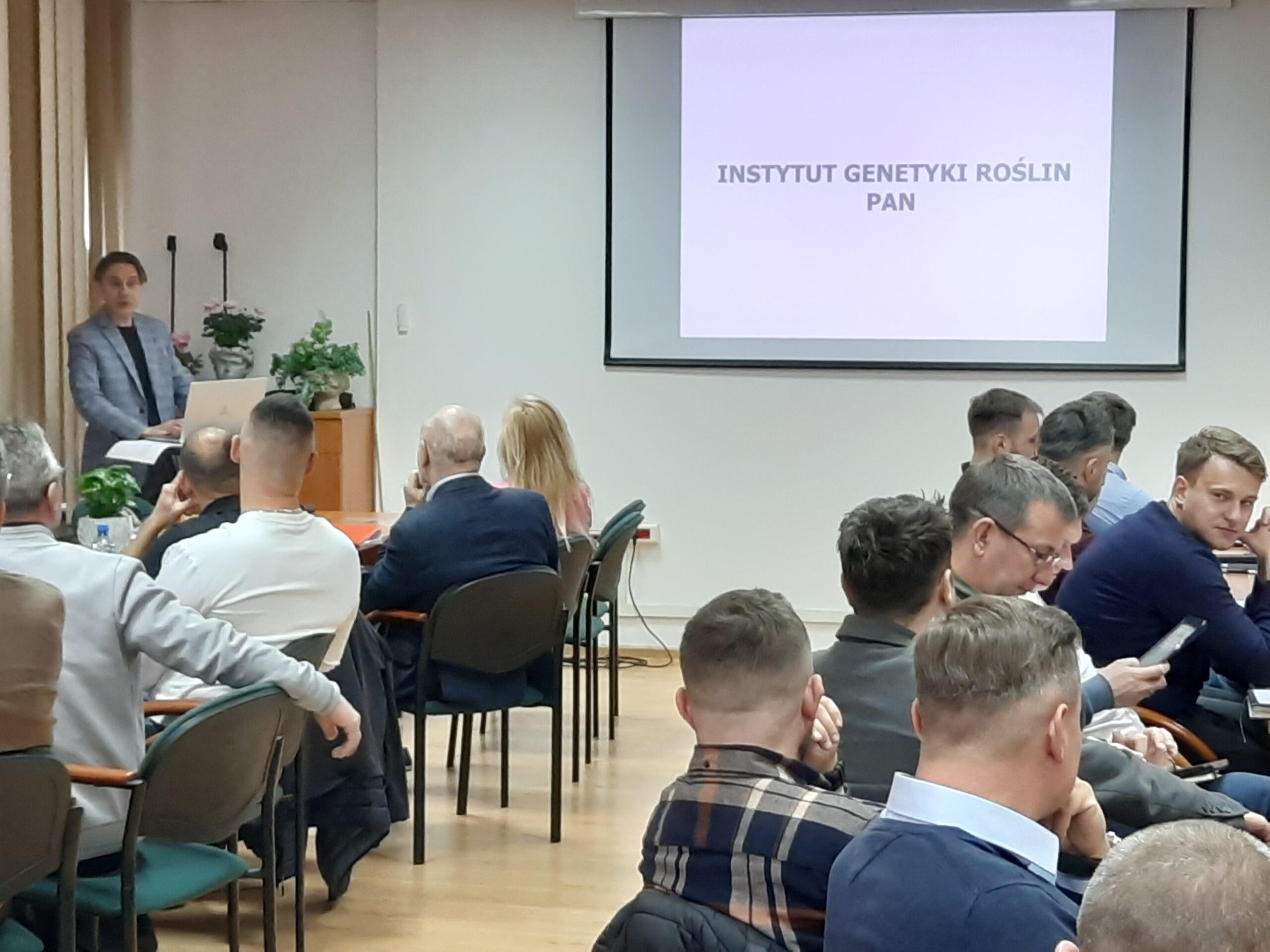
On 17 March, the first stakeholder meeting of the PestSpace project was held in the form of a training session for employees of the R&D Department and advisors from PROCAM Polska (44 participants) at the headquarters of the Institute of Plant Genetics, Polish Academy of Sciences, highlighting the launch of direct collaboration and exchange within the project.
During the training, the Director of the Institute presented the scope of research conducted there, followed by a series of expert lectures:
- Prof. A. Kosmala discussed the mechanisms underlying plant responses to abiotic stresses.
- Prof. M. Jędryczka presented the use of aerobiological methods in plant protection and human health.
- Dr J. Kaczmarek described a decision-support system for oilseed rape protection based on aerobiological techniques (System for Forecasting Disease Epidemics, SPEC) and other key systems developed in Poland to support crop protection against diseases.
- Prof. M. Jędryczka also introduced the new PestSpace application currently being developed in the Baltic Sea Region, its functionalities, and future development possibilities. Participants completed a questionnaire sharing their suggestions for the mobile app.
In addition, topics related to disease etiology and control were presented:
- Potato and tomato diseases (Dr hab. T. Kosiada, Department of Phytopathology and Seed Science, Poznań University of Life Sciences)
- Pea and faba bean diseases (Prof. M. Jędryczka)
- Oilseed rape diseases (Dr J. Kaczmarek)
- Methods for determining pathotypes of clubroot (Prof. M. Jędryczka)
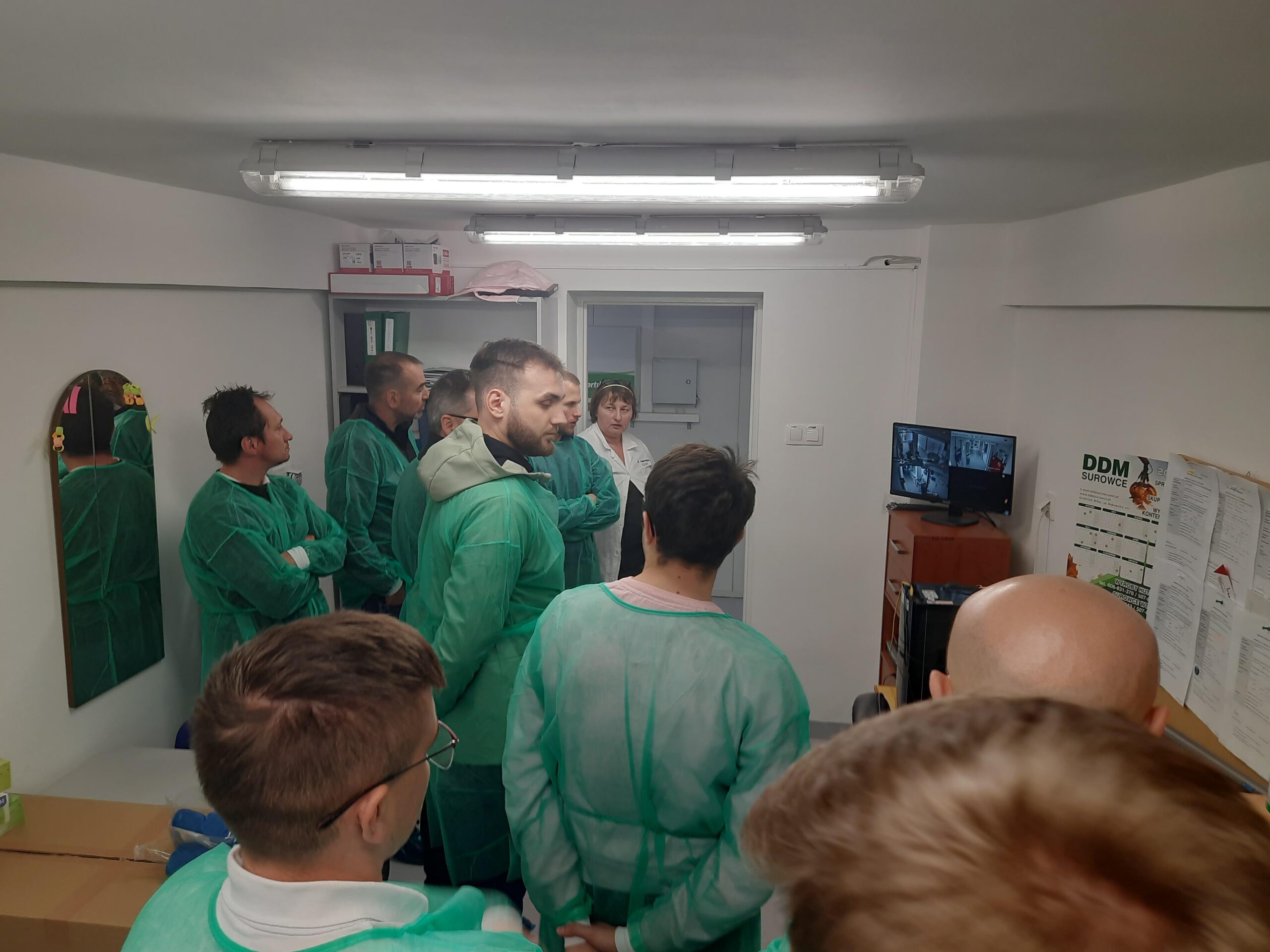
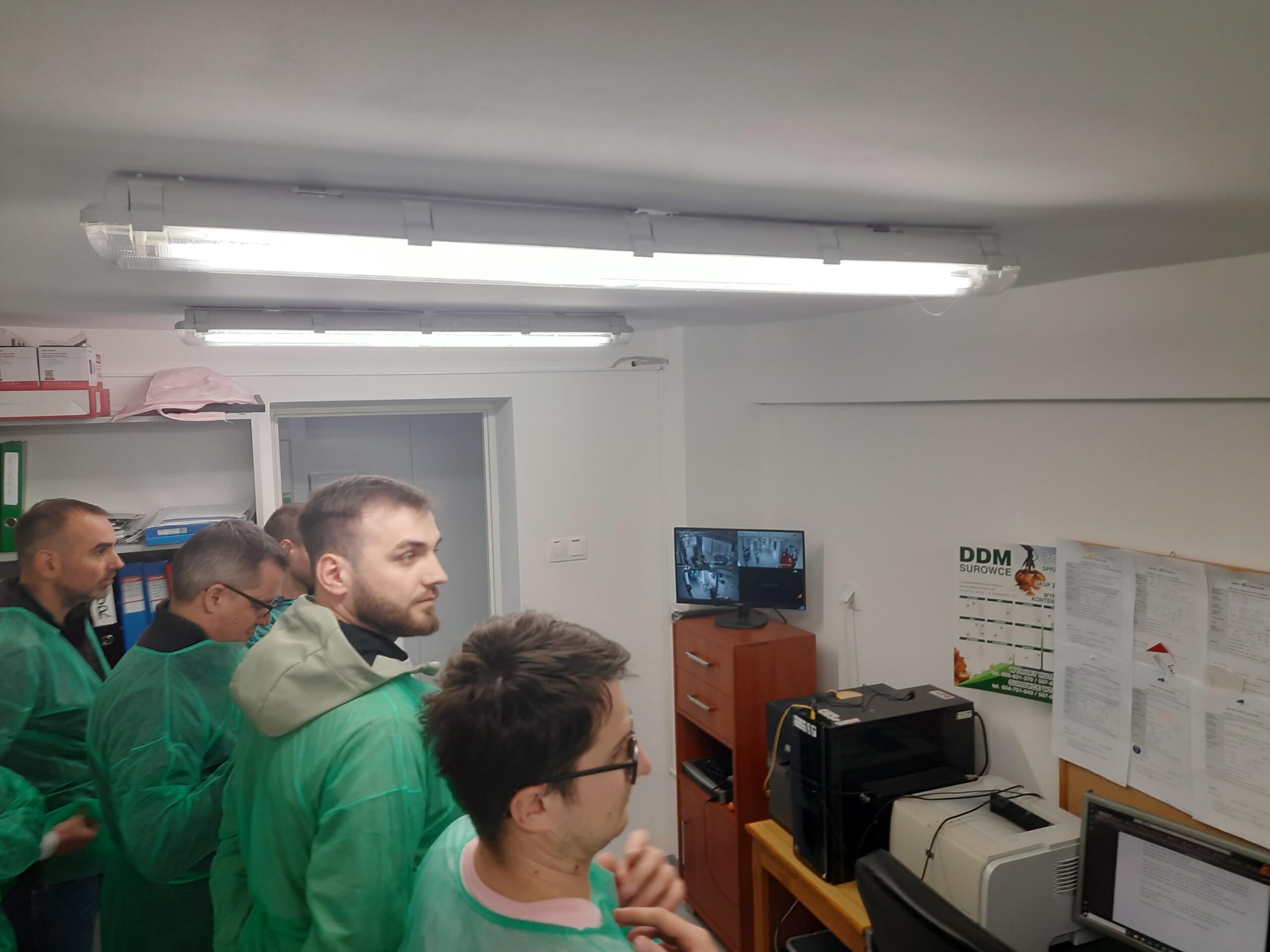
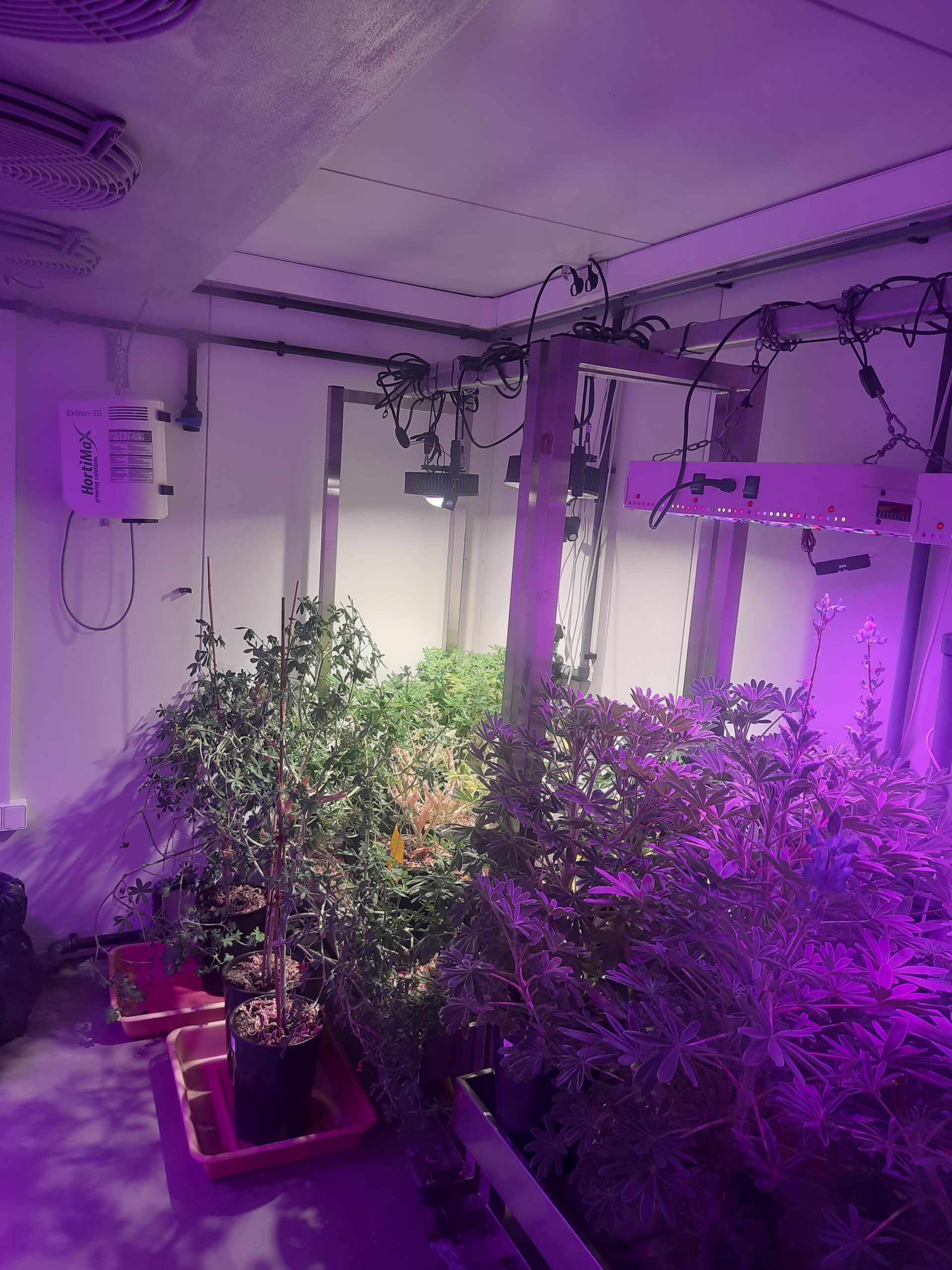
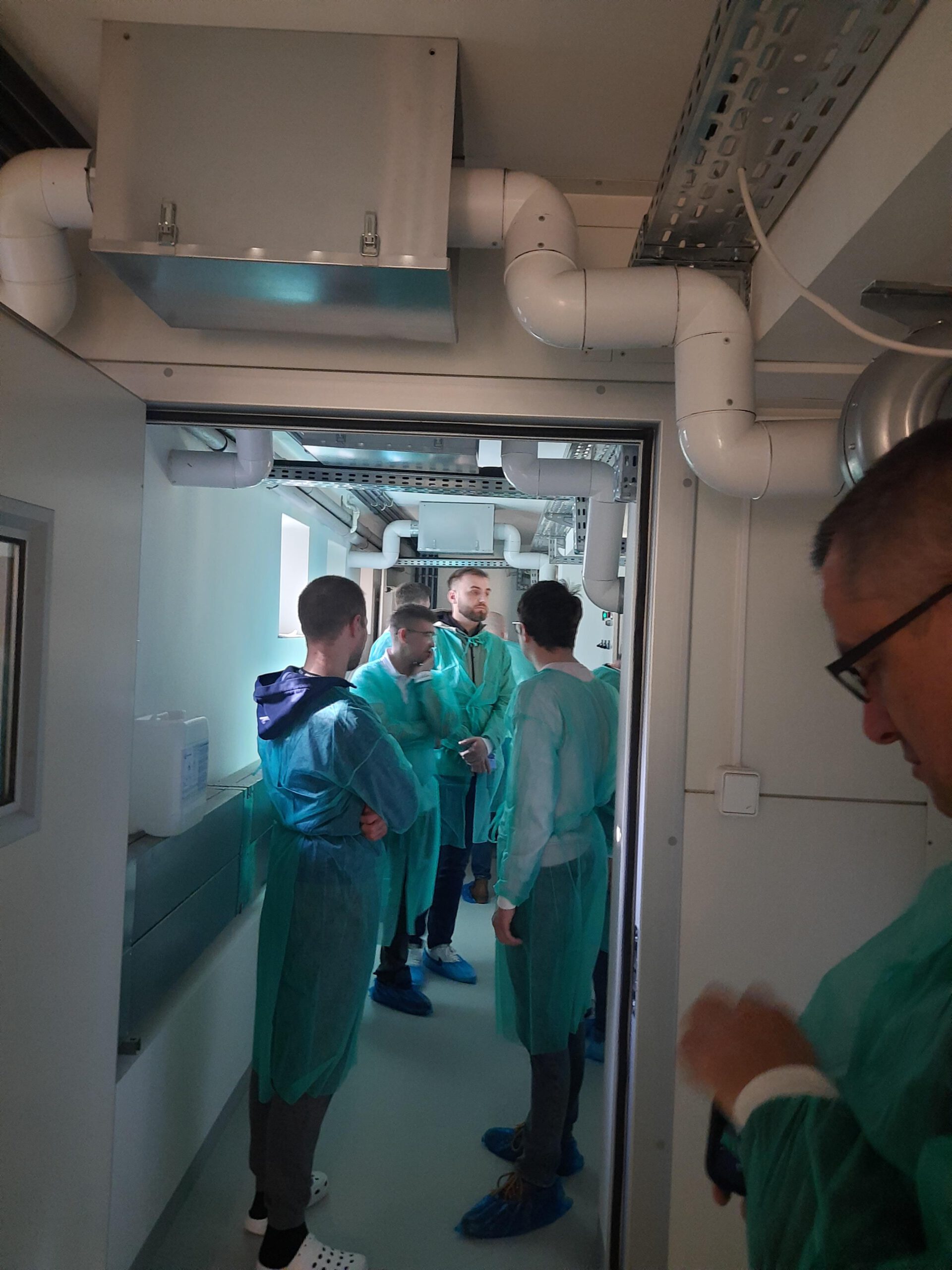
After the lecture part, participants visited the Multiomics Laboratory, the Plant Cultivation Centre, and the Institute’s greenhouse. A demonstration of aerobiological equipment was also carried out using a Burkard trap, used at IPG PAS to monitor the concentration of spores of Plenodomus lingam and P. biglobosus, which cause significant yield losses in oilseed rape.
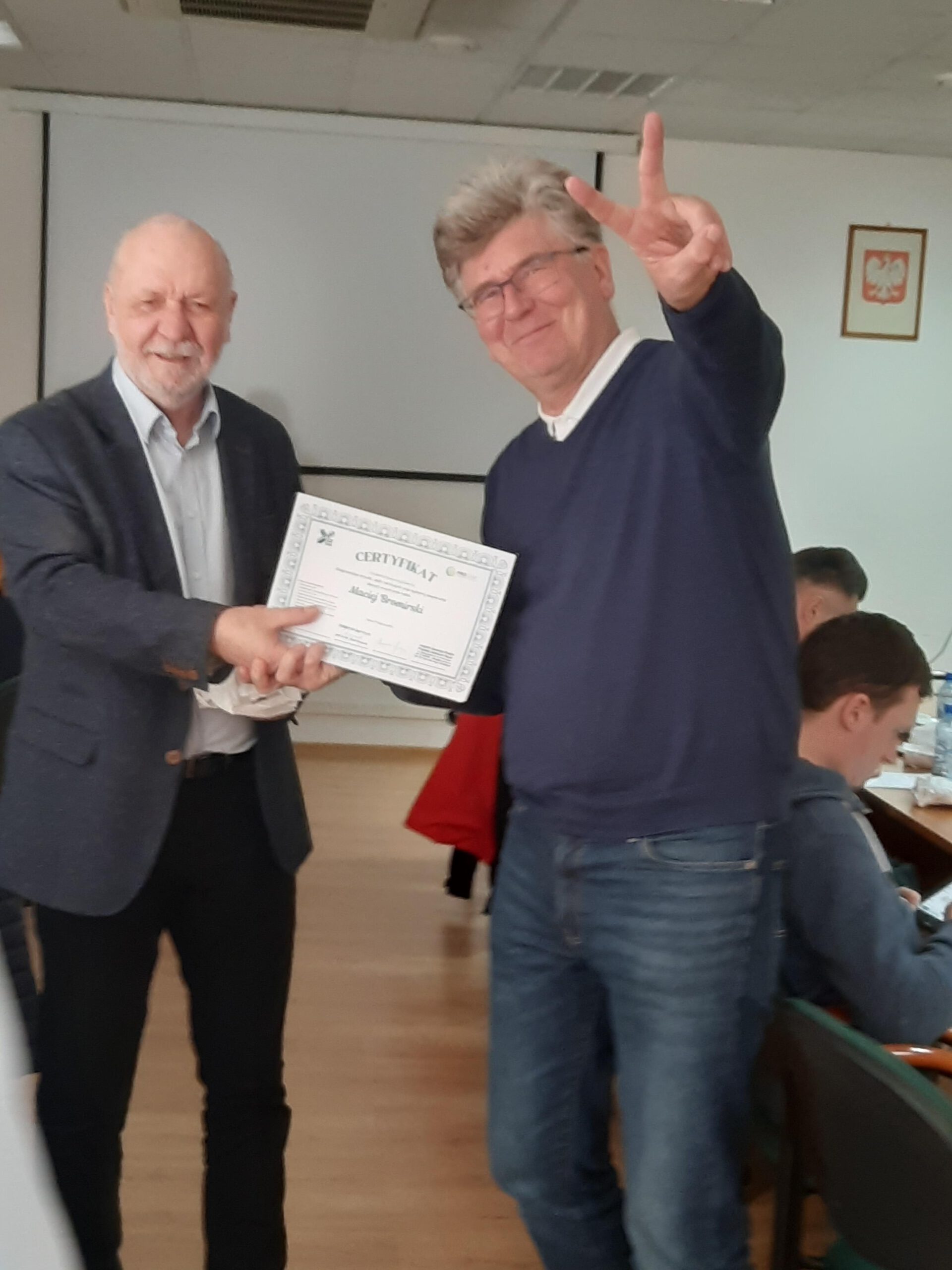
At the end of the training, participants received certificates of attendance.
📹 See how the day looked: a video and photos from the training are attached below. 😊

Video 1 of 1
Additional links
details
-
Homepage
-
Project typeCore Project

-
ImplementationMarch 2025 - February 2028
-
StatusOngoing
-
Contribution to EUSBSRPolicy Area Bioeconomy

-
Target groups
- Business support organisation
- Higher education and research institution
- National public authority
- Sectoral agency
- Small and medium enterprise
-
Social media
-
Additional links
-
Tags